
Hear from Our Customers
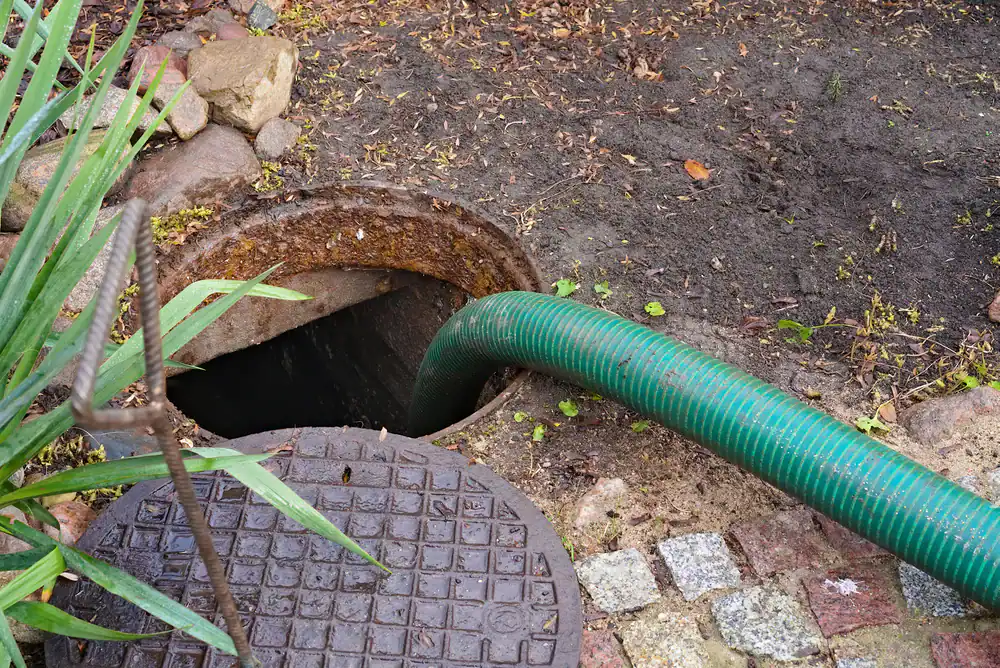
You shouldn’t have to worry about what’s happening underground. When your cesspool works properly, you never think about it. When it doesn’t, it becomes your biggest problem.
Regular cesspool pumping eliminates the disasters that keep homeowners awake at night. No sewage backing up into your basement. No emergency repair bills that hit your budget like a sledgehammer. No health hazards threatening your family.
Most Coram residents only discover their cesspool needs attention when problems surface—usually at the worst possible moment. By then, you’re dealing with emergency rates, potential property damage, and the stress that comes with a system failure that could have been prevented.
We’ve been solving Long Island’s toughest cesspool problems for almost two decades. Four generations of experience means we’ve seen every scenario Suffolk County properties can throw at us.
We’re not some fly-by-night operation or a company that treats every job the same. As owner-operated professionals, we understand Coram’s unique soil conditions, local regulations, and the specific challenges that come with older cesspool systems in this area.
When you call us, you get licensed, insured technicians who live and work in your community. We know which problems need immediate attention and which ones can wait. More importantly, we give you straight answers about both—because your peace of mind matters more than padding our profits.
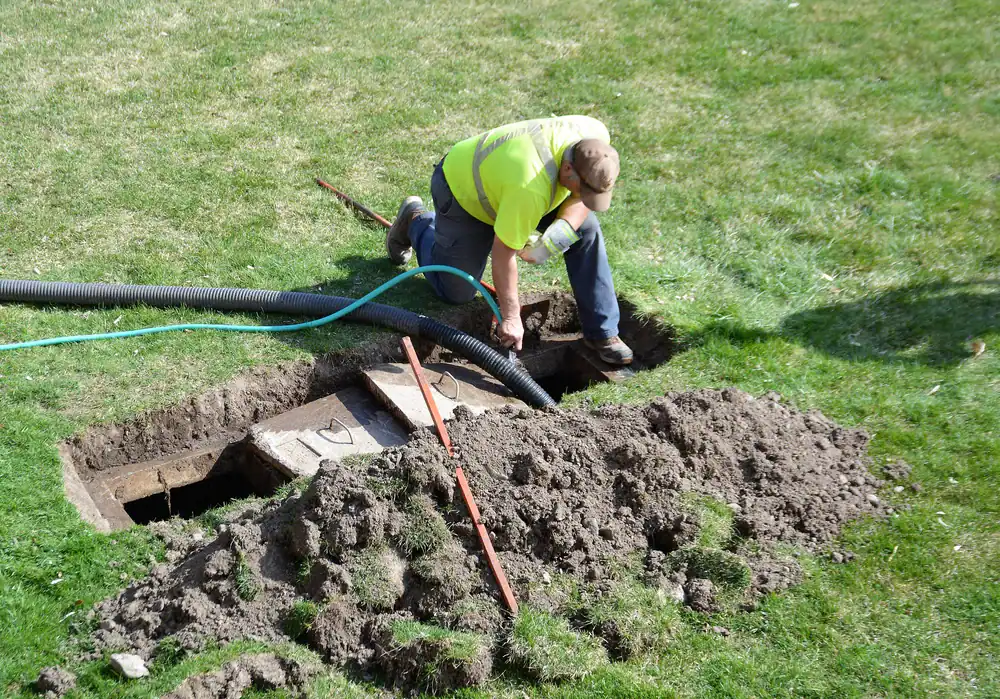
We start by locating your cesspool access points and measuring waste levels. This tells us exactly what your system needs—no unnecessary services, no inflated recommendations, just honest assessment based on actual conditions.
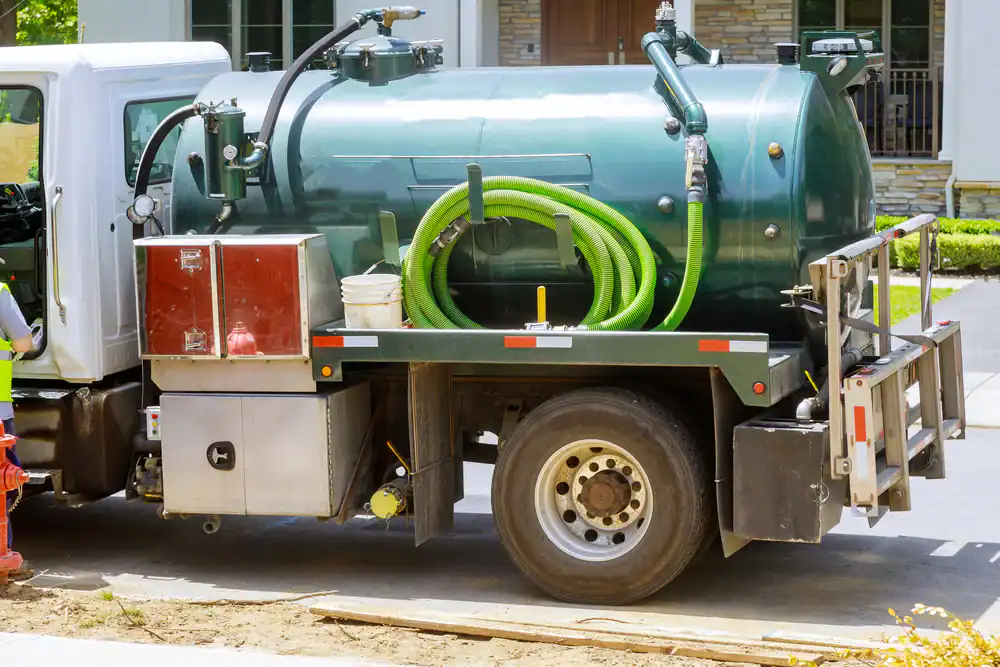
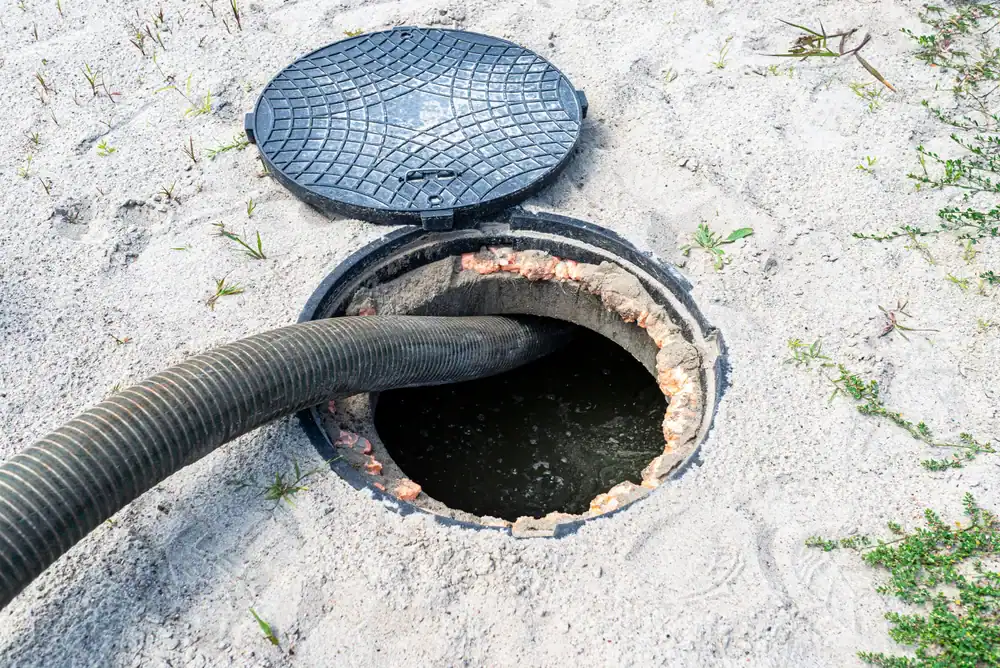
Our high-capacity vacuum trucks remove all liquid waste and accumulated solids. We don’t just skim the surface like some companies do. We thoroughly clean the entire system to restore proper function and prevent future problems.
While we’re working, we inspect your system for developing issues. Cracked walls, damaged baffles, failing distribution systems—we catch these problems before they become expensive emergencies. You get complete documentation showing waste volumes removed, disposal receipts, and system condition reports that satisfy Suffolk County requirements for property transfers and permits.
Ready to get started?
Coram’s sandy soil and high water table create specific challenges for cesspool systems. Most residential systems need pumping every 2-3 years, but your household size, water usage, and system age all affect this timeline.
Suffolk County’s 2019 regulatory changes mean you can’t simply replace an old cesspool with another cesspool anymore. When replacement time comes, you’ll need to upgrade to current standards. We help you understand these requirements and plan accordingly.
We provide 24/7 emergency response because cesspool failures don’t follow business hours. All waste goes to licensed treatment facilities to protect Long Island’s groundwater—something that matters when your drinking water comes from the same aquifer. Regular maintenance prevents the costly disasters that can run thousands in emergency repairs and property damage.
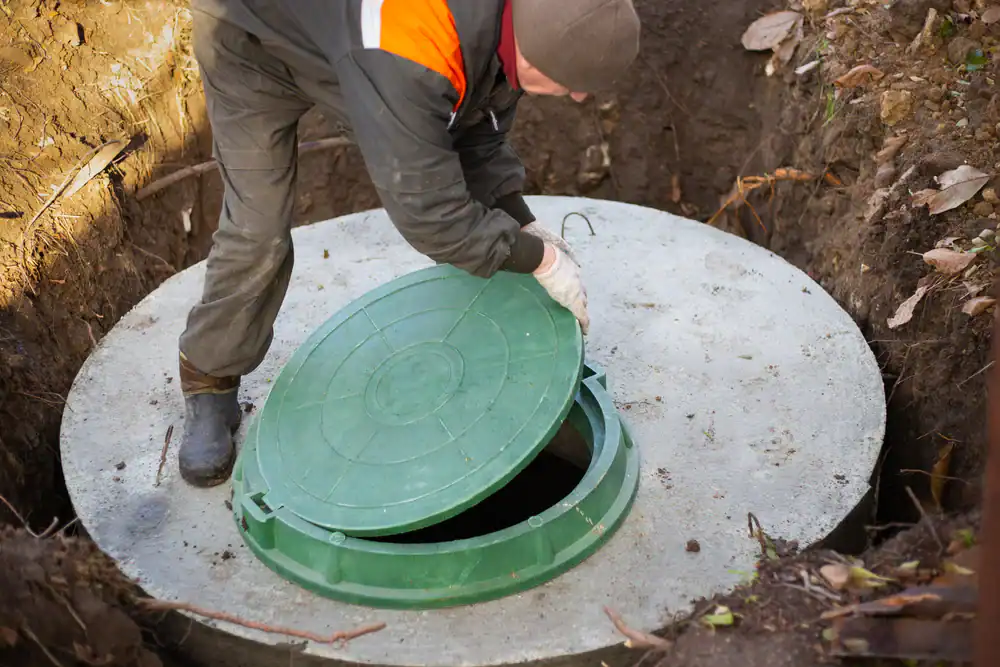
Most Coram cesspools need pumping every 2-3 years, but your specific timeline depends on household size and water usage. A family of four typically needs service every 2-3 years, while larger families or homes with garbage disposals may need annual pumping.
We assess your system during each visit and recommend a schedule based on your actual usage patterns and waste accumulation rates. Staying ahead of problems saves you money—waiting until you see warning signs like slow drains or odors usually means your system is already overfull and at risk of backing up into your home.
Call us immediately if sewage is backing up into your home, you smell strong sewage odors around your property, or you see standing water near the cesspool area. These indicate system failure that poses health risks and can cause expensive property damage.
Earlier warning signs include slow-draining fixtures, wet spots on your lawn that won’t dry, gurgling sounds from plumbing, or toilets that won’t flush properly. Don’t wait—these problems get worse quickly and cost significantly more to fix once they become emergencies.
Regular pumping doesn’t require permits, but Suffolk County requires documentation for property sales and renovation permits. We provide detailed records showing waste volumes, disposal receipts, and system assessments that satisfy these requirements.
However, Suffolk County banned cesspool-to-cesspool replacements in 2019. If you’re replacing your system, you need permits and must upgrade to current standards with a septic tank preceding the leaching structure. We handle the paperwork and ensure compliance with all current regulations.
All waste goes to licensed treatment facilities where it’s processed according to strict environmental regulations. This protects Suffolk County’s groundwater and surface water—critical since Long Island’s drinking water comes from the same aquifer system.
We follow proper disposal protocols and provide documentation showing where your waste was processed. This gives you peace of mind and satisfies any regulatory record-keeping requirements. Proper disposal is especially important on Long Island where improper waste handling can contaminate drinking water supplies.
Yes, we provide 24/7 emergency response throughout Suffolk County. Cesspool emergencies happen at the worst times—Sunday morning before company arrives, middle of the night during storms, holidays when other companies are closed.
We’ve responded to emergency calls within an hour, even on weekends. Our emergency services include immediate pumping to stop backups, system assessment to identify root causes, and repairs to restore normal function. We understand cesspool emergencies are stressful, so we work quickly to minimize disruption to your family’s routine.
Pumping costs depend on tank size, waste levels, and site accessibility, but regular maintenance is always less expensive than emergency repairs. Most Coram cesspools hold 1,000-1,500 gallons and need pumping when waste reaches 25-30% of capacity.
We provide upfront pricing with no hidden fees or surprise charges. Emergency repairs often cost thousands in service fees plus property damage—regular pumping every 2-3 years prevents these disasters and protects your investment. The small cost of routine maintenance saves you from the big expense of system failure.