
Hear from Our Customers
Your drains flow freely every single time. Toilets flush without hesitation. Sinks empty completely. The nightmare of sewage backing up into your home during important moments becomes a thing of the past.
You avoid thousands in property damage from cesspool failure. No more standing water in your yard. No more unbearable odors that embarrass you in front of neighbors. Your system handles everything your household throws at it, year after year.
Most importantly, you get peace of mind. You know your family is safe from the health hazards of raw sewage exposure. Your property value stays protected. Your system meets Suffolk County regulations without the stress of compliance issues.
We’ve been handling cesspool pumping throughout Great River and Suffolk County for years. We understand exactly how Long Island’s sandy soil and high water table affect your system.
We’re licensed, insured, and equipped with modern pumping trucks that handle any access challenge. Our team knows Suffolk County regulations inside and out, so your waste gets disposed of properly every time.
Great River homeowners trust us because we show up when promised, charge what we quote, and get the job done right. We’ve seen what happens when cesspools fail – and we’re here to make sure that doesn’t happen to you.
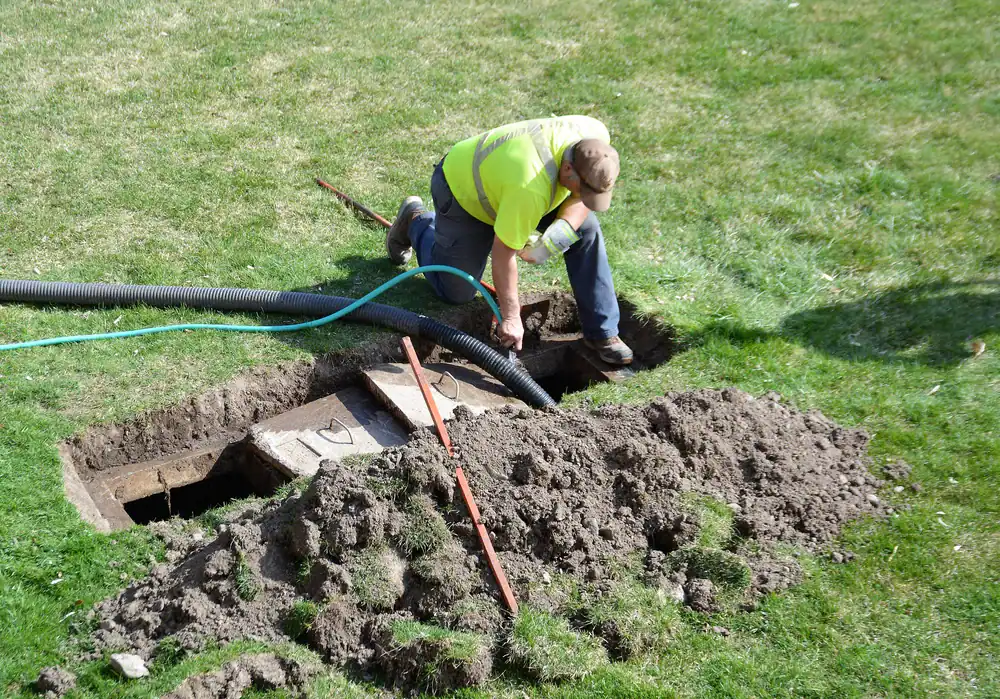
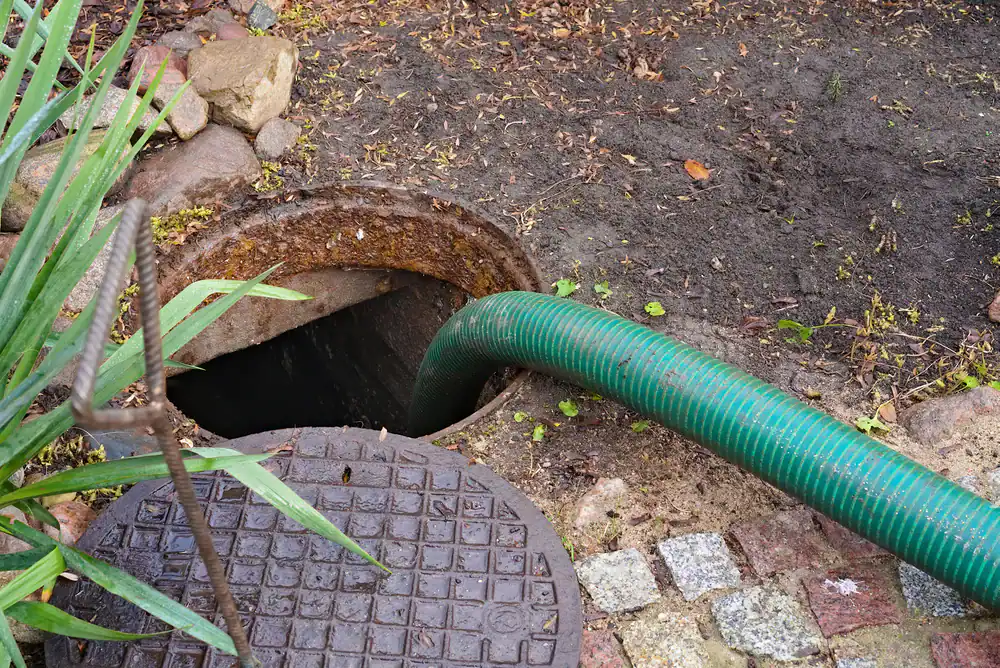
First, we locate and access your cesspool cover. Many Great River properties have covers buried under soil, grass, or landscaping over time. We use probing tools and experience to find access points safely.
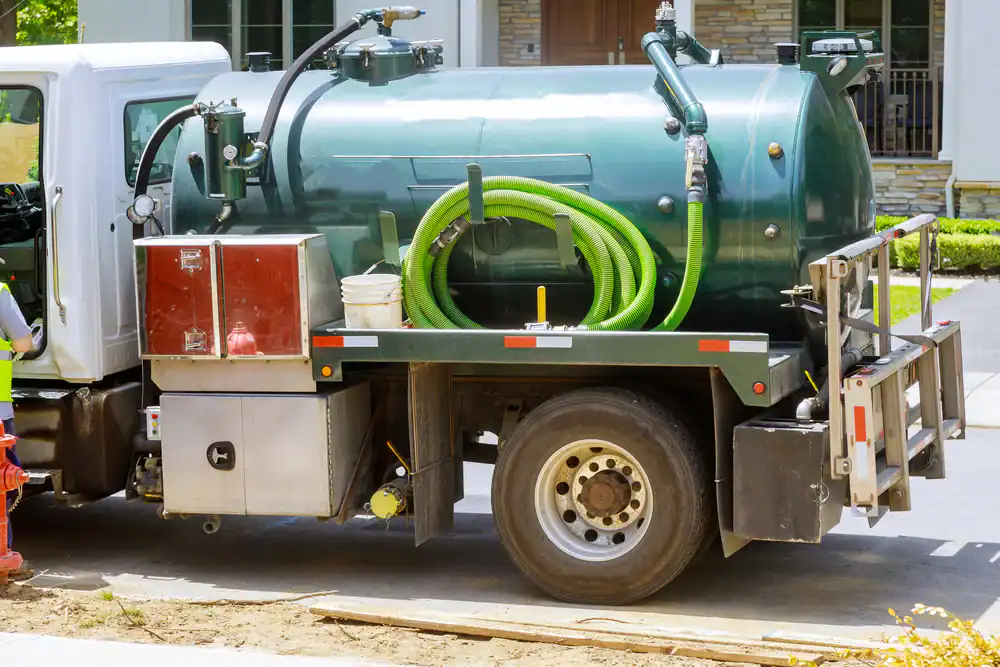
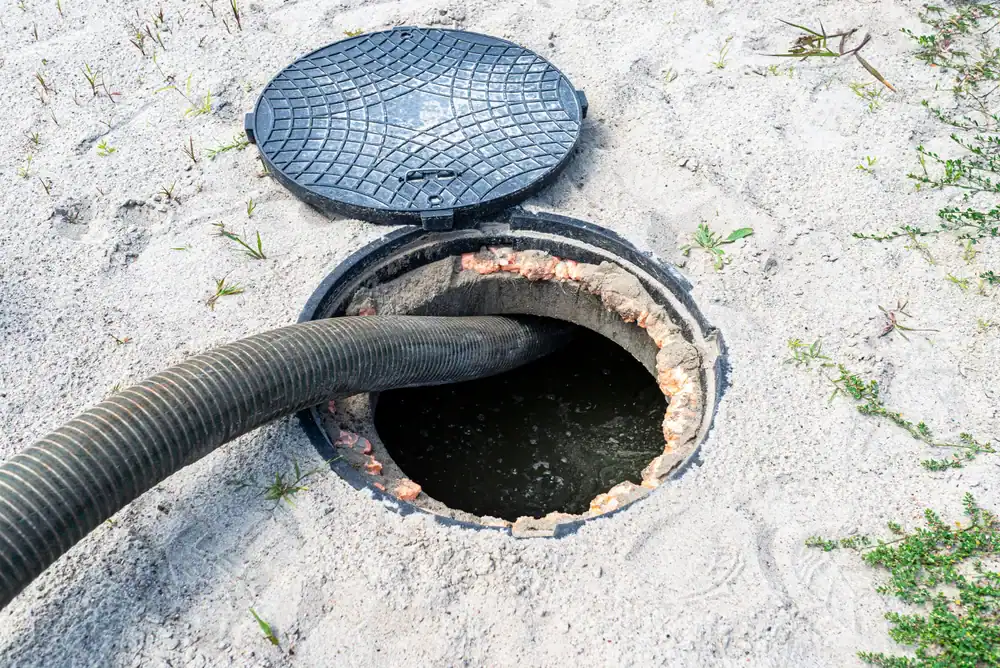
Our truck parks as close as possible to minimize hose length and disruption to your property. Next, we pump out all accumulated sludge and liquid waste using powerful vacuum equipment that removes everything efficiently, including solids that build up over time.
We inspect your system while we work, checking for signs of damage or potential problems. If we spot issues, we’ll tell you straight what needs attention. Finally, we dispose of all waste at approved facilities following environmental regulations. Your cesspool is ready to handle wastewater properly again.
Ready to get started?
Every cesspool pumping includes complete waste removal, basic system inspection, and proper disposal. We don’t cut corners or leave partially full tanks that cause problems in a few months. You get an honest assessment of your system’s condition.
Great River’s unique conditions make professional service essential. Our sandy soil allows contamination to spread quickly through groundwater. Many homes built in 1970 have cesspools approaching structural failure. Suffolk County has strict regulations about waste disposal and system maintenance.
Most Great River homes need pumping every 3-5 years. Families of four typically need service every 3-4 years. High water usage from dishwashers, laundry, or frequent entertaining requires more frequent pumping. We assess your specific situation and recommend the right schedule.
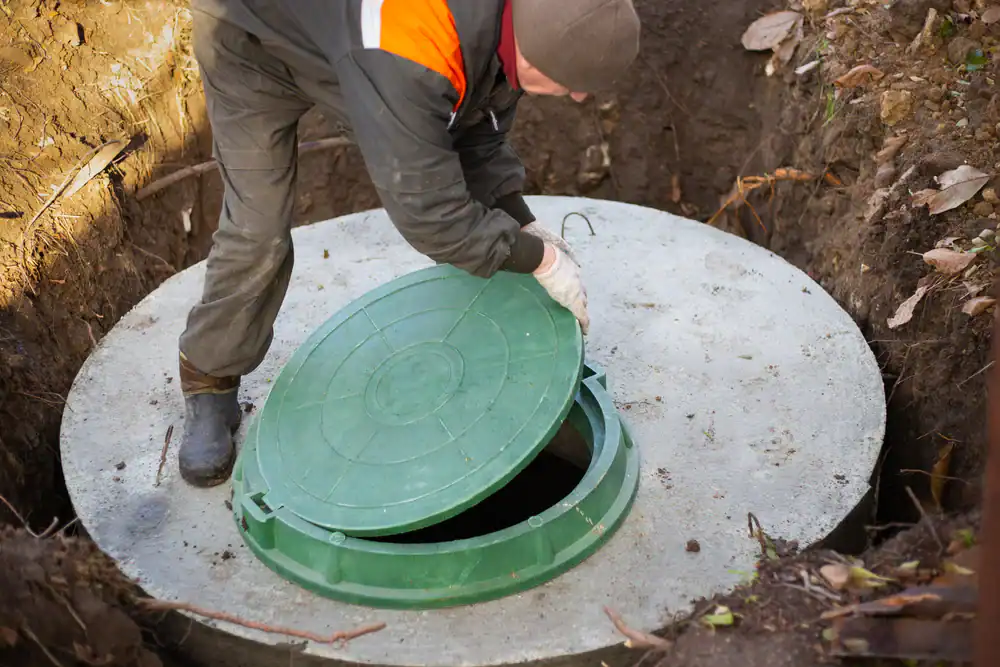
Most Great River homes need cesspool pumping every 3-5 years, but your specific schedule depends on household size and water usage patterns. A family of four typically needs pumping every 3-4 years, while smaller households might stretch to 4-5 years.
If you’re doing lots of laundry, running dishwashers frequently, or entertaining guests often, you’ll need more frequent service. Properties with garbage disposals also fill faster than expected.
We measure actual waste accumulation during each service to customize your maintenance schedule. Factors like Long Island’s soil conditions, system age, and seasonal usage all affect timing recommendations.
Waiting too long leads to sewage backing up into your home through drains, toilets, and floor drains. The solid waste layer gets too thick and blocks proper drainage, forcing wastewater back where it came from.
You’ll see wet spots or standing water over your cesspool area as waste overflows underground. The smell becomes unbearable throughout your property. You risk serious property damage and health hazards for everyone in your home.
Emergency pumping during system failure costs 3-4 times more than scheduled maintenance. Severely neglected cesspools may require complete replacement costing $8,000-15,000 instead of routine $400-600 pumping service.
Yes, we can locate and access buried cesspool covers. Many Great River properties have covers that got buried over time under soil, grass, or landscaping improvements.
We use probing tools and experience to find access points safely without damaging your property. If needed, we can dig down to reach the cover, though this might involve additional time and cost depending on depth and obstacles.
Our team has handled hundreds of buried covers throughout Suffolk County. We bring the right equipment and expertise to access your system regardless of how long it’s been buried.
Cesspool pumping in Great River typically runs $300-600 depending on tank size, accessibility, and how full your system is. Larger tanks or difficult access points cost more due to additional time and equipment needed.
Emergency calls outside normal hours include additional fees. However, the cost of regular pumping is much less than dealing with backups, property damage, or system replacement that can run thousands.
We provide upfront pricing before starting work, so you know exactly what you’re paying. Regular maintenance every few years is the most cost-effective approach compared to waiting for problems to develop.
Absolutely. We’ve been handling cesspool systems throughout Long Island for years and understand exactly how our sandy soil and high water table affect cesspool performance.
Long Island’s sandy soil allows contamination to spread quickly through groundwater, making proper maintenance even more critical. High water tables can cause systems to overflow during heavy rains, and our soil conditions create unique drainage challenges.
We’re familiar with Suffolk County regulations, local disposal requirements, and the specific maintenance needs of cesspools in coastal areas. Our local expertise ensures your system works reliably in Great River’s unique environment.
The most obvious signs are slow drains throughout your house, sewage odors inside or outside your home, and wet, soggy areas in your yard near the cesspool location. If toilets are backing up or you notice gurgling sounds when water drains, your cesspool is likely full.
Pooling water in your yard, especially near the cesspool area, is a serious warning that demands immediate attention. This standing water contains raw sewage and poses health risks to your family and pets.
Don’t wait for these problems to develop. If it’s been more than 3-4 years since your last pumping, or if you notice any of these warning signs, contact us immediately. These issues get worse fast and cost much more to fix when ignored.