
Hear from Our Customers
You stop holding your breath every time someone uses the bathroom during family gatherings. Your yard doesn’t turn into a swamp when it rains, and you’re not scrambling to find emergency service on Sunday morning.
That wet spot near your cesspool disappears. The gurgling sounds from your drains go away. You actually know when your next service is due instead of waiting for problems to announce themselves.
Your cesspool handles everything it’s supposed to handle, quietly and efficiently, while you get back to using your Hampton Bays home the way you want to use it.
We’ve been handling cesspool services throughout Hampton Bays and Suffolk County for years. We understand the sandy soil conditions here, the way saltwater affects coastal properties, and what Suffolk County health inspectors actually look for.
We’ve seen every type of cesspool problem Hampton Bays throws at us. From the older cesspools installed decades ago to the newer systems that still need regular maintenance.
When you call us, you get people who show up on time, explain what’s actually happening with your system, and give you straight answers about what needs fixing and what doesn’t.
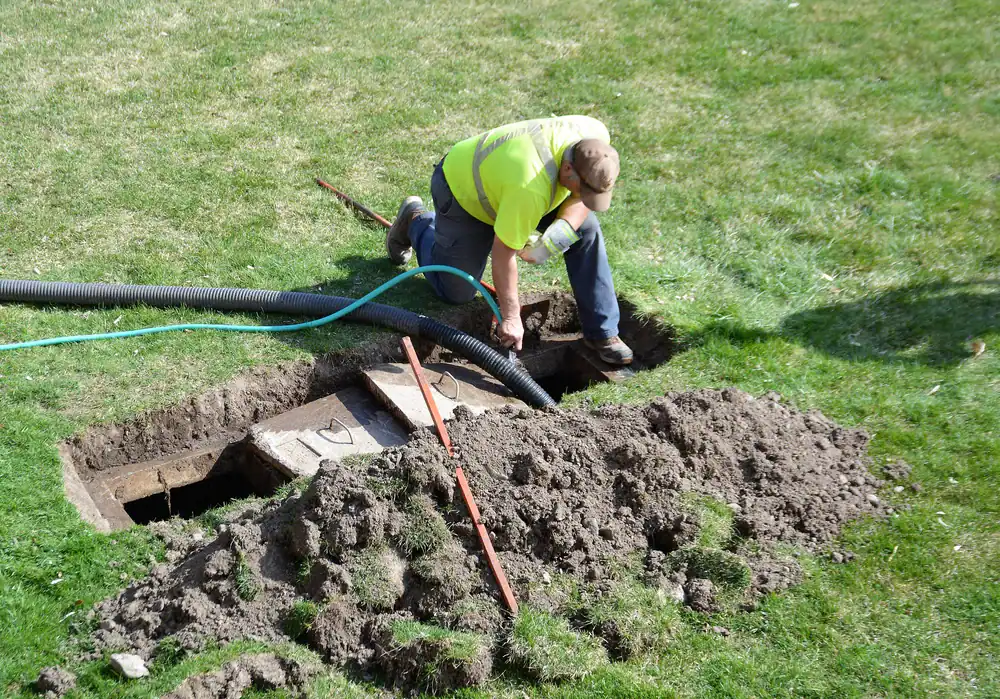
First, we locate and uncover your cesspool access points. Our truck-mounted vacuum equipment removes all accumulated sludge and liquid waste while we inspect your system’s condition.
During pumping, we check the tank structure, measure sludge levels, and look for any signs of damage or wear. We properly dispose of all waste at licensed facilities according to Hampton Bays regulations.
After pumping, we give you a clear assessment of your cesspool’s condition and let you know when you’ll likely need service again. No guesswork, no sales pressure—just the information you need to keep your system working properly.
Ready to get started?
Your cesspool pumping includes complete removal of sludge and scum layers, thorough inspection of all tank components, and proper disposal of waste materials at licensed facilities. We don’t cut corners or leave partial loads.
Hampton Bays properties often deal with sandy soil conditions that can affect cesspool performance. We check for issues specific to coastal Long Island properties, including saltwater intrusion effects and seasonal water table changes.
You receive a clear report on your system’s condition, a realistic timeline for future service, and honest answers about any repairs or maintenance your system might need. We follow all Suffolk County health department requirements for waste disposal and system maintenance.
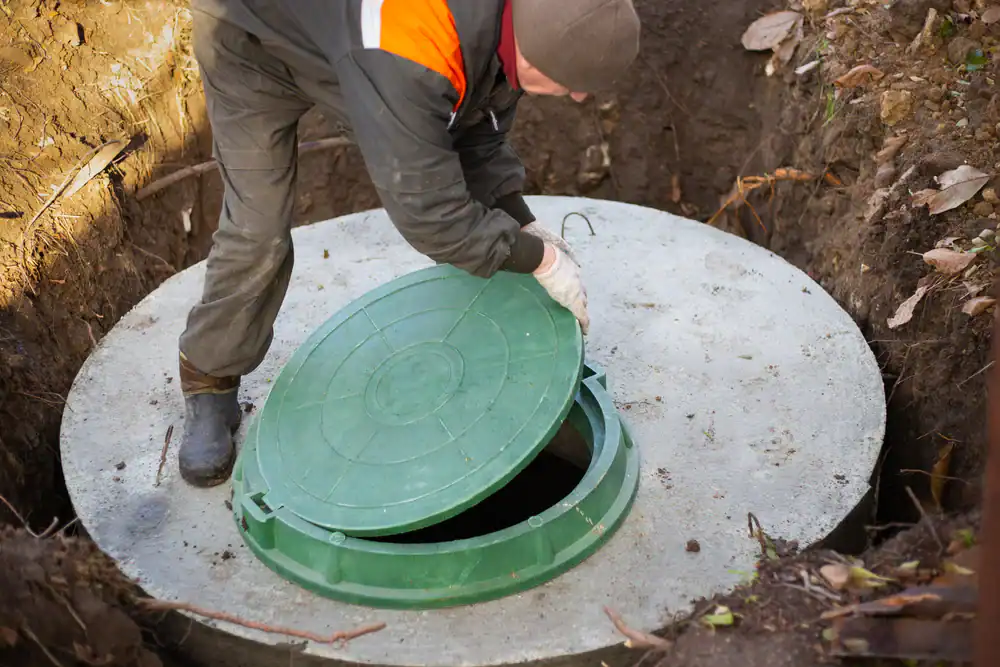
Most Hampton Bays cesspools need cleaning every 2-3 years, but this depends on your household size and usage patterns. A family of four typically needs service every 2-3 years, while smaller households might go 3-4 years between cleanings.
Heavy usage, garbage disposals, and certain medications can require more frequent service. The sandy soil conditions common in Hampton Bays can sometimes affect these timelines, which is why we measure sludge levels during each service to give you an accurate schedule for your specific system.
The best approach is having your system inspected annually so you can plan maintenance before problems develop. Waiting too long between cleanings leads to system backups, expensive repairs, and potential health hazards that no homeowner wants to deal with.
Call for emergency cesspool service if you notice sewage backing up into your home, standing water or sewage odors in your yard, or toilets and drains that won’t empty properly. These are health hazards that need immediate attention.
Gurgling sounds from drains, especially when using multiple fixtures, often indicate your cesspool is full or failing. Lush, green grass over your cesspool area can signal leaking, which creates health risks and environmental problems.
Slow drains throughout your house, sewage odors around your property, or wet spots over your cesspool area are common warning signs. However, waiting for these symptoms often means you’re already dealing with a problem that could have been prevented with regular maintenance.
Cesspool cleaning in Hampton Bays typically costs between $300-600, depending on your system size, accessibility, and how long it’s been since your last service. Larger tanks or tanks that haven’t been pumped in many years may cost more due to additional time and disposal fees.
Emergency calls and weekend service cost more than scheduled maintenance. Systems that haven’t been maintained in years require more time and effort, increasing costs. We provide upfront pricing before starting work, so you know exactly what you’re paying.
Regular maintenance pumping is always less expensive than emergency repairs. Emergency cesspool pumping can prevent sewage overflow that causes $8,000+ in property damage, foundation issues, and contamination cleanup costs throughout your home.
Cesspools are simpler systems that collect waste in a covered pit with porous walls that allow liquids to seep into surrounding soil. Septic systems use a tank plus a drain field to treat waste before releasing it into the ground.
Many Hampton Bays properties still use cesspools installed decades ago, though new construction typically requires septic systems. Cesspools need more frequent pumping since they don’t separate and treat waste like septic systems do.
Both systems require regular maintenance, but cesspools generally need service every 2-3 years while septic systems can go 3-5 years between pumpings. Suffolk County has banned cesspool-to-cesspool replacements, requiring at minimum a septic tank installation when older systems are replaced.
Cesspool pumping requires specialized vacuum equipment, proper waste disposal permits, and knowledge of safety procedures that most homeowners don’t have access to. The vacuum trucks needed cost tens of thousands of dollars, and improper pumping can damage your system or create health hazards.
Professional pumping ensures complete waste removal, proper disposal at licensed facilities, and thorough system inspection. We check for damage, measure sludge levels, and identify potential problems before they become expensive emergencies.
DIY attempts often result in incomplete pumping, system damage, or violations of Suffolk County health regulations. The cost savings aren’t worth the risks to your health, property, or the environment. Professional service protects your investment and ensures your system works properly for years to come.
Routine cesspool pumping and maintenance don’t require permits from Suffolk County. However, new installations, major repairs, or system replacements need permits from the Suffolk County Health Department.
Suffolk County requires permits for cesspool replacement or retrofitting, and homeowners can no longer replace failing cesspools with new cesspools. At minimum, a septic tank must be installed when replacing old cesspool systems.
We handle all permit paperwork and inspections for installation work. The permit process usually takes 2-4 weeks, and we make sure everything meets current codes and environmental requirements. For routine pumping and minor repairs, you don’t need to worry about permits—we handle compliance with all local regulations.