
Hear from Our Customers
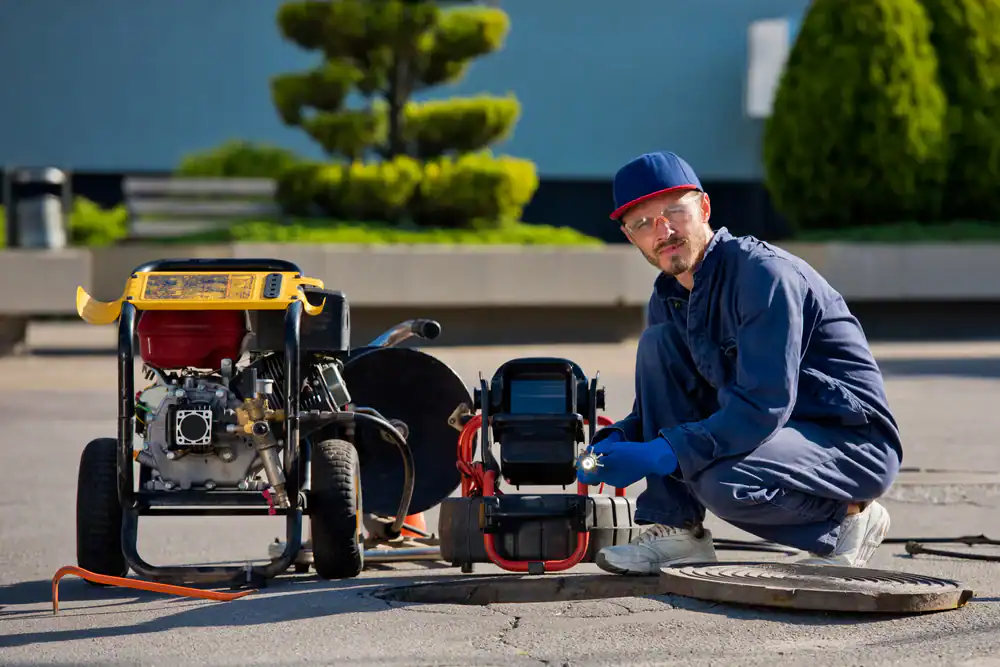
You shouldn’t have to guess what’s wrong with your sewer system. A camera inspection shows you the actual condition of your pipes in real time—blockages, cracks, root intrusions, whatever’s there. No excavation required.
This matters because most sewer problems get worse when they’re ignored or misdiagnosed. You end up paying for repairs you didn’t need, or missing issues that could’ve been caught early. With video footage, you see what we see. That means you can make decisions based on facts, not estimates.
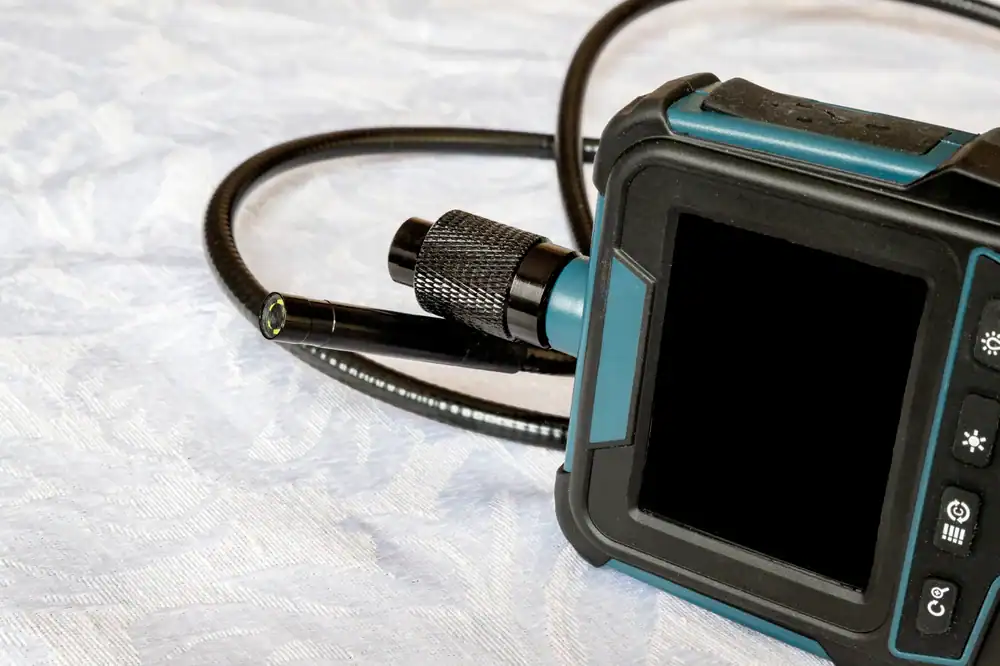
The inspection itself is quick and clean. A high-resolution camera travels through your pipes on a flexible line, recording everything along the way. You get a full assessment of your system’s condition, and if there’s a problem, you know exactly where it is and how serious it actually is. That’s how you avoid unnecessary work and focus your money where it counts.
We’ve been handling cesspool and septic work across Long Island for nearly two decades, with roots going back four generations. That kind of longevity doesn’t happen by accident—it comes from doing the work right and showing up when we say we will.
Amagansett properties come with their own challenges. You’ve got older systems, coastal soil conditions, and strict Suffolk County regulations around nitrogen removal and Water Protection Districts. We’ve worked in this area long enough to know what to look for and how to document it properly.
We’re licensed, insured, and we use current technology because it gives better results. You’re not getting outdated equipment or guesswork. You’re getting a clear picture of what’s happening underground, and straight answers about what to do next.
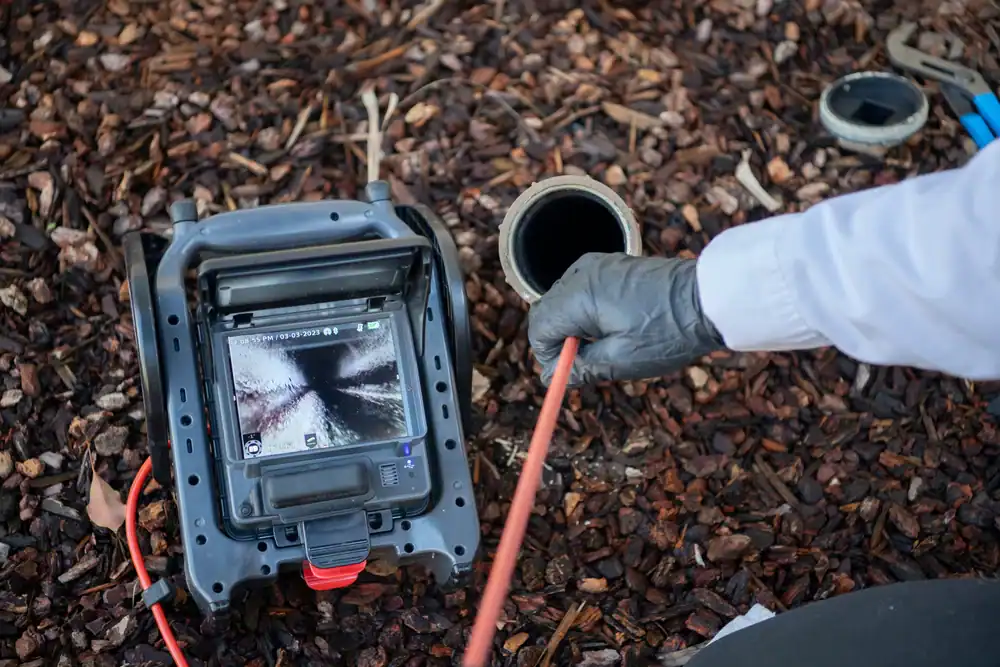
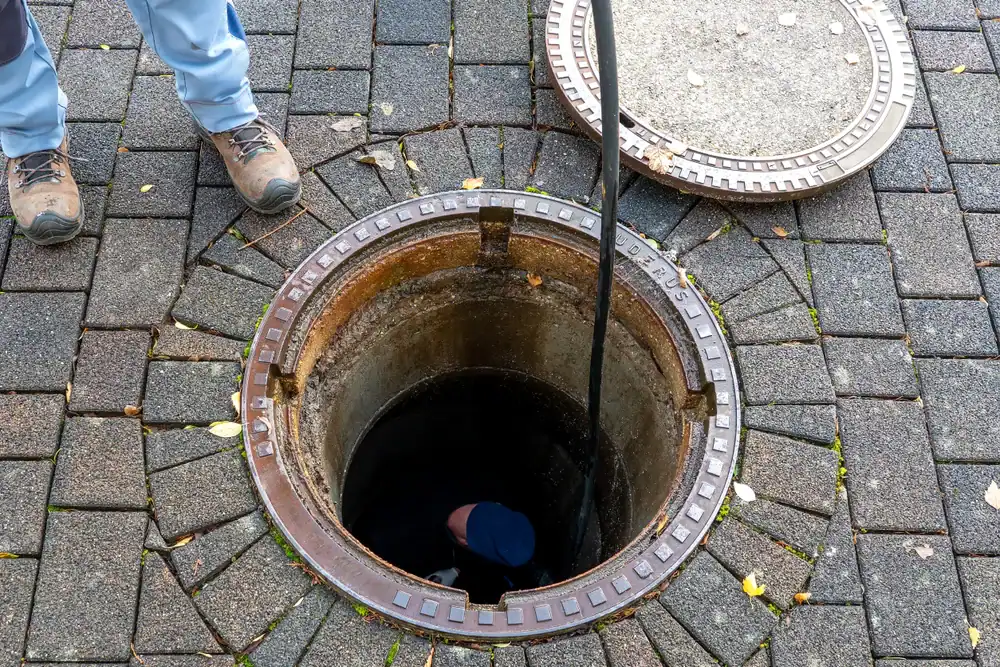
The process starts with locating your cleanout access point—that’s where the camera enters your sewer line. From there, we feed a waterproof camera attached to a flexible cable through your pipes. The camera has its own lighting and records high-definition video as it moves through the system.
You can watch the feed in real time if you want. We’ll walk you through what you’re seeing—whether that’s normal wear, a developing clog, tree roots breaking through, or cracks that need attention. The camera can navigate bends and inspect pipes ranging from 2 to 36 inches in diameter.
Once the inspection is complete, you get a recorded copy of the footage with time stamps. If there are issues, we’ll show you exactly where they are in the line and explain what’s causing them. That documentation is useful for planning repairs, getting permits, or providing records during a property transaction. The whole process typically takes less than an hour, and there’s no digging involved unless repairs are actually needed.
Ready to get started?
A camera inspection gives you a complete view of your sewer line’s condition. You’ll see blockages, corrosion, misaligned joints, root intrusions, and any structural damage that’s developed over time. The video captures it all, so there’s no mystery about what’s going on underground.
In Amagansett, this matters more than you might think. With over 12,500 parcels in the Town of East Hampton still using older cesspools and 32% of developed properties sitting in the Water Protection District, the pressure to maintain and upgrade systems is real. A camera inspection gives you documentation that’s useful for compliance, insurance claims, and pre-sale disclosures.
You also get digital footage and a written assessment. That means you’re not relying on memory or verbal explanations when it’s time to make decisions. If you need to bring in another contractor for repairs, or if you’re dealing with the health department, you have proof of what’s actually happening in your system. And if the inspection shows everything’s fine, you have peace of mind without spending money on unnecessary fixes.
This is especially helpful before buying or selling property. Sewer issues can kill deals or lead to surprise expenses after closing. Knowing the condition of the lines ahead of time keeps everyone on the same page.
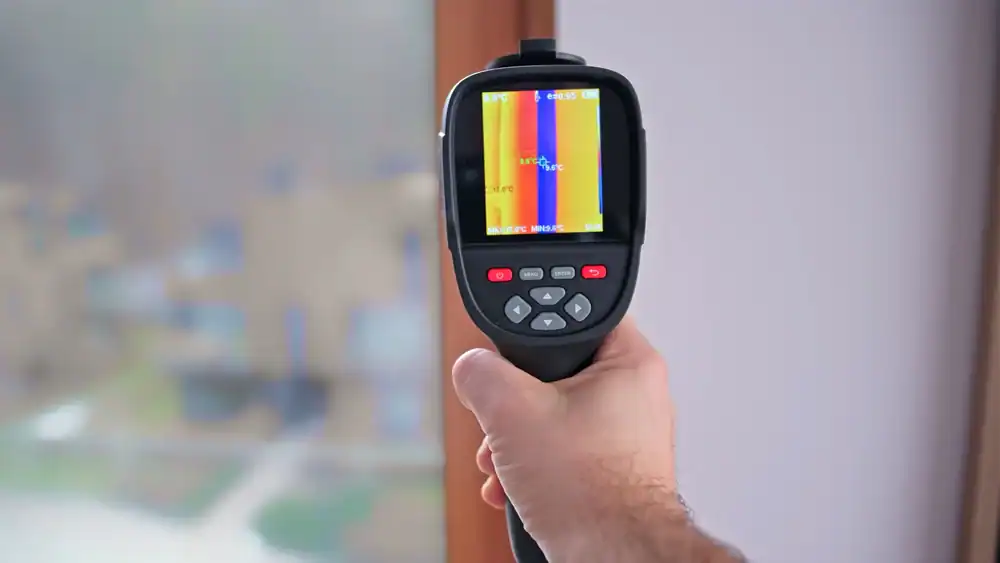
The cost depends on the size of your property and how much of the system needs to be inspected, but most residential camera inspections fall in a predictable range. You’re typically looking at a few hundred dollars for a standard inspection of a single sewer line.
That might sound like an unnecessary expense if nothing’s obviously wrong, but compare it to the cost of digging up your yard to find a problem—or worse, dealing with a backup during a holiday weekend when emergency rates kick in. The inspection pays for itself if it catches even one issue early.
Some companies will include a camera inspection as part of a service call if you’re already dealing with a slow drain or backup. Others charge separately. Either way, ask for a clear price upfront and make sure you’re getting recorded footage, not just a verbal report. The video is what makes the service worth it.
A camera inspection is excellent for identifying visible issues inside the pipe—cracks, blockages, root intrusions, corrosion, and misaligned sections. It shows you the interior condition of the line in detail, which covers the majority of common sewer problems.
What it won’t do is detect issues outside the pipe, like soil erosion around the line or groundwater infiltration that hasn’t yet caused visible damage inside. It also won’t tell you the structural integrity of a pipe that looks fine on camera but might be weakened. For those situations, you’d need additional testing or a pressure test.
That said, most problems homeowners deal with—clogs, root damage, aging pipe material—show up clearly on video. If you’re experiencing slow drains, gurgling sounds, or sewage odors, a camera inspection will usually find the cause. And if the camera doesn’t reveal anything, that’s useful information too. It tells you the problem is likely elsewhere in your plumbing system, which saves you from unnecessary sewer line repairs.
Not much. We need access to your sewer cleanout, which is usually a capped pipe in your yard or basement. If you know where it is, that speeds things up. If you don’t, we can locate it.
You don’t need to clear your drains or do anything special beforehand. In fact, if you’re having the inspection done because of a suspected clog, don’t try to fix it yourself first. The camera needs to see the problem in its current state to give an accurate diagnosis.
The inspection itself doesn’t require you to be home the entire time, but it’s helpful to be available at the start and end. That way, you can ask questions while looking at the footage and understand what’s being recommended. If the inspection is part of a real estate transaction, your agent or inspector might want to be present too. Just coordinate that ahead of time so everyone’s on the same schedule.
Most residential inspections take 30 to 60 minutes, depending on the length of your sewer line and how many access points need to be checked. If your system is straightforward and there are no major blockages slowing down the camera, it’s usually on the shorter end.
If the camera encounters a significant clog or damage that makes it hard to move through the pipe, the inspection might take a bit longer. In some cases, we’ll need to clear part of the line first before continuing with the camera. That’s not common, but it happens.
The time also includes reviewing the footage with you and explaining what was found. If you want a detailed walkthrough of every section of pipe, plan for the longer end of that range. If you just want the highlights and the final report, it goes faster. Either way, it’s not an all-day process. You’re not losing your whole morning or afternoon to this.
No. The camera is designed to move through your pipes without causing any harm. It’s mounted on a flexible, semi-rigid cable that can navigate bends and turns without scraping or damaging the interior of the line. The camera head is smooth and waterproof, built specifically for this kind of work.
There’s no digging required unless the inspection reveals a problem that needs repair. The camera enters through an existing cleanout access point, so your lawn, driveway, and landscaping stay intact. That’s one of the main reasons people choose video inspection over older methods that required excavation just to see what was going on.
In rare cases, if a pipe is already severely damaged or on the verge of collapse, the movement of the camera could dislodge loose material. But that’s not the camera causing damage—it’s revealing damage that was already there and about to become a bigger problem. If anything, finding that ahead of time prevents a sudden failure that would’ve been much worse to deal with.
If you’re experiencing slow drains, frequent backups, or foul odors coming from your drains, that’s a clear sign something’s wrong and a camera inspection will show you what. Waiting usually makes the problem worse and more expensive to fix.
You should also consider an inspection if you’re buying or selling a home in Amagansett. Sewer line issues are one of the most common surprises during real estate transactions, and they can derail a sale or lead to costly post-closing repairs. An inspection gives both parties clarity and prevents disputes later.
Even if nothing seems wrong, it’s smart to inspect older systems every few years—especially if your property has mature trees near the sewer line or if you’re in an area with aging infrastructure. Root intrusion and pipe deterioration happen gradually, and catching them early means you can plan repairs on your schedule instead of dealing with an emergency. For properties in Suffolk County’s Water Protection District, regular inspections also help you stay ahead of compliance requirements and avoid penalties.
Other Services we provide in Amagansett