
Hear from Our Customers
You can’t see what’s happening underground. That’s the problem with septic systems, cesspools, and sewer lines—by the time you notice slow drains or soggy spots in the yard, the damage is already done.
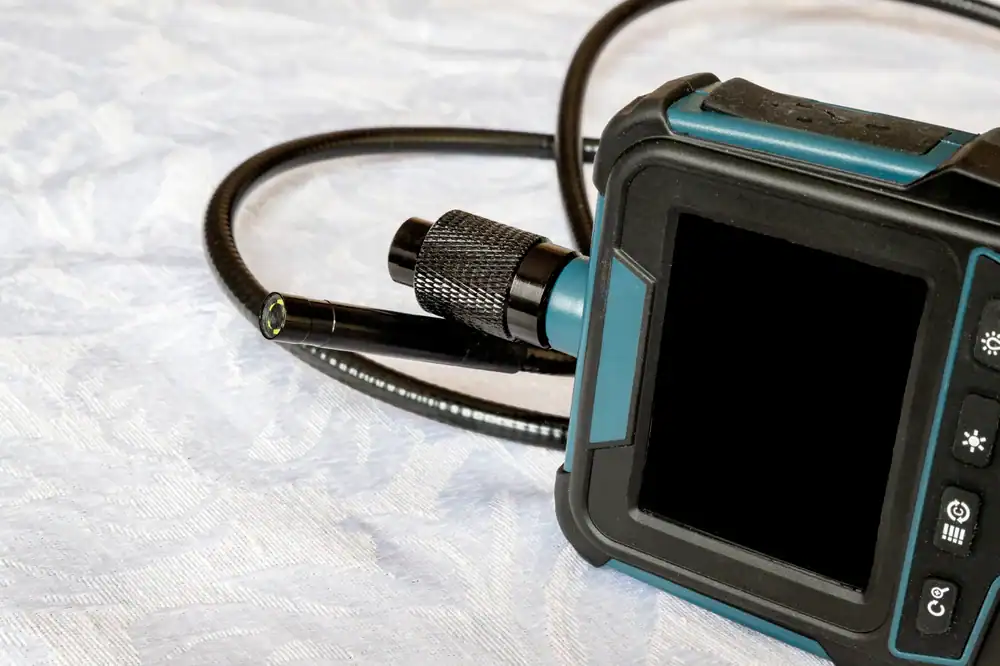
A camera inspection changes that. We send a high-definition camera through your pipes and show you what’s actually going on in real time. Cracks, clogs, root intrusion, collapsed sections—you see it all on screen, exactly where it’s located.
No exploratory digging. No guessing about whether you need a repair or a full replacement. Just clear footage that tells you what needs fixing and what doesn’t. That’s how you make informed decisions instead of expensive ones.
Quality Cesspool has been handling septic systems and cesspools across Amityville, NY for years. We know how most homes here are built, what systems they’re running, and what tends to go wrong.
Most Suffolk County properties rely on septic systems or cesspools, not municipal sewer. That means regular inspections aren’t optional—they’re how you avoid backups, overflows, and emergency repairs that cost thousands. We use the same camera technology whether you’re buying a home, selling one, or just trying to figure out why your drains are acting up.
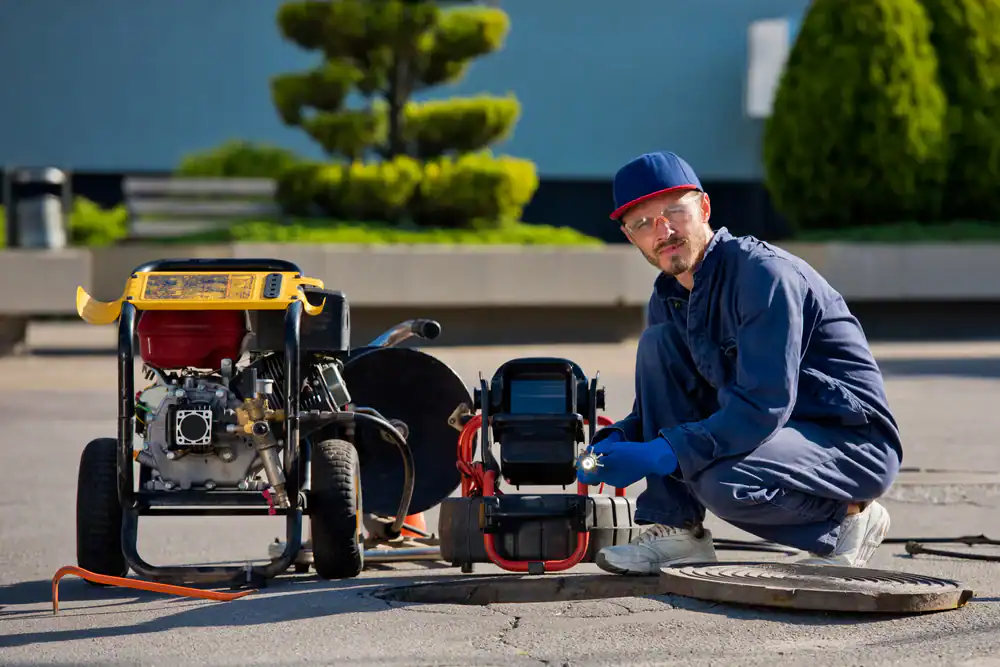
Licensed, insured, and equipped with the tools to give you honest answers. No upselling, no scare tactics—just straightforward information about what’s happening below ground.
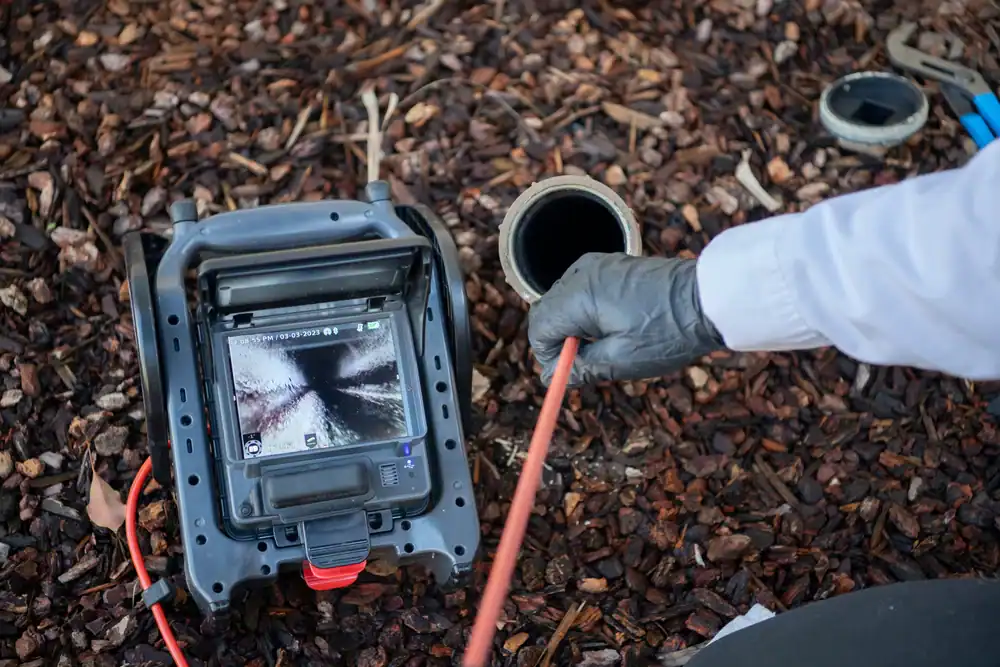
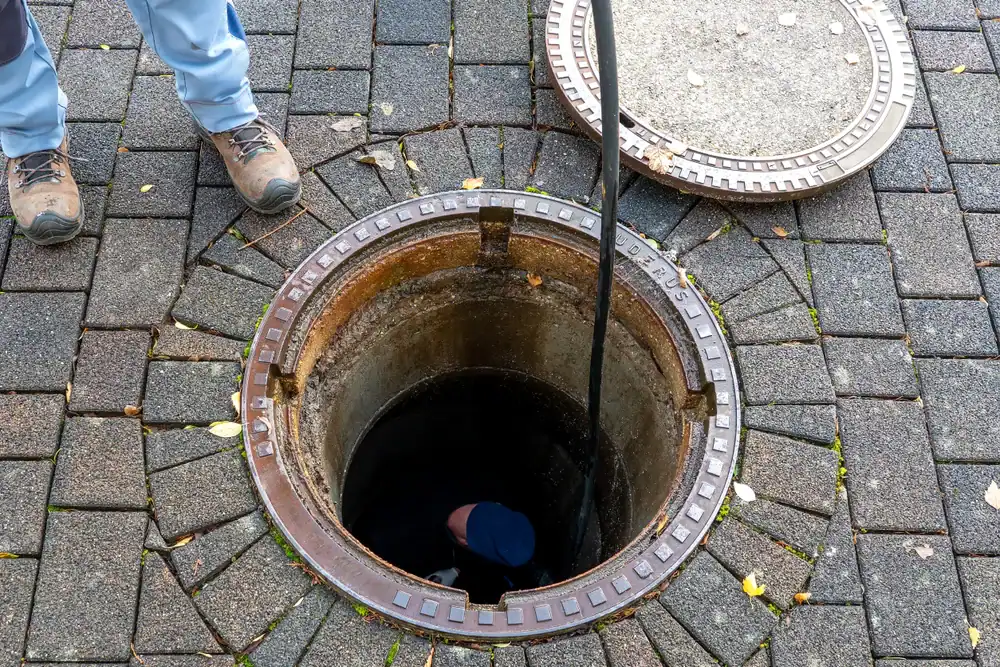
We start by accessing your sewer line or cesspool system through an existing cleanout or access point. A flexible cable with a waterproof camera on the end gets fed through your pipes. The camera sends live footage back to a monitor so you can watch along with us.
As the camera moves through, we’re looking for clogs, cracks, root intrusion, pipe corrosion, and any structural issues. The camera can navigate bends and branches, and it covers the full diameter of most residential and commercial pipes. We also use locating equipment to pinpoint exactly where problems are without tearing up your property.
The whole process takes 30 to 60 minutes depending on your system size. You get a recorded copy of the footage on DVD, and we walk you through what we found. If repairs are needed, we’ll explain what’s required and why. If everything looks good, you’ll have documentation proving your system’s condition—useful for real estate transactions or just peace of mind.
Ready to get started?
You get digital footage of your entire system and a clear explanation of what’s happening inside your pipes. We identify the location and severity of any issues—whether that’s a partial blockage, a crack that’s letting groundwater in, or tree roots breaking through joints.
In Amityville, most septic and cesspool problems come from age and tree roots. Older systems weren’t built to last forever, and the mature trees common in residential neighborhoods here send roots straight toward water sources. A camera inspection catches these issues early, when a targeted repair can fix the problem instead of waiting until the whole line fails.
If you’re buying or selling property, we provide the documentation lenders and inspectors often require. Many real estate transactions in Suffolk County now include video inspections as part of the closing process, especially for older homes. We handle cesspool certifications with or without dye testing, depending on what’s needed.
You also get a professional assessment of how much life your system has left. That’s not something you can guess from the surface, but it’s critical information if you’re planning to stay in your home long-term or negotiating a property purchase.
Most residential camera inspections in Amityville run between $300 and $500, depending on your system size and accessibility. That includes the inspection itself, live footage review, and a recorded copy of the video.
If you’re already scheduling a septic pumping or repair, some companies will bundle the inspection at a reduced rate. It’s worth asking about when you call. The cost is minimal compared to what you’d spend on unnecessary excavation or misdiagnosing a problem.
For real estate transactions, the inspection cost is usually negotiated between buyer and seller. Either way, it’s a small investment for the information you get—especially if it reveals a problem before closing or confirms the system is in good shape.
Get one if you’re experiencing slow drains, gurgling sounds, sewage odors, or wet spots in your yard. Those are signs something’s wrong, and a camera inspection shows you exactly what and where.
You should also get an inspection before buying a home in Amityville. Standard home inspections don’t include sewer line evaluation, and septic repairs can cost tens of thousands if the system is failing. A camera inspection gives you leverage to negotiate repairs or adjust the purchase price.
If your system is over 20 years old and you’ve never had it inspected, now’s a good time. Pipes degrade, joints separate, and roots infiltrate over time. Catching those issues early means you can plan for repairs instead of dealing with an emergency backup. Most experts recommend inspections every few years as part of routine maintenance, especially in areas like Suffolk County where septic systems are the norm.
Yes. The camera shows us what’s wrong, and we use locating equipment to pinpoint exactly where that problem is underground. That means we know precisely where to dig if a repair is needed—no guesswork, no tearing up your entire yard.
This is especially useful in Amityville where properties have mature landscaping and established driveways. Targeted excavation saves you money on labor and restoration costs. Instead of digging a trench along your whole sewer line, we go straight to the problem spot.
The locating technology works by transmitting a signal from the camera that we pick up above ground. We mark the spot, measure the depth, and map it out before any digging starts. It’s accurate within inches, which is why camera inspections have become standard practice for any serious pipe repair or replacement work.
A camera inspection shows clogs, cracks, root intrusion, pipe corrosion, collapsed sections, and joint separation. You’ll also see buildup from grease, soap scum, or mineral deposits that restrict flow.
Root intrusion is one of the most common issues we find in Amityville. Tree roots grow into pipes through tiny cracks or loose joints, then expand and block the line. The camera shows exactly where roots have entered and how much damage they’ve caused.
We also catch structural problems like bellied pipes—sections that have sunk and create a low spot where waste collects. Older clay or cast iron pipes often show corrosion or cracks that let groundwater seep in, which overloads your septic system. The camera gives you a complete picture of your pipe’s condition so you know whether you need a simple cleaning, a spot repair, or a full line replacement.
Many lenders now require a video camera inspection as part of the cesspool certification process for real estate closings in Suffolk County. Even if it’s not required, it’s smart to get one before you buy.
A standard home inspection doesn’t evaluate your sewer line or septic system condition. If the system is failing or near the end of its life, you could be looking at a $10,000 to $30,000 replacement shortly after moving in. A camera inspection reveals those issues upfront so you can negotiate repairs or walk away.
If you’re selling, having a recent inspection on hand shows buyers the system is in good shape. It removes uncertainty and can speed up the closing process. We provide the documentation and video footage needed for lenders, inspectors, and title companies. It’s become a routine part of property transactions here, and for good reason—it protects everyone involved.
Most inspections take 30 to 60 minutes from start to finish. That includes setting up, running the camera through your system, reviewing the footage with you, and answering your questions.
The timeline depends on your system size and how much pipe we’re inspecting. A simple sewer line from the house to the street is quicker than a full septic system with multiple distribution lines. If we find a problem, we’ll spend extra time documenting it and explaining what you’re looking at.
You can watch the whole process in real time on the monitor. We’ll point out what we’re seeing as the camera moves through your pipes. At the end, you get a recorded copy of the footage to keep. The inspection itself is non-invasive—no digging, no damage to your property, and minimal disruption to your day.
Other Services we provide in Amityville