
Hear from Our Customers
You stop worrying about backups during family gatherings. Your drains work the way they should, every time you use them.
The grass you spent years growing back stays intact. Your driveway doesn’t get torn apart unnecessarily. The work gets done in hours, not days, because the crew knows exactly where to dig and how deep to go.
You’re not calling someone back six months later because the pitch was wrong or the connection wasn’t sealed properly. The line works because it was installed correctly from the start—proper slope, proper materials, proper backfill. That’s what main waste line replacement should look like when it’s done by people who’ve been doing this for four generations.
We’ve been handling line changes across Amityville and Long Island for over a decade. We’re a family-owned operation—four generations deep—so we learned this work from people who actually cared about doing it right.
We’re licensed and insured, owner-operated, and we show up when we say we will. If it’s an emergency, we’re there within 30 minutes. Most line changes get completed the same day.
Amityville homes—especially the older ones near the water—weren’t all built with perfect drainage in mind. We know the soil conditions here, the common pipe materials you’re dealing with, and what it takes to connect a new line to your cesspool without tearing up half your yard.
First, we figure out exactly where the problem is. That means locating your existing line, checking the cesspool connection, and mapping out the shortest, least disruptive path for the new pipe.
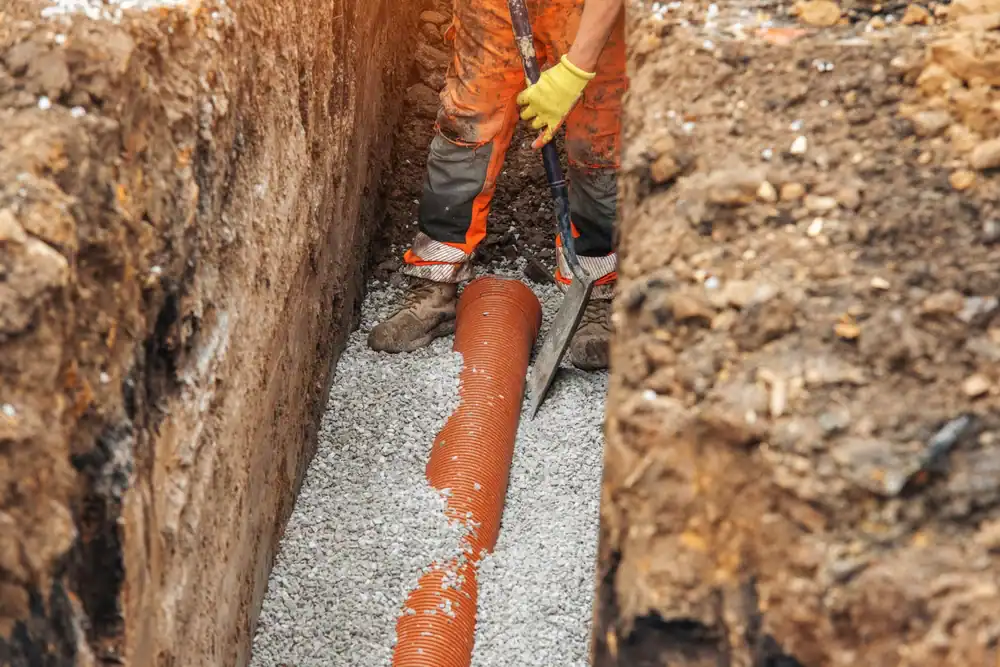
Then comes trenching and excavation. We dig carefully to avoid your landscaping, utilities, and anything else you’d rather not replace. The trench gets dug to the right depth with the correct slope—usually a quarter-inch drop per foot—so gravity does its job and waste actually flows.
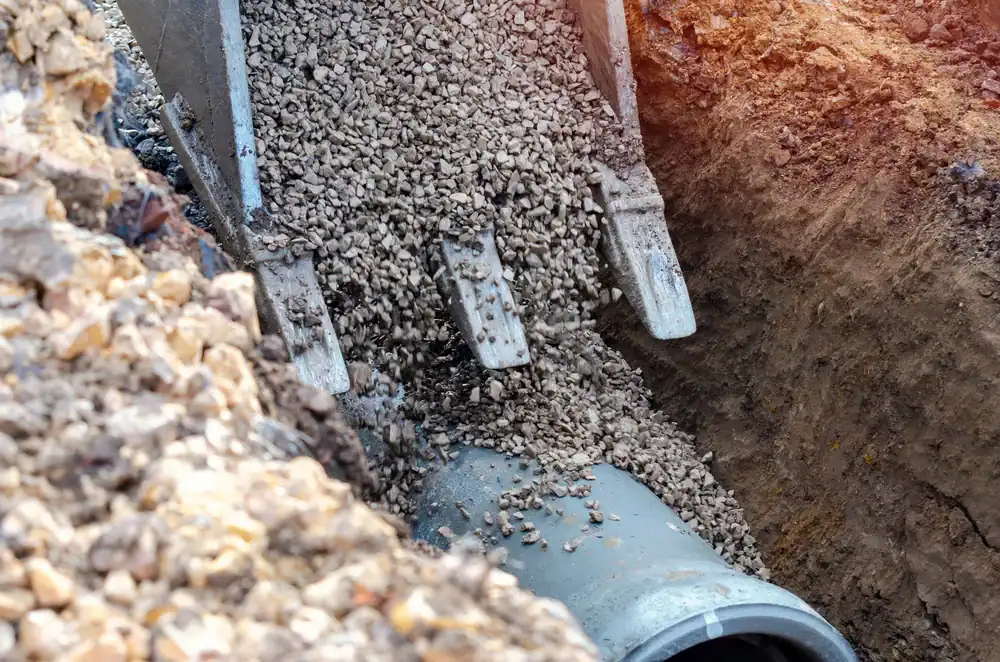
We lay the new pipe, make sure the sewer line to cesspool connection is sealed tight, and backfill the trench properly so you don’t end up with a sunken mess six months later. Before we leave, we test the line to make sure everything drains the way it should. You’ll know it’s done right because it works.
Ready to get started?
You’re getting a waste line that’s installed with the correct pipe pitch and slope so your system drains properly. That’s not optional—it’s the difference between a line that works and one that backs up every few months.
We handle the full scope: excavation, old pipe removal, new line installation, and proper backfill. If your cesspool connection is damaged or outdated, we replace that too. The goal is a complete fix, not a patch job that buys you six months.
In Amityville, a lot of homes still have older clay or cast iron lines that crack and collapse over time. Tree roots are another common issue, especially near older properties with mature landscaping. We see it constantly. A full main waste line replacement eliminates those problems for decades. Most new lines last 50 to 100 years when installed correctly, which is significantly longer than trying to repair a line that’s already failing in multiple spots.
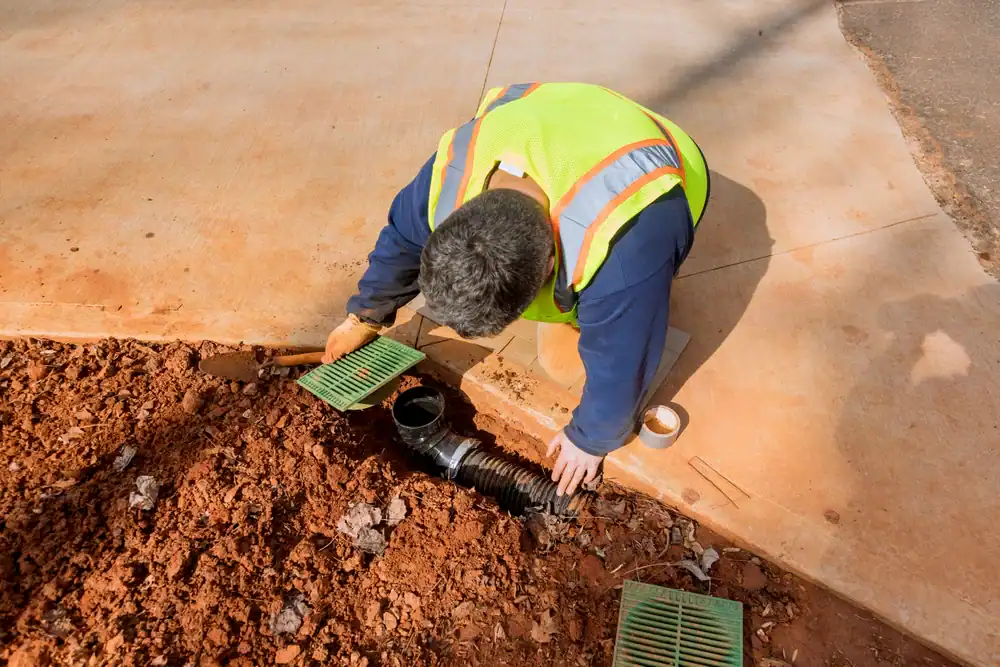
If you’re dealing with frequent backups, multiple clogs in different drains, or slow drainage throughout the house, that’s usually a sign the line itself is compromised. A single clog can often be cleared, but when the problem keeps coming back, it’s typically because the pipe is cracked, collapsed, or full of root intrusion.
We can run a camera line to show you exactly what’s happening inside the pipe. If there’s one isolated issue, a repair might handle it. But if we’re seeing cracks along several feet of pipe, or the line has lost its slope due to settling, replacement is the smarter move.
Trying to patch a failing line usually just delays the inevitable. You end up paying for multiple service calls and still replacing the line later anyway.
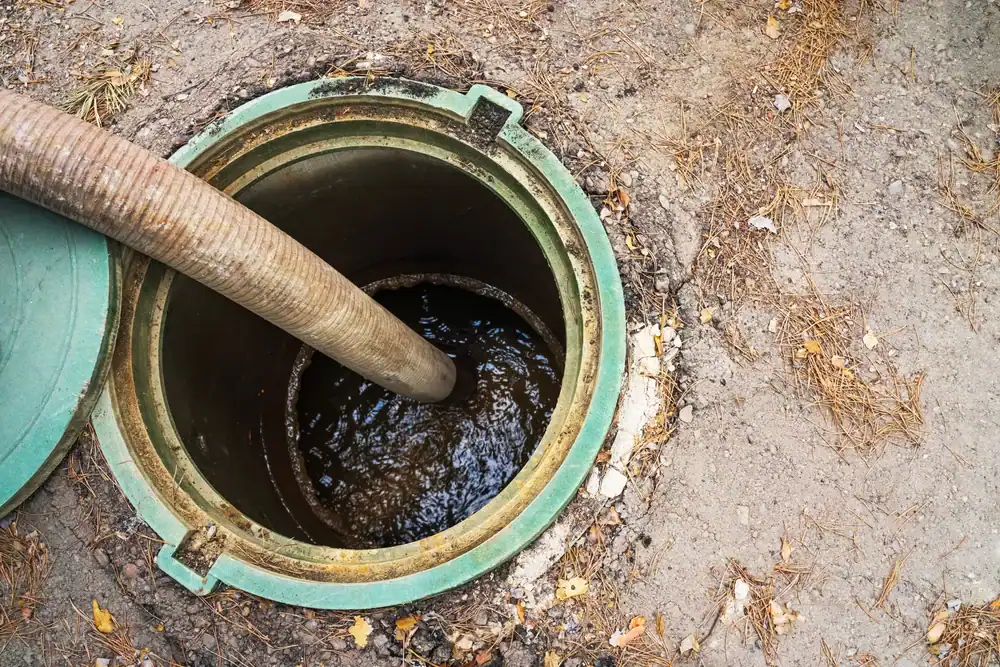
The connection point is where your sewer line meets the cesspool inlet. If that connection is leaking, cracked, or improperly sealed, you’ll get backups, slow drainage, or even groundwater seeping into your system.
When we replace a line, we inspect that connection carefully. If it’s damaged, we cut it out and install a new sealed fitting that prevents leaks. The connection has to be watertight and installed at the right angle so waste flows into the cesspool without obstruction.
A lot of older Amityville homes have connections that were never sealed properly to begin with, or they’ve deteriorated over 30-40 years. Replacing the line gives us the chance to fix that connection the right way so you’re not dealing with the same problem again in a few years.
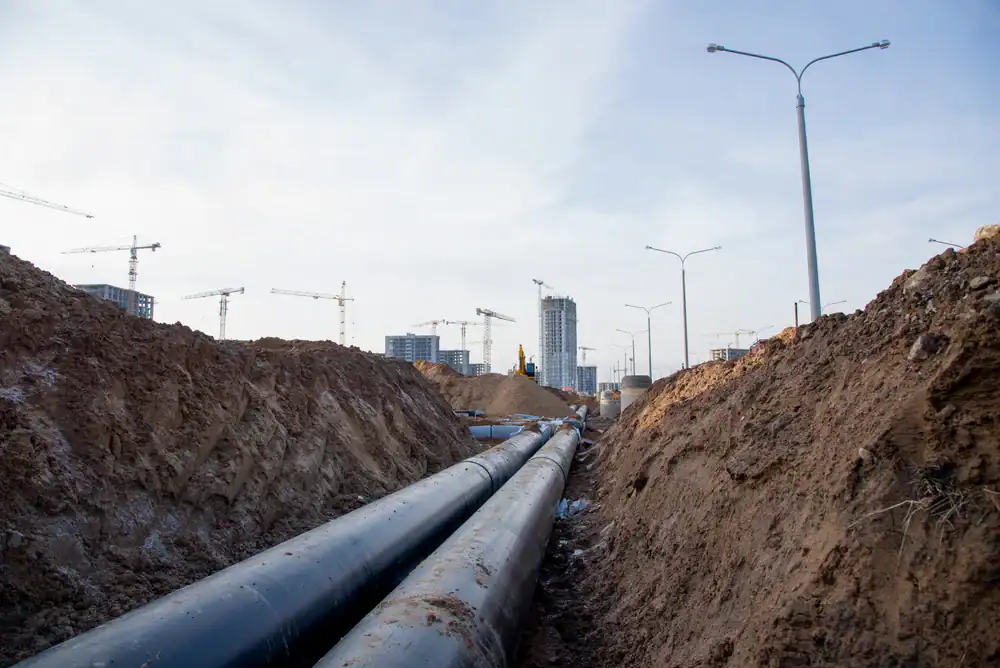
That depends on where your cesspool is located and how far the line runs from your house. We dig the most direct route possible to minimize disruption, and we’re careful around landscaping, driveways, and anything else you’d rather not disturb.
Most trenches are about 18 to 24 inches wide and run from your house to the cesspool. If your line is 30 feet, that’s what we’re digging. If it’s 60 feet, it’s more, but we’re not tearing up areas we don’t need to access.
Once the line is in and backfilled, the trench settles within a few weeks. You can reseed or replant right away. We’ve done hundreds of these jobs across Long Island, and most homeowners are surprised at how little disruption there actually is when the work is done correctly.
Most line changes are completed in one day, assuming there are no surprises underground. We show up, locate the existing line, excavate, install the new pipe, backfill, and test everything before we leave.
If we run into unexpected issues—like a collapsed section that’s deeper than anticipated, or utility lines that weren’t marked correctly—it might take a bit longer. But that’s rare, and we’ll let you know right away if something’s going to push the timeline.
Emergency jobs get prioritized. If your line has completely failed and you can’t use your drains, we treat that as urgent and get a crew out within 30 minutes. Even in those situations, we’re usually done the same day.
Gravity moves waste through your sewer line. If the pipe is too flat, waste sits in the line and causes clogs. If it’s too steep, liquids flow faster than solids, and you end up with buildup that blocks the pipe over time.
The standard is a quarter-inch of drop for every foot of pipe. That’s enough slope to keep everything moving without creating problems. It sounds simple, but it requires precise excavation and careful installation, especially over longer runs.
We see a lot of DIY jobs and poorly done contractor work where the slope is inconsistent or nonexistent. Those lines fail quickly. When we install a new line, we use a level and measure the trench grade before the pipe even goes in. That’s how you avoid backups and keep the system working for decades.
Tree roots are one of the most common causes of line failure, especially in older Amityville neighborhoods with mature trees. Roots grow into cracks or joints in the pipe, then expand and break the line apart from the inside.
If roots have infiltrated your line, clearing them out temporarily might restore flow, but they’ll grow back unless you replace the damaged section. When we install a new line, we use solid pipe with sealed joints that roots can’t penetrate.
We also route the new line away from large trees when possible. If that’s not an option, we can install root barriers or use pipe materials that are more resistant to intrusion. The goal is a permanent fix, not something you’ll be dealing with again in two years.
Other Services we provide in Amityville