
Hear from Our Customers
You’re not flushing properly. Your drains are slow. Something’s wrong, but you don’t know what or where.
That’s the frustrating part. Without seeing inside your pipes, you’re stuck guessing. And guessing leads to digging up the wrong section of your yard, replacing parts that didn’t need replacing, or paying for a repair that doesn’t solve anything.
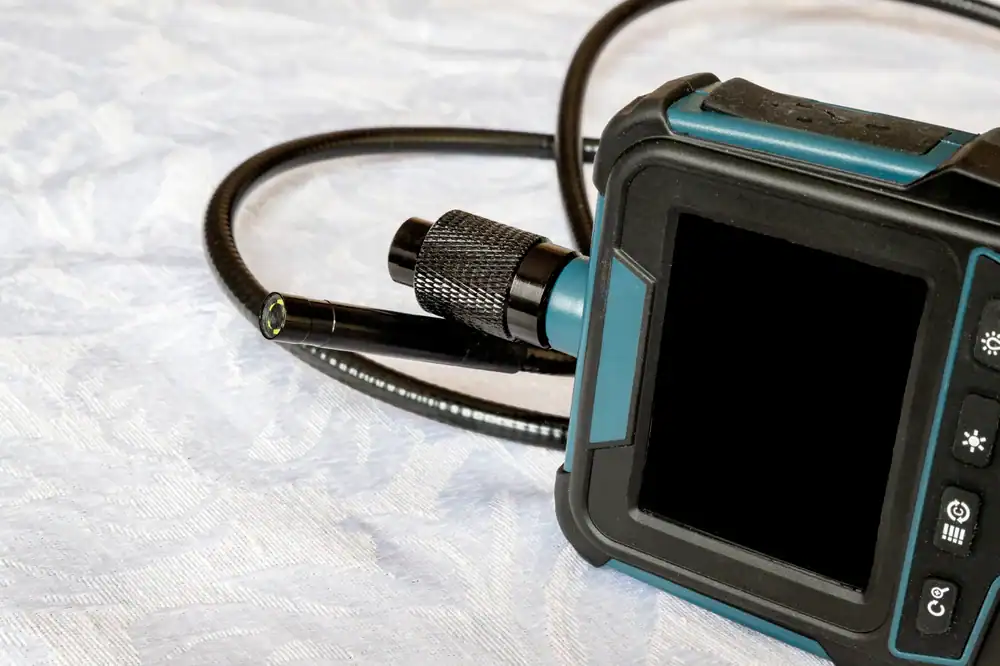
A sewer line video inspection changes that. We feed a small waterproof camera through your cesspool or drain line and you see everything—live footage of what’s blocking flow, where roots broke through, or how bad that crack really is. The camera has a transmitter that pinpoints location down to the foot. When we spot the problem, we know exactly where to go.
That precision saves you money. It turns a $15,000 emergency into a $2,500 planned repair because we’re not tearing up your driveway hoping to find the issue. We already found it.
We’ve been handling cesspool and septic work in Baiting Hollow, NY for more than ten years. We know the soil conditions here. We know how old systems behave in Suffolk County, and we know what tends to fail first.
Most cesspools in this area were installed decades ago. Brick and concrete don’t last forever, especially when tree roots are aggressive and the ground shifts. A camera inspection shows you if your system is holding up or starting to fall apart before it becomes a health hazard or a code violation.
We’re not the cheapest option. But you’re paying for accuracy, not trial and error. You get documentation, real-time footage, and a repair plan based on what we actually see—not what we think might be wrong.
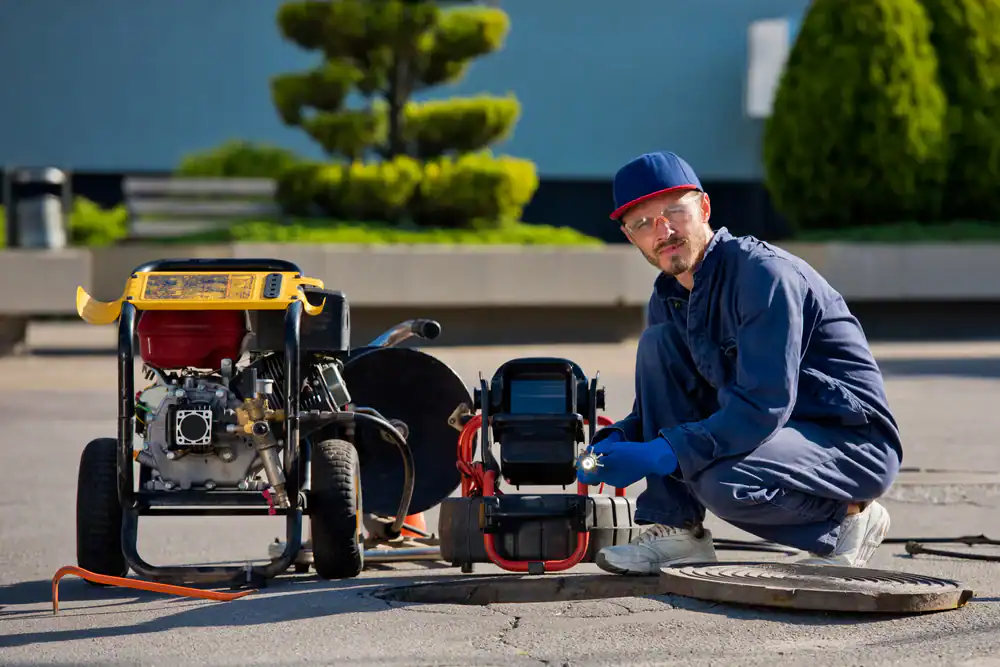
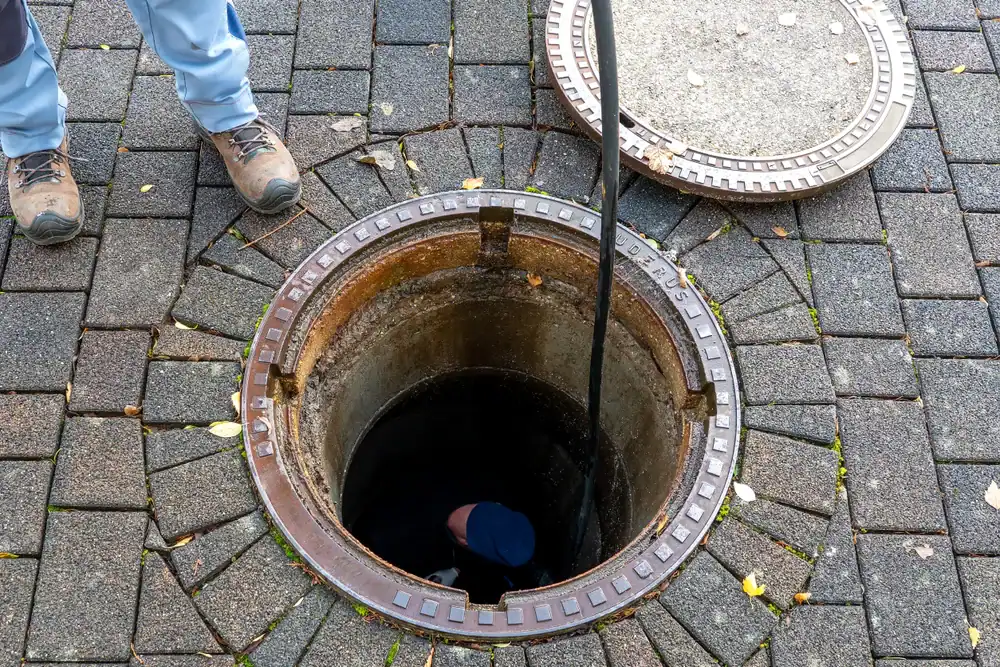
We start by accessing your cesspool or sewer line through an existing cleanout or entry point. No digging required at this stage.
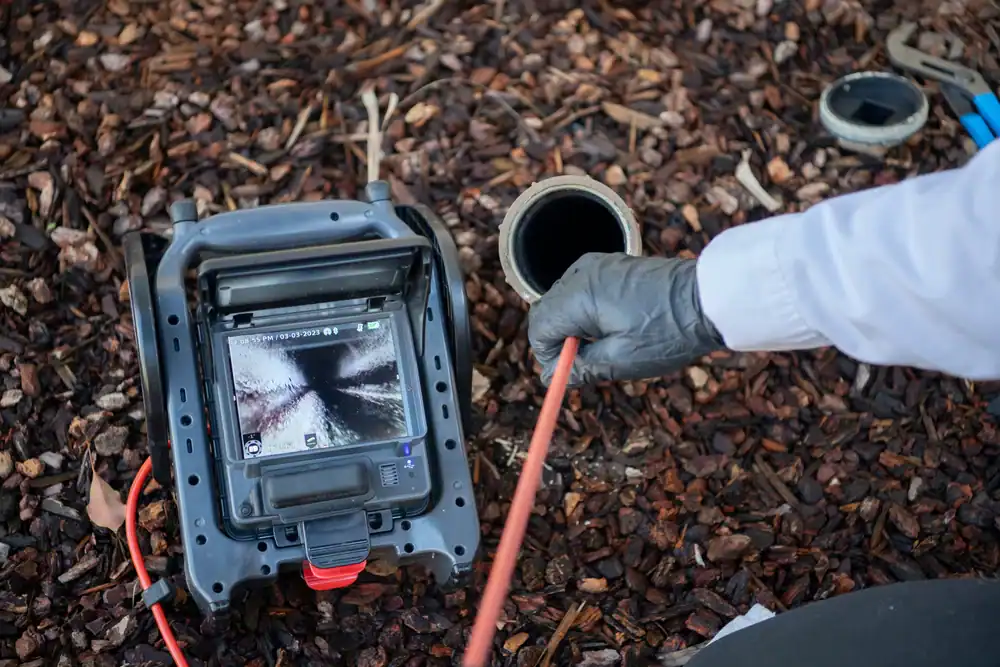
Then we feed a flexible cable with a waterproof camera attached into the line. The camera sends live video back to a monitor so you can watch along with us. The cable can reach hundreds of feet if needed, which means we can inspect your entire system without turning your property into a construction zone.
As the camera moves through, we’re looking for cracks, blockages, root intrusion, pipe collapse, or any sign of deterioration. The built-in transmitter tracks the camera’s exact location underground. When we find something, we mark it—down to the foot.
The whole process takes about 20 to 40 minutes depending on your system size. You get recorded digital footage and a clear explanation of what we found. If there’s a problem, we’ll tell you where it is, what caused it, and what it’ll take to fix it. If everything looks fine, you have documentation and peace of mind.
Ready to get started?
You get live video of the inside of your pipes. Not a guess, not a theory—actual footage showing what’s blocking flow or causing backups.
You get precise location data. If there’s a crack 40 feet from your house under the driveway, we know exactly where it is. That means targeted repairs instead of exploratory digging.
You get recorded digital footage and reporting. Keep it for your records, show it to another contractor if you want a second opinion, or use it for insurance claims or real estate transactions. Some lenders require video documentation for closings in Suffolk County, and we provide that.
This is especially useful in Baiting Hollow, NY where so many properties have older cesspools. Suffolk County regulations changed in 2019—you can’t replace a failed cesspool with another cesspool anymore. You have to upgrade to a modern septic system. A camera inspection shows you the condition of your current system so you can plan ahead instead of scrambling when it fails during a sale or after a heavy rain.
Early detection saves money. A $300 inspection can prevent a $10,000 emergency. It’s not dramatic—it’s just smart maintenance.
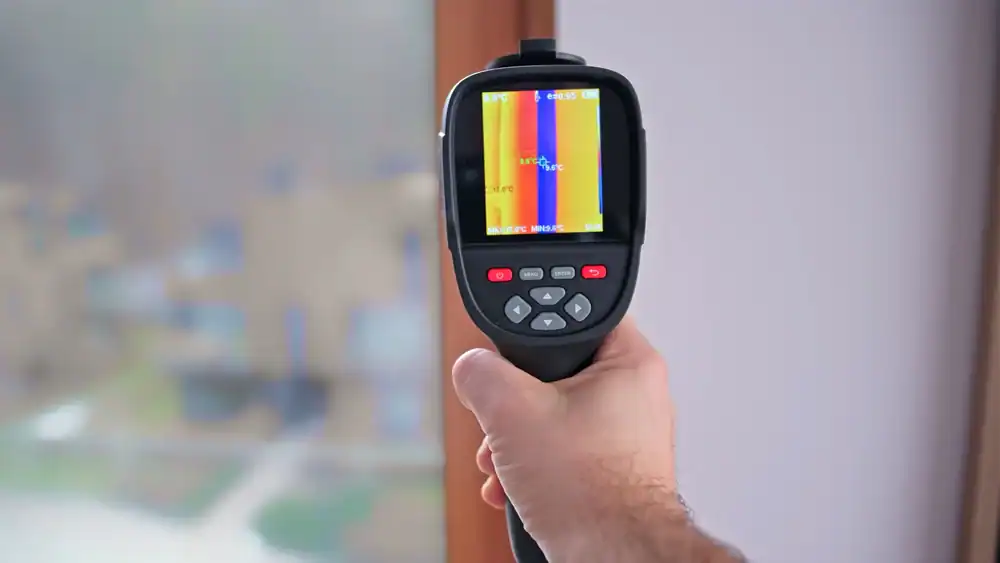
A standard camera inspection in Suffolk County typically runs between $200 and $400, depending on how complex your system is and how much line we need to inspect.
If you have a straightforward residential cesspool with accessible cleanouts, you’re looking at the lower end. If your property has multiple lines, limited access points, or an older system that requires more careful navigation, it might cost a bit more.
Compare that to what happens without an inspection. Emergency cesspool repairs start around $3,000 and quickly climb past $10,000 when you’re replacing pipes or dealing with extensive damage. Spending a few hundred dollars to know what you’re dealing with before it becomes an emergency is a pretty straightforward decision.
Tree root intrusion is the big one. Roots grow toward water, and your sewer line is a constant water source. They work their way into joints and cracks, then expand until they completely block flow. The camera shows you exactly where roots invaded and how bad the blockage is.
We also catch cracks and breaks in the pipe itself. Older concrete and clay pipes deteriorate over time, especially in Suffolk County where ground shifts and freeze-thaw cycles take their toll. A crack might not cause problems immediately, but it will eventually—and it’s better to know about it now.
Bellied or sagging pipes show up clearly on camera. When a section of pipe sinks lower than the rest, water and waste pool there instead of flowing through. That leads to chronic clogs and backups. Collapsed pipes, grease buildup, and foreign objects that got flushed and stuck—we find all of it.
If the house has a cesspool or septic system, yes. You want to know what you’re buying before you own it.
A standard home inspection doesn’t include a detailed look at what’s happening inside your sewer lines. The inspector might run water and check for obvious backups, but they’re not seeing cracks, root damage, or a system that’s six months away from failure.
In Suffolk County, this matters even more because of the 2019 regulation change. If that cesspool fails after you close, you can’t just replace it with another cesspool. You’re looking at a full septic system upgrade that can cost $15,000 to $30,000 or more. A camera inspection before you buy gives you leverage to negotiate the price or require the seller to handle repairs. It also gives you a realistic picture of what you’re walking into.
Most residential camera inspections take between 20 and 40 minutes. That includes setup, running the camera through your lines, reviewing footage, and explaining what we found.
If you have a larger property with multiple sewer lines or a more complex system, it might take a bit longer. If there’s a significant blockage that slows the camera’s progress, we’ll work carefully to get a complete view without damaging the equipment or your pipes.
You don’t need to do anything to prepare. We handle access through existing cleanouts or entry points. Once we’re done, you’ll have a clear answer about what’s going on underground and what—if anything—needs attention.
No. The camera is small, flexible, and designed specifically for this purpose. It moves through your pipes without scraping, forcing, or putting pressure on weak points.
If we encounter a blockage or a section that’s too damaged to pass through safely, we stop. We’re not going to push through and risk making things worse. At that point, we already have enough footage to show you where the problem is and what’s causing it.
The whole process is non-invasive. There’s no digging, no dismantling, and no risk to your property. That’s the entire point—getting answers without destruction.
We show you exactly what we found, where it is, and what it means for your system. You’ll see the footage yourself, so there’s no confusion about what needs fixing.
Then we give you options. If it’s a localized clog, we might be able to clear it the same day. If it’s root intrusion, we’ll explain whether you need a spot repair or a larger section of pipe replaced. If your cesspool is deteriorating and close to failure, we’ll talk about what a full system upgrade looks like and what Suffolk County requires.
You’re not locked into anything. You get the information, a clear cost estimate, and time to decide how you want to move forward. Some people fix it right away. Others plan it for later in the year. Either way, you’re making decisions based on real data instead of hoping for the best.
Other Services we provide in Baiting Hollow