
Hear from Our Customers
Your drains clear fast. Your toilets flush without hesitation. You stop worrying about backups every time someone runs water.
That’s what proper line changes do. When your main waste line or sewer line to cesspool connection gets replaced correctly, everything downstream works the way it should. No more slow drains. No more gurgling sounds. No more standing water in your yard.
Most homes in Baiting Hollow sit on cesspool systems that have been in the ground for decades. The pipes connecting your house to that cesspool weren’t meant to last forever. When they crack, collapse, or lose their pitch, you get backups and pipe failure that won’t fix themselves. Replacing those lines means digging, yes—but it also means you’re done dealing with the same problem over and over.
The difference between a temporary fix and actual line changes comes down to whether the new pipe gets installed at the right slope, in the right material, with the right connections. Get that wrong and you’re back where you started in a year or two.
We’ve been maintaining and repairing cesspool systems in Baiting Hollow, NY for over a decade. We know the soil conditions here. We know how deep the water table sits. We know what happens to old clay pipes in this area.
Most of the homes we work on have the same setup—cesspools installed decades ago with lines that are finally giving out. We’ve replaced hundreds of them. The work isn’t glamorous, but it’s straightforward when you know what you’re doing.
We’re licensed, insured, and we handle the permits. You don’t have to call the town or figure out what paperwork goes where. We take care of that so the job gets done without delays.
First, we figure out where the problem is. Sometimes that means running a camera through your lines to see what’s collapsed, cracked, or sitting at the wrong angle. Other times it’s obvious—sewage backing up into your house makes the location pretty clear.
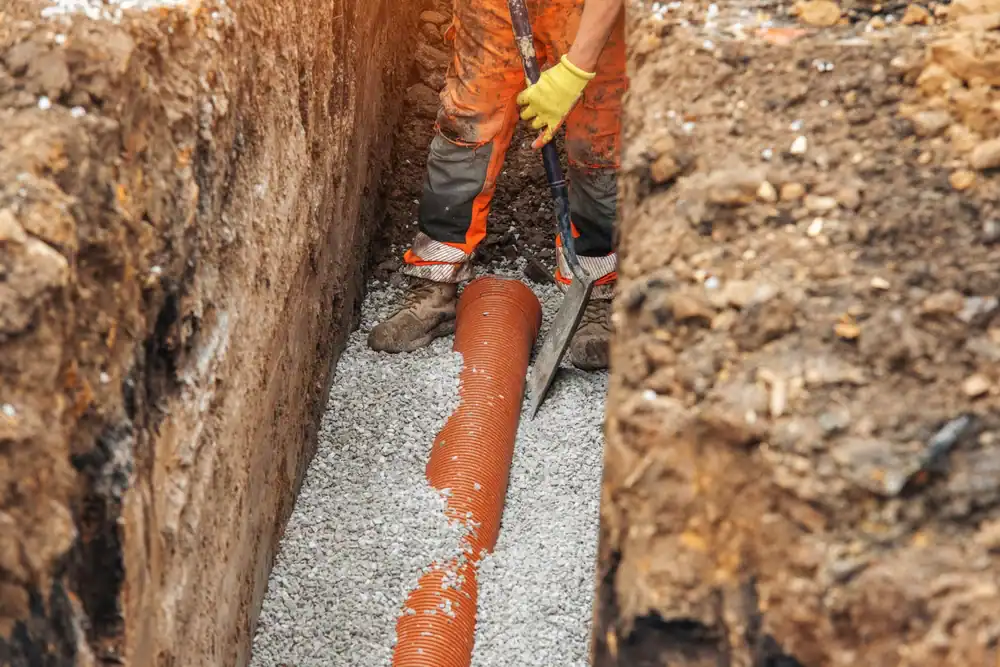
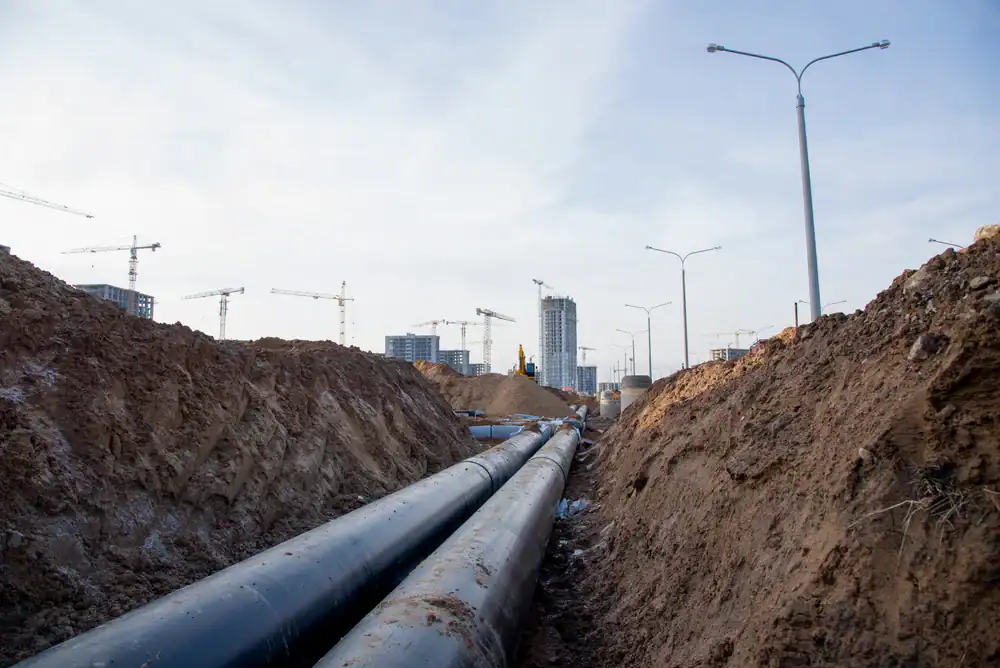
Once we know what needs replacing, we map out the trenching and excavation route. We’re digging from your house to your cesspool, or from your property line to your tank, depending on what’s failing. The trench needs to be deep enough to hit proper pipe pitch and slope—that’s a quarter-inch drop for every foot of pipe. Without that slope, waste doesn’t flow and you’re right back to square one.
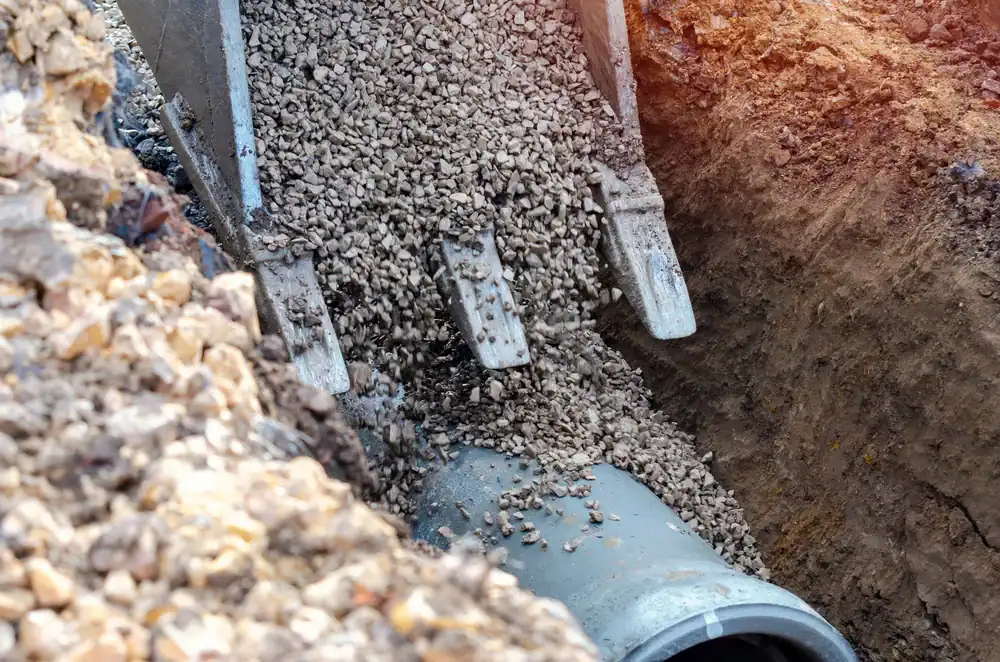
We pull out the old pipe, set the new line at the correct grade, and make sure every connection is sealed. Then we backfill, compact, and restore your yard as close to original as possible. The whole process usually takes a day or two, depending on distance and ground conditions.
You’ll know it’s done right when everything drains fast and stays that way. That’s the standard.
Ready to get started?
Line changes in Baiting Hollow, NY mean we’re replacing the failing section of pipe between your home and your cesspool or septic system. That includes trenching and excavation, removing the old line, installing new pipe at the proper slope, and making sure every connection is watertight.
We handle the permits with the Town of Riverhead. We locate your existing cesspool or tank if it’s not marked. We protect your property during the dig and clean up when we’re done. If we need to cut through a driveway or paved area, we coordinate that too.
The new pipe is PVC or another code-approved material that won’t crack or collapse like the old clay or cast iron you’re replacing. We set it at the right depth to avoid freeze issues and make sure it’s pitched correctly so gravity does its job. Around here, that matters—Suffolk County soil conditions and water tables mean you can’t just eyeball it.
Most line changes also involve inspecting your cesspool while we’re there. If your tank is failing too, you’ll know before we backfill. Better to deal with it all at once than dig up your yard twice.
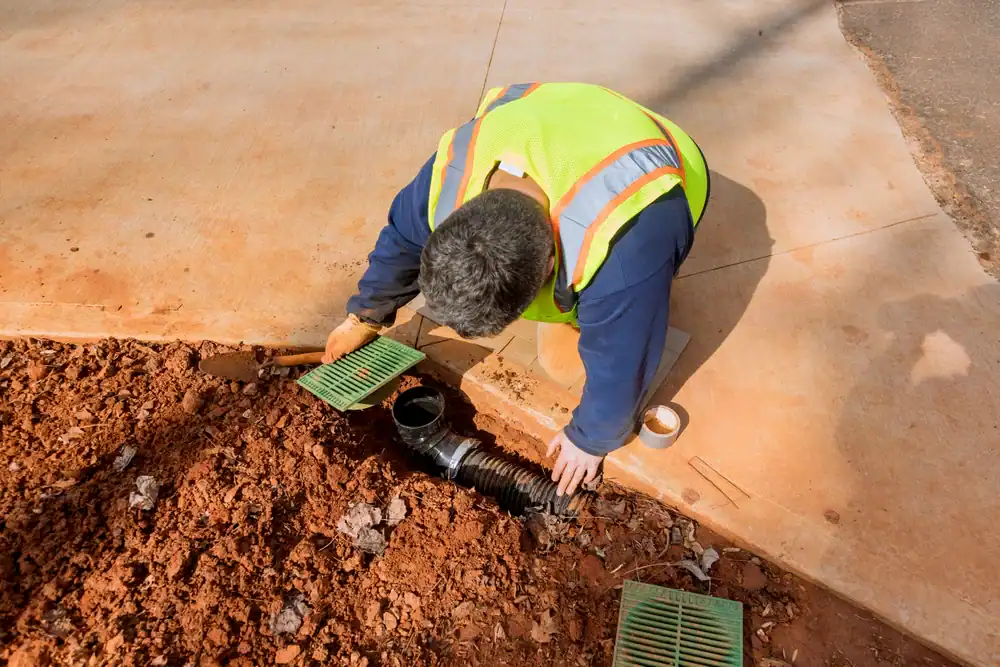
If your line has a small crack or a single bad joint, a spot repair might work. But if the pipe is old clay or cast iron, if it’s collapsed in multiple places, or if the pitch is wrong, you’re better off replacing the whole run.
A camera inspection shows us what’s happening underground. If we see one problem, there are usually more waiting to happen. Replacing the full line means you’re done with it for decades, not patching the same pipe every couple of years.
Most homes in Baiting Hollow are sitting on original lines from when the house was built. Once those pipes start failing, they don’t stop. Replacing them is the permanent fix.
Most residential line changes take one to two days, depending on the distance from your house to your cesspool and what we run into underground. If the ground is rocky or if we’re working around other utilities, it might take a bit longer.
We dig, replace the line, backfill, and restore the surface in one continuous job. You won’t have an open trench sitting in your yard for a week. We finish what we start.
If we’re also connecting a new sewer line to cesspool or doing additional work on the tank itself, that adds time. We’ll give you a clear timeline before we start so you know what to expect.
We dig a trench from your house to your cesspool, which means some disruption to your lawn or landscaping. The trench is usually about two feet wide and deep enough to set the pipe below the frost line with proper slope.
Once the new line is in and backfilled, we grade it as close to original as possible. Grass will grow back. If we’re cutting through a driveway or patio, we coordinate the restoration or work with your paving contractor to get it fixed right.
We’re not landscapers, but we don’t trash your property either. We dig what we need to dig, we’re careful around plantings and structures, and we clean up the site when we’re done.
Gravity moves waste through your lines. If the pipe is too flat, waste sits in the line and clogs. If it’s pitched backwards, nothing drains at all. The standard is a quarter-inch drop per foot of pipe—that’s enough to keep things moving without going too steep.
When old lines settle or collapse, they lose that pitch. You end up with low spots where waste collects, and that’s when backups and pipe failure happen. Replacing the line at the correct slope fixes that permanently.
We use a laser level to set the grade. It’s not something you can guess at. Get it wrong and the new line won’t work any better than the old one.
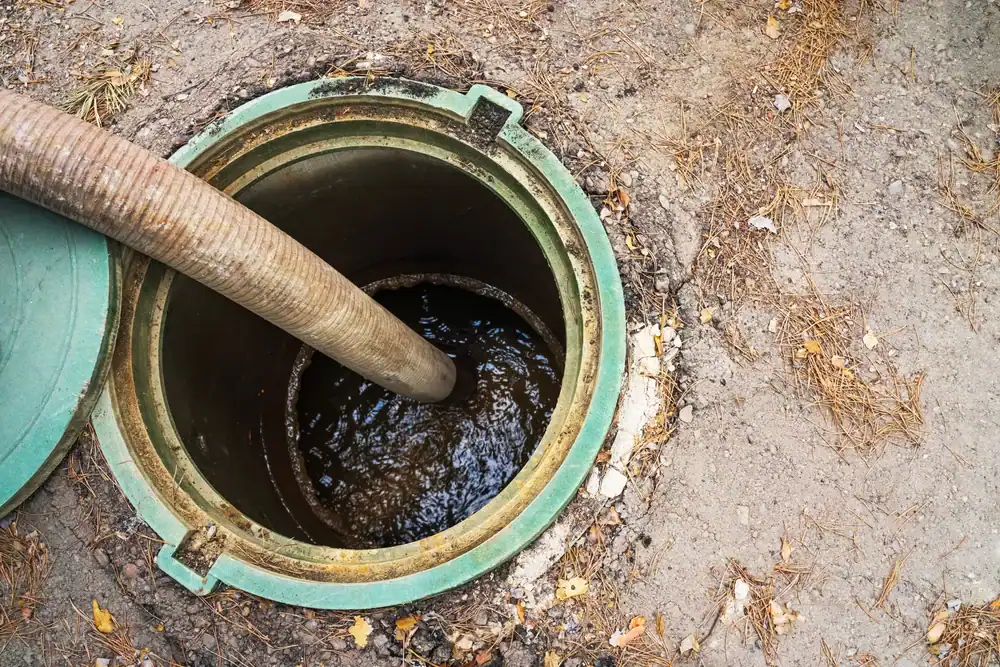
Yes, if your cesspool is still in good shape and you’re replacing the line that connects to it. We dig down to the tank, cut in the new pipe, and seal the connection so it’s watertight.
If your cesspool is failing or if you’re required to upgrade to a full septic system, that’s a bigger job. But connecting a new sewer line to cesspool is straightforward when the tank itself is sound.
We inspect the cesspool while we’re there. If it’s cracked, full of groundwater, or collapsing, we’ll tell you. Better to know before we backfill and move on.
Sometimes we uncover issues that weren’t obvious before we started—like a failing cesspool, tree roots that have invaded the line, or another utility that’s in the way. When that happens, we stop and talk to you before moving forward.
We’re not going to surprise you with extra work or charges without a conversation first. If something needs addressing, we explain what it is, why it matters, and what it costs to fix. You decide whether to handle it now or later.
Most line changes go as planned. But when we do find something, it’s usually better to deal with it while the trench is open. Digging twice costs more and takes longer.
Other Services we provide in Baiting Hollow