
Hear from Our Customers
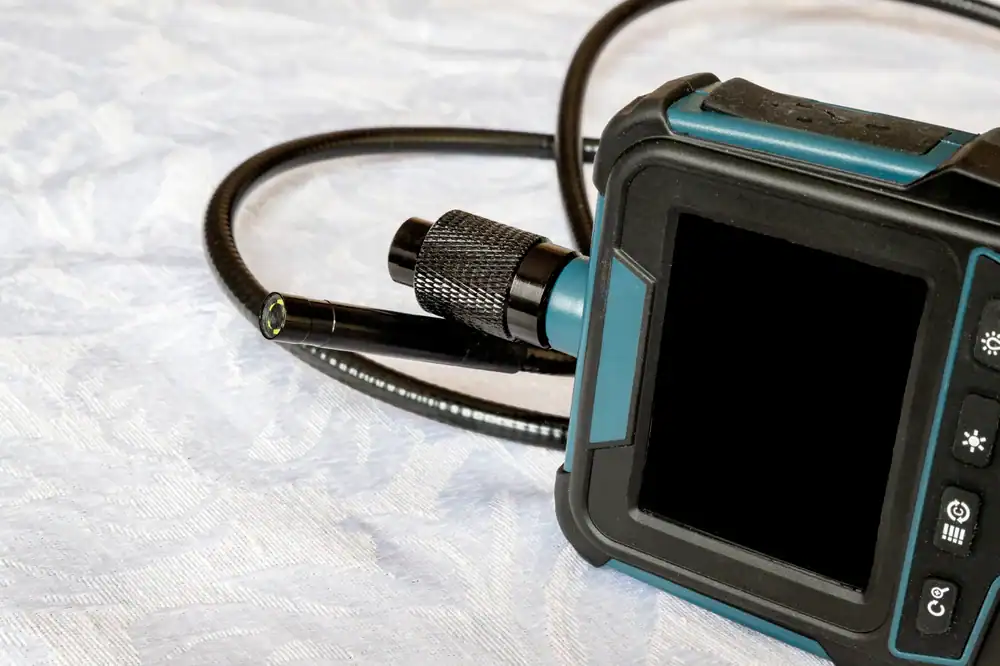
You’re not guessing anymore. A sewer line video inspection gives you actual footage of what’s happening inside your pipes—cracks, root intrusions, blockages, whatever’s causing the problem.
That means you’re not paying someone to dig up your yard hoping they find the issue. You see it first. You understand what needs fixing and why.
The camera goes where we can’t—through your entire system—and records everything. You get a written report the same day, sometimes within the hour if it’s urgent. That’s documentation you can use for insurance claims, property sales, or just knowing your system isn’t about to fail during the next heavy rain.
Most Bethpage homeowners who call us for one issue discover two or three others during the inspection. Catching them early—while they’re still small—saves you from turning a $400 service call into a $10,000 emergency six months later.
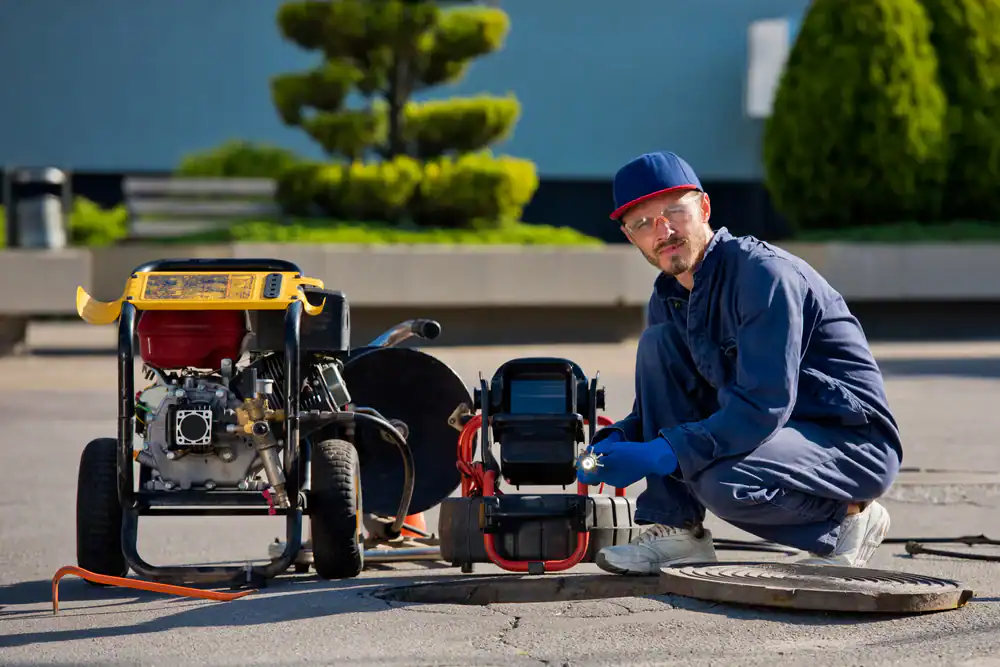
We’ve been handling cesspool and septic issues in Bethpage for nearly two decades. We’re a family business—four generations deep—and we live and work right here on Long Island.
That matters because we understand what Bethpage properties deal with. The soil conditions. The aging infrastructure. The fact that most cesspools around here were installed decades ago and weren’t designed to handle today’s environmental standards or household demands.
We’re licensed, insured, and we show up when we say we will. No surprises on the bill. No runaround when you call with questions. Just straightforward service from people who know your system probably better than you do—and definitely better than someone guessing from the curb.
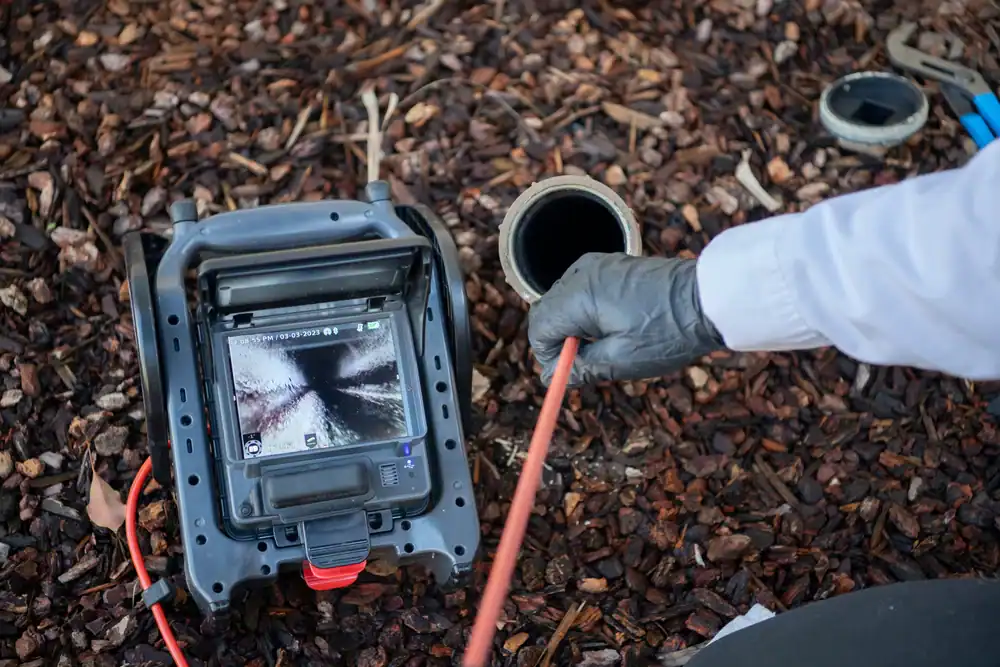
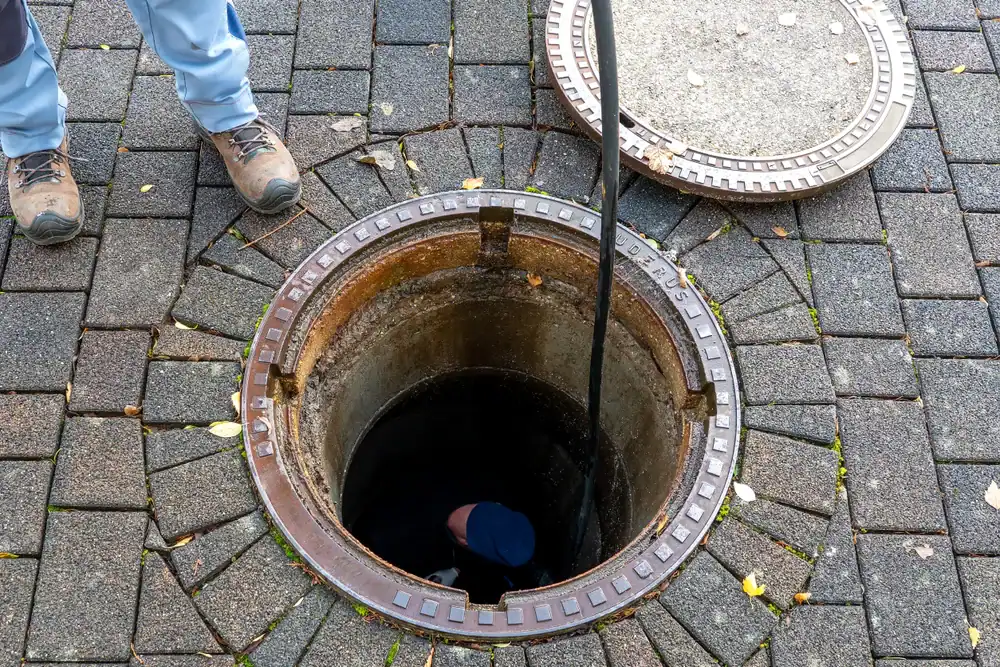
We start by accessing your system through an existing cleanout or entry point—no digging required at this stage. The camera is waterproof, flexible, and small enough to navigate pipes of any diameter.
As it moves through your lines, it sends back real-time footage. We’re looking for cracks, root intrusions, blockages, corrosion, or any structural issues that could cause problems. The camera also has a radio transmitter that records the exact depth and location of whatever we find, so if you do need repairs, we know precisely where to go.
You can watch the footage with us as it happens. We’ll walk you through what you’re seeing—what’s normal wear, what’s urgent, and what can wait. Most inspections take 30 to 60 minutes depending on your system size.
After we’re done, you get a full report with digital footage. That’s yours to keep, share with your insurance company, or use when you’re ready to move forward with repairs. If we find something that needs immediate attention, we’ll explain your options right there—no pressure, just information.
Ready to get started?
You get a complete pipe condition assessment—visual proof of what’s working and what isn’t. That includes locating underground pipe leaks, identifying root intrusions before they destroy your lines, and spotting cracks while they’re still fixable with a patch instead of a full replacement.
The inspection covers your entire system: inlet pipes, distribution lines, the cesspool itself if accessible, and any connecting infrastructure. We’re checking for blockages, structural damage, improper installations, and anything that could lead to a backup or system failure.
Here in Bethpage and across Nassau County, this matters more than it used to. New regulations are coming in 2026 that could require upgrades or replacements for failing systems. A camera inspection now tells you where you stand—and whether you need to start planning for compliance before the deadline hits.
You also get digital footage and reporting that’s useful if you’re selling your home, filing an insurance claim, or just want documentation that your system was inspected and maintained properly. Many insurance companies now require video proof before they’ll approve claims for sewer line repairs, so having this on file protects you if something goes wrong later.
A standard camera inspection typically runs between $200 and $400, depending on the size and complexity of your system. That’s a fraction of what you’d pay for emergency repairs if a problem goes undetected.
For context, emergency cesspool repairs in Nassau County start around $3,000 and can hit $10,000 or more if you need extensive pipe replacement. Spending a few hundred dollars now to catch issues early can save you thousands later.
If you’re dealing with an after-hours emergency, expect an additional fee of $150 to $300. But most inspections happen during regular business hours and don’t require emergency pricing. We’ll give you an exact quote before we start—no surprises when the bill comes.
The camera detects cracks, root intrusions, blockages, corrosion, collapsed pipes, improper connections, and structural damage you can’t see from the surface. It also shows us buildup from grease, sludge, or mineral deposits that restrict flow.
Root intrusions are one of the most common issues we find during inspections in Bethpage. Tree roots seek out moisture and nutrients, and your sewer lines provide both. Catching roots early means we can clear them with hydro jetting or chemical treatments. Waiting until they’ve destroyed the pipe means you’re looking at excavation and replacement.
We also catch things like bellied pipes—sections that have settled or shifted and now hold standing water. That leads to chronic backups and eventually pipe failure. The camera shows us the exact location and severity, so you know whether it’s something to monitor or fix immediately.
In roughly four out of five inspections, we find issues beyond what the homeowner originally called about. That’s not us upselling—it’s just what happens when you can actually see inside the system instead of guessing from symptoms.
If your system is older than 15 years, yes. Most Long Island cesspools start showing deterioration after 15 to 20 years of service, and by the time you notice symptoms—slow drains, odors, backups—the damage is often extensive.
A camera inspection catches problems while they’re still manageable. A small crack spotted during a routine inspection might need simple sealing. That same crack left alone becomes a complete pipe failure that requires emergency replacement, excavation, and potentially damage to your landscaping or driveway.
There’s also the regulatory angle. New Suffolk County regulations take effect in 2026, and properties with failing cesspools may be required to upgrade to advanced treatment systems. Those systems cost around $17,000—double what old cesspools cost—though grants up to $30,000 are available. A camera inspection now tells you whether your system will pass or whether you need to start planning for an upgrade.
Even if everything looks fine, having recent inspection footage on file protects you during property sales and insurance claims. It’s documentation that your system was maintained properly and functioning as it should.
Most inspections take 30 to 60 minutes, depending on how much pipe we’re inspecting and what we find along the way. If your system is straightforward and we don’t encounter major blockages, we’re usually done in half an hour.
If we find something that needs a closer look—like a suspicious crack or a section with heavy root intrusion—we’ll spend extra time documenting it from multiple angles. That footage becomes part of your report and helps us give you accurate repair recommendations.
You can watch the inspection in real time if you want. Some homeowners prefer to see what’s happening as we go through the system. Others just want the final report. Either way, you’ll have digital footage and a written summary before we leave.
If it’s an urgent situation—like you’re dealing with a backup or preparing for a property closing—we can provide the report the same day, sometimes within an hour. For routine inspections, you’ll still get everything before we finish the visit.
No. That’s the whole point of camera inspections—we access your system through existing entry points like cleanouts or inspection ports. No excavation, no tearing up your driveway, no crossing our fingers and hoping we’re digging in the right spot.
For decades, finding cesspool problems meant educated guessing followed by digging. You’d call someone, they’d make their best estimate based on symptoms, and then you’d watch them excavate your yard until they found the actual issue. Sometimes they got it right. Sometimes they didn’t, and you paid for multiple excavation attempts.
Camera inspections eliminated that guesswork. We know exactly where the problem is before anyone picks up a shovel. If repairs are needed, we dig once, in the right location, and fix it. That saves you money on labor, restoration, and the headache of unnecessary property damage.
The only time we’d need to excavate during an inspection is if your system doesn’t have an accessible entry point—which is rare. Even then, we’re talking about a small access hole, not tearing up half your yard hoping to find a broken pipe.
Yes. Many insurance companies now require video documentation before approving claims for sewer line repairs, so having recent inspection footage on file protects you if something goes wrong. It’s proof that the damage wasn’t caused by neglect or pre-existing conditions you knew about and ignored.
If you’re selling your home, inspection footage shows potential buyers that your cesspool system was professionally maintained and is in documented working condition. That’s valuable during negotiations, especially with older homes where buyers are already concerned about hidden infrastructure problems.
Some buyers or their inspectors will request a camera inspection as part of due diligence. If you already have recent footage, you’re ahead of the process. If you don’t, you might end up paying for an inspection anyway—except now it’s happening under pressure during the sale timeline, and any problems discovered become immediate negotiating points.
The footage is yours to keep. We provide it digitally along with a written report that includes timestamps, locations of any issues found, and our professional assessment. You can share it with insurance adjusters, real estate agents, buyers, or anyone else who needs documentation of your system’s condition.
Other Services we provide in Bethpage