
Hear from Our Customers
Your sewer line connects your home to your cesspool. When that connection fails, everything stops working. Drains slow down, toilets back up, and you’re stuck dealing with a mess that only gets worse the longer you wait.
Most line failures happen because the pipes are old. Bethpage has plenty of homes built in the 60s and 70s, and those original sewer lines weren’t built to last forever. Joints separate, roots break through, and the pitch changes as the ground shifts. Once that happens, waste doesn’t flow the way it should.
A proper line change fixes the root cause. We replace the failing section or the entire run from your house to the cesspool, depending on what’s needed. New pipe, correct slope, solid connections. When it’s done right, your system works quietly in the background again. No backups during dinner, no panic calls on weekends, no raw sewage surfacing in your yard.
We’ve been handling cesspool and septic work across Nassau County for nearly two decades. We’re a family business, four generations deep, and we’ve seen just about every type of line failure Bethpage properties can throw at us.
We know the soil conditions here. We know how older homes were plumbed and where the common failure points are. We also know that when your system backs up, you don’t want a sales pitch—you want someone who can assess the problem, explain what needs to happen, and get it fixed without tearing up half your yard.
That’s what we do. We show up with the right equipment, handle the excavation professionally, and make sure the new line is installed with the correct pitch and slope so it actually works long-term.
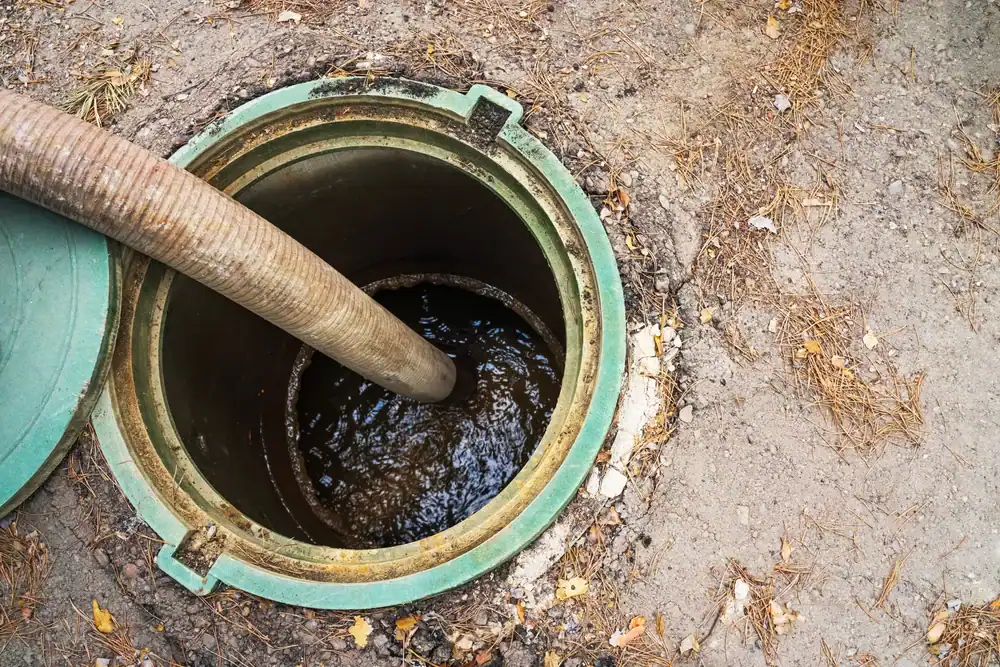
First, we assess the line to confirm where the problem is. Sometimes it’s a small section near the house. Other times the entire run needs replacement. We’ll tell you what we find and what it’ll cost before we start digging.
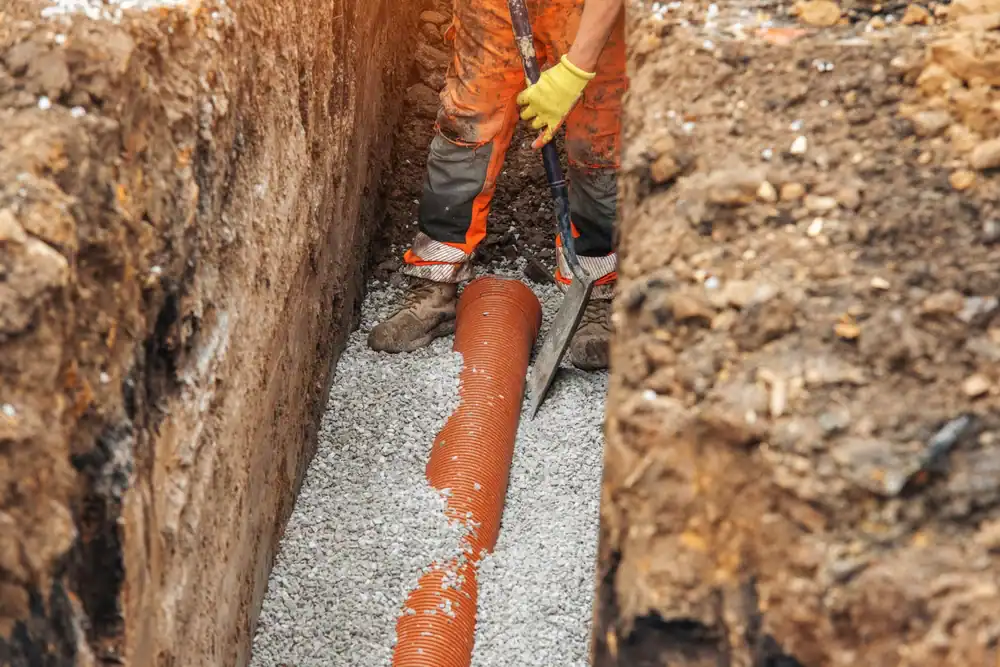
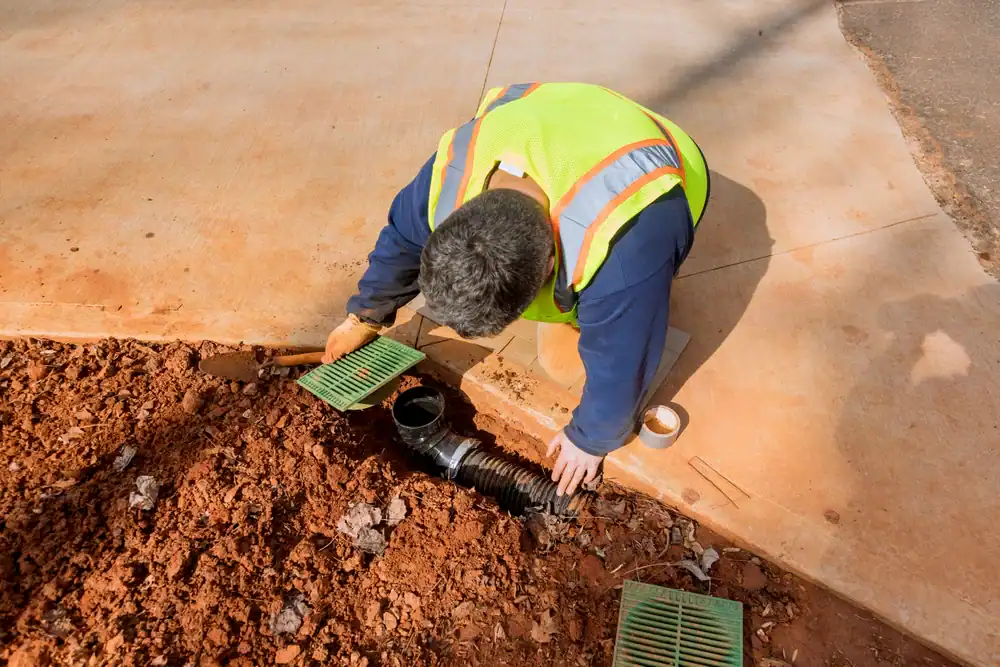
Once you approve the work, we handle the excavation and trenching. This is the part that worries most homeowners, but we do this carefully. We locate the existing line, dig the trench to the right depth, and remove the old pipe. If tree roots are involved, we clear those out too.
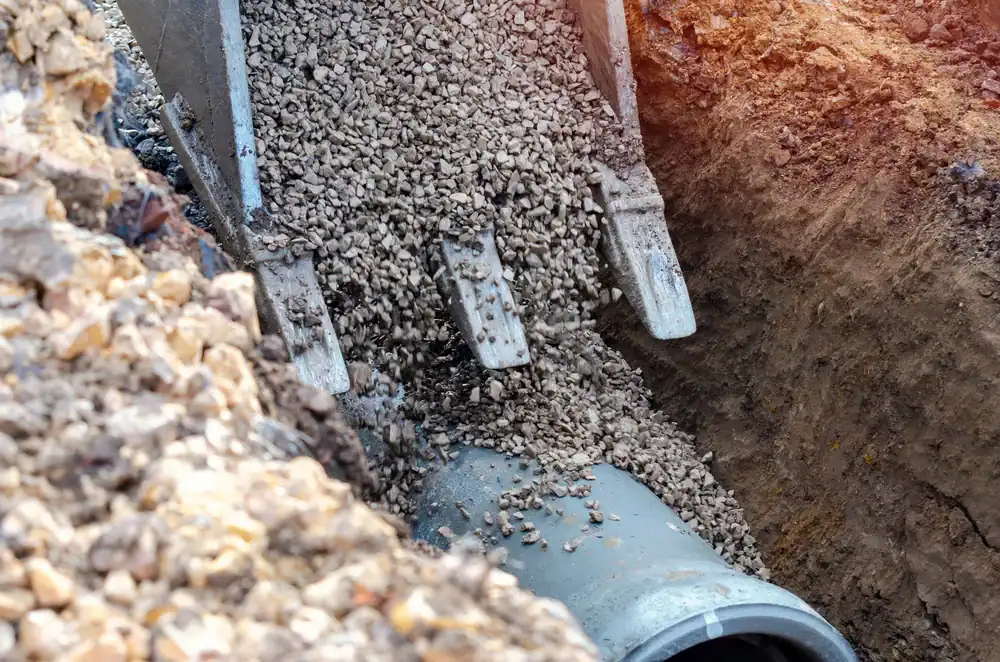
Then we install the new sewer line with the correct pipe pitch and slope. This is critical—if the slope is off even slightly, waste won’t flow properly and you’ll have problems again down the road. We make sure the line connects solidly to your cesspool and that everything is sealed and secure.
After the line is in and tested, we backfill the trench and restore your yard as close to original condition as possible. The whole process usually takes a day or two, depending on the length of the run and site conditions.
Ready to get started?
A complete line change includes excavation, removal of the old pipe, installation of new sewer line, proper grading for flow, connection to your existing cesspool, backfill, and basic site restoration. We handle the entire job from start to finish.
In Bethpage, many properties have mature landscaping or paved areas near the sewer line route. We work around these obstacles whenever possible and coordinate the excavation to minimize disruption. If we need to cut through a driveway or patio, we’ll let you know upfront so there are no surprises.
We also address common issues that come up during line work. If the cesspool inlet is damaged or the distribution box needs adjustment, we take care of that while we’re already on site. It doesn’t make sense to close everything up and then have to dig again in six months because something else failed.
One thing to know: Nassau County has specific regulations around cesspool systems, and those rules are getting stricter. If your system is old enough to need a line change, it’s worth asking whether other upgrades might be required soon. We can walk you through what’s coming and help you plan accordingly so you’re not caught off guard by a compliance deadline.
If you’re dealing with frequent backups, slow drains throughout the house, or wet spots in your yard near the sewer line, the pipe itself is probably compromised. A repair works when the damage is localized—a single cracked section or a joint that’s separated. But if the line is old and showing problems in multiple spots, a full replacement makes more sense.
Most sewer lines in Bethpage that are 30+ years old are reaching the end of their lifespan. Galvanized steel and clay pipes break down over time, and tree roots find every weak point. Patching one section doesn’t stop the rest of the line from failing six months later.
We can run a camera through the line to show you exactly what’s happening inside. That takes the guesswork out of it. If the pipe is shot, you’ll see it. If a repair will actually hold, we’ll tell you that too.
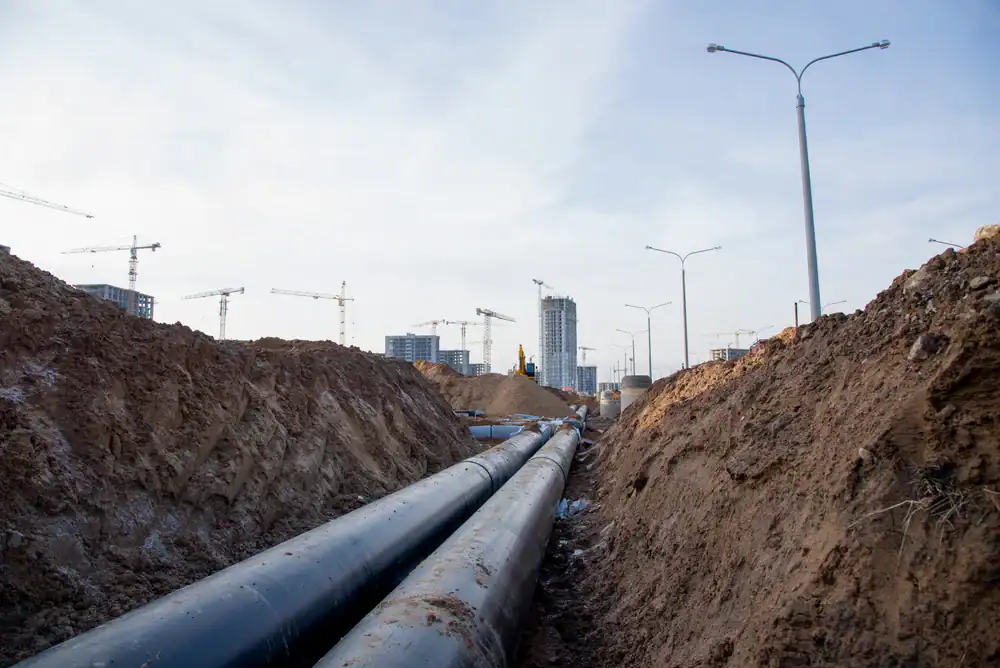
Excavation means digging a trench from your house to the cesspool so we can access and replace the sewer line. The trench is typically 3 to 4 feet deep and about 2 feet wide, following the path of the existing line.
How much of your yard gets disturbed depends on the distance and what’s in the way. If the line runs straight with no obstacles, the impact is minimal. If we’re working around trees, gardens, or hardscaping, we adjust the approach to protect what we can.
We use equipment that’s sized appropriately for residential properties. We’re not bringing in massive machinery that destroys everything in its path. Once the new line is installed and tested, we backfill the trench, compact the soil, and level it out. Grass and landscaping will need some time to recover, but the site won’t look like a construction zone when we’re done.
Gravity moves waste through your sewer line to the cesspool. If the pipe doesn’t have the right slope, waste won’t flow properly. Too flat and solids settle in the line, causing clogs. Too steep and liquids run ahead of solids, which also leads to blockages.
The standard is a quarter-inch of drop per foot of pipe. That’s enough to keep everything moving without creating problems. When we install a new line, we use a laser level to make sure the grade is consistent from end to end.
A lot of older lines fail because the ground shifted over time and changed the pitch. What started as a properly sloped pipe 40 years ago might now have low spots where waste collects. When we replace the line, we’re resetting that grade so the system works the way it’s supposed to.
Most line changes take one to two days, depending on the length of the run and site conditions. If we’re replacing 50 feet of pipe with no complications, it’s usually a one-day job. Longer runs or difficult access can stretch it to two days.
You won’t be able to use your plumbing while we’re working on the line. Once we disconnect the old pipe, anything you send down the drain has nowhere to go. We move as quickly as we can to minimize downtime, and we’ll give you a realistic timeline before we start so you can plan accordingly.
If you absolutely need to use water during the work, let us know ahead of time. We can sometimes schedule the job in stages or work around specific needs, but it’s easier for everyone if you can avoid using the plumbing until the new line is connected and tested.
Line change costs depend on the length of the run, depth of the line, and site conditions. A straightforward replacement on an accessible property typically runs between $3,000 and $6,000. If we’re dealing with difficult terrain, deep excavation, or obstacles like mature trees or paved surfaces, the cost goes up.
We give you a clear estimate after we assess the site. That estimate includes excavation, new pipe, labor, backfill, and basic site restoration. If there are additional costs—like repairing a damaged cesspool inlet or cutting through a driveway—we’ll tell you that upfront.
One thing to keep in mind: emergency line replacements cost more than planned work. If your system backs up on a Saturday night and you need it fixed immediately, you’re paying for after-hours service. Addressing line problems before they become emergencies saves you money and stress.
Yes, tree roots will always seek out water and nutrients, and sewer lines provide both. That said, modern PVC pipe with properly sealed joints is much more resistant to root intrusion than older clay or cast iron pipe.
If you have large trees near the sewer line route, we can take extra precautions during installation. Root barriers can be placed along the trench to redirect growth away from the pipe. We can also route the new line to avoid the worst of the root zone if the site allows for it.
Regular cesspool maintenance helps too. If roots do find their way into the line, catching them early during a routine inspection is a lot easier than dealing with a full blockage. Most homeowners in Bethpage with mature trees should have their lines checked every few years just to stay ahead of potential problems.
Other Services we provide in Bethpage