
Hear from Our Customers
You’re dealing with slow drains, recurring backups, or you’re about to buy a home and the lender wants proof the system works. Whatever brought you here, you need answers without tearing up your property to get them.
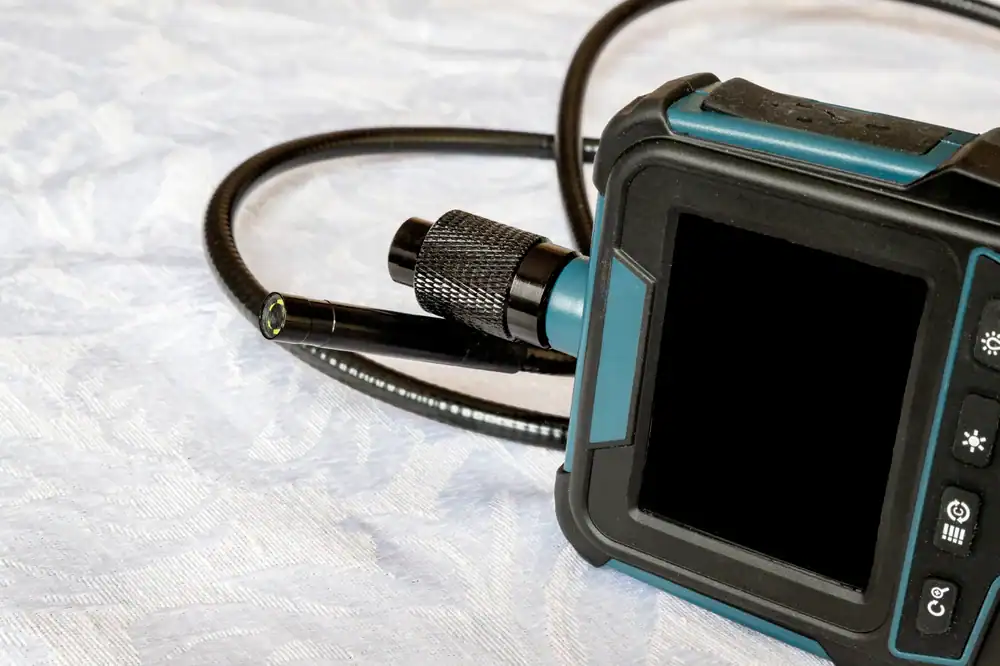
A sewer line video inspection gives you exactly that. We send a high-resolution camera through your pipes and show you what’s happening on a monitor in real time. You see the cracks, the root intrusions, the blockages—whatever’s there. No speculation. No trial-and-error digging.
Most inspections take under two hours. Your yard stays intact. And if there’s a problem, you know exactly where it is and what it’ll take to fix it. That’s the difference between a $300 inspection and a $5,000 surprise three months later when your system fails during a holiday weekend.
We’ve been handling cesspool and sewer issues across Suffolk County for years. We’re licensed, insured, and we’ve seen every type of system Brightwaters homes have—from pre-1972 cinder block cesspools that need urgent attention to newer pre-cast systems with minor maintenance needs.
Brightwaters sits in an area where more than 360,000 homes rely on cesspools and septic systems. Many of those systems are decades old, and problems don’t always show up on the surface until it’s too late. We use professional-grade camera equipment that extends up to 300 feet, so we can inspect everything from your indoor plumbing connections to where your lines meet the municipal system.
You’re not getting a salesperson. You’re getting a technician who knows what to look for and will explain what you’re seeing without the runaround.
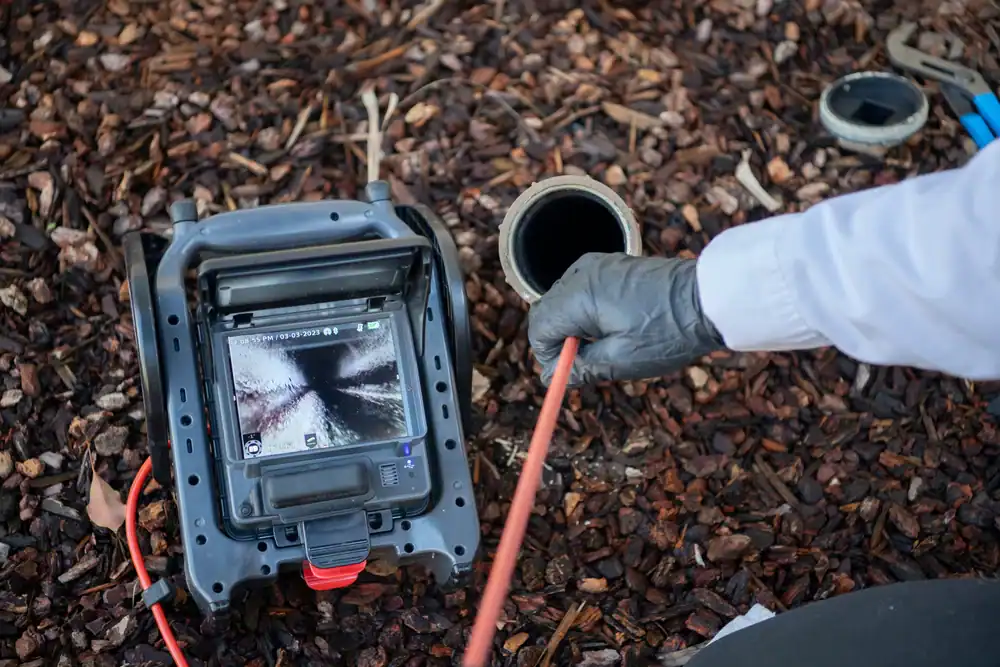
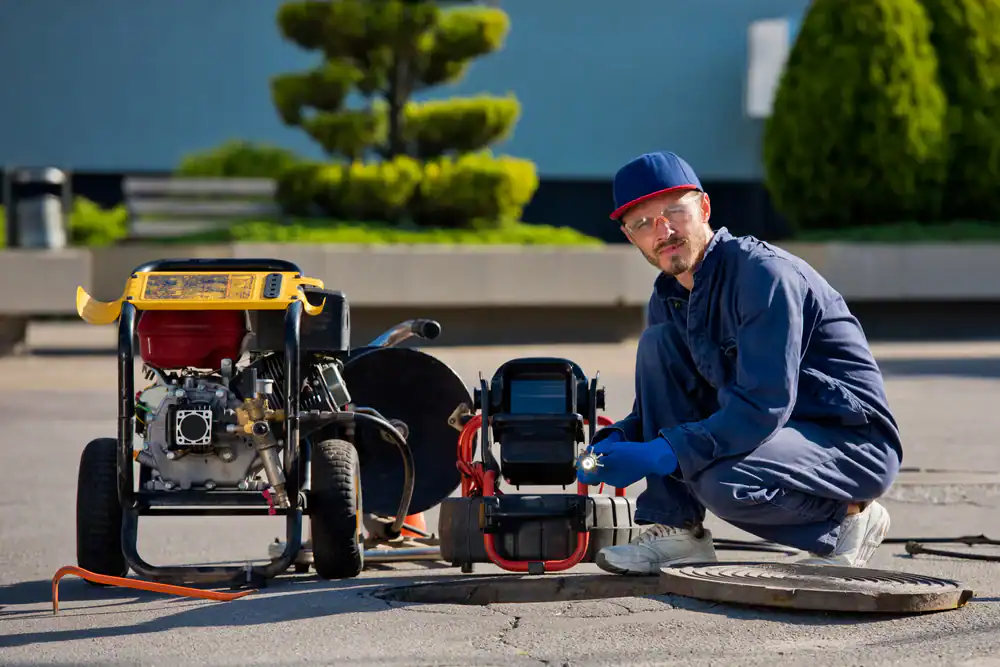
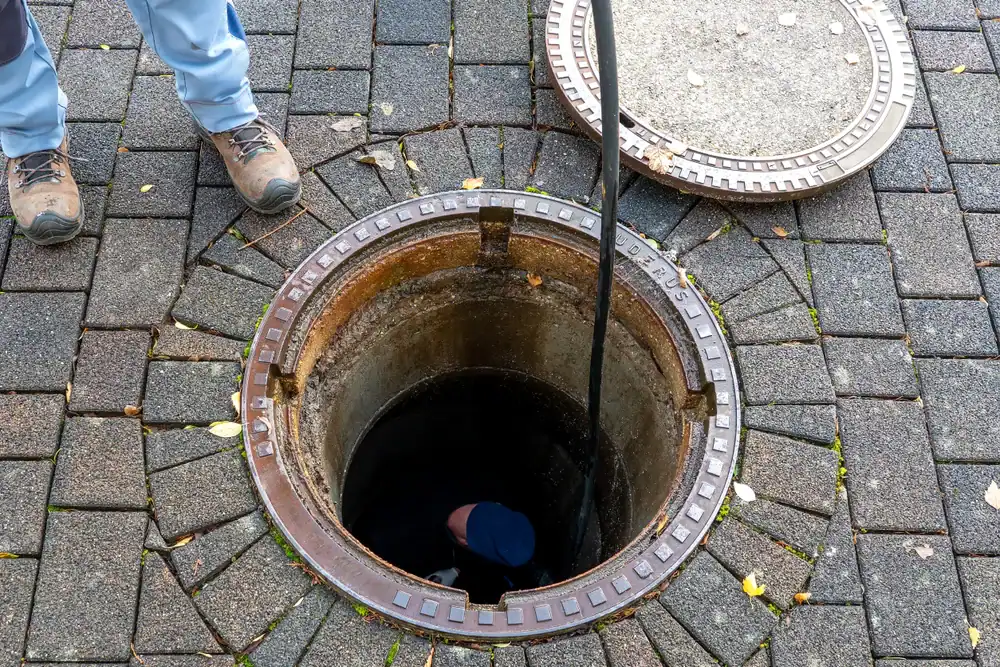
We start by locating your access points—usually a cleanout or an existing opening in your system. From there, we feed a flexible cable with a high-resolution camera attached through your pipes. The camera sends live footage to a monitor above ground, and you can watch the entire inspection happen in real time.
As the camera moves through your system, we’re looking for cracks, blockages, root intrusions, corrosion, and any structural issues that could cause problems down the line. When we spot something, we mark the location so if repairs are needed, we know exactly where to go. No exploratory digging. No guesswork.
The inspection typically takes between 30 minutes for a simple drain line and up to two hours for a comprehensive system review. When we’re done, you get digital footage and a clear explanation of what we found. If everything looks good, you have documentation for your records or your lender. If there’s an issue, you know what needs attention and can plan accordingly.
Ready to get started?
You’re not just paying for someone to run a camera through your pipes. You’re getting a full assessment of your system’s condition with documentation you can use for insurance, real estate transactions, or maintenance planning.
The inspection covers your entire accessible pipe system—from indoor connections to the point where your lines meet the county system. We identify blockages, root intrusions (common in Brightwaters with mature landscaping and sandy soil), cracks, corrosion, and any structural damage that could lead to failure. You see everything we see, live on the monitor.
After the inspection, you receive digital footage and a written report. If you’re buying a home, that documentation goes directly to your lender or real estate agent. If you’re a current homeowner, it becomes a permanent record of your system’s condition—useful for tracking changes over time or filing insurance claims if something goes wrong later.
Here’s what matters: if we find a small crack now, you can seal it for a few hundred dollars. If that same crack goes unnoticed and turns into a burst pipe during a Suffolk County winter, you’re looking at emergency repairs starting around $3,000 and climbing fast. The inspection doesn’t just locate problems—it gives you time to fix them on your terms, not during a crisis.
Most residential camera inspections in Brightwaters run between $200 and $400, depending on the complexity of your system and how much of it needs to be inspected. A simple drain line inspection on the lower end, a full system review with multiple access points on the higher end.
That cost usually pays for itself the first time it saves you from unnecessary digging. Without a camera, a technician might need to excavate multiple spots to find a problem—that’s easily $1,000 or more in labor and restoration costs before we even start the actual repair. The camera pinpoints the exact location, so the only digging that happens is where it’s actually needed.
If you’re buying a home, the inspection is often required by your lender anyway. Better to know what you’re dealing with before you close than to discover a failing system two months after you move in.
The camera catches anything that affects your pipes’ structure or flow. That includes cracks, root intrusions, blockages from debris or grease buildup, corrosion, misaligned pipe sections, and collapses. In Brightwaters, root intrusions are especially common because of the mature trees and sandy soil that makes it easy for roots to work their way into pipe joints.
We also spot issues that don’t cause problems yet but will soon—like small cracks that could freeze and burst during winter, or early-stage root growth that’ll turn into a full blockage if left alone. Those are the findings that save you the most money, because you can address them before they become emergencies.
If you’ve got recurring slow drains or backups that snaking doesn’t fix, the camera usually reveals why. Sometimes it’s a belly in the pipe where waste collects. Sometimes it’s a partial collapse. Sometimes it’s just a stubborn clog that needs a different approach. Either way, you stop guessing and start fixing the actual problem.
No. The camera inspection is completely non-invasive. We use existing access points like cleanouts or drain openings, and the camera travels through your pipes on a flexible cable that doesn’t scrape or damage the interior. Your landscaping, driveway, and yard stay untouched throughout the entire process.
That’s the whole point of using a camera—to avoid the property damage that used to come with diagnosing pipe problems. The old method involved a lot of trial and error: snake the line, and if that didn’t work, start digging until you found the issue. That meant torn-up yards, broken driveways, and destroyed landscaping just to locate a problem.
Now we find the problem first, then dig only if repairs are actually needed—and only in the exact spot where the issue exists. If the inspection shows your system is fine, nothing gets disturbed at all. You get answers without the mess.
Most residential inspections take between one and two hours, depending on how much of your system we’re inspecting and how complex the layout is. A straightforward drain line inspection might be done in 30 to 45 minutes. A comprehensive review of your entire cesspool system with multiple pipe runs and access points could take the full two hours.
The timeline also depends on what we find. If your pipes are clear and in good shape, we move through quickly. If we encounter blockages or need to investigate problem areas more closely, that adds time—but you want us to be thorough, not rushed.
We schedule inspections when it works for you, and you’re welcome to watch the process. Most homeowners appreciate seeing the live footage because it makes the findings more tangible. When you can see the root intrusion or the crack on the monitor, the recommended repair makes a lot more sense than just taking someone’s word for it.
If you’re buying a home in Brightwaters, your lender will likely require it—especially if the property has a cesspool or septic system. That inspection protects you from inheriting someone else’s expensive problem. A system can look fine on the surface and still have cracks, root intrusions, or structural issues that’ll fail within months of you taking ownership.
If you’re a current homeowner and everything seems fine, the inspection becomes more about timing and prevention. Many Brightwaters residents get a camera inspection every few years as part of routine maintenance, especially if their system is older or they’ve got mature trees near their pipes. Catching a small issue early—before it causes a backup or failure—saves thousands compared to emergency repairs.
If you’ve had recurring slow drains, occasional backups, or you’ve noticed soggy spots in your yard, those are signs something’s developing underground. The camera shows you what’s actually happening so you can fix it before it gets worse. And if you’re planning to sell your home, having recent inspection documentation can speed up the transaction and give buyers confidence in the property.
You get a clear explanation of what’s wrong, where it’s located, and what it’ll take to fix it. The digital footage and written report give you documentation you can use to get repair quotes, file insurance claims, or renegotiate a home purchase if you’re a buyer.
If it’s something minor—like a small clog or early-stage root intrusion—we can often address it right away or schedule a follow-up service. If it’s more significant, like a cracked pipe or structural damage, you’ll know exactly where the problem is, which means any repair work is targeted and efficient. No exploratory digging, no inflated labor costs from searching for the issue.
For Brightwaters homeowners, timing matters. A crack spotted in the fall can be repaired before winter freezes turn it into a burst pipe. A root intrusion caught early might only need clearing and a spot repair instead of a full pipe replacement. The inspection doesn’t create problems—it reveals them while they’re still manageable and gives you control over how and when they get fixed.
Other Services we provide in Brightwaters