
Hear from Our Customers
You’re dealing with a failing main waste line because something’s gone wrong underground. Maybe your drains are backing up into the basement. Maybe you’re smelling sewage near your cesspool. Maybe a plumber scoped your line and found cracks, root intrusion, or sections that have completely collapsed.
Whatever brought you here, the fix isn’t temporary. You need the line replaced or reconnected properly so wastewater flows the way it’s supposed to—without pooling, without backups, without contaminating your property.
That means proper trenching and excavation to access the damaged section. It means installing new pipe with the right pitch and slope so gravity does its job. And it means connecting everything back to your cesspool or sewer system in a way that meets code and actually works long-term.
When the job’s done right, your drains clear fast. Your toilets flush without hesitation. You stop worrying about what’s happening underground because the system just works.
We’ve been handling cesspool and sewer work across Long Island for nearly 40 years. We’re not new to Brightwaters, and we’re not learning on your property.
Our crew knows the soil conditions here. We know how deep your lines typically run, what materials were used in homes built in different decades, and what Suffolk County inspectors expect to see. That local knowledge matters when you’re digging up someone’s yard and replacing critical infrastructure.
We’re licensed, insured, and equipped to handle everything from straightforward main waste line replacement to complex sewer line to cesspool connections. You’re not getting a crew that shows up unprepared or disappears halfway through the job. You’re getting professionals who’ve done this work thousands of times and know how to do it without wrecking your landscaping or leaving you with a system that fails again in two years.
First, we assess what’s actually wrong. That means locating your existing main waste line, identifying where the failure is, and figuring out whether you need a full replacement or just a section repaired. We’ll also check the pitch and slope of your current line to see if improper grading contributed to the problem.
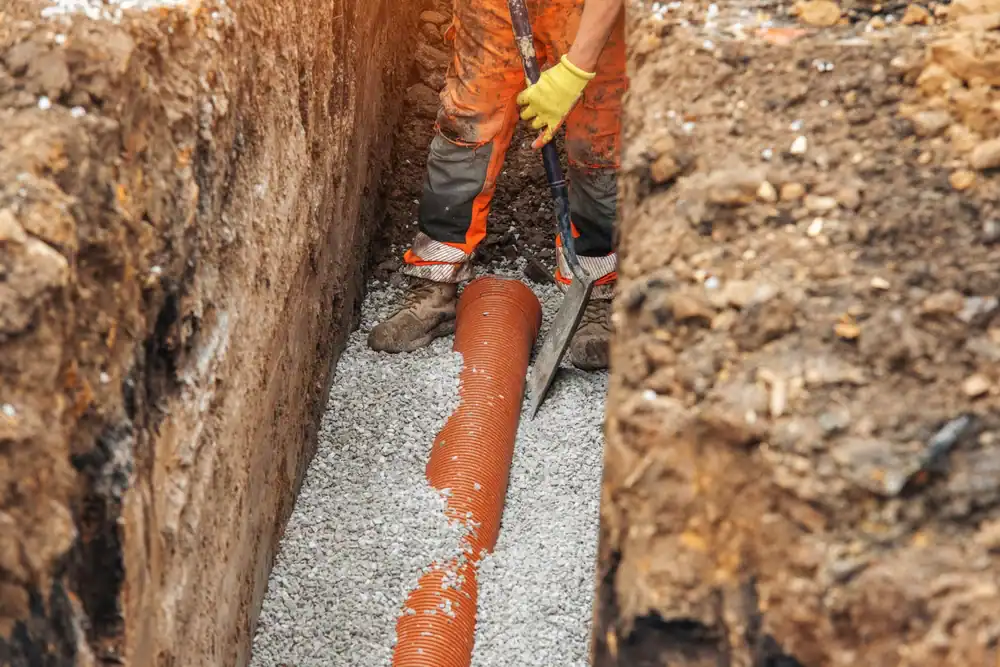
Once we know what needs fixing, we start trenching and excavation. We dig down to expose the damaged pipe, carefully removing soil and marking any other utilities in the area. If roots have infiltrated the line or the pipe has collapsed, we remove the compromised section entirely.
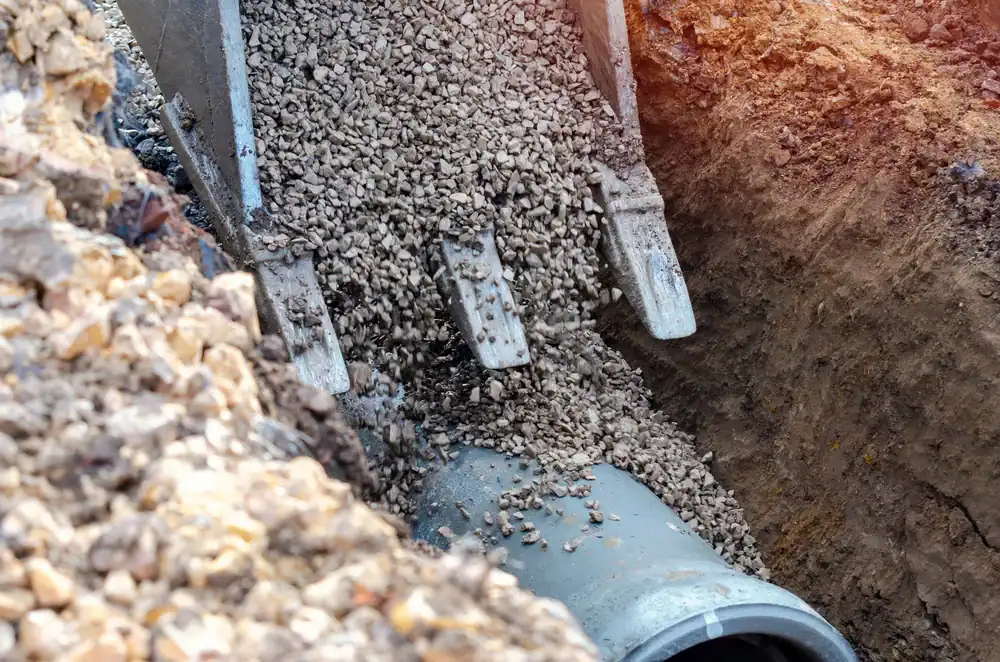
Then we install the new line. We use heavy-duty polyethylene pipe that won’t crack, corrode, or let roots back in. The key here is setting the right pipe pitch—at least a quarter inch of drop per foot of run. Too flat and wastewater won’t drain. Too steep and you get other problems. We measure, grade, and install it correctly so your system drains the way it’s supposed to.
After the new line is in and connected to your cesspool or sewer system, we backfill the trench, compact the soil, and restore your property as close to original condition as possible. Then we test the system to make sure everything flows properly before we leave.
Ready to get started?
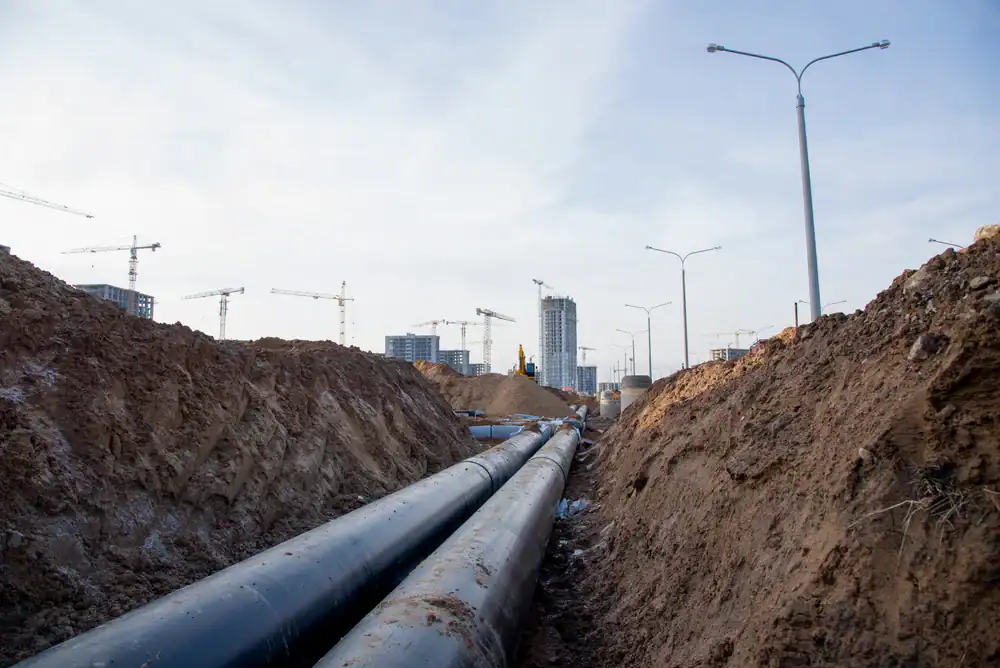
You’re getting a full main waste line replacement, not a patch job. That includes locating and exposing your existing line, removing damaged sections, and installing new pipe with proper pitch and slope. We handle all the trenching and excavation required to access your line, whether it’s three feet down or eight.
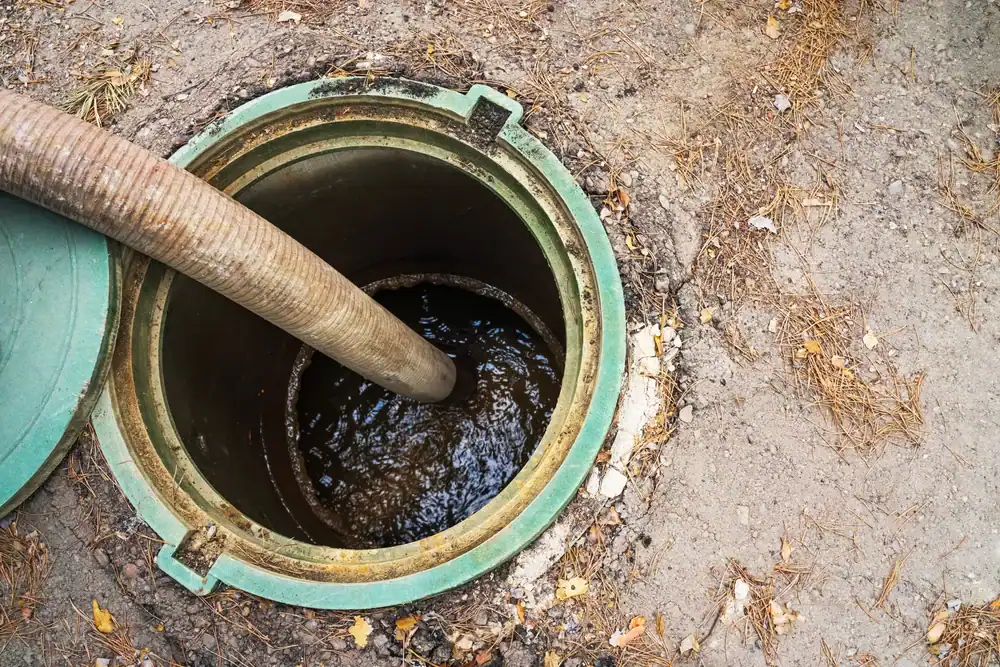
If your line connects to a cesspool, we make sure that connection is solid and code-compliant. Cesspools are common in older Brightwaters properties, and connecting a new waste line to an aging cesspool requires attention to detail. The connection point has to be watertight and positioned correctly so solids settle where they’re supposed to and liquids leach out properly.
We also address any grading issues that contributed to your original line failure. If your old pipe was installed with improper pitch, we correct it. If roots were the problem, we route the new line to avoid the same trees or install root barriers where needed.
Suffolk County has specific requirements for sewer and cesspool systems, and we follow them. That means proper materials, correct installation depth, and inspections where required. You’re not getting a system that works for six months and then fails inspection or starts backing up again. You’re getting a line that’s built to last and installed by people who know what the county expects to see.
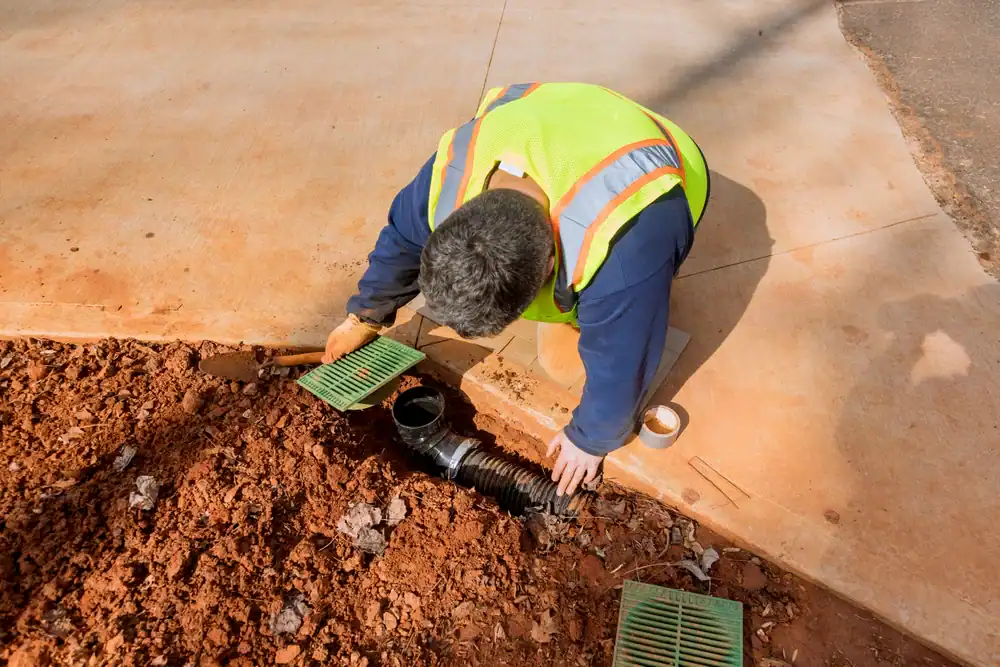
Most line changes take one to three days depending on how much pipe needs replacing and how deep we have to dig. If we’re replacing a short section close to your cesspool, we can often finish in a day. If the damage extends further or we’re running a new line from your house to the street, it takes longer.
Weather and soil conditions affect the timeline too. Wet or rocky soil slows down trenching and excavation. If we hit unexpected obstacles like old foundations or unmarked utilities, we have to work around them carefully.
We’ll give you a realistic timeframe after we assess your property. What matters most isn’t speed—it’s doing the job right so your system works for decades, not just until the next heavy rain.
Age is the biggest factor. Older pipes crack, corrode, or collapse over time, especially if they’re made from materials like Orangeburg or clay that don’t hold up well. Cast iron rusts through. Clay cracks when the ground shifts. Orangeburg deteriorates and collapses under soil pressure.
Root intrusion is another common culprit. Tree roots seek out moisture and work their way into any crack or joint in your sewer line. Once they’re inside, they grow and block the pipe completely.
Improper pitch and slope also cause problems. If your line was installed too flat, wastewater doesn’t drain properly and solids build up. If it’s too steep, water rushes through too fast and leaves solids behind. Either way, you end up with blockages and backups that only get worse over time.
In some cases, yes. If the damaged section is accessible and localized, we can trench just that area and leave the rest of your property untouched. We’re not in the business of digging up more than necessary.
For more extensive damage or lines that run under driveways, patios, or landscaping, trenchless methods might be an option. Pipe bursting and pipe lining let us replace or repair lines without full excavation. Not every situation qualifies for trenchless work, but when it does, it saves you time, money, and a destroyed yard.
We assess your property and your line condition before we start digging. If there’s a way to minimize disruption, we’ll tell you. If full trenching and excavation is the only way to do the job right, we’ll explain why and restore your property as carefully as possible afterward.
Backups are the clearest sign. If wastewater is coming back up through your drains or pooling near your cesspool, something’s wrong with the connection or the line leading to it. Slow drains throughout your house also point to a blockage or failure somewhere in the main waste line.
Sewage odors near your cesspool or wet, soggy areas in your yard indicate leaks. If your connection has failed or your pipe has cracked, wastewater is leaking into the surrounding soil instead of flowing into the cesspool.
A camera inspection confirms what’s happening underground. We can scope your line, see exactly where the problem is, and show you what needs fixing. That eliminates guesswork and prevents you from paying for repairs that don’t address the real issue.
The standard is a quarter inch of drop per foot of horizontal run. That means for every foot your pipe travels toward the cesspool or sewer connection, it drops a quarter inch in elevation. That slope is steep enough to keep wastewater moving but not so steep that it causes other problems.
If the pitch is too flat, wastewater flows too slowly and solids settle in the pipe. Over time, that creates blockages and backups. If the pitch is too steep, water rushes through and leaves solids behind, which also leads to clogs.
Getting the pitch right requires measuring, grading, and installing the pipe carefully. It’s not something you eyeball. We use levels and laser equipment to ensure your new line has the correct slope from end to end so your system drains properly for years.
Cost depends on how much pipe needs replacing, how deep we have to dig, and what obstacles we encounter. A straightforward replacement of a short section might run a few thousand dollars. A full line replacement from your house to the street or cesspool costs more because there’s more labor, more materials, and more restoration work involved.
Trenching and excavation add to the cost if your line runs under pavement, landscaping, or other structures. Trenchless methods can reduce excavation costs but the equipment and materials cost more upfront.
We give you a clear estimate after assessing your property. No surprises, no vague ranges. You’ll know what the job costs and what’s included before we start digging. What you’re paying for is a system that works correctly and lasts—not a cheap fix that fails in two years and costs you twice as much to redo.
Other Services we provide in Brightwaters