
Hear from Our Customers
Most plumbing companies start digging and hope they find the problem. That approach costs you time, money, and a destroyed lawn – with no guarantee they’ll even locate the issue on the first try.
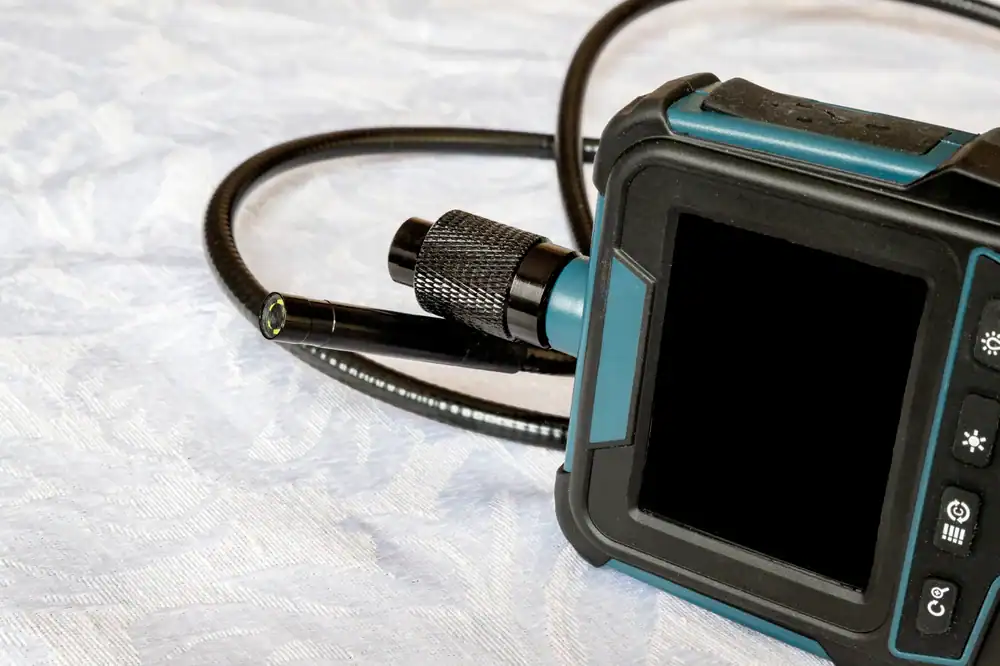
Camera inspections give you visual proof of what’s happening inside your pipes. You see the blockage, the crack, the root intrusion, or the belly in the line – right there on the monitor. The camera’s foot counter tells you exactly how many feet down the problem sits, and the radio transmitter marks the precise location from the surface.
That means no exploratory trenches. No trial-and-error repairs. Just an accurate diagnosis that leads to the right fix the first time.
If you’re buying or selling a home in East Norwich, you already know the mortgage company requires a thorough inspection of your cesspool system. Camera inspection provides the documentation lenders need, and it gives you leverage if something’s wrong. You’ll have snapshot pictures you can email to your realtor or use to negotiate a lower purchase price.
We’ve been solving drainage problems in East Norwich since our great-grandfather started this business. We’re not a franchise or a fly-by-night operation – we’re your neighbors, and we’ve seen just about every pipe problem Long Island soil can create.
East Norwich homes weren’t built with today’s water usage in mind. Most of the cesspools and septic systems in this area are decades old, and many are starting to fail. We understand the local challenges: tree roots breaking through clay pipes, bellies forming in lines because of sandy soil shifts, and cracks from ground movement during freeze-thaw cycles.
We’re fully licensed and insured, and we’re available 24/7 when emergencies happen. Our camera inspection technology gives you the same diagnostic accuracy that used to require excavation – but without the mess, the cost, or the guesswork.
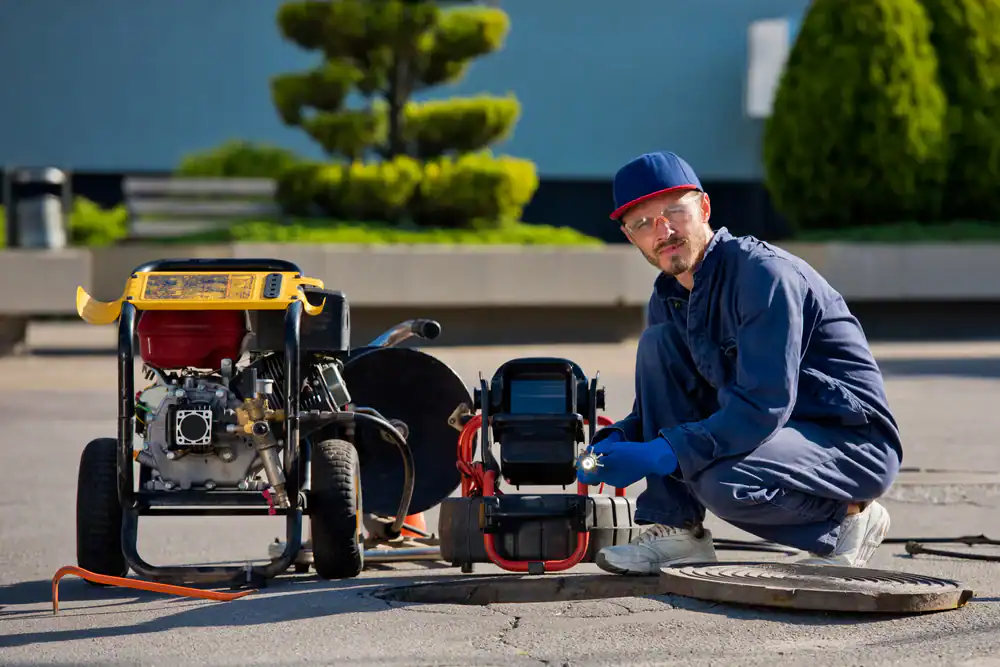
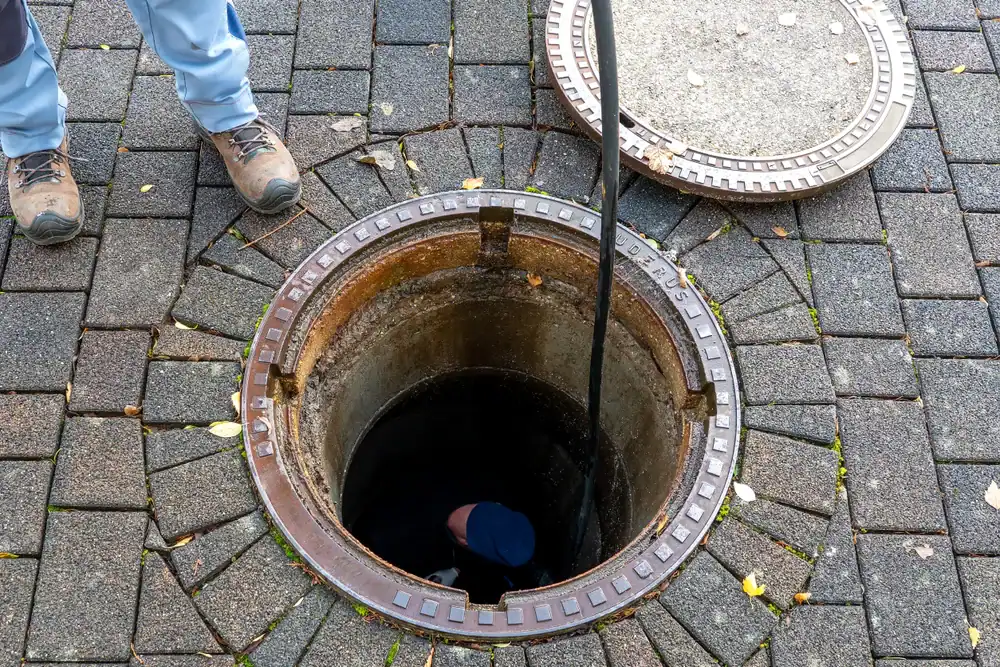
We start by accessing your system through an existing cleanout or entry point. Our camera equipment handles pipes from 2 inches to 36 inches in diameter, so we can inspect everything from your indoor drains to your main sewer line.
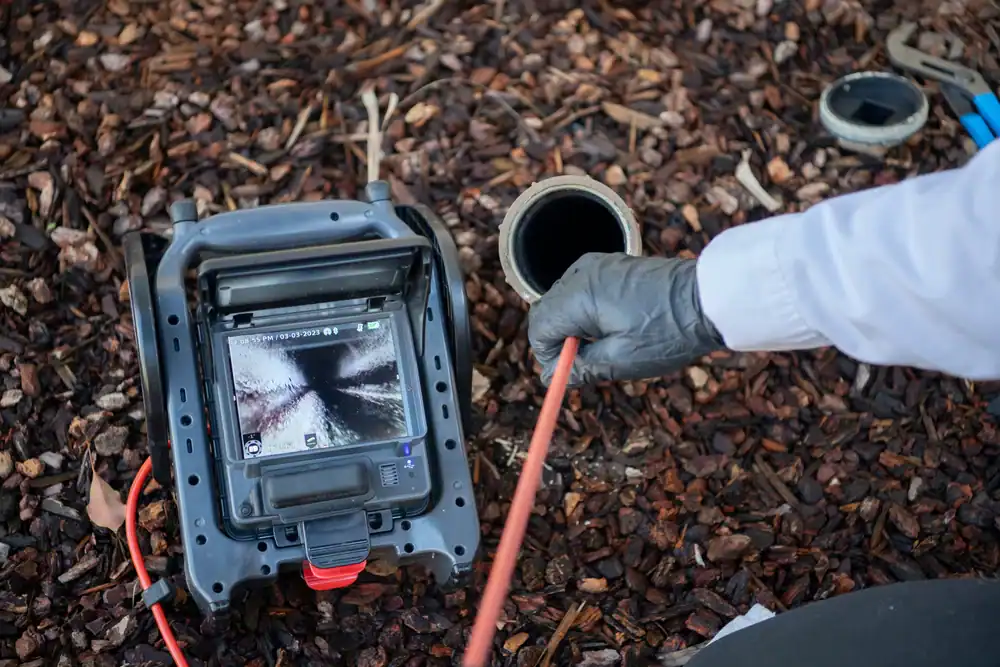
The camera feeds live video to a monitor as it travels through your pipes. You’re welcome to watch alongside us – most homeowners want to see what’s going on. The footage shows us cracks, blockages, root intrusions, separated joints, and any other damage. The camera’s built-in transmitter records the depth and location of problems, so if repairs are needed, we know exactly where to work.
The inspection typically takes 30 to 90 minutes depending on the length of your system and what we find. If there’s a blockage preventing the camera from moving forward, we’ll discuss whether hydro-jetting or mechanical removal makes more sense before continuing the inspection.
You’ll receive digital footage and reporting that documents the condition of your pipes. If you’re in the middle of a real estate transaction, we send that documentation directly to your lender or title company.
Ready to get started?
Camera inspections catch problems that surface-level assessments miss completely. We’re looking for deteriorated piping, tree root intrusion, blockages from grease or debris buildup, bellies where pipes have settled unevenly, cracks or breaks in the line, and water infiltration that signals a failing system.
In East Norwich, tree roots are one of the most common culprits. Roots seek out moisture, and even a hairline crack in your pipe gives them an entry point. Once inside, they grow into a dense mass that traps waste and eventually blocks the entire line. Camera inspections show us exactly where roots have infiltrated, so we can target those sections for repair or replacement.
Nassau County has strict groundwater protection requirements, and systems that overflow or fail face significant fines plus mandatory replacement costs. If your system is more than 20 years old, a camera inspection gives you an early warning before a small problem becomes an expensive emergency. Most homeowners spend $300 to $600 on routine cesspool pumping, but a system failure can run into the thousands – especially if you’re required to upgrade to a modern septic system under current county regulations.
Real-time clog detection also matters during emergencies. When your drains back up on a weekend or holiday, camera inspection tells us immediately whether we’re dealing with a simple blockage, a collapsed pipe, or root intrusion. That saves you money because we’re not guessing about the fix – we’re responding to what we actually see.
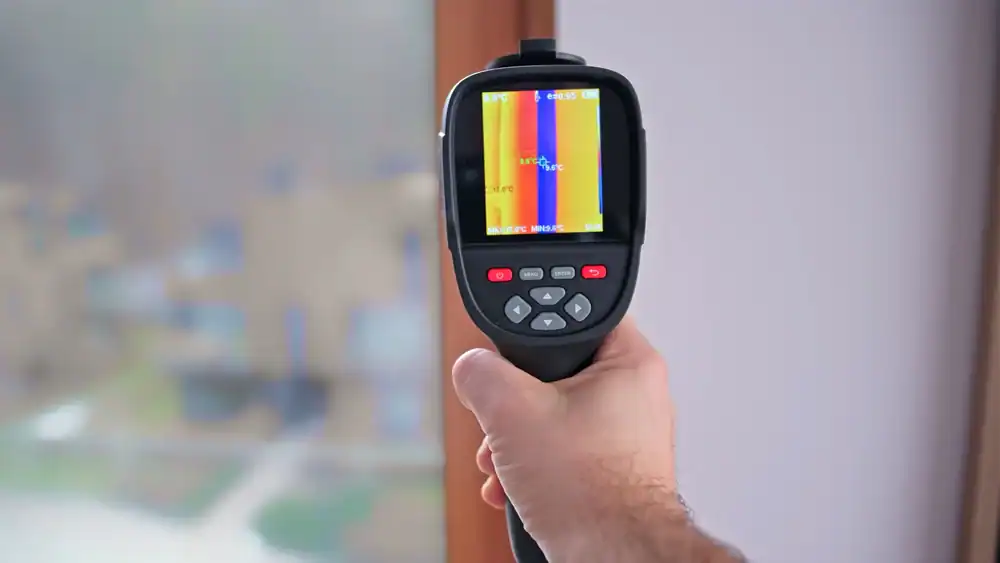
Camera inspections typically run between $200 and $400 depending on the length of your pipe system and how accessible your cleanouts are. That’s a fraction of what you’d pay for exploratory digging, and it gives you a definitive answer about what’s wrong.
If you’re dealing with an emergency backup, the inspection cost is usually rolled into the overall service call. We don’t charge separately just to figure out what we’re fixing – the camera is part of our diagnostic process.
For real estate transactions, some buyers negotiate with sellers to split the inspection cost, especially if the system is older or showing signs of trouble. Either way, spending a few hundred dollars upfront can save you from discovering a $10,000 problem after closing.
If you’re buying a home in East Norwich, yes – your lender will likely require documentation of the cesspool or septic system’s condition before approving your mortgage. Camera inspection provides that documentation and protects you from inheriting someone else’s deferred maintenance.
If you already own your home and everything’s draining normally, a camera inspection isn’t urgent. But if you’re experiencing slow drains, gurgling sounds, sewage odors, or wet spots in your yard, those are early warning signs that something’s developing underground. Catching it early with a camera inspection usually means a simpler, cheaper fix than waiting until the system fails completely.
Many East Norwich homeowners schedule a camera inspection when they’re due for routine pumping, especially if their system is over 15 years old. It’s a proactive way to spot deterioration before it becomes a crisis, and it takes less than two hours.
Yes. The camera’s radio transmitter records the depth and physical location of any problem it identifies, and we can mark that spot from the surface. If you have a leak, a crack, or a separated joint, we’ll know exactly how many feet down your line it sits and precisely where to dig if repairs are needed.
That’s a huge advantage over the old method of digging exploratory trenches and hoping to find the problem. Locating underground pipe leaks with a camera means we’re only excavating the section that actually needs work – not your entire yard.
For homeowners in East Norwich, this matters because many properties have mature landscaping, paved driveways, or structures built over sewer lines. Pinpointing the problem before we dig minimizes disruption to your property and keeps labor costs down. You’re paying for targeted repairs, not a scavenger hunt.
If we find root intrusion, the next step depends on how severe the problem is. Small roots that haven’t caused a full blockage can often be cleared with hydro-jetting, which uses high-pressure water to cut through the roots and flush them out of the line. That’s usually the most cost-effective option if the pipe itself is still structurally sound.
If the roots have caused significant damage – cracks, breaks, or separated joints – you’re looking at a repair or replacement of that section of pipe. The camera footage shows us exactly how much of the line is compromised, so we’re not replacing more pipe than necessary.
Tree root problems are extremely common in East Norwich because of the mature trees throughout the area and the age of most sewer systems. Clay pipes, which were standard in older homes, are especially vulnerable because roots can penetrate the joints. Once we’ve cleared the roots and repaired any damage, many homeowners ask about root barriers or chemical treatments to prevent future intrusion. We’ll walk you through those options based on what we found during the inspection.
Most camera inspections take between 30 and 90 minutes depending on the length of your sewer line and whether we encounter any blockages along the way. If your system is straightforward and we’re just documenting the condition for a real estate transaction, we’re usually done in under an hour.
If we find a problem that’s blocking the camera’s progress, we’ll need to clear that obstruction before we can continue inspecting the rest of the line. That can add time to the job, but it also means we’re addressing the issue right away instead of scheduling a second visit.
You’re welcome to stay and watch the inspection on the monitor. Most homeowners find it helpful to see exactly what’s going on inside their pipes, and it makes the repair recommendations a lot easier to understand when you’ve seen the damage yourself. We’ll walk you through what we’re looking at and answer any questions as we go.
No. Camera inspections are completely non-invasive. The camera is designed to travel smoothly through your pipes without scraping, scratching, or putting pressure on the walls. It’s a diagnostic tool, not a cleaning or repair tool, so there’s no risk of causing damage during the inspection process.
If your pipes are already severely deteriorated or on the verge of collapse, the camera will reveal that – but it won’t cause the collapse. In fact, that’s exactly the kind of information you want before the pipe fails on its own and creates an emergency.
The camera can navigate bends, angles, and changes in pipe diameter without issue. We’ve inspected thousands of systems across Long Island, including many of East Norwich’s oldest homes, and the technology is proven safe for pipes in any condition. If anything, the inspection helps you avoid damage by identifying weak points before they turn into breaks or backups.
Other Services we provide in East Norwich