
Hear from Our Customers
A functioning sewer line to cesspool connection means your toilets flush, your drains clear, and your basement stays dry. When that connection fails due to poor pipe pitch and slope, tree root intrusion, or decades-old clay pipes finally giving out, you’re facing thousands in damage.
Most East Norwich homes were built between the 1950s and 1980s. Those original waste lines weren’t designed to last forever. Cast iron corrodes, clay cracks, and Orangeburg pipe collapses under soil pressure.
Replacing your main waste line before it fails completely costs a fraction of emergency repairs. You avoid the sewage backup, the contaminated basement, the frantic calls on a Sunday morning when no one wants to come out. You get a system that works reliably for another 30-40 years, installed correctly the first time with proper slope and modern materials that won’t fail when you need them most.
We’ve been handling line changes in Nassau County since 1952. We’ve worked on everything from the older homes near Oyster Bay to newer construction throughout the hamlet.
East Norwich isn’t connected to municipal sewer systems, which means your cesspool system is your only option. We know the soil conditions here, the common failure points in homes from different decades, and how to handle the permitting process with Nassau County.
We’re licensed (N.Y.S. Dec Lic # 1A-873), insured, and available 24/7 when emergencies happen. Our pricing is transparent before we start digging, and we show up when we say we will.
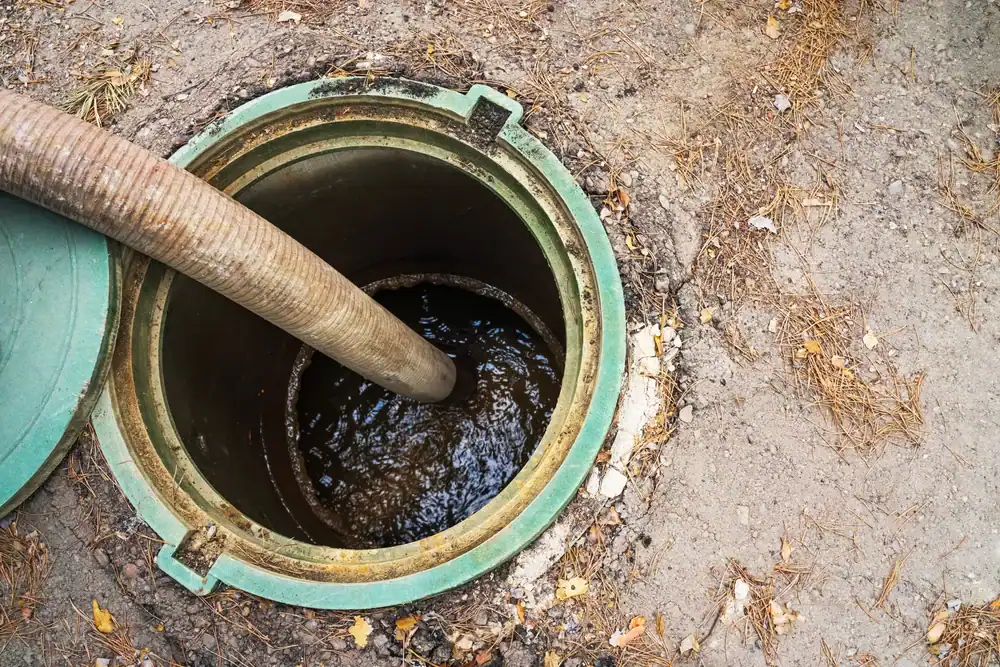
First, we assess your current system. We locate your main waste line, identify where it’s failing, and determine the best path for replacement. If tree roots have invaded or the pipe has collapsed, we map out exactly what needs to be replaced versus what can stay.
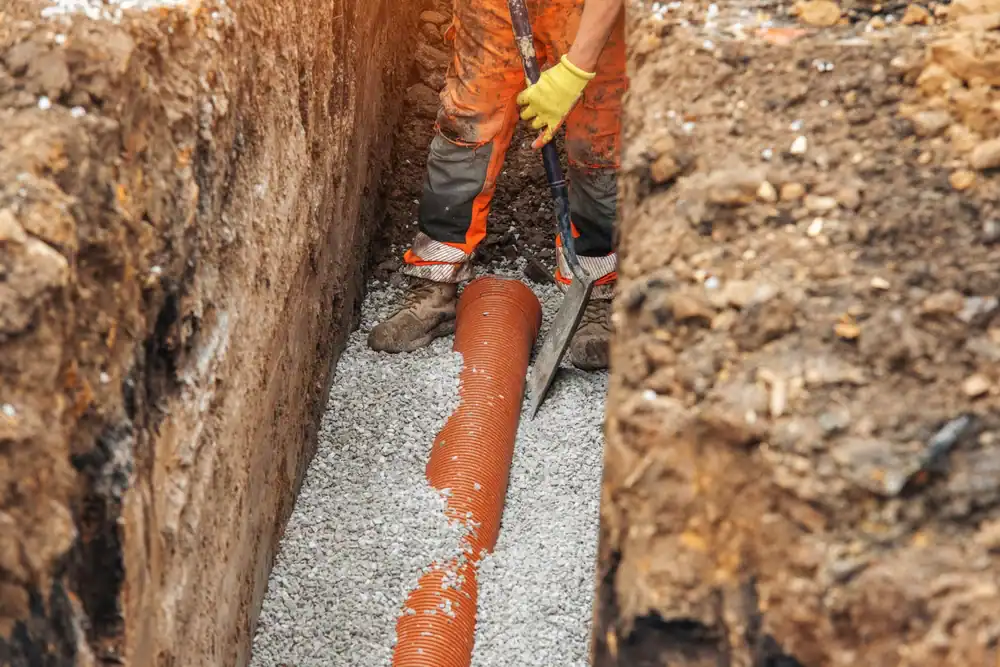
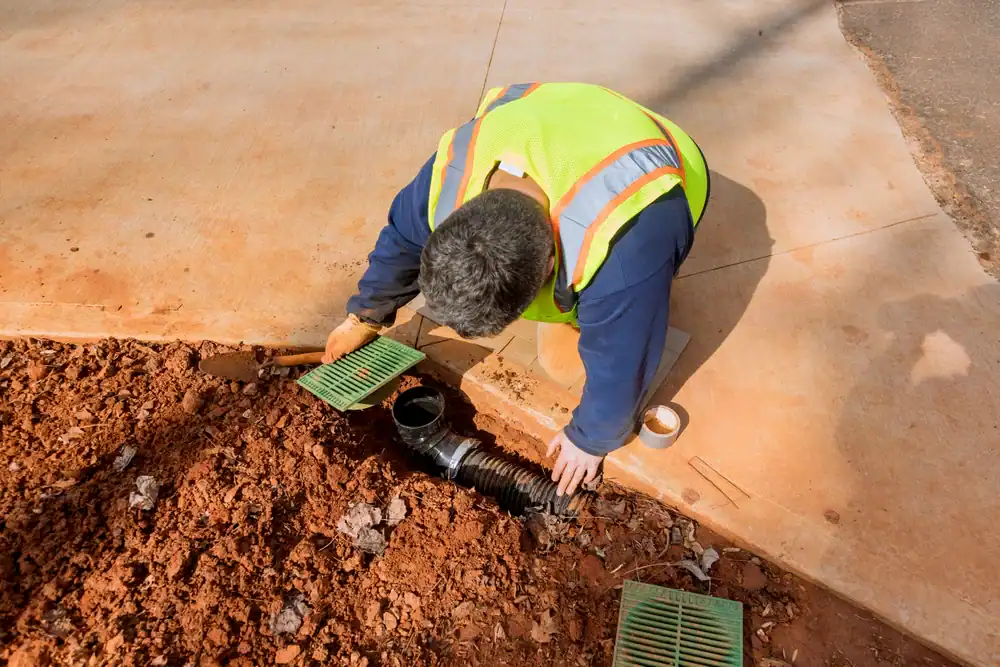
Next comes trenching and excavation. We dig down to expose the damaged line, carefully removing soil to access the full length that needs replacement. Depending on your property layout and how deep the line runs, this might mean digging through your yard, driveway, or landscaping. We work to minimize disruption, but accessing a buried waste line requires real excavation.
Then we install the new line with proper pipe pitch and slope. This is critical. Your waste line needs to slope at least 1/4 inch per foot to drain properly. Too flat and waste sits in the pipe. Too steep and liquids rush ahead, leaving solids behind. We set the grade correctly so everything flows into your cesspool the way it should.
Finally, we connect everything, test the system, backfill the trench, and restore your property. You get a waste line that’ll last decades, installed to code, with the correct slope from your house to your cesspool.
Ready to get started?
You get a complete assessment of your current system before we start. We don’t guess. We locate your existing line, identify the failure point, and explain exactly what needs replacement and why.
The excavation work includes all necessary trenching to access your waste line, whether that’s 3 feet deep or 8 feet deep depending on your property. We handle the heavy equipment, the soil removal, and the careful digging required to expose pipes without damaging your cesspool or foundation.
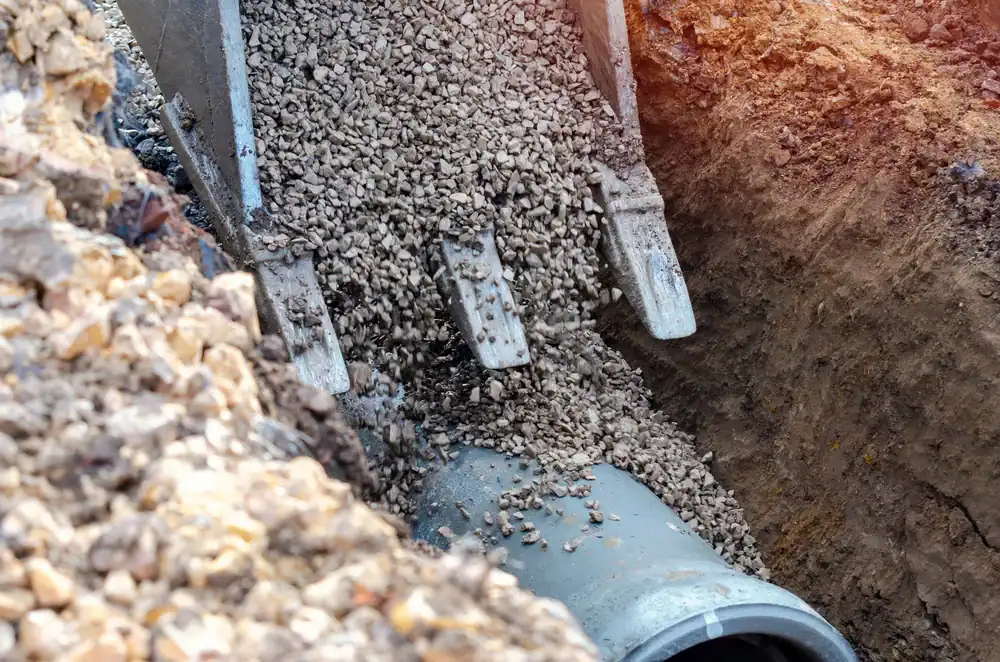
Your new line gets installed with Schedule 40 PVC or cast iron, depending on your specific situation and local code requirements. We set the proper slope, make watertight connections, and ensure everything from your house to your cesspool flows correctly. In East Norwich’s soil conditions, this matters more than most homeowners realize. Clay soil doesn’t drain well, which means any standing water in your waste line becomes a breeding ground for clogs.
After installation, we test the system, backfill with proper compaction to prevent settling, and restore your yard as close to original condition as possible. You also get documentation for your records and any permits required by Nassau County.
If you’re dealing with repeated backups in the same location, that’s usually a sign the pipe itself has failed. A repair might work temporarily if you have a small crack or a single root intrusion point, but if the pipe is old cast iron or clay that’s deteriorating along its length, you’re just delaying the inevitable.
Most East Norwich homes with original waste lines from the 1950s-1970s are reaching the end of those pipes’ functional life. Cast iron corrodes from the inside out. Clay pipes crack under ground pressure and tree roots. Orangeburg pipe, which was common in the 1950s, literally collapses because it’s just tar paper.
We’ll camera inspect your line if there’s any question. That shows us exactly what’s happening underground. If we see multiple failure points, widespread corrosion, or structural collapse, a full line change is the only real fix. If it’s truly isolated damage in an otherwise solid pipe, we’ll tell you that too.
Tree roots are the biggest culprit. East Norwich has mature trees throughout the area, and roots seek out moisture. Your waste line carries water, which means roots grow toward it, penetrate any small crack or joint, and then expand inside the pipe until they create a complete blockage.
The soil conditions here don’t help. Nassau County has heavy clay soil in many areas, which shifts and settles over time. That movement stresses your waste line, especially at connection points. Add in decades of freezing and thawing cycles, and you get cracks that turn into breaks.
Age is the other major factor. If your home was built before 1980 and still has the original waste line, you’re on borrowed time. Those materials weren’t designed to last 50+ years underground. Cast iron corrodes, clay becomes brittle, and older connection methods fail. The question isn’t if they’ll fail, it’s when.
Most residential line changes in East Norwich take 1-2 days depending on the length of line we’re replacing and what we encounter during excavation. If we’re replacing 50 feet of line with straightforward access, that’s typically a one-day job. If we’re going 100+ feet, dealing with ledge rock, or working around mature tree roots, it might stretch into a second day.
The actual installation work isn’t what takes time. It’s the excavation and restoration. We need to dig down to your existing line carefully, remove the old pipe, prepare the trench bed properly, install the new line with correct slope, and then backfill with proper compaction. Rushing any of those steps creates problems later.
Weather can affect timing too. Heavy rain turns excavation sites into mud pits, which means we need to wait for better conditions. We’d rather delay a day than install your new line in standing water where we can’t properly compact the backfill. You’re better off with a job done right than done fast.
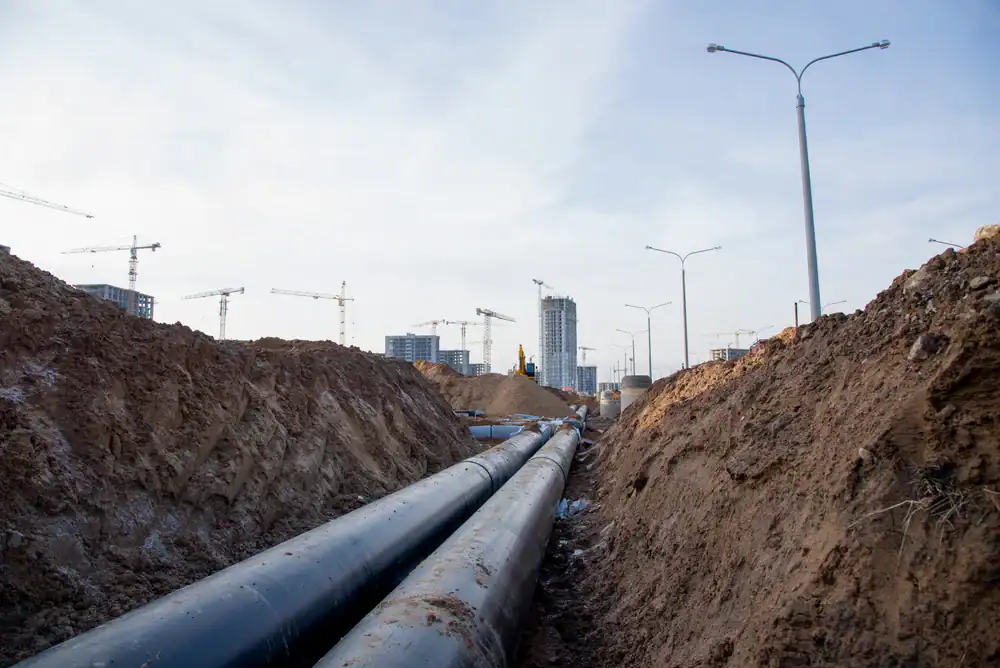
We only excavate the path your waste line follows from your house to your cesspool. That’s typically a trench 2-3 feet wide running in a straight line between the two points. If your cesspool is 50 feet from your house, we’re digging a 50-foot trench. If it’s 100 feet, then 100 feet.
The depth varies based on how deep your existing line runs and what’s required to maintain proper slope. Most residential waste lines in East Norwich run 3-6 feet deep. We excavate down to that depth, replace the line, and backfill.
Your driveway, sidewalk, or patio might need to be cut if your waste line runs underneath. We’ll know this during the initial assessment. If we do need to cut concrete or asphalt, we saw-cut clean lines, remove only what’s necessary, and restore it after the line is installed. It’s not fun, but it’s sometimes unavoidable when your waste line runs under hardscape.
Most residential line changes in Nassau County run between $3,500 and $8,000 depending on length, depth, and site conditions. A straightforward 50-foot replacement with easy access and no obstacles costs less than a 100-foot line that runs under your driveway through rocky soil.
We price based on what your specific job requires. That includes the excavation depth, the length of line being replaced, the type of pipe we’re installing, any concrete or asphalt that needs cutting and restoration, and disposal of the old materials. We give you a clear price before we start digging, and that price doesn’t change unless we discover something underground that wasn’t visible during the assessment.
Emergency line changes cost more because you’re paying for immediate response and after-hours labor. If you’re calling us on a Saturday night because sewage is backing up into your basement, expect to pay 2-3 times what scheduled work costs. That’s why we recommend addressing warning signs before they become emergencies. Slow drains, gurgling toilets, and sewage odors in your yard are all signs your line is failing.
You can wait until your line fails completely and you have sewage backing up into your basement. That’s what most people do, and it’s why emergency calls cost three times more than scheduled work.
If your waste line is showing signs of failure, it’s not going to improve over winter. Freezing temperatures make existing cracks worse. Ground movement during freeze-thaw cycles stresses already-weakened pipes. Tree roots don’t stop growing just because it’s cold.
The real question is whether you want to deal with this on your timeline or on the pipe’s timeline. Scheduled line changes happen when it’s convenient for you, with planned excavation, proper restoration, and standard pricing. Emergency line changes happen at 2 AM on Thanksgiving weekend when your toilets won’t flush and you have family visiting. We’ll come out either way, but one scenario costs a lot less and involves a lot less stress.
Other Services we provide in East Norwich