
Hear from Our Customers
Most sewer and cesspool problems start small. A crack lets tree roots in. A joint separates. Grease builds up over years. By the time you notice slow drains or sewage smells, the damage is already done.
A camera inspection catches these issues early. You get real-time footage of what’s happening underground without tearing up your yard. That means you know whether you’re looking at a simple cleaning, a spot repair, or something bigger before anyone picks up a shovel.
Fire Island properties deal with unique pressure. Older systems. High groundwater. Storm surges that push septic systems to their limit. When your pipes fail here, it’s not just inconvenient—it’s a health hazard and a financial hit that can run into the tens of thousands. Knowing what’s down there gives you control over the timeline and the budget.
We’ve been serving Fire Island for nearly two decades. Four generations of experience means we’ve seen what works and what doesn’t in coastal systems that take a beating from saltwater, sand, and seasonal use.
We’re available 24/7 because septic emergencies don’t wait for business hours. When you call, you’re getting a team that knows Fire Island’s infrastructure, understands the limitations of older systems, and won’t waste your time or money on guesswork.
We treat your property like it’s ours. That means showing up on time, explaining what we find in plain terms, and giving you options instead of pressure.
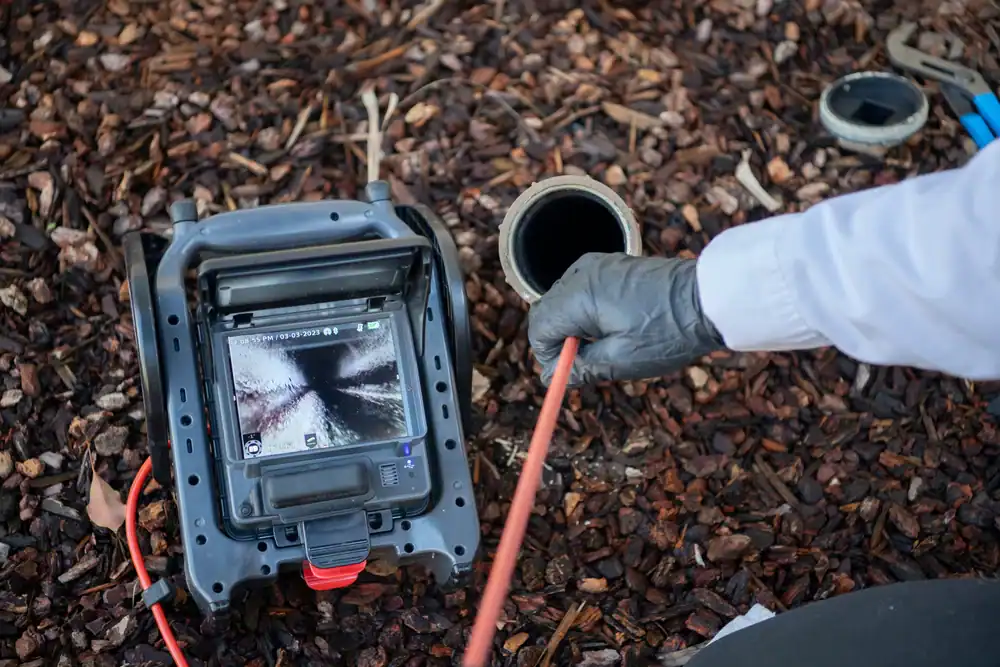
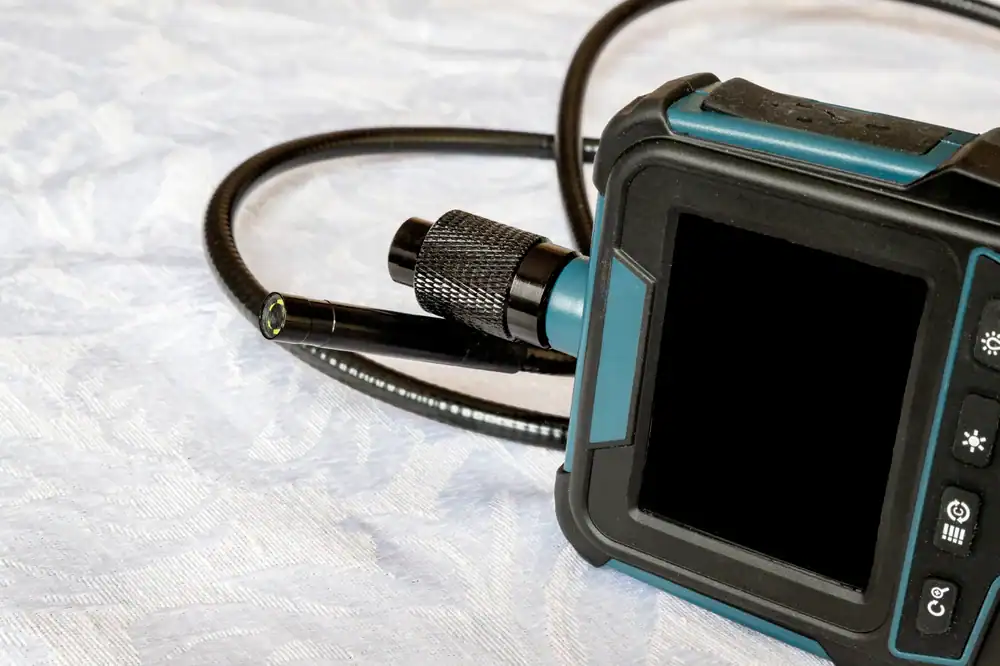
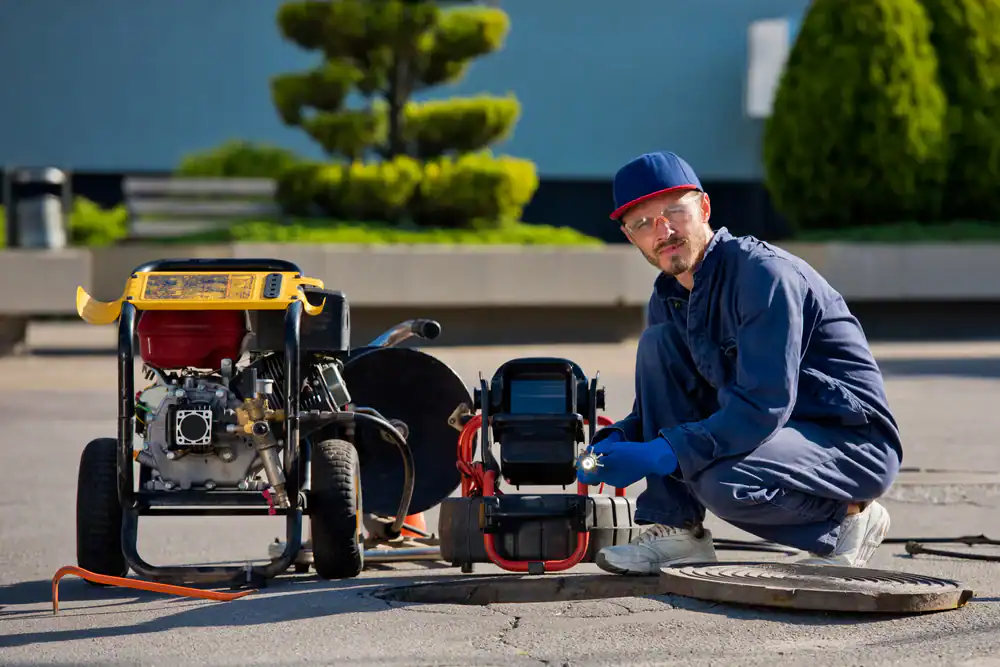
The process is straightforward. We insert a high-resolution camera attached to a flexible cable into your sewer line through an existing access point—usually a cleanout or drain. The camera travels through your pipes while transmitting live video back to our monitor.
As we move through the system, we’re looking for cracks, blockages, root intrusion, corrosion, and joint separation. The camera is self-leveling with zoom capability, so we can inspect pipes from 2 inches to 36 inches in diameter. If there’s a problem, we mark the exact location and depth so any repair work is targeted and efficient.
Most inspections take one to three hours depending on the length and complexity of your system. You can watch the footage with us in real time, and we’ll walk you through what we’re seeing. Within 24 hours, you get a full report with digital footage and our assessment of what needs attention now versus what you can monitor.
No digging. No guessing. Just clear answers about what’s happening underground.
Ready to get started?
When we inspect your system, you’re getting more than just a video. You’re getting documentation you can use for insurance claims, real estate transactions, or repair planning. The digital footage and reporting we provide show the exact condition of your pipes with timestamps and location markers.
This matters in Fire Island because so many properties change hands or sit vacant part of the year. Buyers want proof the system works before closing. Sellers want to know what they’re dealing with before listing. Property managers need records when tenants report problems.
Fire Island’s low elevation and proximity to groundwater mean septic systems here fail differently than inland properties. When storm surges hit or heavy rain saturates the ground, multiple systems can fail at once. A camera inspection before problems start gives you lead time to plan repairs during the off-season when contractors are available and costs are lower.
The inspection also prevents the expensive mistake of digging in the wrong spot. Repair costs on the island can run $300 per linear foot or more. Knowing exactly where the problem is—down to the foot—saves you from paying to excavate areas that don’t need it.
A camera inspection typically runs between $100 and $500 depending on the system size and complexity. Compare that to repair costs that start around $2,500 for minor fixes and can easily hit $25,000 or more for full system replacements.
The inspection pays for itself if it catches even one problem early. A small crack that gets repaired before tree roots invade might cost a few hundred dollars. Wait until those roots block your line and cause a backup, and you’re looking at emergency service calls, extensive excavation, and possibly damage to your home’s interior from sewage overflow.
For Fire Island properties, the math is even more compelling. Access is limited. Contractors charge premium rates to bring equipment over. Storm damage can compound quickly when systems are already stressed. Spending a few hundred dollars to know what you’re dealing with is cheap insurance against a five-figure surprise.
The camera catches anything that affects flow or structural integrity. That includes cracks and breaks in the pipe, root intrusion through joints or damaged sections, grease buildup and other blockages, corrosion or deterioration of older materials, separated or misaligned joints, and collapsed sections.
We can also identify bellies—sections where the pipe has settled and creates a low spot where waste collects. On Fire Island, we frequently find damage from ground shifting, saltwater corrosion on metal components, and infiltration points where groundwater is getting into the system.
The camera doesn’t just show us there’s a problem. It shows us exactly what the problem is, where it’s located, and how severe it is. That specificity matters when you’re deciding whether to repair or replace, and it eliminates the guesswork that leads to cost overruns.
Before you close. Standard home inspections don’t include sewer line checks, which means you could be buying someone else’s expensive problem without knowing it.
This is especially important on Fire Island where many systems are decades old and have been subjected to harsh coastal conditions. A property that looks perfect above ground might have a sewer line that’s one heavy rain away from failure.
Get the inspection during your due diligence period. If the camera finds issues, you have leverage to negotiate repairs, request a price reduction, or walk away if the problems are severe enough. Once you own the property, those options disappear and the repair bill becomes yours alone. The few hundred dollars you spend on an inspection protect you from inheriting a problem that could cost tens of thousands to fix.
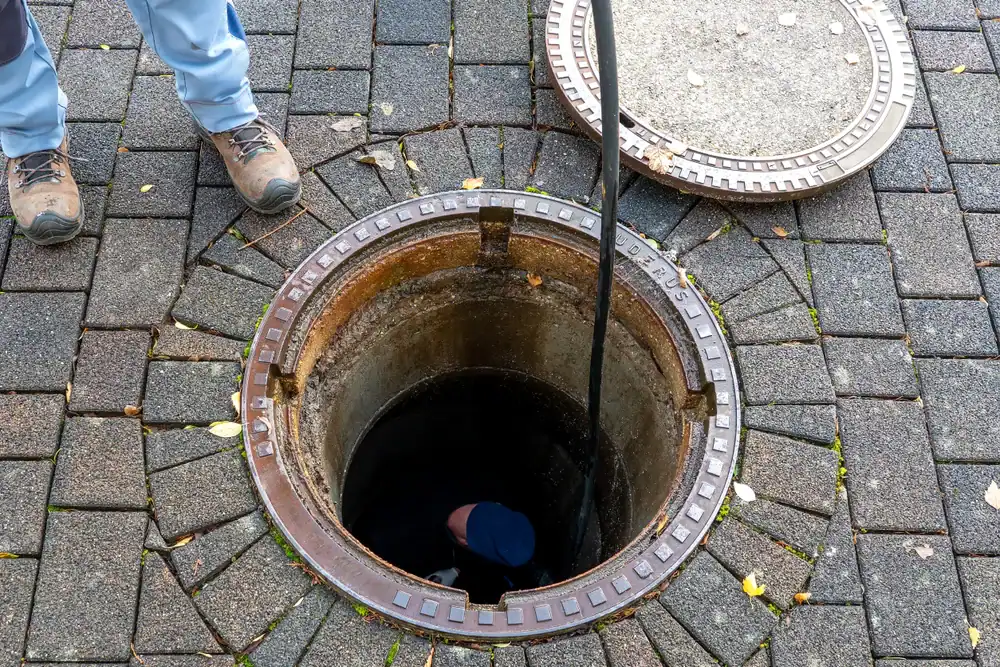
Most inspections take one to three hours depending on how much of the system we’re examining. The process is completely non-invasive—we use existing access points like cleanouts or drains, so there’s no digging and no damage to your landscaping or hardscaping.
The camera travels through your pipes on a flexible cable that’s designed to navigate bends and junctions without causing any harm to the pipe itself. We’re not forcing anything or using equipment that could create problems where none existed.
When we’re done, your property looks exactly like it did when we arrived. No filled-in holes. No torn-up lawn. No mess to clean up. You get all the information you need about your underground system without any of the disruption that comes with exploratory digging.
You get options, not pressure. We’ll show you exactly what we found, explain what it means for your system, and lay out your choices for addressing it.
Some problems need immediate attention—like a blockage that’s about to cause a backup or a crack that’s letting sewage leak into the ground. Others can be monitored and planned for during the off-season when scheduling is easier and costs might be lower.
We provide written documentation with the video footage, location details, and our professional assessment. That gives you what you need to get multiple quotes if you want them, file insurance claims if applicable, or plan the work on your timeline instead of during an emergency. The camera inspection puts you in control of the situation instead of reacting to a crisis.
Fire Island’s environment is harder on septic and sewer systems than typical residential areas. The low elevation means groundwater sits close to the surface, which puts constant pressure on cesspools and leaching systems. When storm surges or heavy rain hit, that pressure intensifies and systems fail.
Most of the island’s infrastructure is older—built before modern septic standards existed. These systems were designed for seasonal use, but many properties now have year-round residents or heavy rental traffic. That increased load on aging systems accelerates wear and creates failures.
Saltwater exposure corrodes metal components faster. Sand infiltration damages pumps and clogs distribution lines. Limited contractor access means emergency repairs cost more and take longer. A camera inspection gives you advance warning so you can address problems before they become emergencies during peak season when you can least afford the disruption.
Other Services we provide in Fire Island