
Hear from Our Customers
You stop worrying about backups during peak season. You stop wondering if that slow drain means something worse is coming. You stop losing sleep over whether your rental property will flood the week your guests arrive.
When your sewer line to cesspool connection is installed correctly—with proper pipe pitch and slope—wastewater moves the way it’s supposed to. No pooling in low spots. No backups when multiple fixtures run at once. No emergency calls at midnight because someone flushed and the basement started filling.
Fire Island properties deal with challenges most plumbers never see. Sandy soil shifts. High water tables put pressure on connections. Seasonal properties sit unused for months, then get hammered with constant use all summer. Your lines need to handle that without failing, and that only happens when the trenching and excavation work accounts for what’s actually underground—not what someone assumes is there.
Quality Cesspool has spent more than 10 years working on Fire Island properties. We know which areas have deeper sand. We know where the water table sits in different neighborhoods. We know what fails first in older systems and what lasts.
We’re licensed, insured, and available 24/7 because cesspool emergencies don’t wait for business hours. When you call, you’re talking to people who’ve handled hundreds of line changes across Fire Island—people who can tell you what’s wrong, what it’ll take to fix it, and what it shouldn’t cost.
We’re not the cheapest option, and we won’t pretend to be. You’re paying for equipment that fits through narrow beach access points, experience that prevents costly mistakes, and work that passes inspection the first time.
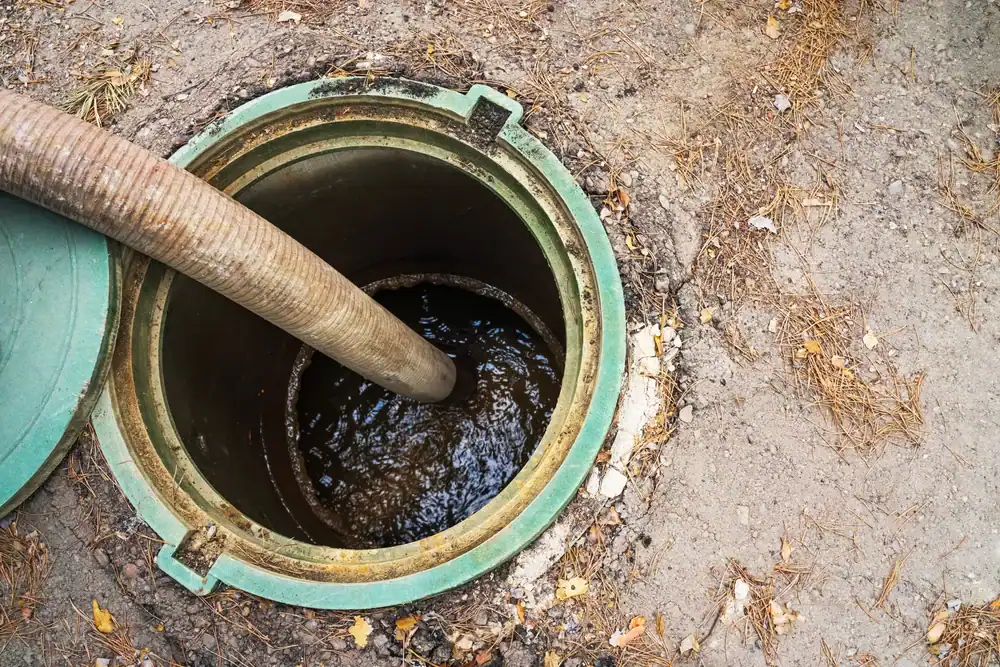
First, we assess what’s failing and why. That means locating your existing lines, checking the connection points, and figuring out if this is a partial repair or a full main waste line replacement. We’re looking at pipe pitch, checking for root intrusion, and measuring how far the damage extends.
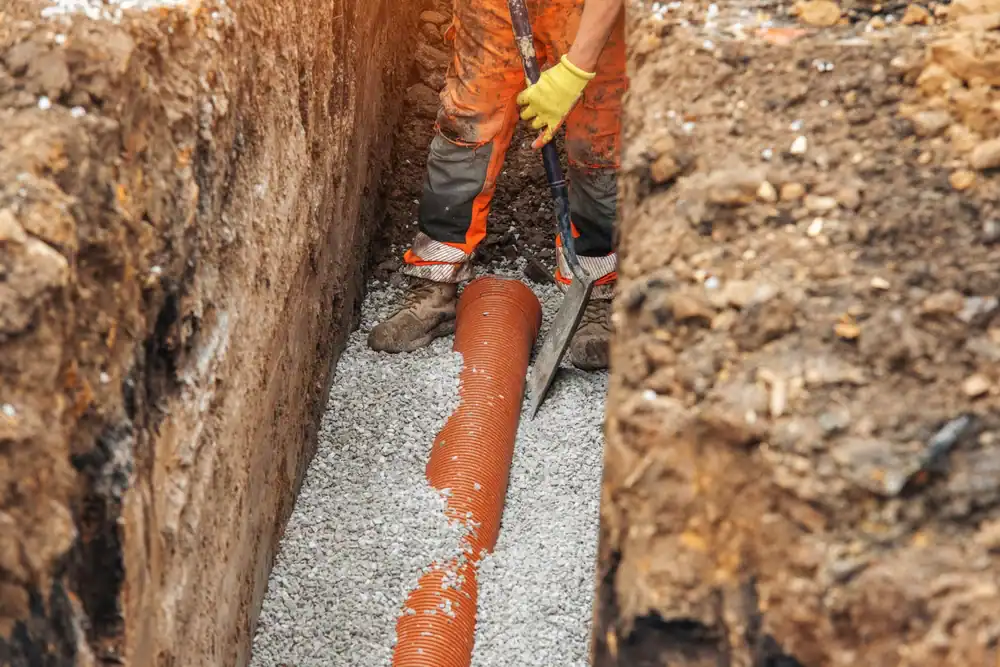
Then comes trenching and excavation. On Fire Island, that’s not as simple as digging a straight line. We’re working around limited access, protecting your property, and dealing with sand that doesn’t hold a trench the way clay soil does. We bring equipment that fits your space—not equipment that tears up your yard because it’s all we have.
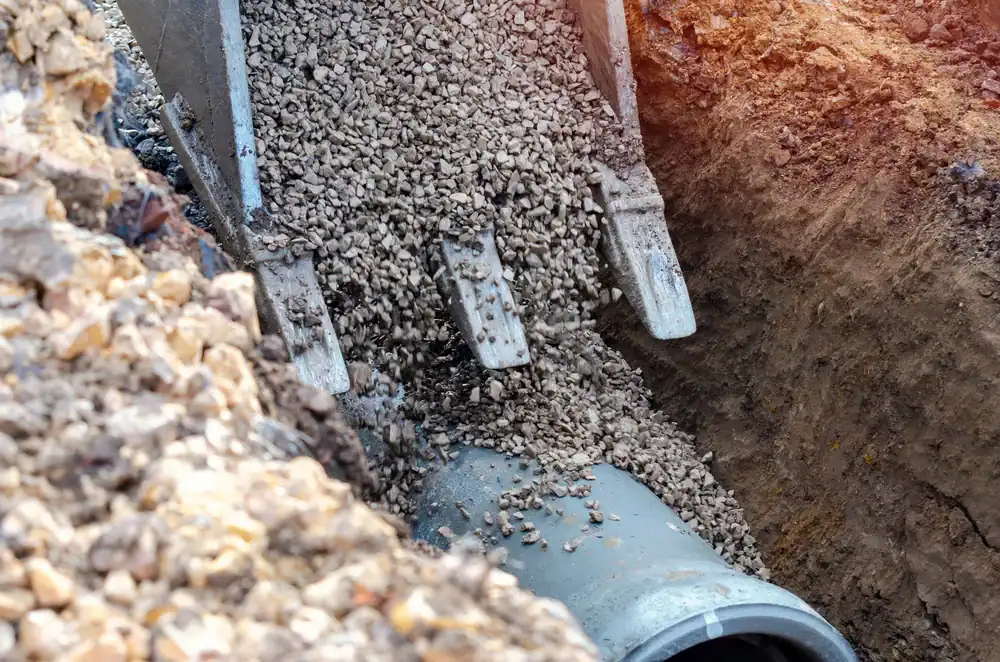
Once the trench is open, we remove the damaged sections and install new lines with the correct slope. Wastewater needs gravity to move, and even a small error in pitch means slow drainage or backups down the line. We connect everything to your cesspool properly, backfill the trench, compact the sand, and test the system before we leave.
You’ll know the job is done when drains move fast again, when you’re not hearing gurgling from fixtures, and when you’re not calling us back three weeks later because something’s still wrong.
Ready to get started?
You’re getting a full assessment of your current system—not just the broken section. We locate all connection points, check the sewer line to cesspool connection, and identify anything else that’s close to failing. If your system has other weak points, you’ll know before they become emergencies.
The work includes proper trenching and excavation with equipment suited to Fire Island’s conditions. We’re not bringing a full-size excavator down a narrow beach path. We use what fits, and we protect your landscaping and structures while we work.
Every line we install gets set at the correct pipe pitch and slope. That’s not negotiable. Fire Island’s sandy soil and high water table mean there’s no room for error—if the slope is off, you’ll have problems immediately. We also make sure all connections are sealed properly so groundwater doesn’t infiltrate your lines and overload your cesspool.
You’re also getting cleanup and disposal. We haul away old pipes, backfill trenches correctly, and leave your property the way we found it. And if something goes wrong after we’re done, we’re available 24/7 to come back and make it right.
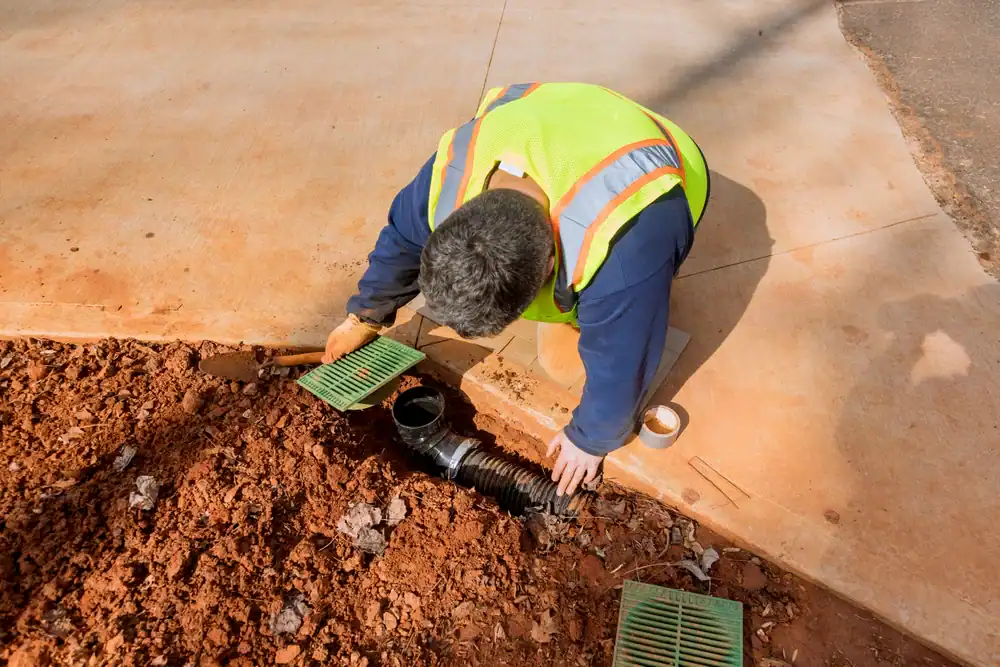
Sewer line replacement typically runs between $60 and $250 per linear foot, depending on how deep the line sits, how much we’re replacing, and what we’re working around. Fire Island properties add complexity because of access limitations and sandy soil conditions.
If we’re replacing 50 feet of line, you’re looking at somewhere between $3,000 and $12,500. That range exists because every property is different. A straightforward replacement with clear access costs less than a job where we’re working under a deck, around mature landscaping, or in an area where we need specialized equipment to reach the site.
We’ll give you a clear estimate after we assess your specific situation. No surprises, no upselling—just an honest number based on what the job actually requires.
The most common cause is improper pipe pitch and slope. If your lines don’t have enough downward angle, wastewater moves too slowly and solids settle in low spots. Over time, that creates blockages. Fire Island’s sandy soil can shift, changing the slope of pipes that were installed correctly years ago.
Root intrusion is another major issue. Trees and shrubs send roots toward any moisture source, and sewer lines are prime targets. Once roots get inside a pipe, they catch debris and create clogs. Older clay or cast iron pipes are especially vulnerable because they develop cracks and gaps as they age.
Crushed or collapsed pipes also cause failures. This happens when soil settles unevenly, when heavy equipment drives over buried lines, or when pipes weren’t bedded properly during installation. On Fire Island, seasonal ground movement from freeze-thaw cycles and high water tables can stress pipes that aren’t installed with the right support.
Most line changes take one to three days, depending on how much line we’re replacing and what we encounter underground. A straightforward 30-foot replacement with good access might be done in a day. A more complex job involving 100+ feet of line, difficult terrain, or unexpected complications can stretch into three days.
Fire Island’s access challenges add time. If we can’t get equipment close to the work area, we’re moving materials and soil by hand or with smaller machines. That’s slower, but it’s the only way to avoid tearing up your property.
Weather also matters. Heavy rain turns sand into soup, and we can’t safely work in a trench that’s collapsing. We’ll be straight with you about timing—if conditions aren’t safe, we’ll pause the job and come back when they are. Rushing a line change to meet a deadline is how you end up with a system that fails again in six months.
Sometimes, yes. If the damage is localized to one section and the rest of your line is in good shape, we can excavate just that area and leave the rest untouched. We locate the problem section, dig a targeted trench, replace the damaged pipe, and backfill.
Trenchless methods like pipe lining exist, but they’re not always practical for Fire Island cesspool systems. Pipe lining works best on longer runs of municipal sewer lines—not the shorter connections between a house and a cesspool. And if your pipe is crushed or severely misaligned, lining won’t fix the underlying problem.
We’ll assess your situation and tell you what makes sense. If we can minimize excavation without compromising the repair, we will. But if your whole line is deteriorating, patching one section just means you’ll be calling us back in a year when the next section fails. We’d rather give you the full picture upfront so you can make an informed decision.
Repairing means fixing a specific problem—patching a crack, clearing a blockage, or replacing a short damaged section. Replacing means removing the entire line from your house to your cesspool and installing new pipe. Repairs cost less upfront but don’t address problems in the rest of the line.
If your line is relatively new and the damage is isolated, a repair makes sense. If your line is decades old, made of outdated materials, or showing problems in multiple spots, replacement is the smarter move. Older clay pipes crack. Cast iron corrodes. Orangeburg pipe (compressed wood fiber) collapses. Patching one section doesn’t stop the rest from failing.
Fire Island properties often have older systems that were installed before current standards existed. If your line is original to a house built in the 1960s or 70s, you’re likely looking at replacement rather than repair. We’ll inspect the full line and show you what condition it’s in so you’re not guessing.
Yes. Suffolk County requires permits for any work involving sewer lines and cesspool connections. The permit process ensures the work meets current codes, the trenching is done safely, and the new line is installed at the correct depth and slope.
We handle the permit process as part of the job. That includes submitting plans, scheduling inspections, and making sure everything passes. You don’t need to deal with the county directly—we take care of it.
Skipping permits might seem like a way to save money, but it creates problems down the road. If unpermitted work fails, insurance may not cover the damage. If you sell your property, unpermitted improvements can kill a deal or force you to rip out the work and redo it properly. It’s not worth the risk. We pull permits on every job because it protects you and ensures the work is done right.
Other Services we provide in Fire Island