
Hear from Our Customers
You shouldn’t have to excavate half your property just to figure out what’s wrong with your cesspool system. A camera inspection shows you the exact problem, where it is, and how bad it really is—before anyone starts digging.
That means you’re not paying a crew to tear up your driveway based on a hunch. You’re making decisions with actual visual proof in front of you. The footage doesn’t lie, and it doesn’t upsell you on work that isn’t necessary.
Most Gordon Heights homeowners find out their issue is smaller than they feared. Some discover a problem they didn’t know existed yet—one that would’ve cost thousands more if left alone another year. Either way, you’re in control of what happens next because you saw it yourself.
We’ve spent over a decade working with homeowners across Gordon Heights and the surrounding Suffolk County area. We know what breaks down in these systems because we’ve seen it hundreds of times—tree roots in older neighborhoods, shifting soil around properties built in the ’70s and ’80s, and the wear that comes with systems that weren’t designed to last this long.
We’re not new to this. We’re not learning on your property. And we’re not going to tell you something’s broken just because we showed up with a camera.
Gordon Heights is a tight-knit community where reputation matters. We handle permits, we follow Suffolk County regulations, and we treat your property the way we’d want ours treated—because word travels fast around here, and we plan on staying.
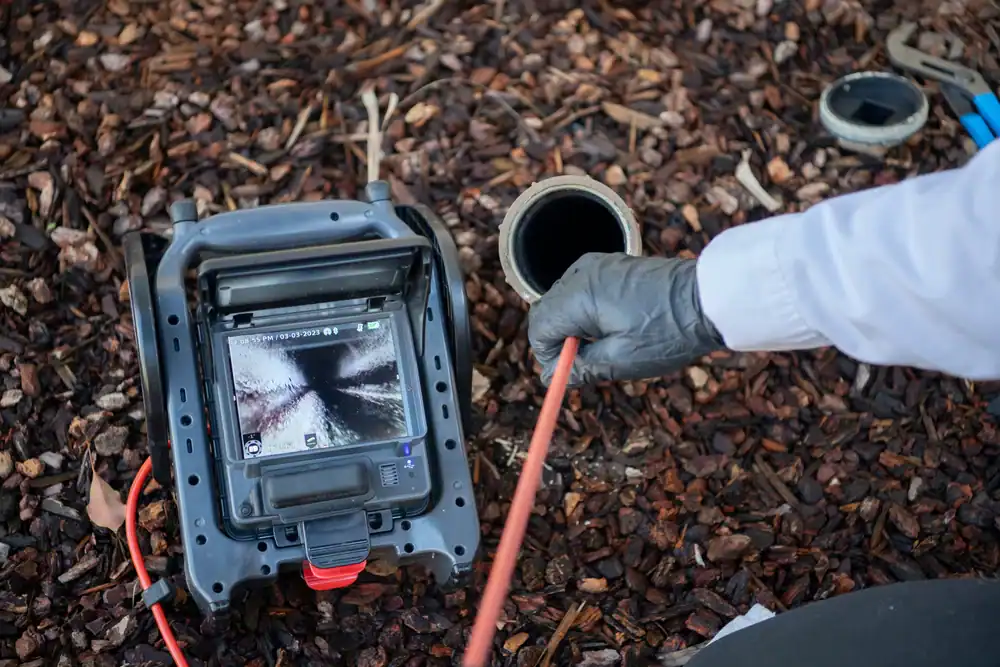
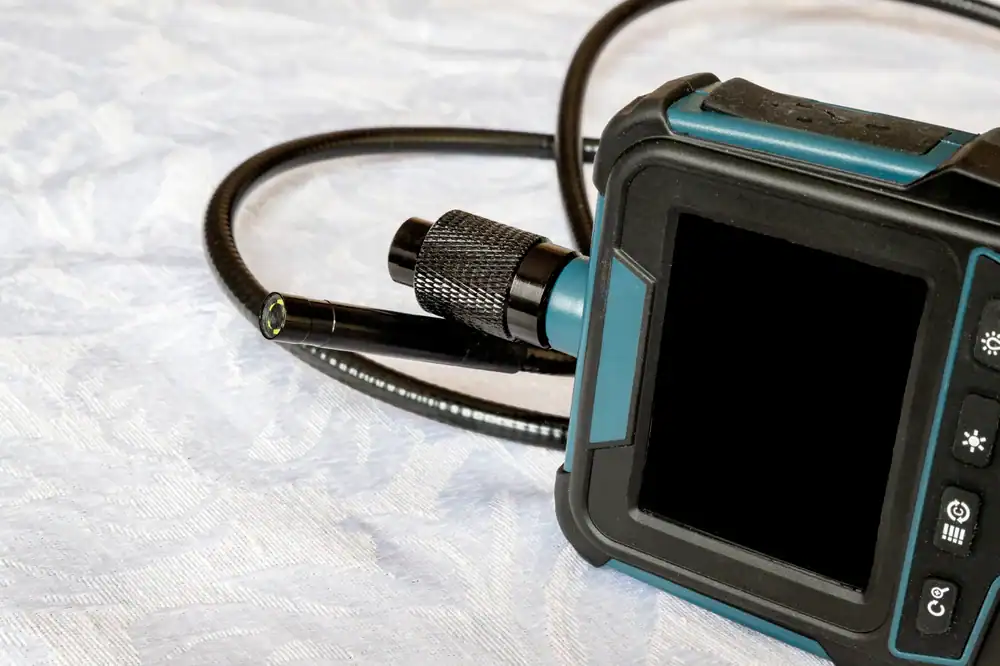
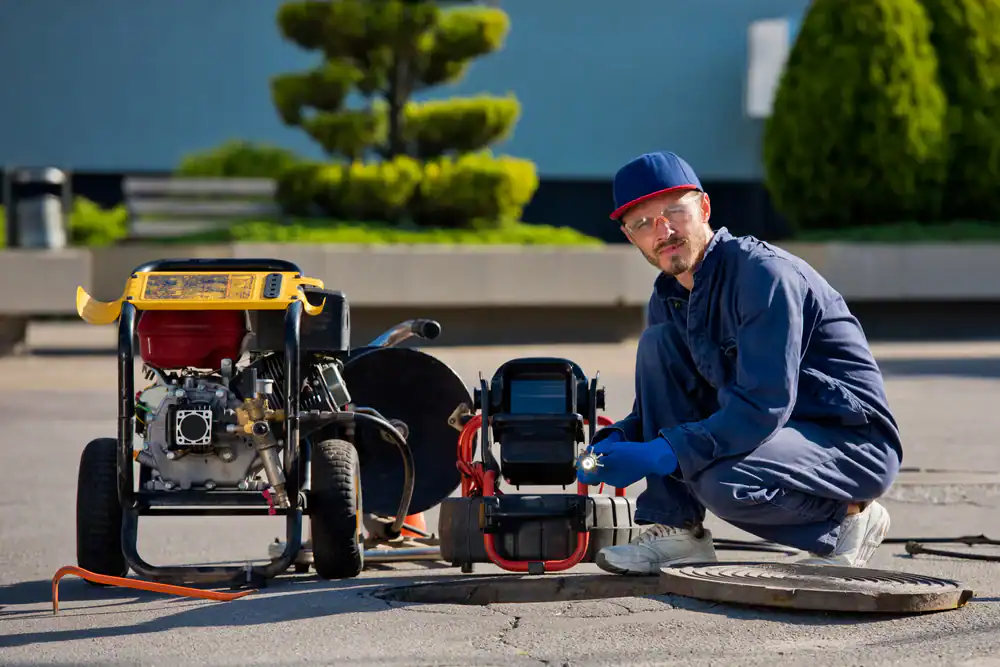
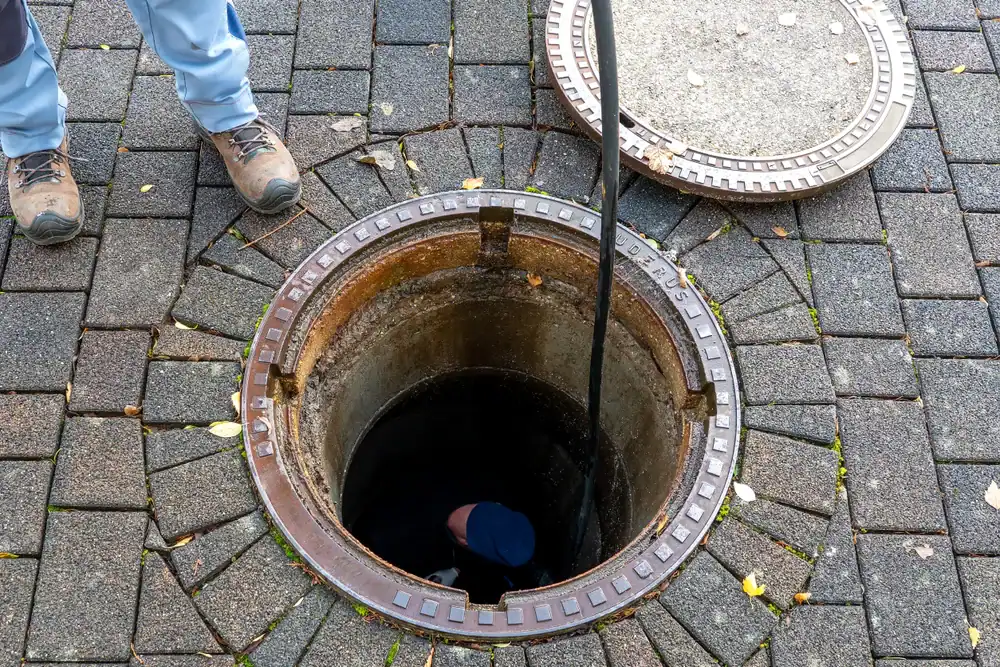
We start by locating your cleanout access point—that’s where the camera goes in. If your system doesn’t have one or it’s buried, we’ll find the best entry point without unnecessary digging. Then we feed a waterproof, high-definition camera through your pipes.
The camera travels through your sewer line or cesspool system while transmitting real-time footage back to a monitor. You can watch with us if you want. We’re looking for cracks, blockages, root intrusion, corrosion, and anything else that’s affecting flow or structure. The camera head adjusts for different pipe sizes and can navigate bends, and it goes as far as 300 feet if needed.
Once we’ve covered the full system, we review the footage with you and point out anything that needs attention. You get a copy of the digital footage and a written report that breaks down what we found, where we found it, and what it means for your system. The whole process usually takes one to three hours depending on your property layout and the length of your lines.
Ready to get started?
Every camera inspection includes real-time clog detection, a full pipe condition assessment, and digital footage you can keep. We’re not just running a camera through and calling it done—we’re documenting the state of your entire system so you have a baseline for future maintenance or a record for a real estate transaction.
In Suffolk County, septic systems are required to be inspected every three years. If you’re buying or selling a home in Gordon Heights, mortgage lenders want proof that the system is sound. Our inspections meet those requirements and give you the documentation you need to stay compliant or close a sale without delays.
We also use this service for locating underground pipe leaks that aren’t obvious from the surface. If you’ve got a wet spot in your yard that won’t dry out, or your water bill jumped for no clear reason, the camera can find the source without guessing. That’s especially useful in wooded areas like Gordon Heights where roots are constantly looking for water sources and can crack older pipes over time.
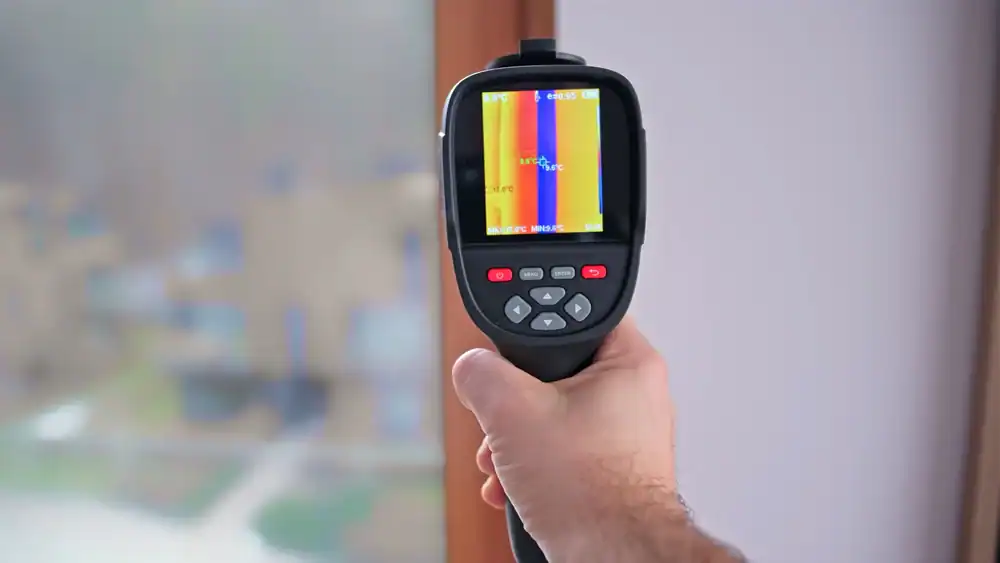
Most camera inspections in Gordon Heights run between $300 and $600 depending on the length of your lines and how accessible your system is. If we need to locate a buried cleanout or navigate a more complex layout, that can add to the time and cost.
But compare that to what you’d pay if you skipped the inspection and went straight to excavation. Digging up your yard to find a problem costs thousands, and if the crew digs in the wrong spot first, you’re paying for that too. The camera tells you exactly where to dig—if you even need to dig at all.
If you’re doing this as part of a home sale or to meet Suffolk County’s inspection requirements, it’s not optional. But even if it is optional, it’s one of the cheapest ways to avoid an expensive surprise later.
Yes. Tree roots are one of the most common things we find during inspections in Gordon Heights, especially in older neighborhoods with mature trees. Roots grow toward water, and your sewer line is a consistent source. Once they find a crack or joint, they work their way in and create blockages.
The camera shows us exactly where the roots are, how much they’ve infiltrated, and whether they’ve caused structural damage to the pipe. That helps us decide if you need a simple clearing or if the pipe section needs to be repaired or replaced.
If you’ve been dealing with slow drains, frequent backups, or gurgling sounds when you flush, roots are a likely culprit. The inspection confirms it so you’re not just treating the symptoms—you’re addressing the actual cause.
You’re not legally required to get one before listing your home, but most buyers in Suffolk County will request a septic inspection as part of their due diligence—and their lender probably will too. If you wait until you’re in contract, and the inspection reveals a problem, you’re either paying for repairs under pressure or risking the deal falling through.
Getting the inspection done upfront gives you control. If there’s an issue, you can fix it on your timeline and your budget, or price the home accordingly and disclose it. Either way, you’re not scrambling to respond to a buyer’s inspection report while the clock is ticking.
In Gordon Heights, where most homes are on septic systems, buyers expect documentation. Having a recent camera inspection with clean footage is a selling point, not just a formality.
Most inspections take between one and three hours. The time depends on how long your sewer lines are, how many access points we’re checking, and whether we run into any obstacles that slow down the camera.
If your system is straightforward and we’re just doing a routine check, we’re usually done in about an hour. If we’re troubleshooting a specific problem or inspecting a larger property with multiple lines, it can take closer to three.
You don’t need to be home the whole time, but most homeowners in Gordon Heights prefer to stick around so they can watch the footage with us and ask questions while we’re still on-site. We’ll walk you through what we’re seeing in real time, and you’ll leave with a full understanding of your system’s condition before we pack up.
If we find something, we’ll show you exactly what it is, where it is, and what your options are. Sometimes it’s a simple fix—like a clog that can be cleared with hydro jetting. Other times it’s a cracked pipe that needs a section replaced.
The advantage of having the footage is that you’re not making decisions in the dark. You can see the severity of the issue, get a second opinion if you want, and plan the repair without rushing into something you’re not sure about.
We’ll give you a written report along with the digital footage so you have documentation for your records, for your insurance, or for a contractor if you decide to get multiple quotes. You’re not locked into anything just because we found something—you’re just better informed than you were before.
It depends on how bad the blockage is. If the line is completely blocked and there’s standing water or sewage, we usually need to clear that first before the camera can get through. The camera can’t push through a solid blockage, and trying to force it can damage the equipment or make the problem worse.
In most cases, we’ll clear the line first, then run the camera to see what caused the backup and whether there’s any damage that needs to be addressed. That way you’re not just fixing the symptom—you’re finding out why it happened so it doesn’t keep happening.
If you’re dealing with a backup right now, let us know when you call. We’ll walk you through whether we need to clear it first or if the camera can go in as-is. Either way, you’ll get answers about what’s going on in your system.
Other Services we provide in Gordon Heights