
Hear from Our Customers
You stop worrying about backups every time someone flushes. Your drains clear the way they should. No more slow drainage, no more sewage smells creeping into your yard, and no more wondering if today’s the day your system finally gives out completely.
When your sewer line to cesspool connection is installed correctly, water flows where it’s supposed to go. The pipe pitch and slope are set right from the start, which means gravity does its job and waste doesn’t sit in your lines creating blockages. You’re not calling for emergency service every few months because something’s backing up again.
Most homes in Gordon Heights were built around 1993. That means your pipes have been underground for 30-plus years, and they’re showing it. Tree roots find their way into old lines. Pipes settle, crack, or collapse. What started as a small issue becomes a full system failure if you wait too long.
Getting your line changes done now saves you from dealing with a complete system replacement later. It protects your property value, keeps your family safe from sewage exposure, and gives you one less thing to stress about when you’re already managing everything else that comes with owning a home.
We’ve been handling line changes and excavation work across Long Island for nearly two decades. We’re a family-owned operation that’s been passed down through four generations, which means we’ve seen just about every pipe problem you can imagine.
We know Gordon Heights. We understand how properties here were built, what kind of soil conditions we’re working with, and what Suffolk County requires for permits and inspections. When we dig, we’re not guessing—we know what we’re going to find and how to handle it.
You’ll get a crew that shows up when we say we will, uses the right equipment for the job, and doesn’t leave your property looking like a disaster zone. We’re licensed, insured, and available 24/7 because pipe failures don’t wait for business hours. You’re working with people who’ve been doing this long enough to do it right the first time.
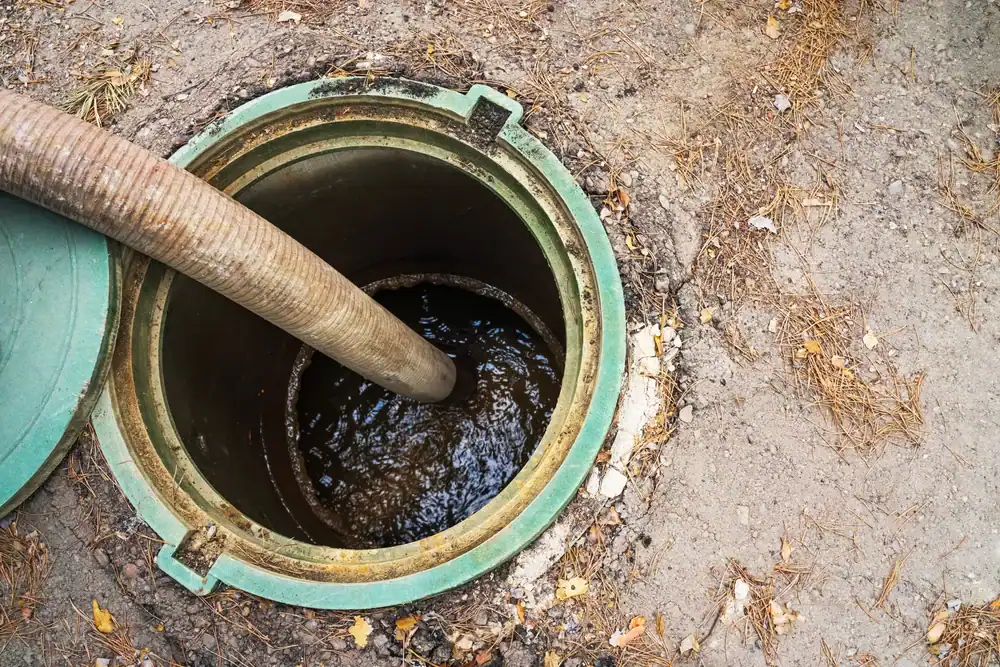
First, we assess what’s actually wrong. That means locating your existing sewer line to cesspool connection, checking the pipe condition, and figuring out whether you need a repair or a full line replacement. We’re not upselling you on work you don’t need—if a section can be fixed, we’ll tell you.
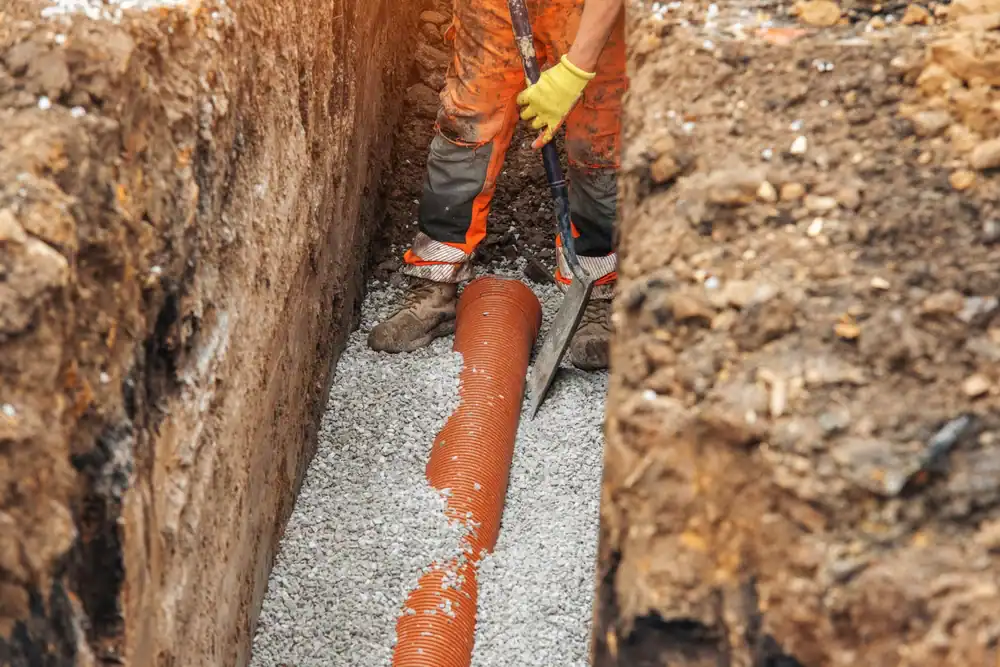
Once we know what we’re dealing with, we handle the trenching and excavation. We dig down to your damaged line using equipment that’s sized right for residential properties. We’re not tearing up half your yard when we only need a narrow trench. The excavation is precise because we’ve done this thousands of times.
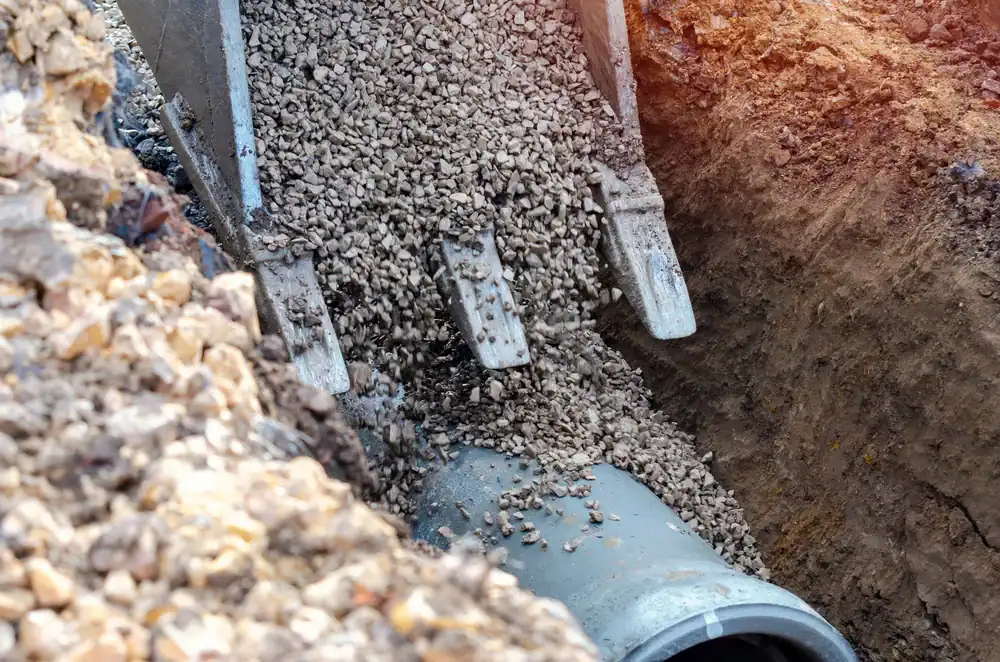
Then comes the actual line changes. We remove the old, failed pipe and install new lines with the correct pipe pitch and slope so everything drains properly. If you’re connecting to a cesspool, we make sure that connection is solid and sealed. If you’re upgrading to a modern septic system because of Suffolk County regulations, we handle that too.
After the new line is in, we backfill the trench, compact the soil, and restore your property as close to original condition as possible. We’re not leaving you with a mud pit. Before we leave, we test the system to make sure water’s flowing correctly and you’re not going to have problems the minute we pull away.
Ready to get started?
You’re getting a complete line change from your house to your cesspool or septic system. That includes excavation, removal of old pipes, installation of new sewer lines, proper grading for drainage, and restoration of your property after we’re done.
In Gordon Heights, most line changes involve dealing with older cesspool systems. Since Suffolk County banned new cesspool installations in 2019, if your system is completely failed, you may need to upgrade to a modern septic system. We’ll walk you through what’s required, handle the permits with the health department, and make sure everything’s up to code.
The pipe materials we install are built to last. You’re looking at PVC or other durable materials that resist root intrusion and can handle decades of use. We’re not cutting corners with cheaper pipe that’ll crack in five years. The connections are sealed properly so you don’t get groundwater seeping in or sewage leaking out.
If you’re dealing with backups and pipe failure right now, we can respond fast. Emergency repairs average around $1,775, but catching problems early keeps you from facing a complete system replacement that runs $7,350 or more. We’ll give you a free estimate so you know exactly what you’re paying before any work starts.
If you’re dealing with frequent backups, slow drains throughout your house, or sewage odors in your yard, your line’s probably compromised. The question is how bad.
A repair works when the damage is localized—maybe a small crack or a single section where roots broke through. We can replace that section without tearing up your entire line. But if your pipes are old, corroded, or failing in multiple spots, a full line change makes more sense. Patching one area doesn’t help if the rest of the line’s about to go.
Most homes in Gordon Heights are 30-plus years old, which means your original sewer lines have been underground for three decades. Pipes don’t last forever. If your system’s never been updated and you’re starting to see problems, it’s usually time for a complete line replacement rather than a temporary fix.
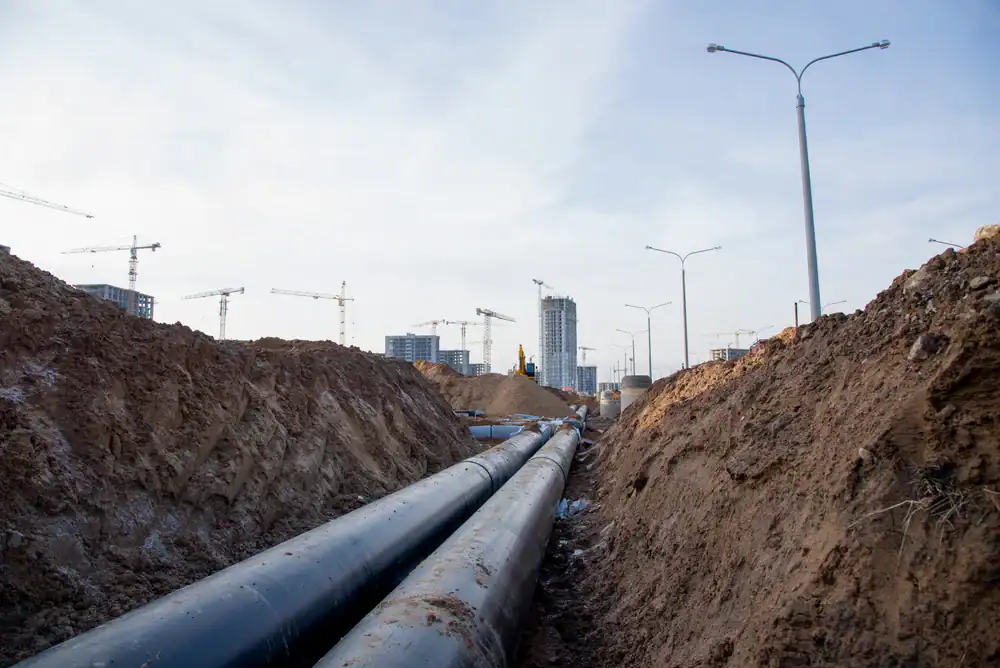
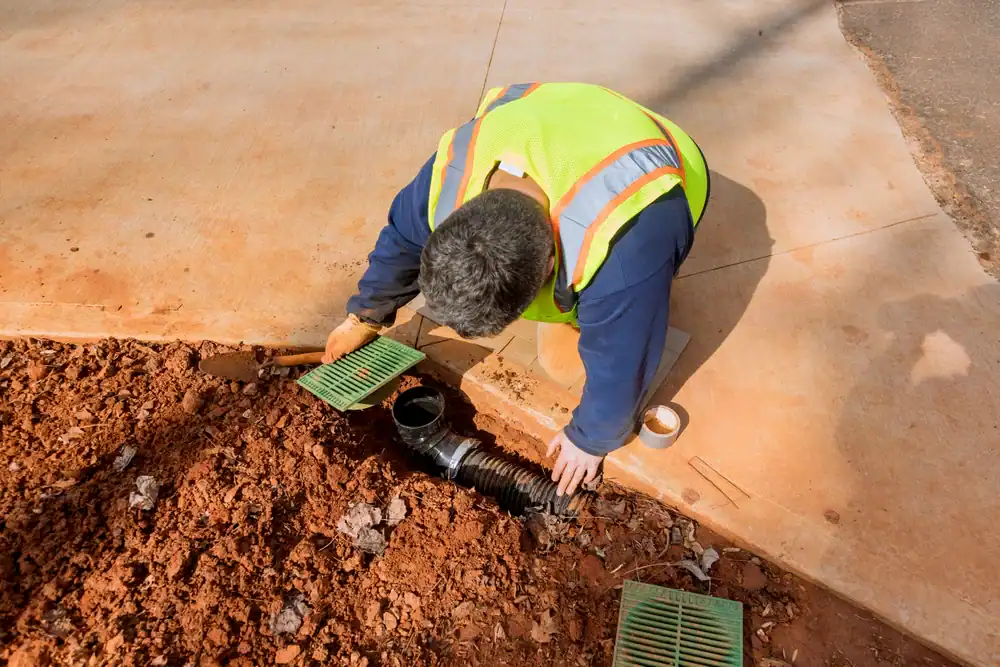
We dig a trench from your house to your cesspool or septic tank, following the path of your existing sewer line. The trench needs to be deep enough to reach your pipes and wide enough for us to work safely—usually a few feet deep and a couple feet wide.
We use excavation equipment that’s appropriate for residential properties. We’re not bringing in massive machinery that destroys your landscaping. The goal is to dig precisely where we need to and minimize disruption to the rest of your yard.
Once the trench is open, we remove the old pipe, install the new line with the correct pipe pitch and slope so everything drains properly, and then backfill the trench. We compact the soil as we go so you don’t end up with a sunken area in your yard six months later. The whole process typically takes a day or two depending on the length of the run and what we find underground.
It depends on how much line needs replacing and what we’re working with underground. A straightforward line change might run a few thousand dollars. If we’re dealing with difficult soil, deep lines, or a long run from your house to the cesspool, costs go up.
Emergency repairs average around $1,775 if you’re catching a problem early. Complete system replacements—when your cesspool’s failed and you need to upgrade to a modern septic system—can run $7,350 or more. That’s why addressing line issues before they become full system failures saves you money.
We give free estimates so you know exactly what you’re paying before we start. No hidden fees, no surprises when we hand you the bill. We’ll walk you through what needs to happen, what it costs, and what your options are if there’s more than one way to handle the problem.
Yes, but whether we repair the connection or replace the whole line depends on what’s causing the leak. If the connection point between your house line and the cesspool is loose or cracked, we can often fix just that section.
But if the leak is happening because your pipes are old and deteriorating, fixing the connection doesn’t solve the bigger problem. You’ll just end up with another leak somewhere else in a few months. We’ll assess the full line and tell you whether a connection repair is going to hold or if you need a more complete solution.
Leaking connections are a problem because sewage seeping into your yard contaminates the soil and can affect groundwater. In Gordon Heights, where drinking water comes from underground aquifers, that’s not just a property issue—it’s an environmental and health concern. Getting it fixed quickly protects your family and your neighbors.
Suffolk County banned new cesspool installations in 2019, which means if your cesspool completely fails, you can’t just replace it with another cesspool. You have to upgrade to a modern septic system that treats wastewater before it goes into the ground.
We handle the entire process. That includes designing a system that fits your property, pulling the necessary permits from the health department, excavating for the new tank and leach field, and installing everything according to county regulations. It’s more involved than a simple line change, but it’s required by law.
The upside is that modern septic systems are better for the environment and your property value. They filter out contaminants before wastewater reaches the groundwater, which protects Long Island’s drinking water supply. And when you go to sell your home, having an up-to-date system is a selling point, not a liability that scares off buyers during inspections.
Most residential line changes take one to two days. We show up, excavate the trench, remove the old pipe, install the new line, backfill everything, and test the system to make sure it’s working properly.
If we run into complications—like unexpected rock, other utilities in the way, or a longer run than anticipated—it might take an extra day. But we’re not dragging the job out for a week. We know you need your plumbing working, and we move efficiently.
The timeline also depends on permits. If your project requires health department approval, that adds time on the front end before we can start digging. We handle the permit process for you, but county processing times are out of our control. Once we have approval and schedule your job, the actual work moves fast.
Other Services we provide in Gordon Heights