
Hear from Our Customers
You can’t fix what you can’t see. That’s the frustrating reality most Hauppauge homeowners face when dealing with slow drains, recurring backups, or mystery wet spots in the yard.
Before camera technology, diagnosing underground pipe problems meant tearing up driveways and digging trenches based on educated guesses. Sometimes the crew got it right. Sometimes they didn’t—and you paid for the extra excavation either way.
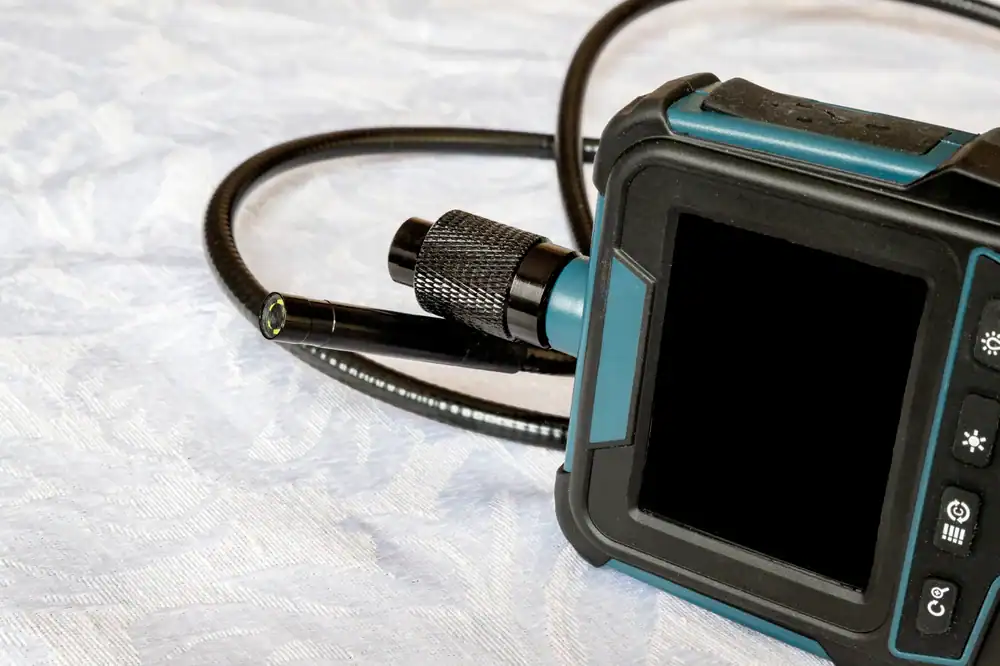
Sewer line video inspection changed that completely. A waterproof camera travels through your pipes and transmits live footage to a monitor above ground. You see exactly what’s blocking the line, where tree roots have infiltrated, or how badly that old clay pipe has deteriorated. The camera includes a locator and depth encoder, so when we find the problem, we know its precise location down to the foot.
That precision matters when you’re looking at repair costs. What could have been a $15,000 emergency becomes a $2,500 planned fix because you caught it early and knew exactly where to dig. No guesswork. No unnecessary excavation. Just accurate information that saves you money and stress.
We’ve been handling cesspool and septic systems across Long Island for nearly two decades. We’re a four-generation company, which means we’ve seen how these systems age, fail, and respond to Long Island’s unique conditions—sandy soil, high water tables, and increasingly strict Suffolk County regulations.
Hauppauge sits right in the middle of Suffolk County’s push to phase out outdated cesspools. More than 360,000 homes across the county still rely on these systems, and many are approaching the end of their 15-20 year lifespan. That’s created a local market where camera inspections aren’t just helpful—they’re often required by mortgage lenders and mandated by county health departments every three years.
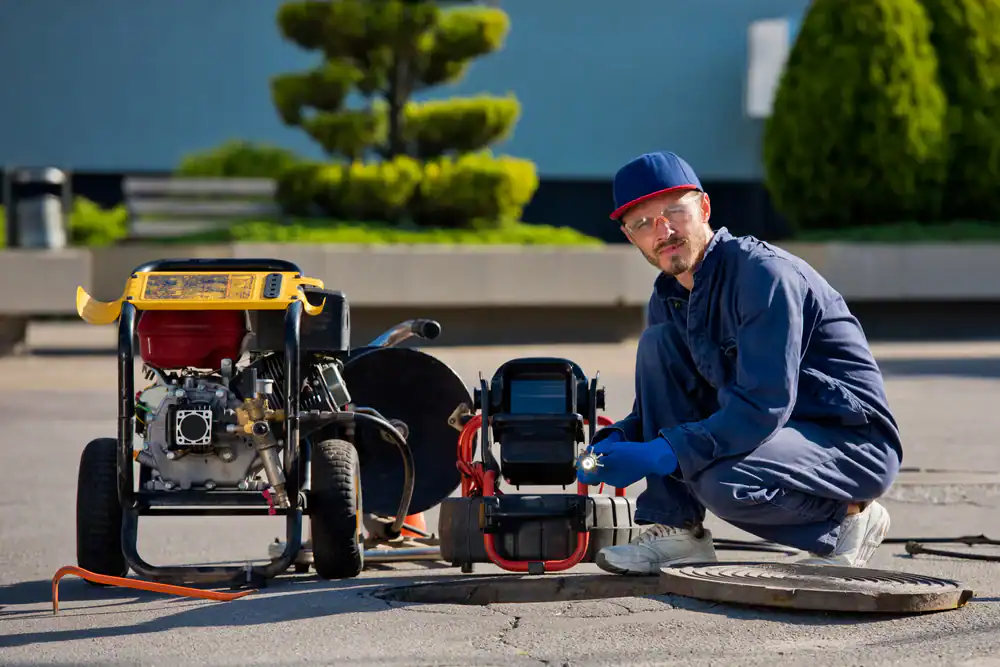
We’ve invested in professional-grade camera inspection equipment because we’ve watched too many homeowners get burned by companies using minimal gear and maximum guesswork. Our cameras provide clear digital footage, real-time clog detection, and documentation you can share with lenders, inspectors, or buyers if you’re selling your home.
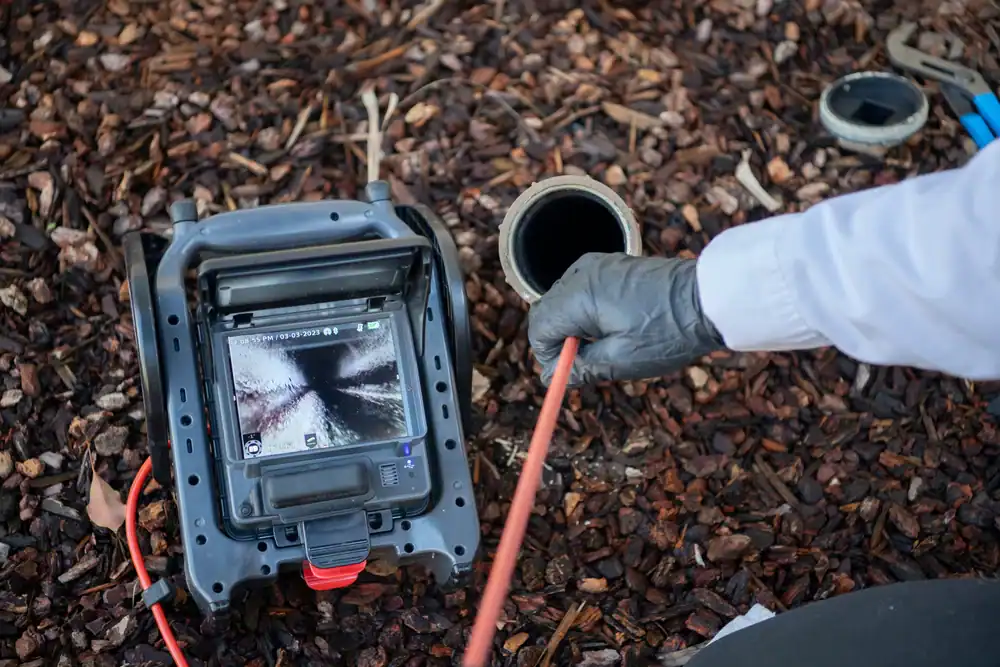
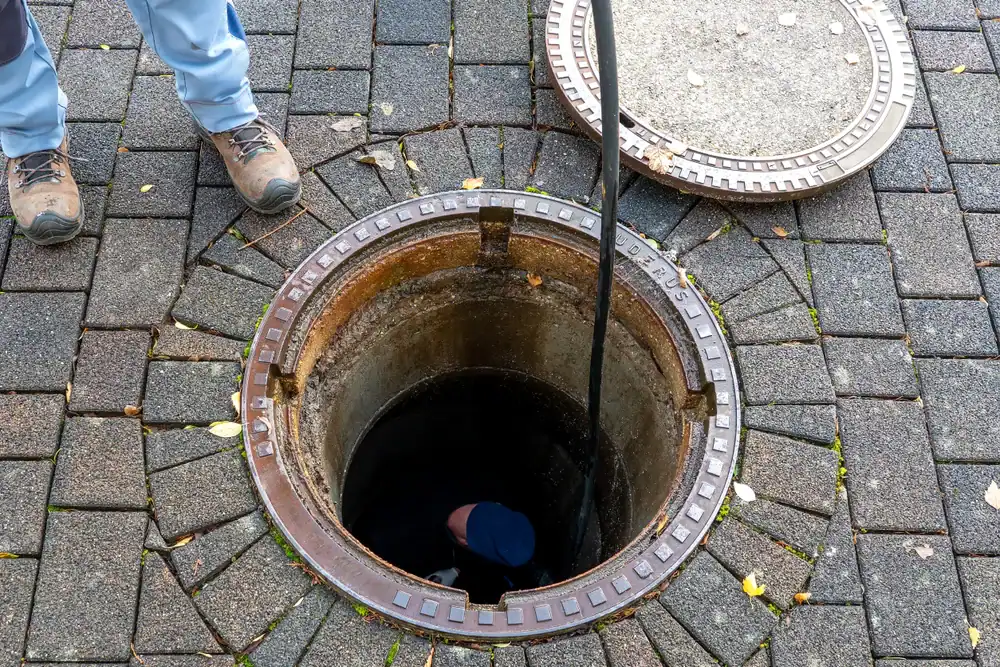
We start by locating your cleanout access point—usually a capped pipe in your yard or basement. If your system doesn’t have one, we’ll let you know upfront what’s involved in creating access.
Once we’re in, we feed a flexible cable with a high-resolution camera through your sewer line. The camera is waterproof and equipped with LED lights, so it captures clear footage even in completely submerged pipes. As it moves through the line, you can watch the live feed on our monitor. We’re looking for blockages, root intrusion, cracks, misaligned joints, and any deterioration in the pipe material itself.
The camera includes a transmitter that lets us mark the exact location of any problems from above ground. If we find a collapsed section or major root mass, we’ll measure its depth and distance from the access point. That information goes into your report along with recorded footage you can keep for your records.
Most inspections take 30-45 minutes depending on the length of your line and what we find. You’ll leave with a clear understanding of your system’s condition and specific recommendations if repairs are needed. No vague assessments. No scare tactics. Just straightforward information about what’s actually happening underground.
Ready to get started?
Your camera inspection includes live video footage of your entire sewer line from the house to the cesspool or septic tank. We’re documenting the pipe’s material, diameter, and overall condition while actively looking for common Long Island problems—root infiltration from mature trees, deteriorating clay pipes, and water infiltration that signals cracks or joint separation.
You receive digital footage and a written report that details what we found, where we found it, and what it means for your system’s function. If you’re buying or selling a home in Hauppauge, this documentation satisfies most lender requirements for cesspool certification. Suffolk County requires inspections every three years for existing systems, and our reports meet those compliance standards.
The inspection also reveals whether your system is a candidate for Suffolk County’s upgrade grants. Many Hauppauge homeowners don’t realize they’re sitting on outdated cesspools that need replacement—not because they’ve failed yet, but because county regulations are phasing them out. Conversion costs typically run $15,000-$30,000, but available grants cover a significant portion of that expense. Our inspection tells you where you stand before you’re forced into an emergency situation.
We’re available 24/7 because pipe problems don’t wait for business hours. If you’re dealing with a backup or buying a home and need fast turnaround for closing, we’ll get your inspection scheduled quickly and deliver results that actually help you make informed decisions.
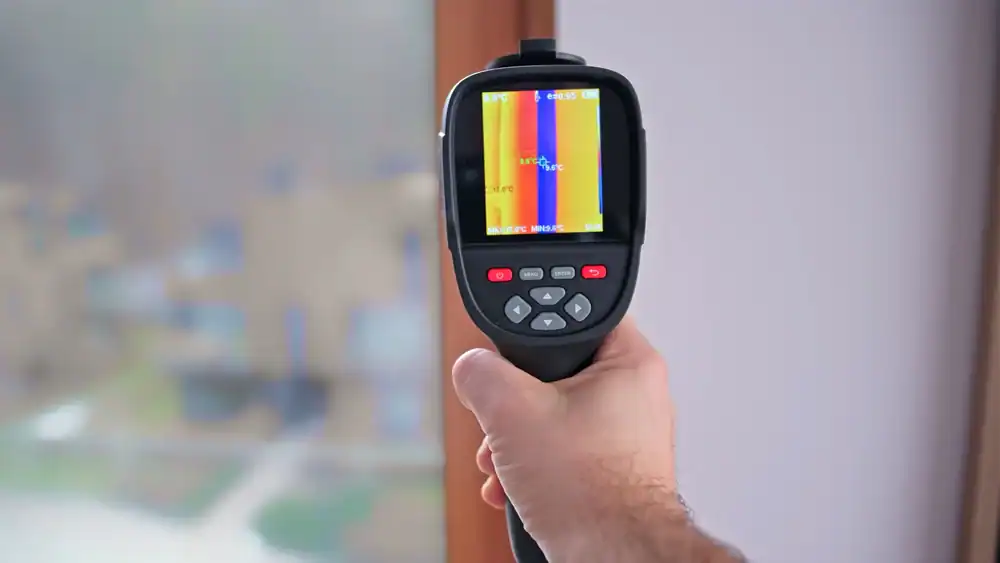
Most camera inspections in the Hauppauge area run between $270 and $1,730 depending on the system’s complexity and accessibility. The average cost sits around $1,000 for a standard residential inspection.
That price includes the camera work, live footage review, and a documented report. If your system has multiple lines or requires locating a buried cleanout, that can add to the cost. But compare that to the alternative—digging up your yard based on guesswork could easily cost $3,000-$6,000 before you’ve even addressed the actual problem.
If you’re buying a home, some inspection costs can be negotiated into the purchase agreement. If you’re maintaining your current system, think of it as preventive maintenance that catches $2,500 repairs before they become $15,000 emergencies. The inspection pays for itself the first time it saves you from unnecessary excavation.
If you’re buying a home in Suffolk County with a cesspool or septic system, you probably don’t have a choice—most mortgage lenders require it. But even if it’s not mandated, it’s worth doing every 1-2 years as preventive maintenance.
Here’s why that matters in Hauppauge specifically: Long Island’s sandy soil and high water table mean problems develop faster than in other regions. Tree roots find their way into pipes more easily. Older clay pipes deteriorate quicker. And by the time you notice slow drains or backups, you’re often looking at significant damage that’s been building for months.
Camera inspections catch minor issues while they’re still minor. A small root intrusion can be cleared with hydro jetting for a few hundred dollars. Wait until that root mass completely blocks your line, and you’re looking at excavation and pipe replacement. The inspection gives you the option to fix things on your timeline and budget—not during an emergency when you’re paying premium rates for immediate service.
The camera identifies blockages, root infiltration, pipe deterioration, cracks, misaligned joints, and water infiltration. It also shows us the pipe material and condition, which matters when you’re planning repairs or dealing with Suffolk County’s cesspool replacement requirements.
Root intrusion is the most common issue we find in Hauppauge. Mature trees send roots toward any moisture source, and your sewer line is basically a water highway. Once roots penetrate a joint or crack, they grow into a dense mass that catches everything flowing through the pipe. The camera shows us exactly where that’s happening and how extensive the infiltration is.
We also find a lot of deteriorating clay pipes in older Hauppauge homes. Clay was the standard material decades ago, but it cracks and separates over time. The camera reveals whether you’re dealing with isolated damage or system-wide deterioration that needs full replacement. That information is critical when you’re weighing repair costs against replacement costs and trying to make a smart financial decision.
Most inspections take 30-45 minutes and don’t require any digging or property damage. The camera feeds through an existing cleanout access point, travels through your pipes, and comes back out the same way.
If your system doesn’t have a cleanout, we’ll need to create access—but that’s a small job compared to the excavation you’d face without camera technology. We’re talking about one access point, not multiple test holes across your yard trying to locate a problem.
The camera itself is flexible and designed to navigate bends and joints without damaging the pipe. It’s not a rigid tool that forces its way through. If we encounter a complete blockage that prevents the camera from continuing, we’ll document what we can see and recommend clearing the blockage first before completing the full inspection. You’re never paying for incomplete information—we’ll tell you upfront what’s possible and what’s not based on your system’s current condition.
Yes. The digital footage and written report we provide meet the documentation requirements for most mortgage lenders and satisfy Suffolk County’s inspection mandates for properties with on-site waste management systems.
If you’re selling a home in Hauppauge, having a recent camera inspection completed before listing can actually speed up the closing process. Buyers and their lenders will require it anyway, so getting it done proactively shows you’re transparent about the property’s condition. If the inspection reveals problems, you can address them before listing or price the home accordingly—either way, you’re controlling the timeline instead of scrambling during escrow.
If you’re buying, the inspection protects you from inheriting expensive repairs. Real estate transactions frequently stall when inspections reveal cesspool or septic issues that weren’t disclosed. Having clear video documentation of the system’s condition gives you negotiating power and prevents surprises after closing. Many buyers have walked away from deals or renegotiated significant price reductions based on what camera inspections revealed about underground systems.
We’ll show you exactly what we found, explain what it means for your system’s function, and give you a realistic assessment of your repair or replacement options. No scare tactics. No pressure to decide immediately. Just clear information about what’s actually necessary.
If it’s a blockage or root intrusion, we can often clear it the same day with hydro jetting. If it’s structural damage like cracked pipes or collapsed sections, we’ll give you a detailed estimate for repair that includes the exact location and scope of work needed. Because the camera showed us precisely where the problem is, we’re not padding the estimate with exploratory excavation or guesswork.
For Hauppauge homeowners dealing with aging cesspools that need full replacement, we’ll walk you through Suffolk County’s requirements and available grant programs. The county isn’t giving you a choice about upgrading—but they are offering financial assistance that significantly reduces your out-of-pocket costs. We’ll help you understand the timeline, the process, and what you can expect to pay after grants are applied. That’s the kind of information you need to plan properly instead of panicking when the health department shows up with a violation notice.
Other Services we provide in Hauppauge