
Hear from Our Customers
No more slow drains. No more sewage smell in your yard. No more wondering if the next flush is going to back up into your basement.
When your main waste line is installed with the right pipe pitch and slope, water moves the way it’s supposed to. That means your toilets flush clean, your sinks drain fast, and your cesspool does its job without overflowing after every rainstorm.
You’re not dealing with emergency calls or digging up the same line twice because someone cut corners the first time. The connection between your house and cesspool is solid, properly sloped at that critical 1/8 inch per foot, and built to handle Long Island’s high water table without failing when you need it most.
That’s what you get when the work is done right. Your system works, your property stays clean, and you stop worrying about backups every time someone runs the washing machine.
We’ve been handling line changes and main waste line replacement throughout Hauppauge and Suffolk County for years. We’re licensed, insured, and we actually understand what Long Island’s sandy soil does to underground pipes.
We’ve dug through enough Hauppauge properties to know where the water table sits, how tree roots behave in this area, and what it takes to get permits approved without delays. When we say we’ll handle the paperwork and inspections, we mean it—you’re not navigating Suffolk County requirements alone.
You’re working with people who show up when we say we will, explain what’s wrong in plain English, and don’t disappear after the check clears. That’s how we’ve built our reputation here.
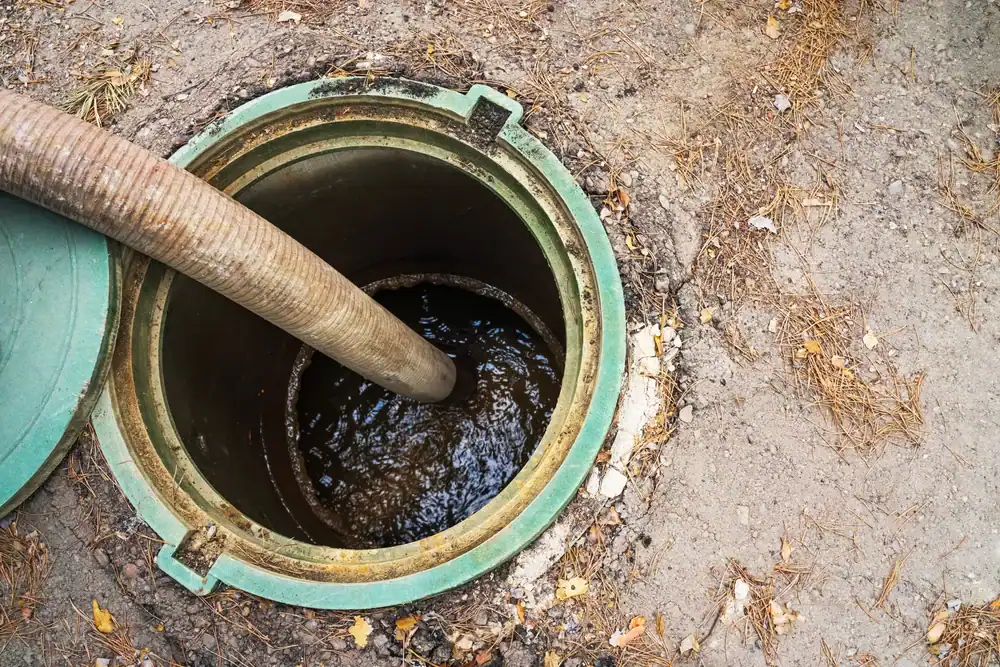
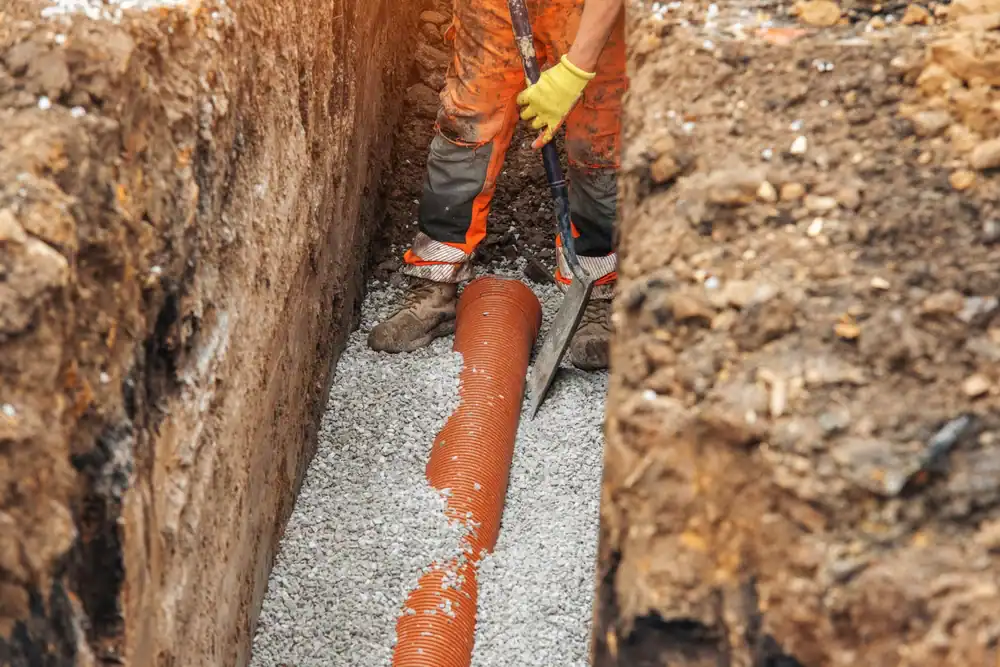
First, we assess your current line. That means locating the existing pipe, checking the connection to your cesspool, and figuring out why it’s failing—whether that’s root intrusion, poor slope, or just age and cracking from freeze-thaw cycles.
Then comes the trenching and excavation. We dig down to expose the damaged section, remove the old pipe, and prep the trench for new installation. If roots are the problem, we clear them out completely so they don’t come back next year.
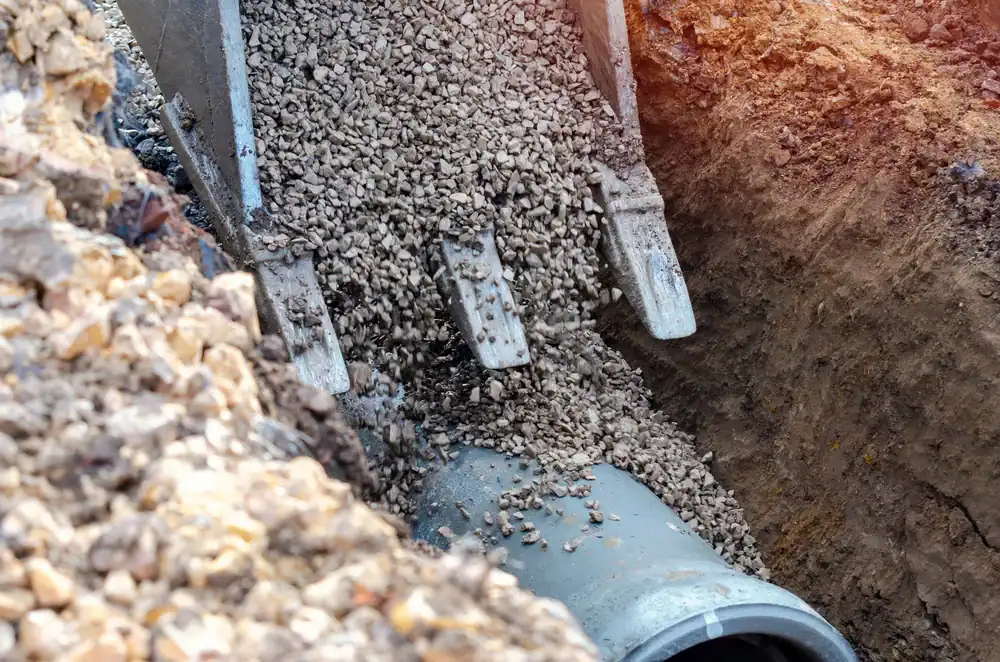
Next is the actual pipe installation. We lay new pipe with proper pitch and slope—that 1/8 inch per foot that keeps everything flowing downhill without pooling or backing up. We connect it to your cesspool with fittings that won’t leak or separate, then backfill carefully to avoid settling issues later.
Finally, we handle the inspection and restoration. Suffolk County needs to sign off on the work, so we coordinate that. Then we grade your yard, clean up the site, and make sure you understand how to maintain your new line going forward.
Ready to get started?
You’re getting a complete line change—not a patch job. That includes locating and exposing your existing sewer line, removing damaged or failed sections, and installing new pipe with the correct slope from your house to your cesspool.
We handle all permits and inspections required by Suffolk County. You’re not filling out forms or waiting on hold with the building department. We know what they need to see, and we make sure the work passes the first time.
In Hauppauge specifically, we account for the high water table and sandy soil conditions. That means using dewatering techniques if needed during excavation, compacting backfill properly so your yard doesn’t sink in six months, and choosing materials that hold up in Long Island’s freeze-thaw cycles.
You also get a system that’s built to prevent the most common causes of pipe failure here: root intrusion, improper slope, and poor connections. We’re not just replacing what broke—we’re fixing why it broke so you’re not calling us back next year.
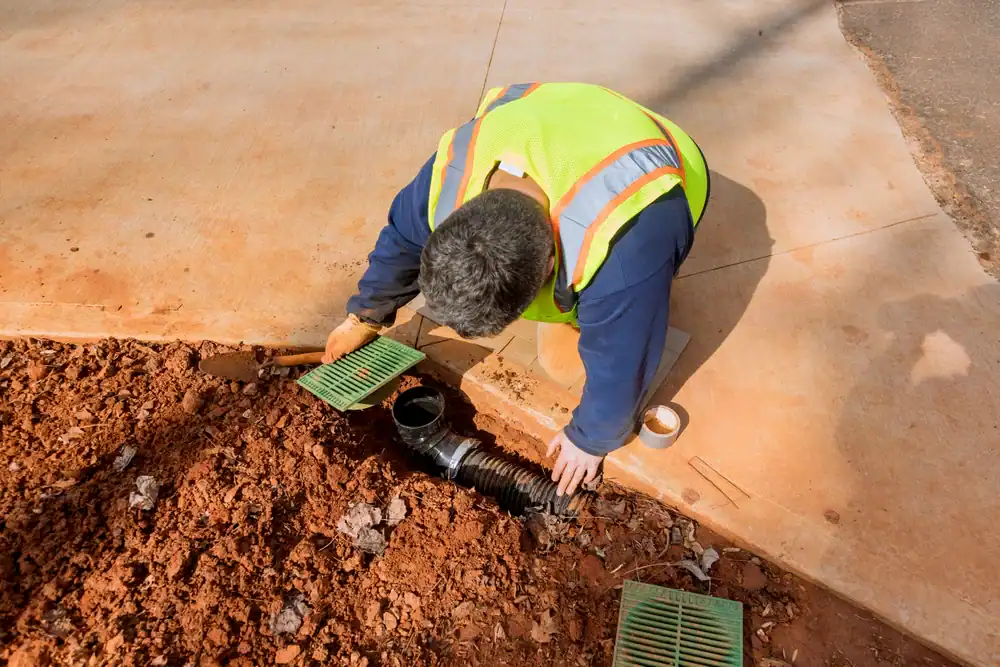
If you’re dealing with repeated backups in the same spot, that’s usually a sign the pipe itself has failed—not just a temporary clog. Same goes for wet spots in your yard that won’t dry out, or sewage odors that keep coming back even after you’ve had the line cleaned.
A repair makes sense when the damage is isolated to one small section and the rest of the pipe is still in good shape. But if your line is old cast iron or clay tile, or if tree roots have infiltrated multiple sections, you’re better off replacing the whole run. Patching one spot just means you’ll be digging up another spot in six months.
We can camera the line to show you exactly what’s happening underground. That way you’re not guessing, and you’re not paying for more work than you actually need.
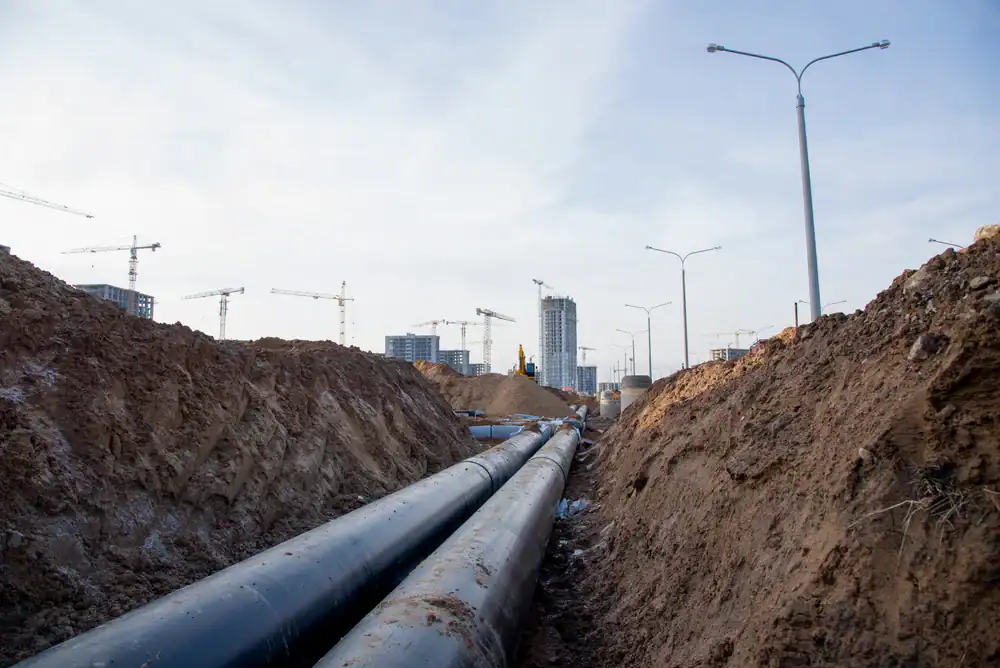
We start by locating all underground utilities—electric, water, gas—so we’re not hitting anything we shouldn’t. Then we dig a trench from your house to your cesspool, following the path of the existing line or creating a new route if the old one was poorly designed.
Hauppauge’s sandy soil makes digging easier than clay, but it also means trench walls can collapse if we’re not careful. We shore up the sides when needed and use dewatering pumps if groundwater starts filling the trench—common here because of the high water table.
Once the new pipe is in and properly sloped, we backfill in layers and compact as we go. That prevents settling that would create low spots in your yard or put stress on the pipe. Then we restore the surface—whether that’s sod, gravel, or pavement—so your property looks the way it did before we started.
Gravity is what moves waste from your house to your cesspool. If the pipe doesn’t slope enough, waste sits in the line instead of flowing through. That leads to clogs, backups, and eventually a line full of solid buildup that won’t drain at all.
The standard is 1/8 inch of drop per foot of pipe—about 1% slope. Any less and you get slow drainage. Any more and water rushes through but leaves solids behind, which causes the same clogging problem.
In Hauppauge, where the water table is high, proper slope is even more critical. If your line doesn’t drain completely, groundwater can infiltrate through joints and overwhelm your cesspool. We use a laser level during installation to make sure every section hits that slope exactly, so your system works the way it’s supposed to for years.
Most line changes in Hauppauge take one to three days depending on the length of the run, how deep we need to dig, and what we find once we’re in the ground. A straightforward replacement with no complications—good weather, no unexpected rock, utilities where they’re supposed to be—usually wraps up in a day or two.
If we hit tree roots that have damaged a larger section than expected, or if we need to reroute around an obstacle, that adds time. Same with permit inspections—Suffolk County needs to sign off before we backfill, so we build that into the schedule.
We’ll give you a realistic timeline upfront based on what we see during the assessment. And if something changes once we start digging, we’ll tell you right away so you’re not left guessing when your plumbing will be back to normal.
Tree roots are the biggest culprit. Long Island has mature landscaping, and roots travel far to find water. They slip into small cracks in your sewer line, then expand and break the pipe apart. Oak, willow, and maple trees are especially aggressive.
The second issue is age and freeze-thaw damage. Hauppauge gets cold enough in winter for the ground to freeze, then thaw in spring. That cycle cracks older pipes—especially cast iron and clay tile—until they collapse or separate at the joints.
The high water table doesn’t help either. When your cesspool fills up during heavy rain, water has nowhere to go. If your main line isn’t sloped right or has low spots, sewage backs up into your house instead of draining into the cesspool. That’s why proper pipe pitch matters so much here—it’s not just theory, it’s what keeps your system working when conditions aren’t perfect.
Yes. Suffolk County requires permits for any work that involves your cesspool connection or main waste line. We pull those permits, schedule the inspections, and make sure the work meets code so it passes the first time.
You don’t need to call the building department, fill out forms, or take time off work to meet an inspector. We coordinate all of that and let you know when it’s done.
Most inspections happen before we backfill the trench—the county wants to see the pipe, the slope, and the connection while it’s still exposed. Once it’s approved, we finish the job and close out the permit. You get a copy of everything for your records in case you ever sell the house or need proof the work was done legally.
Other Services we provide in Hauppauge