
Hear from Our Customers
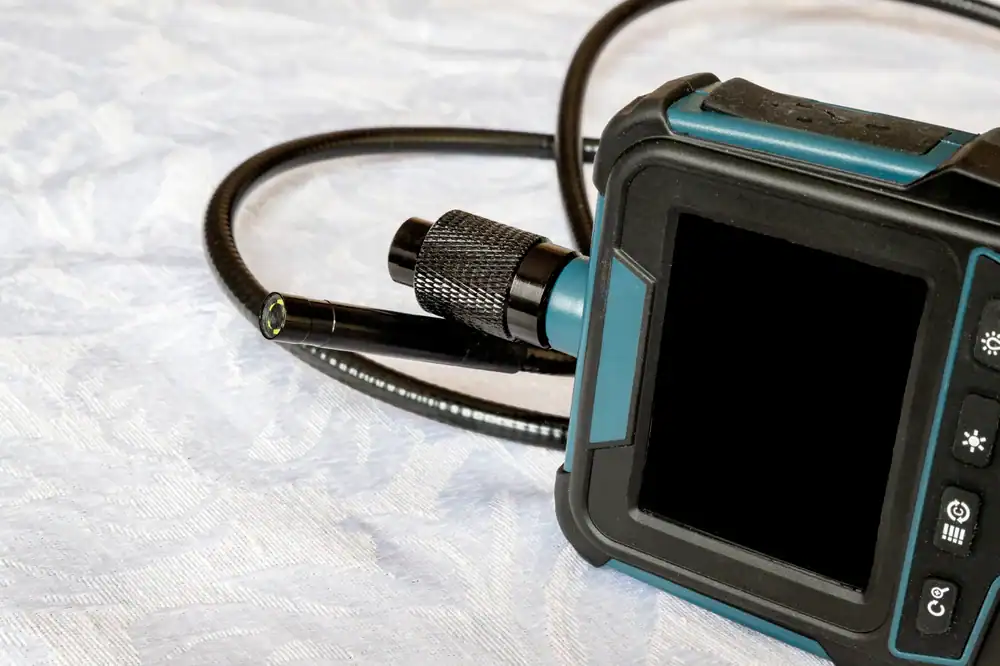
You shouldn’t have to pay for exploratory digging just to figure out if there’s actually a problem. A sewer line video inspection shows you the inside of your pipes in real time—cracks, blockages, root intrusion, whatever’s there.
Most cesspool issues in Holtsville start small. A hairline crack. Roots finding their way into a joint. Grease building up where the pipe slopes wrong. You don’t see any of it until your yard’s flooded or your basement backs up.
Camera inspections catch those problems early. You get digital footage and reporting that documents the exact location and condition of the issue. That means targeted repairs instead of tearing up your property hoping to find the source. It also means you’re not paying to replace sections of pipe that are still in good shape.
We’ve been handling cesspool and septic work in Holtsville for over four generations. That’s not marketing talk—it means we’ve seen what happens to systems installed in the 70s and 80s when Long Island’s soil and water table do their thing over 40+ years.
Most homes here weren’t built with today’s codes or materials. The clay pipes crack. The concrete tanks shift. Tree roots from mature landscaping work their way into seams you can’t see from the surface.
We’re licensed, insured, and we show up when we say we will. You get upfront pricing before any work starts, and the camera footage speaks for itself—you’ll see exactly what we’re looking at.
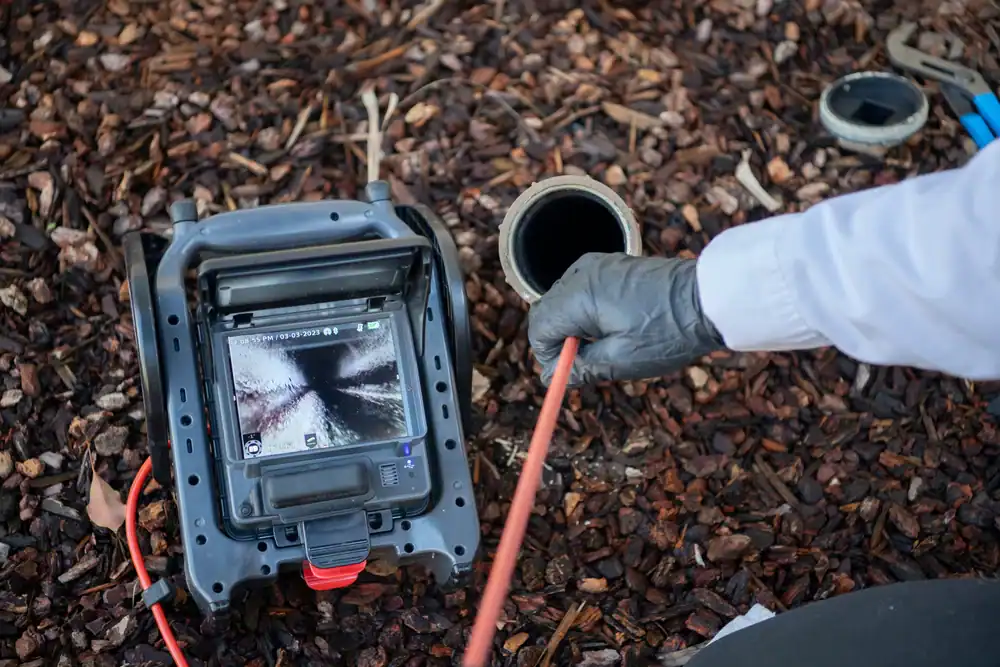
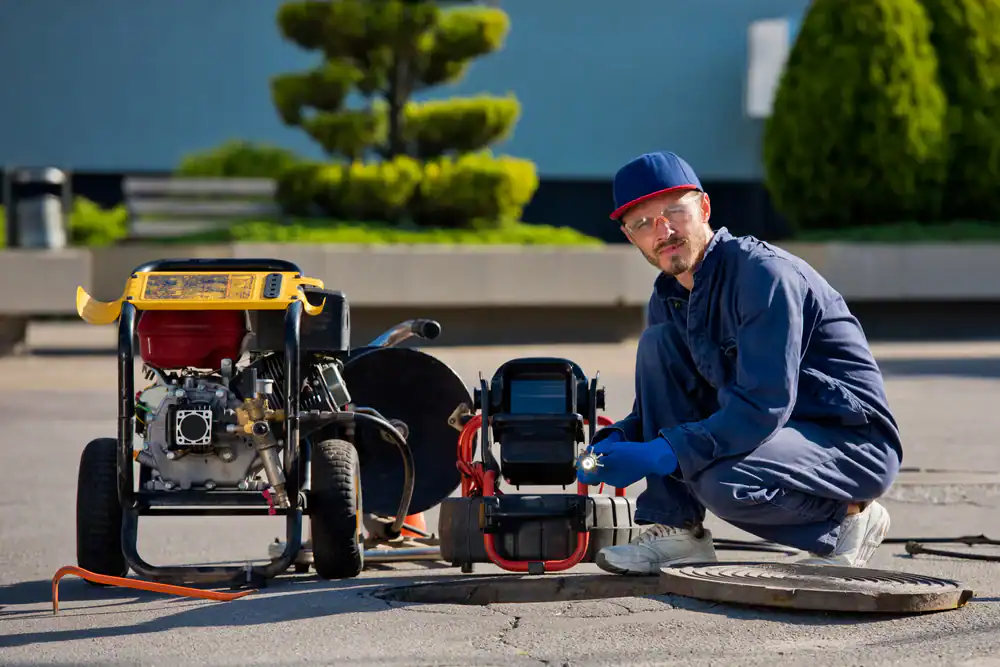
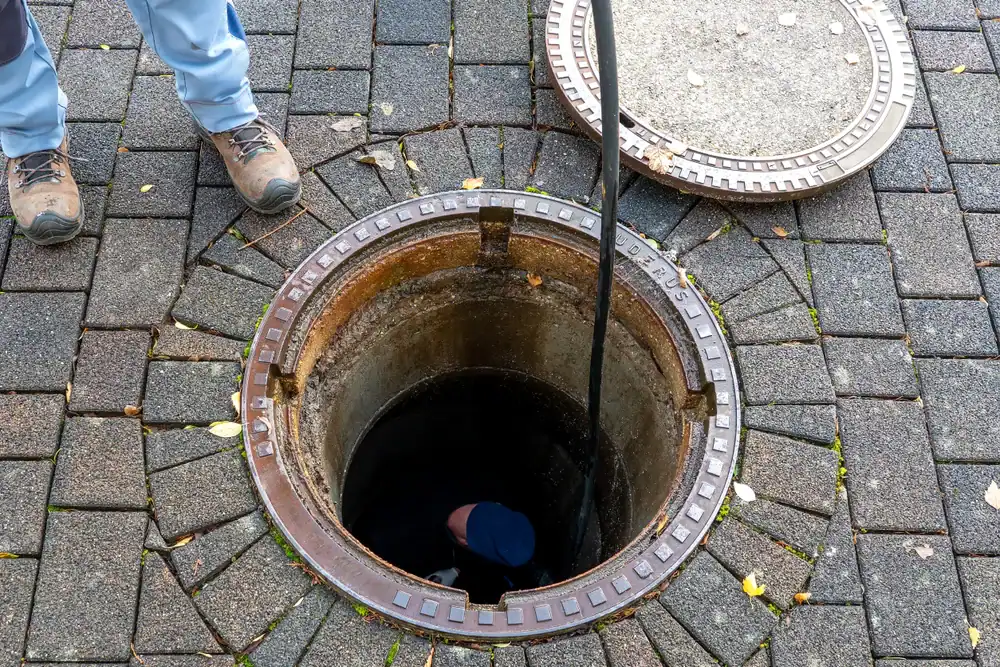
We start by accessing your system through an existing cleanout or entry point—no digging required at this stage. A waterproof camera on a flexible line gets fed through your pipes, sending back live video as it moves through the system.
You can watch the footage with us in real time. We’ll point out what’s normal wear and what’s actually a problem. Grease buildup looks different than a collapsed section. Root intrusion has a specific pattern. A camera picks up all of it, and the footage gets recorded with distance markers so we know exactly where any issue sits on your property.
Once the inspection’s done, you get a copy of the digital footage and a straightforward assessment. If something needs fixing, we’ll tell you what and why. If your system’s holding up fine, we’ll tell you that too. The goal is accurate information—not selling you work you don’t need.
Ready to get started?
Every camera inspection includes the full video recording, a written summary of what we found, and marked locations for any problem areas. That documentation matters if you’re buying or selling a home in Holtsville, filing an insurance claim, or just want records for your own maintenance planning.
Holtsville’s soil conditions—mostly sandy loam with pockets of clay—affect how systems age. Pipes settle unevenly. Tanks can shift when the water table rises during heavy rain, which happens more than it used to. A camera inspection shows how your specific system is holding up under those conditions, not just generic wear and tear.
We’re also looking for code compliance issues. Suffolk County’s health department has specific requirements for cesspool systems, and older installations don’t always meet current standards. If you’re planning to sell or refinance, that footage can save you from surprises during the inspection process.
If you’re dealing with slow drains that don’t clear after a cleaning, recurring backups, or wet spots in your yard that won’t dry out, a camera inspection tells you why. It’s also worth doing before you buy a home in Holtsville—most properties here have systems that are 30 to 50 years old, and you want to know what you’re inheriting before you close.
You should also consider an inspection if you’ve never had one done and your system is over 20 years old. Pipes don’t last forever, especially the older clay and concrete materials common in this area. Catching a small crack now is a lot cheaper than dealing with a collapse later.
Real estate transactions are another common reason. Buyers want proof the system works. Sellers want documentation to avoid renegotiation. A camera inspection with digital footage gives both sides something concrete to work from.
No. The camera is designed to move through your existing pipes without causing any damage. It’s waterproof, flexible, and small enough to navigate bends and junctions. We access the system through cleanouts or existing entry points, so there’s no digging unless we find something that actually needs repair.
The inspection itself is completely non-invasive. We’re just looking—there’s no pressure, no chemicals, nothing that would stress or weaken the pipes. If your system is already compromised, the camera will show us that, but it won’t make anything worse.
The whole process usually takes an hour or two depending on the size of your system. You’re not looking at torn-up landscaping or days of disruption. We show up, run the camera, review the footage with you, and you’re done.
A camera inspection picks up cracks, breaks, root intrusion, blockages, grease buildup, corrosion, misaligned pipes, and collapsed sections. It also shows us the overall condition of your pipe walls and whether joints are still sealed properly.
In Holtsville, root intrusion is one of the most common issues we find. Mature trees and shrubs send roots toward any moisture source, and your cesspool system is basically a magnet. The camera shows us exactly where roots have breached the pipe and how extensive the problem is.
We also catch issues with older installations that weren’t done right the first time—pipes that slope the wrong way, connections that were never sealed properly, or sections that are just worn out from decades of use. The footage gives you a full picture of what’s working and what’s not, so you can make informed decisions about repairs or replacement.
Cost depends on the size and complexity of your system, but most residential camera inspections in Holtsville run between a few hundred dollars and the low four figures. That’s a fraction of what you’d pay for unnecessary excavation or emergency repairs from a system failure you didn’t see coming.
We give you upfront pricing before we start. No surprises, no “we found something else while we were in there” upsells. You’ll know what the inspection costs, and if we find something that needs repair, we’ll give you a separate estimate for that work.
Think of it this way: locating underground pipe leaks or blockages without a camera means digging in multiple spots until you find the problem. That’s expensive, destructive, and time-consuming. A camera inspection pinpoints the issue in one visit, and you only dig where you actually need to.
Yes. The digital footage and reporting we provide is documentation you can share with buyers, inspectors, insurance companies, or anyone else who needs proof of your system’s condition. It’s timestamped, includes distance markers, and shows exactly what’s happening inside your pipes.
For home sales in Holtsville, having recent camera inspection footage can actually speed up the process. Buyers feel more confident, and you’re not scrambling to get an inspection done during the attorney review period. If the footage shows your system is in good shape, that’s a selling point. If it reveals issues, at least you know about them before someone else’s inspector finds them.
Insurance claims are another area where this footage matters. If you’re filing for damage related to your cesspool system, the camera inspection provides clear evidence of what failed and why. That can make the difference between a claim that gets paid and one that gets denied because there’s no proof of the actual problem.
If your system is over 20 years old, getting a camera inspection every three to five years is smart preventive maintenance. That’s especially true in Holtsville, where most systems are dealing with decades of use and Long Island’s shifting soil and water table conditions.
You should also get an inspection any time you’re experiencing symptoms—slow drains, odors, wet spots, backups—even if you just had your tank pumped. Pumping clears out solids, but it doesn’t tell you if your pipes are cracked or if roots are growing into your lines. The camera shows you what’s actually causing the problem.
And if you’re buying a home here, make the camera inspection part of your due diligence. Most cesspool systems in Holtsville were installed when these homes were built in the 70s and 80s. That’s 40+ years of wear. You want to know what you’re walking into before it becomes your responsibility.
Other Services we provide in Holtsville