
Hear from Our Customers
Most line failures don’t require a full system replacement. A broken section of pipe between your house and cesspool can often be repaired for $500 to $3,000—not the $15,000 to $25,000 you’d spend on a complete system overhaul.
The difference matters when you’re dealing with Holtsville’s clay soil and aging infrastructure. Homes built in the 70s and 80s are hitting that 40-year mark where pipes crack, shift, or get crushed by tree roots. You’ll notice slow drains, sewage odors, or wet spots in the yard near your cesspool.
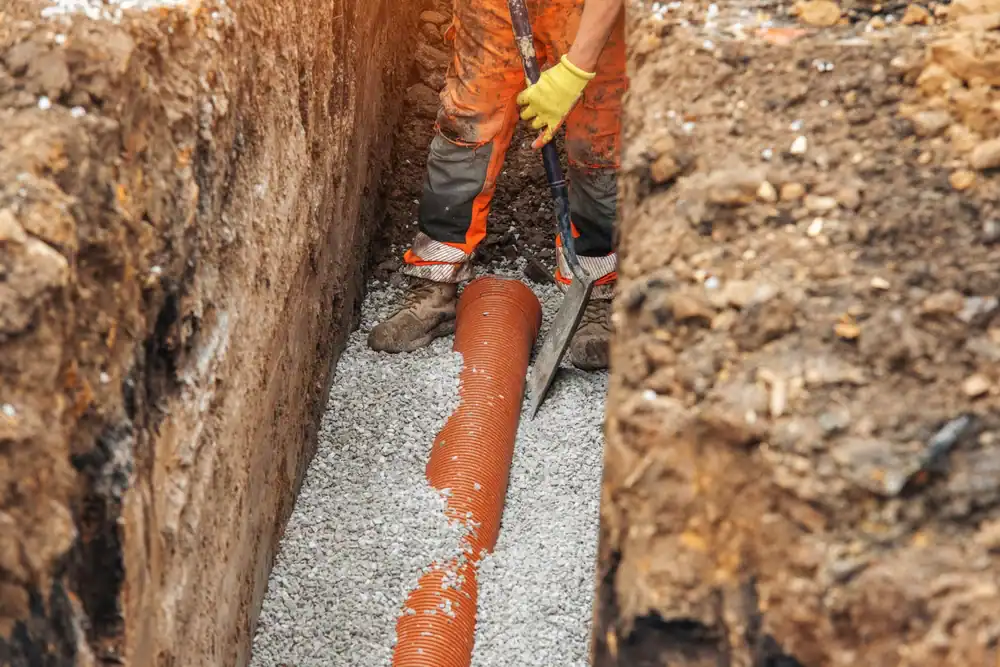
We start with a video inspection that shows exactly where the problem is—down to the foot. That means we dig only where necessary, replace what’s broken, and leave the rest of your system intact. You get proper pipe pitch and slope for drainage, clean trenching and excavation work, and your yard restored when we’re done.
We’ve handled cesspool and sewer line work across Long Island for over four generations. We’ve seen every type of pipe failure that happens in Holtsville—from root intrusion to soil settlement to connections that were never installed correctly in the first place.
We’re licensed, insured, and local. When you call, you reach our team directly—not a call center. We show up when scheduled, provide upfront pricing before we dig, and we don’t “discover” mysterious problems halfway through the job that suddenly cost more.
Holtsville’s clay soil doesn’t drain like other areas. That means your cesspool system works harder, and line failures show up faster when something goes wrong. We know how to work with these conditions, and we know what Suffolk County requires for permits and compliance.
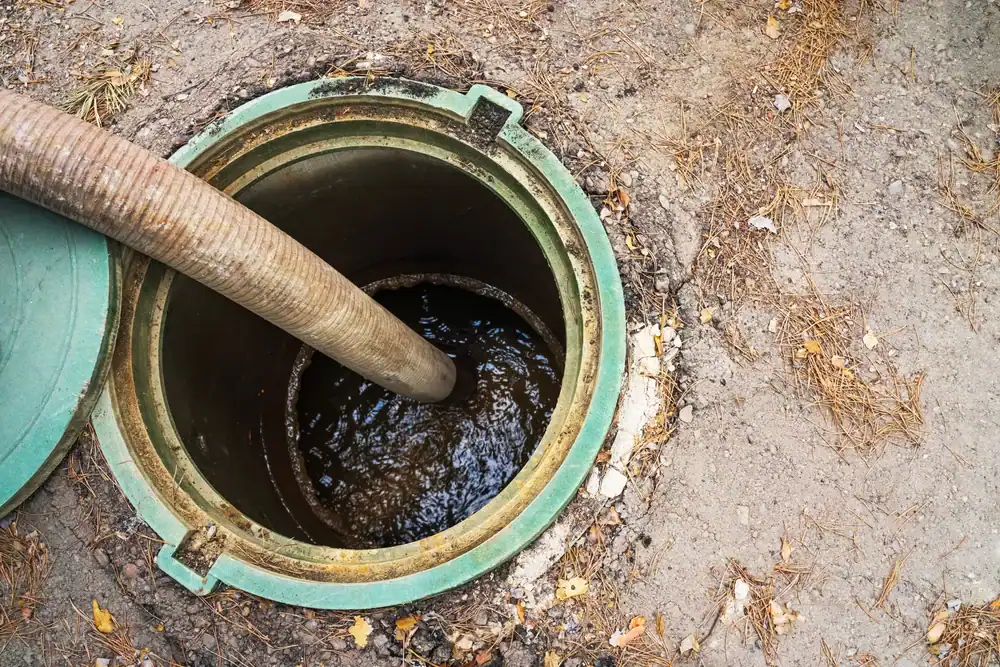
First, we inspect the line with a video camera. You’ll see exactly what we see—cracks, root damage, collapsed sections, whatever caused the backup or failure. The camera has a foot counter, so we know the precise location without guessing.
Next, we explain what needs to be fixed and what it will cost. If it’s a 10-foot section of broken pipe, we tell you that. If the connection to your cesspool is failing, we tell you that. No upselling, no scare tactics.
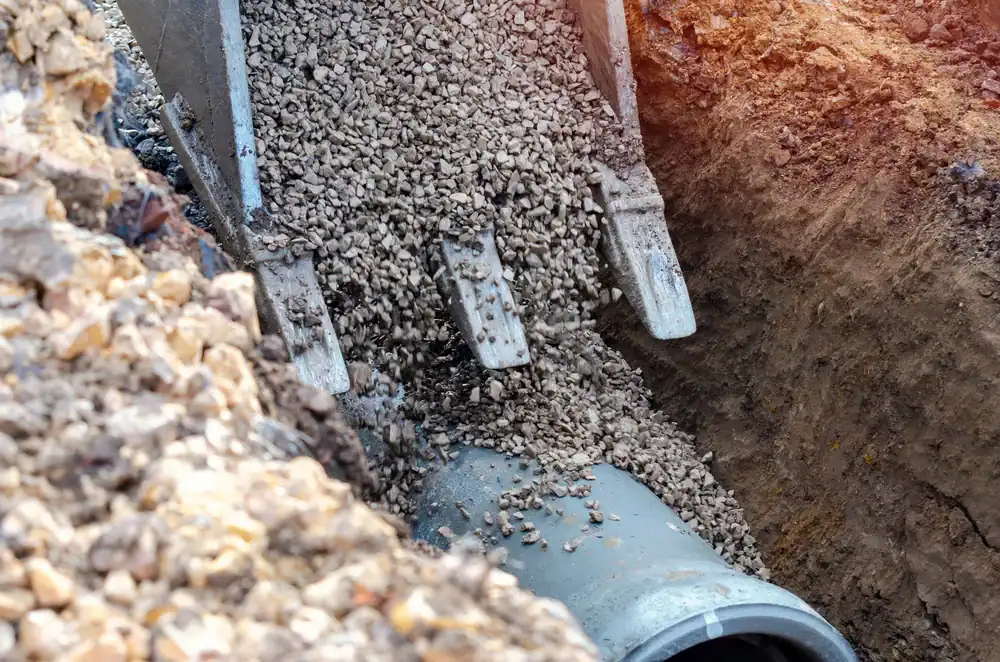
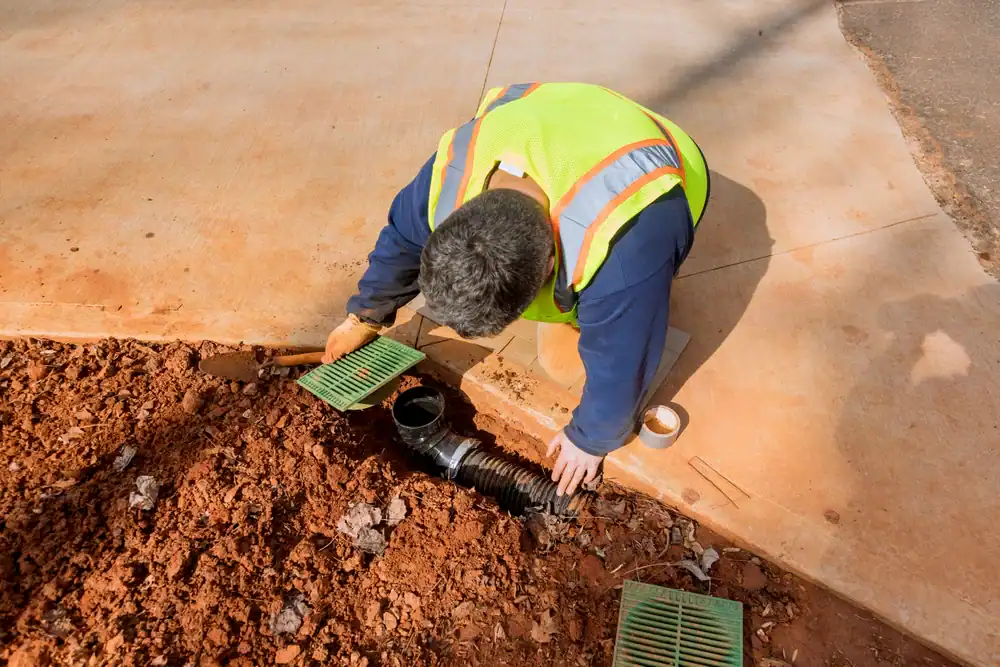
Then we handle the trenching and excavation. We dig only where the damage is, remove the failed pipe, and install new pipe with proper pitch and slope so waste flows correctly. If you’re dealing with a sewer line to cesspool connection issue, we make sure that joint is sealed and stable.
Finally, we backfill the trench, compact the soil, and restore your yard as close to original condition as possible. You’ll get documentation for the work, which matters if you ever sell the property or need to show compliance with Suffolk County regulations.
Ready to get started?
Line changes cover any section of pipe between your house and your cesspool. That includes the main waste line from your home, the connection point where it enters the cesspool, and any sections in between that have cracked, shifted, or failed.
In Holtsville, the most common issues we see are root intrusion from mature trees and soil movement from clay expansion and contraction. Both cause pipes to separate at joints or crack along the length. When that happens, sewage leaks into the surrounding soil instead of reaching the cesspool.
We handle the full scope: permits from the Town of Brookhaven, compliance with Suffolk County Health Department regulations, proper excavation depth, correct pipe pitch (usually 1/4 inch per foot), backfill and compaction, and site restoration. You’re not left with a trench and a pile of dirt.
One thing to know: Suffolk County banned new cesspool installations in 2019. If your system is beyond repair, you’ll need to upgrade to a modern septic system. But if the cesspool itself is fine and only the line failed, a targeted pipe replacement keeps you compliant and functional without that larger expense.
A video inspection answers this question definitively. If the cesspool itself is structurally sound and the problem is isolated to a section of pipe, you’re looking at a line change. If the cesspool is collapsing, overflowing constantly, or contaminating groundwater, you’ll likely need a full replacement.
The cost difference is significant. Line changes typically run $500 to $3,000 depending on length and accessibility. Full system replacements start around $15,000 and can exceed $25,000. That’s why we always inspect first—you shouldn’t pay for a new system if a pipe repair solves the problem.
Most Holtsville homes with cesspool issues fall into the repair category. The systems were built correctly decades ago, but pipes age and fail over time. Replacing a 20-foot section of broken pipe is straightforward work that extends your system’s life without the expense and disruption of a complete overhaul.
Three main culprits: tree roots, soil movement, and age. Holtsville’s clay soil expands when wet and contracts when dry, which shifts pipes over time. Add 40+ years of that cycle, and joints separate or pipes crack.
Tree roots seek out moisture and nutrients, which means they grow toward sewer lines. Once a root finds a small crack or loose joint, it infiltrates and expands inside the pipe. Eventually, the root mass blocks flow entirely or breaks the pipe apart.
Age is the third factor. Cast iron and clay pipes were common in the 70s and 80s. Both corrode or deteriorate over decades. Modern PVC doesn’t have that issue, which is why we replace failed sections with materials that will outlast the rest of your system.
Most line changes take one to two days, depending on the length of pipe being replaced and site conditions. A simple 10-foot section with easy access might be done in a few hours. A 50-foot run under landscaping or hardscape takes longer.
The video inspection happens first and usually takes 30 to 60 minutes. Once we know what needs to be replaced, we schedule the excavation work. Trenching, pipe removal, new pipe installation, backfill, and compaction happen in sequence.
You’ll have use of your plumbing again as soon as the new pipe is connected and tested. We don’t leave you without working drains overnight. Site restoration—grading, seeding, or replacing sod—happens at the end, and that’s mostly cosmetic. Your system is functional before we finish the yard work.
Yes. Cesspool work in Holtsville requires permits from the Town of Brookhaven and must comply with Suffolk County Health Department regulations. We handle the permit process as part of the job—you don’t need to visit Town Hall or figure out what forms to file.
Permits exist to ensure work is done correctly and safely. Inspectors verify that new pipe is installed at the proper depth and slope, that connections are sealed, and that the work doesn’t create environmental hazards. It’s not red tape—it’s protection for your property and your neighbors.
Working without permits creates problems if you ever sell your home. Buyers’ inspectors and attorneys ask for documentation of cesspool and septic work. Missing permits can delay or kill a sale. We make sure everything is documented and filed correctly so you’re covered down the road.
Technically possible, but not advisable. Sewer line work requires excavation equipment, knowledge of proper pipe pitch and slope, familiarity with local soil conditions, and compliance with Suffolk County regulations. Most homeowners don’t have the tools or experience to do it correctly.
Improper pitch means waste doesn’t flow. Too steep and solids settle in the line. Too shallow and liquids move slowly, creating backups. The standard is 1/4 inch of drop per foot of horizontal run, which is hard to achieve accurately without a laser level and experience.
There’s also the contamination risk. You’re working with raw sewage in soil that may already be saturated. Without proper safety equipment and procedures, you’re exposing yourself to serious health hazards. And if the repair fails or causes environmental contamination, you’re liable for cleanup costs and potential fines that far exceed what professional work would have cost.
If we replaced a section of pipe and installed it correctly, that section shouldn’t fail again in your lifetime. Modern PVC pipe is durable, root-resistant, and doesn’t corrode. The weak points in your system become the older sections we didn’t replace.
That’s why we document everything with video before and after the repair. You’ll know exactly what was replaced and what remains. If you have issues down the road, we can quickly determine whether it’s the repaired section or a different part of the line.
Most repeat failures happen because the original problem wasn’t fully addressed. If roots caused the break and the tree is still there, roots will eventually find another weak spot. If soil settlement caused the issue and drainage around your property hasn’t improved, the same forces are still at work. We talk through these factors during the inspection so you understand what might need attention beyond just the pipe replacement itself.
Other Services we provide in Holtsville