
Hear from Our Customers
You’re not calling because everything’s fine. Something’s backing up, draining slow, or smelling wrong. The question isn’t whether there’s a problem—it’s where it is and how bad it’s gotten.
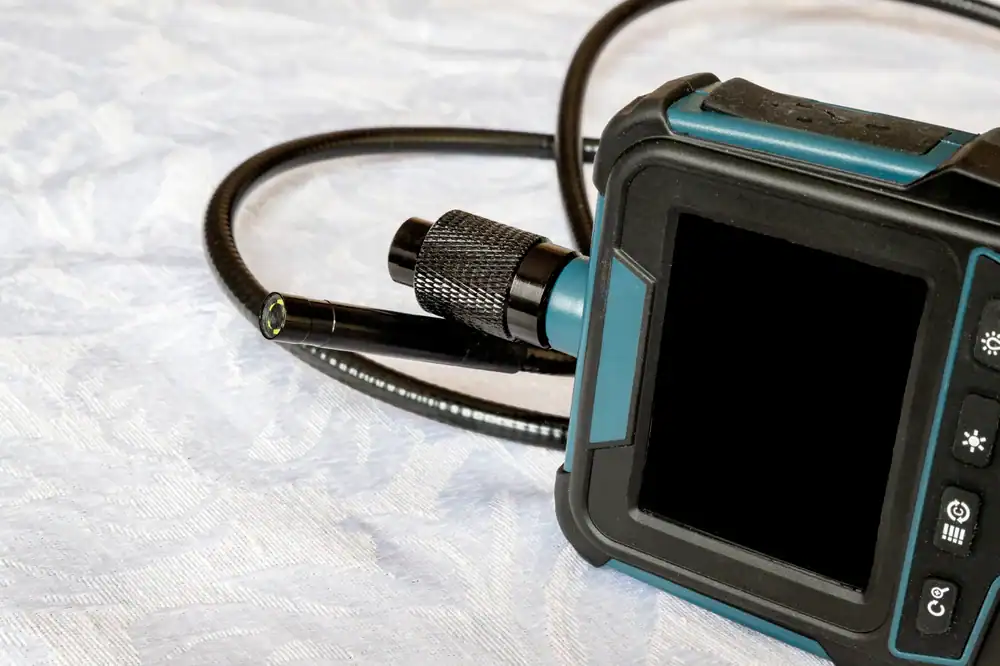
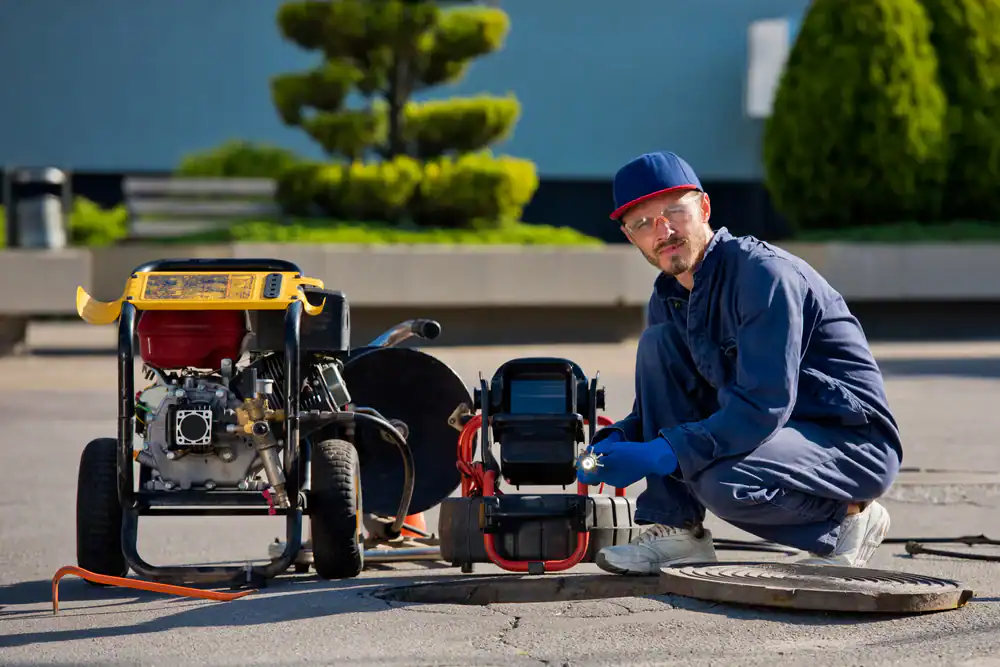
A camera inspection gives you the answer in real time. We feed a high-resolution camera through your sewer line or cesspool system and you watch the footage with us. Cracks, root intrusion, blockages, collapsed sections—it all shows up on screen. No digging to “see what’s going on.” No estimating based on age or symptoms.
This matters because what could’ve been a $15,000 emergency repair often turns into a $2,500 planned fix when you catch it early. You see the problem. You understand the scope. You make the call based on actual conditions, not worst-case scenarios.
And if you’re buying a home in Islandia, this is the inspection that tells you whether that cesspool is going to last another decade or fail in six months. It’s documentation you can bring to the table or walk away with.
We’ve been handling cesspool and septic issues across Islandia, NY and the surrounding Suffolk County area for years. We’re licensed, insured, and we’ve seen what happens when systems that were installed in the ’60s and ’70s finally give out.
Most of the cesspools around here weren’t built to last this long. Concrete degrades. Roots find their way in. The soil shifts. We’re not trying to scare you—we’re just telling you what we see every week.
When you call us for a camera inspection, you’re working with people who know the difference between a minor clog and a system that’s about to collapse. We’ll show you what we’re looking at, explain what it means, and give you a straight answer about what needs to happen next.
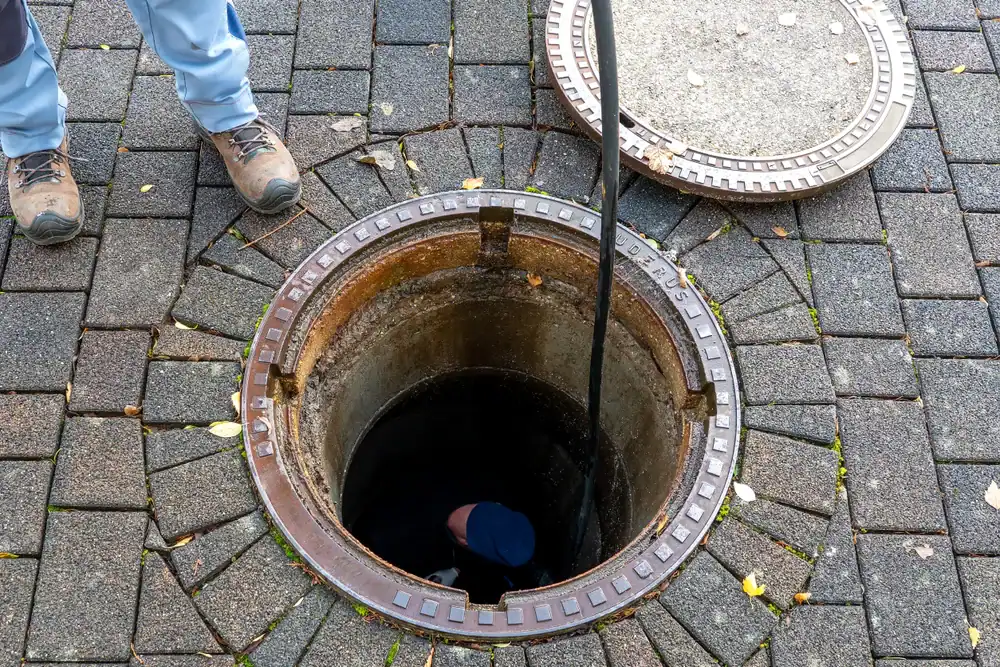
We start by locating your cleanout access point—that’s where the camera goes in. If your system doesn’t have one or we can’t access it easily, we’ll let you know up front what’s needed to proceed.
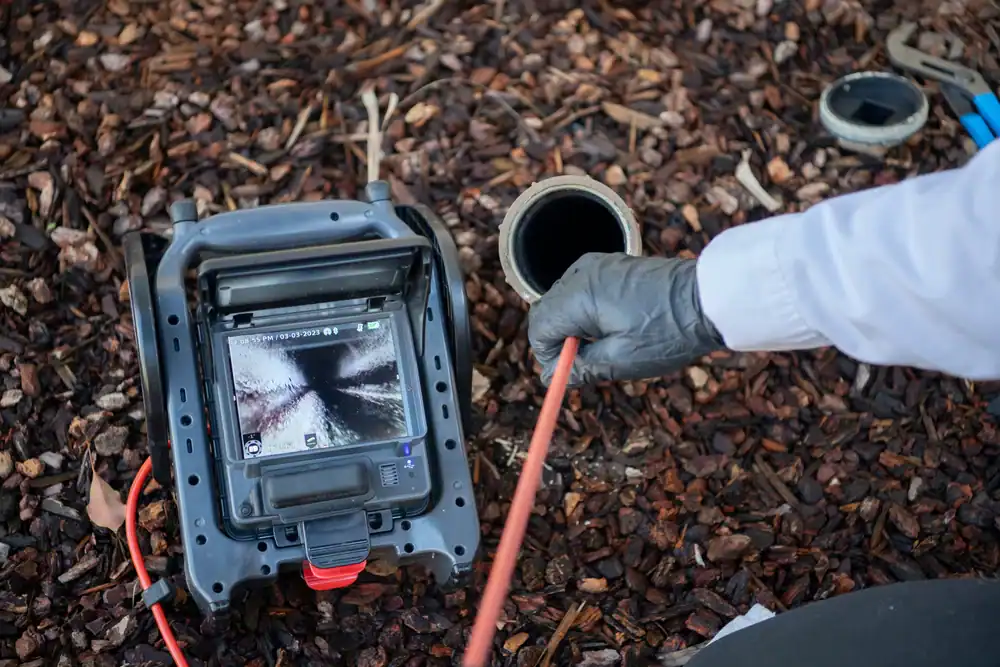
Once we’re in, we feed a flexible camera line through your pipes. The camera head has its own light source and records high-definition footage as it moves through the system. It handles pipes from 2 inches to 36 inches in diameter, and it navigates bends and turns without issue.
You’re watching the same screen we are. When we spot something—a crack, a root mass, a section that’s starting to separate—we stop and mark it. The camera has a locator transmitter that lets us pinpoint the exact depth and location from ground level. That means if you do need a repair, we’re not guessing where to dig.
The whole process usually takes 30 to 90 minutes depending on the length of your line and what we find. You get a copy of the footage and a report that breaks down what we saw. If there’s a problem, we’ll walk you through your options. If everything looks solid, you’ve got documentation and peace of mind.
Ready to get started?
Every camera inspection includes real-time viewing, recorded footage you can keep, and a written report that explains what we found. We’re not handing you a checklist with “pass” or “fail”—you’re getting a detailed breakdown of your system’s current condition.
This matters in Islandia because Suffolk County’s regulations around cesspools and nitrogen pollution are tightening. If you’re facing a mandated upgrade or trying to sell your home, having documented proof of your system’s condition gives you leverage. Buyers want to see it. Inspectors ask for it. Insurance companies sometimes require it.
We also use the footage to show you why a specific repair approach makes sense. If there’s a root intrusion at 12 feet down near your property line, you’ll see exactly where it is and how extensive the damage has become. That’s the difference between a targeted fix and ripping up your entire yard hoping to find the problem.
And if you’re dealing with recurring backups or slow drains, the camera often reveals issues that wouldn’t show up any other way—bellied pipes, offset joints, or partial collapses that aren’t bad enough to cause a total failure yet, but will eventually.
Most camera inspections in the Islandia area run between $230 and $600 depending on the length of your line, accessibility, and whether we’re inspecting a standard residential sewer line or a larger cesspool system. If your system is straightforward and we can access it easily, you’re looking at the lower end. If we need to locate multiple access points or inspect a complex commercial setup, it’ll be higher.
We give you a free estimate before we start so there’s no surprise. And here’s the thing—even at $500, a camera inspection is cheap insurance compared to what you’d spend on an emergency repair that could’ve been prevented. You’re paying a few hundred dollars now to avoid a few thousand later.
If you’re buying a home, some inspection companies include a basic sewer scope, but it’s often not as thorough as what we provide. You want someone who’s looking at cesspool systems daily, not a generalist who runs a camera through once a month.
Yes. That’s one of the most common reasons people call us for a video inspection, and it’s exactly what the technology was designed to do.
When roots get into your sewer line, they show up clearly on camera—you’ll see the mass of root fibers filling the pipe. But more importantly, the camera’s locator transmitter lets us mark the exact spot from above ground. We’ll know the depth and the distance from your cleanout, which means if we need to excavate or use a root cutter, we’re going straight to the problem.
This is especially useful in Islandia where older oak and maple trees are everywhere. Their root systems are aggressive, and they’ll exploit any crack or joint separation in your cesspool line. A lot of homeowners don’t realize they have root intrusion until they’re dealing with constant backups. The camera shows you how bad it’s gotten and whether you’re looking at a simple root clearing or a pipe replacement.
Not always. It depends on what we find and how severe it is.
If we’re looking at a small crack or minor root intrusion that’s not causing active problems, you might be fine monitoring it and scheduling a repair when it’s convenient. If we find a section that’s partially collapsed or a blockage that’s about to cause a backup, that’s something you’ll want to address sooner.
We’ll walk you through what we’re seeing and give you an honest assessment of urgency. Some issues can wait. Others can’t. The advantage of catching it with a camera is that you’re making that decision based on actual conditions, not panic or guesswork.
And if you’re in the middle of a real estate transaction, the timeline might be dictated by your contract or the buyer’s requests. The footage gives everyone a clear picture of what needs to happen and what it’ll cost. No one’s negotiating blind.
Most inspections take between 30 and 90 minutes. If your system is straightforward—single sewer line, easy cleanout access, no major obstructions—we’re usually done in under an hour. If we’re inspecting a longer line, dealing with multiple access points, or working around a blockage, it’ll take closer to 90 minutes.
We’re not rushing. The whole point is to get a thorough look at your system, and that means moving the camera slowly enough to catch details. If we see something that needs a closer look, we’ll stop and review that section carefully.
You’re welcome to watch the entire process. A lot of homeowners want to see what’s going on in real time, and we’ll explain what you’re looking at as we go. If you’d rather not stand there for an hour, that’s fine too—we’ll walk you through the footage when we’re done.
No. The camera is designed to move through your pipes without causing damage. It’s a flexible line with a small camera head, and it doesn’t apply pressure or force that would crack or disturb your system.
If your pipes are already in bad shape—severely corroded, partially collapsed, or filled with a major blockage—we might not be able to get the camera all the way through. But that in itself tells us something important about the condition of your line. We’re not going to force it and risk getting stuck.
The inspection is non-invasive. We’re not digging, we’re not using chemicals, and we’re not doing anything that would compromise your system. It’s purely diagnostic. The goal is to see what’s there so you can make an informed decision about what happens next.
If you’re buying a home, yes. If your system is over 20 years old and you’ve never had it inspected, it’s worth considering. If everything’s draining fine and you’re not having any issues, it’s not urgent—but it’s also not a bad idea.
Most cesspool failures don’t happen overnight. They develop slowly. A small crack turns into root intrusion. A joint separates slightly and gets worse over time. By the time you’re dealing with a backup or a soggy yard, the damage is often extensive.
A camera inspection gives you a baseline. You’ll know what condition your system is in right now, and if we spot early warning signs, you can address them before they become expensive emergencies. It’s the same reason you get your roof inspected or your HVAC serviced—you’re catching problems while they’re still manageable.
In Suffolk County, where regulations around cesspools are changing and older systems are being phased out, having documentation of your system’s condition can also help you plan for future upgrades or replacements on your timeline, not the county’s.
Other Services we provide in Islandia