
Hear from Our Customers
You stop worrying about backups in your basement. You stop smelling sewage in your yard. You stop wondering if today’s the day your system finally gives out.
A proper line change means your wastewater flows where it should—downhill, at the right pitch, into a system that can handle it. No pooling. No slow drains. No emergency calls at midnight because something finally broke.
If you’re dealing with cracked pipes, root intrusion, or a main waste line that’s just done, you already know what it’s costing you. Time. Stress. The constant thought in the back of your mind that it’s going to get worse. A line change fixes that. It gives you a system you can count on, installed by people who’ve done this work for years across Long Island’s tricky soil conditions.
We’ve been handling line changes, trenching, and pipe replacements across Islandia and Suffolk County long enough to know what works and what doesn’t. We’re licensed, insured, and we don’t cut corners.
You’re not getting a crew that shows up unprepared. You’re getting technicians who understand Long Island’s sandy soil, high water tables, and the local codes that actually matter when you’re digging and replacing sewer lines.
We’ve seen every type of pipe failure—from old clay lines that collapsed decades ago to newer PVC that was installed wrong from the start. That experience means we can diagnose your problem fast and give you a real solution, not a temporary patch.
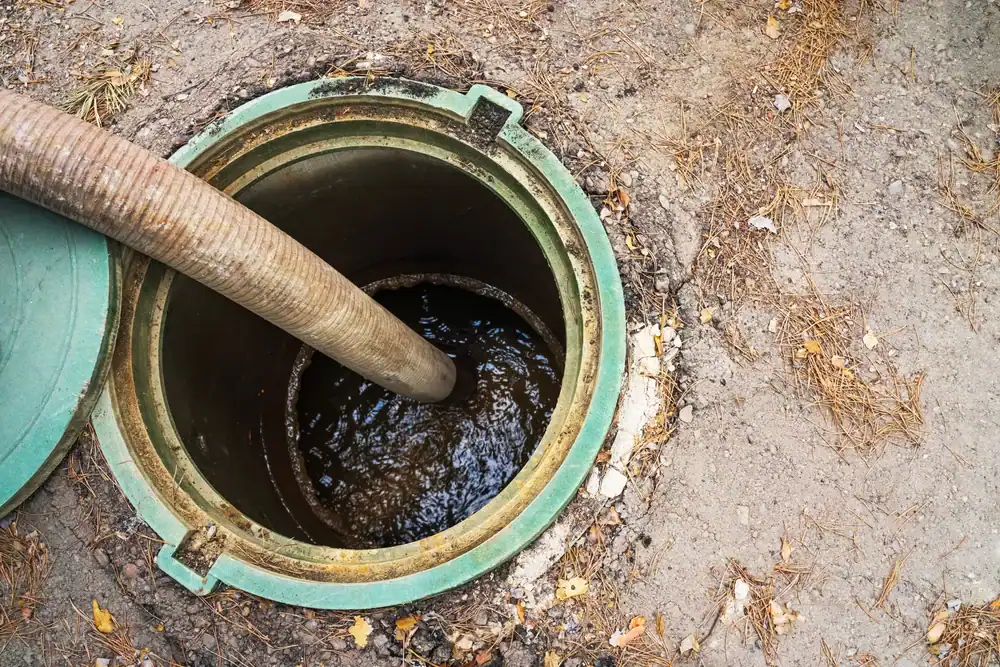
First, we locate the problem. That means finding where your pipe failed, whether it’s a break near the house or a collapse closer to the cesspool. We use cameras and locating equipment to pinpoint the issue without tearing up your entire yard.
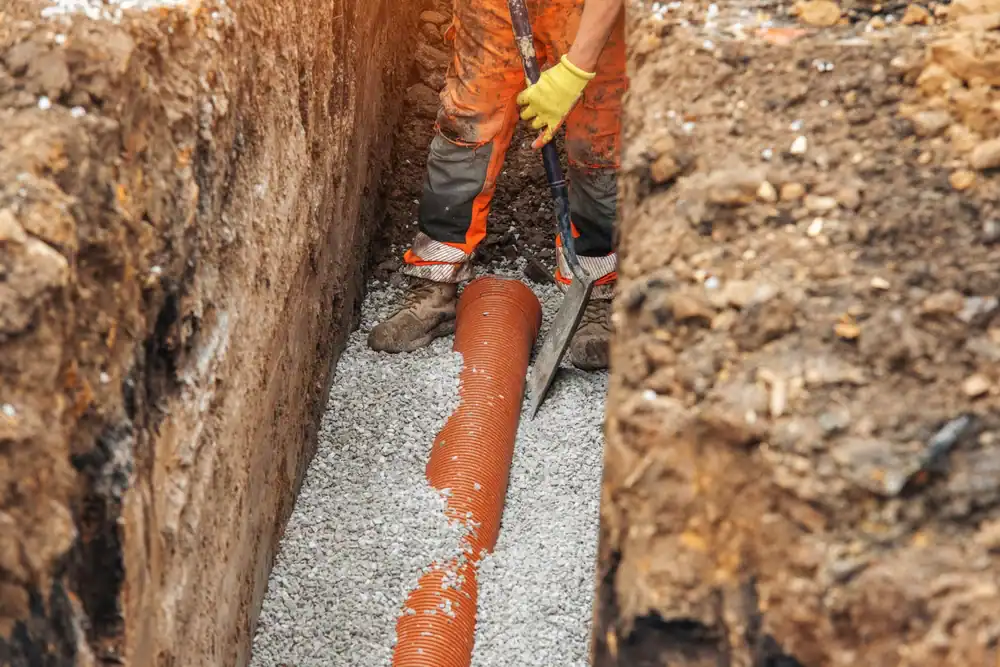
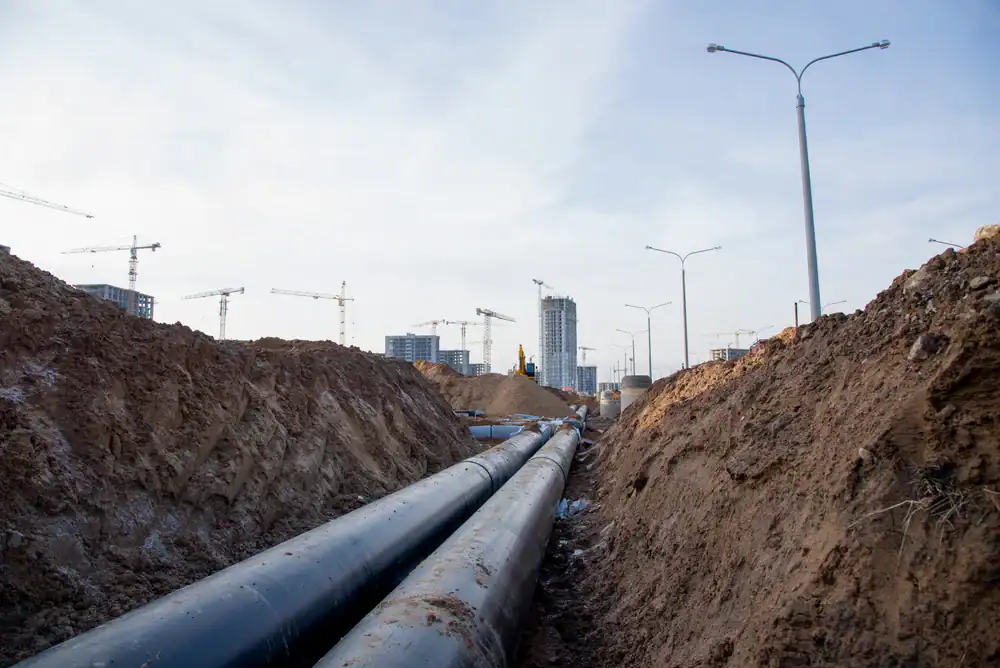
Next comes trenching and excavation. We dig down to the damaged section, accounting for proper depth and slope so your new line actually drains. Long Island soil can be tricky—sandy in some spots, clay in others—so we adjust our approach based on what we’re working with.
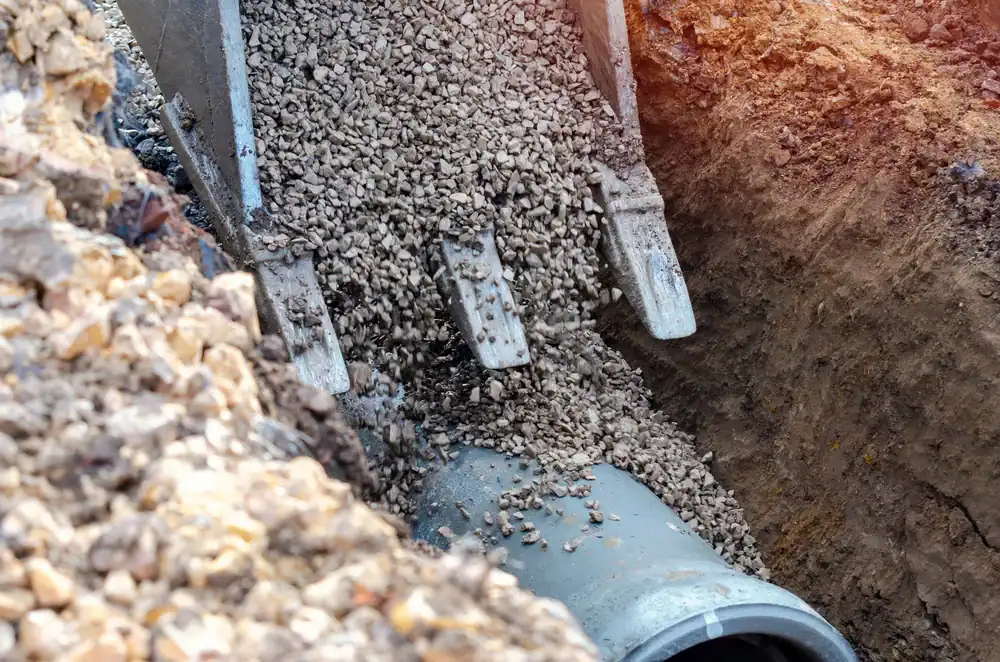
Then we replace the line. That means removing the old pipe, installing new PVC or approved material, and making sure the connection to your cesspool is solid. We check the pitch and slope because even a small error means wastewater won’t flow right.
Finally, we backfill, compact, and restore your property. You get a line that works, installed to code, with no shortcuts.
Ready to get started?
You get a full assessment of your existing system before we start digging. That means understanding what failed, why it failed, and what needs to happen to fix it permanently.
Trenching and excavation are done to the right depth for Suffolk County soil conditions. Long Island’s high water table and sandy soil mean we sometimes need dewatering equipment to keep the trench stable while we work. We handle that.
The new line is installed with proper pitch and slope—usually a quarter inch per foot—so gravity does its job. If your old line was installed flat or with the wrong grade, that’s probably why you had backups and slow drains in the first place.
You also get a connection that’s built to last. Whether it’s tying into your cesspool, septic tank, or municipal sewer, we make sure the joint is sealed and secure. No leaks. No future problems from a rushed install.
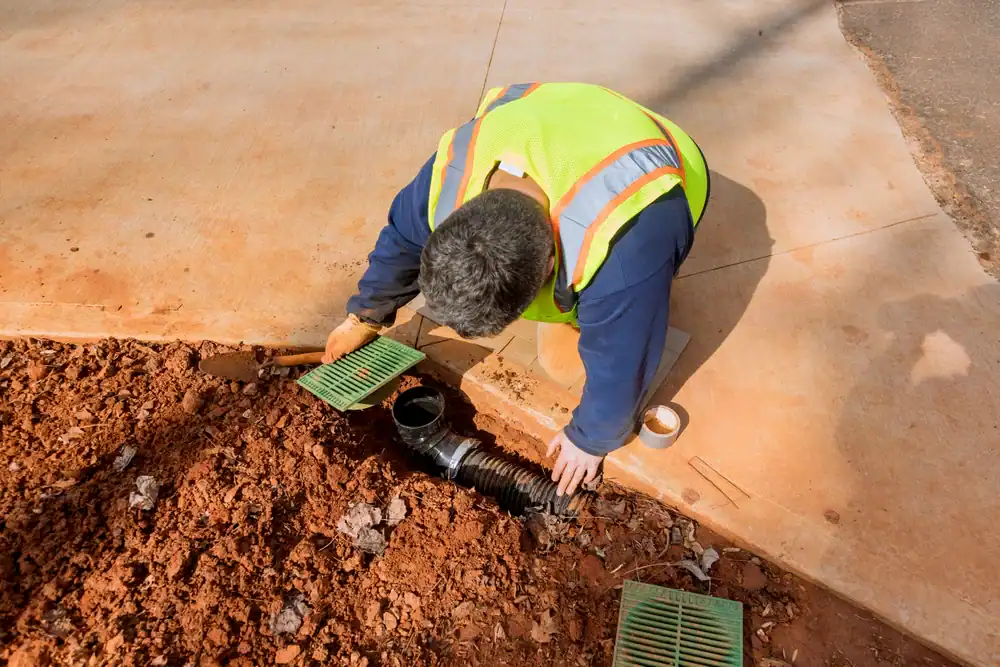
If your pipe has a small crack or a single point of failure, a spot repair might work. But if you’re dealing with multiple breaks, root intrusion throughout the line, or pipes that are just old and deteriorating, a full line change is usually the smarter move.
Old clay pipes, cast iron that’s rusted through, or Orangeburg pipe that’s collapsed—those don’t get better with a patch. You’re just buying time until the next section fails. A line change replaces the problem entirely.
We’ll camera the line and show you what’s actually happening underground. If half your pipe is compromised, you’ll see it. That makes the decision pretty clear.
Age is the biggest factor. A lot of homes in Islandia were built decades ago with clay or cast iron pipes that were never meant to last this long. Those materials crack, corrode, and collapse over time.
Tree roots are another major cause. Roots seek out moisture, and even a tiny crack in your sewer line is an invitation. Once they get in, they grow, block the pipe, and eventually break it apart.
Ground movement and settling also play a role, especially in Long Island’s sandy soil. Pipes shift, joints separate, and suddenly your line isn’t sloped right anymore. Water stops flowing, backups start happening, and you’ve got a problem that won’t fix itself.
Most residential line changes take one to three days, depending on the length of the run, soil conditions, and how deep we need to dig. If we’re replacing 50 feet of pipe in straightforward soil, that’s faster than dealing with 100 feet through clay with a high water table.
Permitting can add time if your town requires it. Suffolk County has specific codes for sewer line work, and we handle that process so you don’t have to chase down inspectors.
Weather matters too. Heavy rain can delay excavation work because we need stable ground to trench safely. But once we start, we work straight through until the job’s done. You’re not waiting weeks with an open trench in your yard.
Not usually. We dig a trench along the path of the damaged pipe—from your house to the cesspool or septic tank. That’s typically a narrow trench, not your whole lawn.
If the line runs under a driveway, patio, or landscaping, we’ll need to excavate there too. But we’re not tearing up more than necessary. We locate the exact route first so we know where to dig.
After the new line is installed and backfilled, we grade and compact the soil. You’ll need to reseed or lay sod over the trench, but the rest of your property stays untouched. If there’s a way to minimize disruption, we’ll take it.
A cesspool is basically a large pit that collects wastewater and lets it leach into the surrounding soil. It doesn’t treat the wastewater—it just holds it until it seeps away. Cesspools are being phased out in Suffolk County because they contribute to groundwater contamination.
A septic system has a tank that separates solids from liquids, then sends the liquid to a leach field for further treatment. It’s a more advanced setup and required for most new installations or replacements.
If you’re connecting to a cesspool, we make sure the line is sealed and sloped correctly so wastewater flows in without backing up. If you’re upgrading to a septic system, we’ll connect to the inlet of the tank and ensure everything meets current Suffolk County regulations. The line change process is similar either way—the difference is what’s receiving the wastewater on the other end.
Cost depends on how much pipe needs replacing, how deep we’re digging, and what we run into once we’re in the ground. A straightforward 50-foot line change might run a few thousand dollars. A longer run with difficult soil, dewatering needs, or obstacles like tree roots and rock can cost more.
We give you a free estimate upfront so you know what you’re looking at before we start. No surprises, no inflated bills after the fact.
If your line has failed, the cost of not fixing it is usually higher. Backups can damage your home’s foundation, contaminate your property, and create health hazards. A line change stops that from happening and gives you a system that actually works.
Other Services we provide in Islandia