
Hear from Our Customers
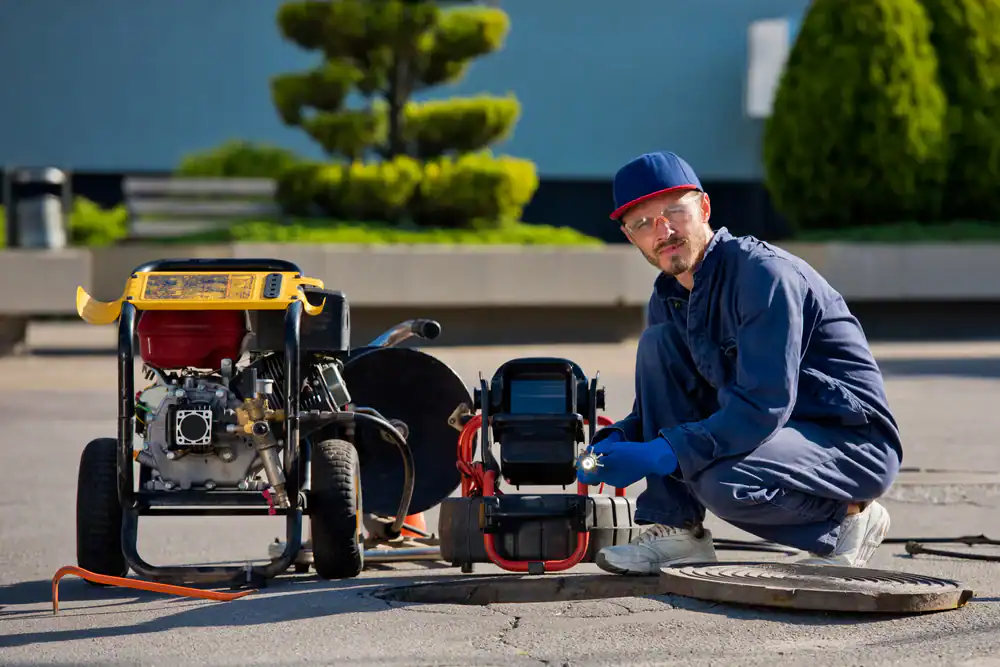
You shouldn’t have to pay for exploratory digging just to find out what’s wrong. A sewer line video inspection shows you the exact problem in real time—roots growing through joints, collapsed sections, grease buildup, or cracks letting groundwater seep in.
You see it on the monitor while we’re running the camera. We mark the footage with a foot counter so you know precisely where the issue is located under your property. That means targeted repairs, not tearing up your entire yard hoping to find the problem.
And if you’re dealing with slow drains, sewage smells, or backups during heavy use, pipe condition assessment catches the early warning signs before your system fails completely. Most emergency calls we get could’ve been prevented if someone had looked inside the line six months earlier. The camera doesn’t lie, and it doesn’t miss much.
We’ve been handling cesspool and septic work in Lake Ronkonkoma for nearly two decades. We’ve seen how Long Island’s sandy soil drains fast, how coastal water tables rise during storms, and what happens when systems that were fine for years suddenly aren’t.
Suffolk County banned new cesspool installations back in 2019. That means if your system fails now, you’re looking at a full upgrade—not a simple fix. Knowing what’s happening inside your pipes before they fail gives you time to plan, budget, and avoid a crisis during the worst possible moment.
We’re licensed, insured, and we use the latest camera technology because it saves you money. Our team doesn’t guess. We show you what’s wrong, explain what it means, and let you decide how to move forward.
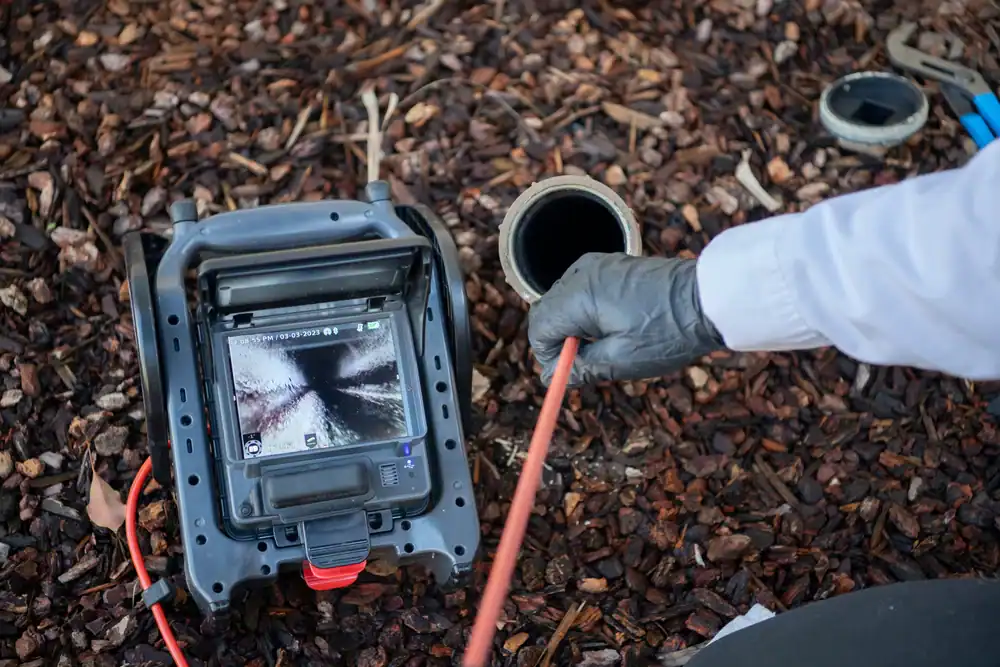
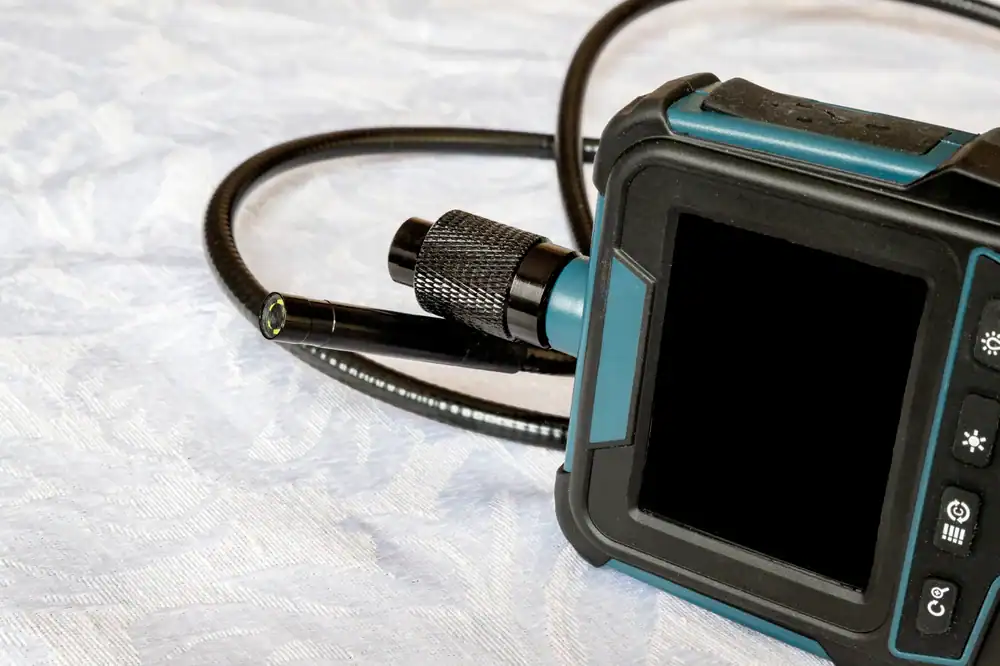
We start by locating your cleanout access point or the best entry into your sewer line. Then we feed a flexible, high-resolution camera through the pipe. It’s built to navigate bends and handle pipes from 2 inches to 36 inches in diameter.
As the camera moves through your line, you watch the footage in real time on a monitor. We’re looking for blockages, cracks, root intrusion, bellied sections where water pools, or any structural damage that’s causing problems. The camera has a locator beacon, so when we find something, we can pinpoint its exact location from above ground—no digging required to find it.
You get a USB copy of the full inspection with digital footage and reporting. That’s useful if you need a second opinion, want to show a contractor what needs fixing, or need documentation for a property sale. Most buyers and mortgage companies want proof the system works before closing, and a recorded inspection gives you that.
The whole process usually takes 30 to 60 minutes depending on the length of your line and what we find. If there’s a blockage we can clear on the spot, we’ll handle it. If it’s something bigger, you’ll know exactly what you’re dealing with before anyone starts digging.
Ready to get started?
You get a full visual inspection of your sewer line from entry point to connection. That includes locating underground pipe leaks, identifying root penetration, checking for separated joints, and assessing overall pipe condition. We’re looking at the interior walls for cracks, corrosion, scale buildup, and anything that’s restricting flow or letting contaminants in.
In Lake Ronkonkoma, the water table sits high, especially near the lake and low-lying areas. When pipes crack or joints separate, groundwater floods your line. That overwhelms your cesspool and creates backups that have nothing to do with how much water your household uses. The camera catches that.
We also check for bellied sections—places where your pipe has settled or shifted and now sags. Water and waste pool there instead of flowing through. Over time, solids accumulate and create a permanent blockage. Spotting that early means you can fix one section instead of replacing the whole line later.
You’ll get the footage saved to a USB drive, a written summary of what we found, and a straightforward explanation of what needs attention now versus what you can monitor. No upselling. No scare tactics. Just the facts about your system and what makes sense for your situation.
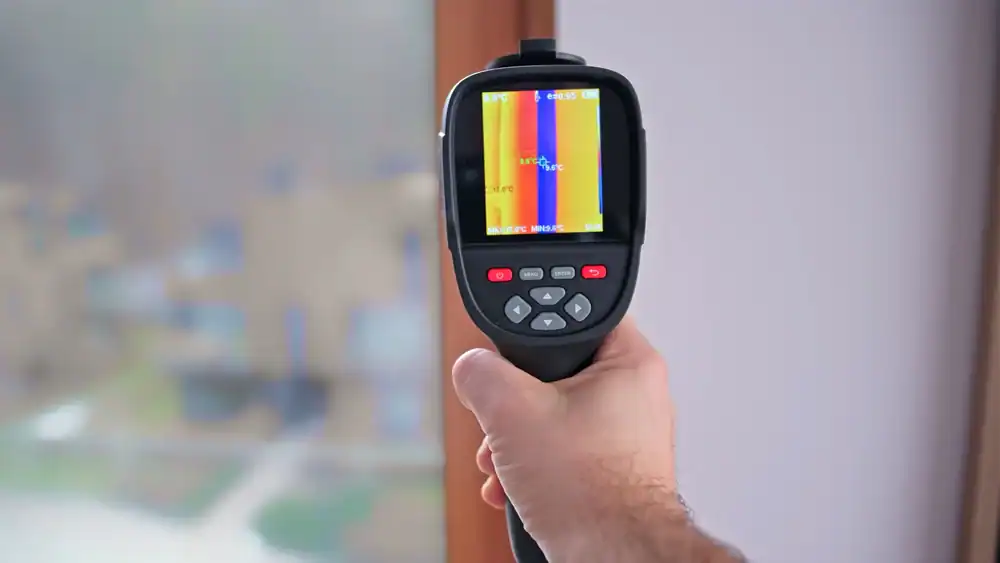
A camera inspection typically costs a few hundred dollars and takes about an hour. Digging up your yard to locate a problem costs thousands—sometimes over $10,000 if you’re excavating long sections of pipe, damaging landscaping, or tearing up driveways.
The camera finds the exact problem spot in one visit. You’re not paying a crew to dig exploratory trenches, backfill, restore your lawn, and hope they guessed right about where the issue is. And if it turns out you do need excavation, you’ll know precisely where to dig and what you’re fixing before the first shovel hits the ground.
Most people who skip the camera and go straight to digging end up spending more overall. You’re either fixing the wrong section, missing additional problems nearby, or paying for labor that didn’t need to happen. The inspection pays for itself by eliminating guesswork.
Yes. That’s one of the biggest reasons to do it. Most system failures don’t happen overnight—they build up over months or years. You’ll notice slow drains, gurgling sounds, or faint sewage odors before you get a full backup. That’s the time to look inside your pipes.
The camera catches early-stage root intrusion before roots completely block the line. It shows you cracks and joint separation before they collapse. It identifies bellied sections where solids are starting to accumulate but haven’t caused a total stoppage yet. All of those problems are cheaper and easier to fix before they become emergencies.
If you’re buying or selling property in Lake Ronkonkoma, the inspection also gives you documentation that the system is functional. Most sales require proof of a working cesspool or septic system, and a failed inspection delays closing and forces expensive repairs. Knowing what’s happening inside your line before it’s a deal-breaker gives you options.
The camera shows us root intrusion, which is one of the most common issues on Long Island. Tree roots grow into pipes through tiny cracks or loose joints, then expand and block the line. You’ll see the roots on camera, and we can tell you how severe the intrusion is and whether it needs cutting, repair, or replacement.
We also find collapsed or crushed sections where the pipe has deteriorated or been damaged by ground shifting, heavy equipment, or age. Bellied pipes—sections that sag and trap water and waste—show up clearly on video. So do grease buildup, scale deposits, and foreign objects that got flushed and lodged in the line.
Cracks, holes, and separated joints are visible too. Those let groundwater flood into your line, which overloads your cesspool and causes backups even when you’re not using much water. In Lake Ronkonkoma, where the water table is high and soil is sandy, that’s a frequent problem. The camera catches it before you’re dealing with sewage in your basement.
Most inspections take between 30 and 60 minutes depending on the length of your sewer line and what we find. If your line is short and clear, we’re done faster. If there are blockages, multiple problem areas, or a long run from your house to the street or cesspool, it takes a bit longer.
You’re welcome to watch the footage in real time as we run the camera. We’ll walk you through what you’re seeing, point out any issues, and answer questions on the spot. If we find a simple blockage we can clear right away, we’ll handle it during the same visit.
After the inspection, you get a USB drive with the full video and a written summary of findings. That way you’re not trying to remember everything we talked about, and you have documentation if you need to show another contractor, a buyer, or a lender what’s going on with your system.
If everything’s draining fast and you’re not noticing any smells or backups, you probably don’t need an inspection right now. But if you’re buying or selling a home, most transactions require documentation that the cesspool or septic system is functional. A camera inspection provides that proof and catches problems before they kill a deal.
It’s also smart to inspect if your system is older, you’ve got mature trees near your sewer line, or you’ve had issues in the past that were patched but not fully resolved. Long Island’s soil and water table conditions are tough on underground pipes, and problems develop gradually. Catching them early saves money.
Some homeowners schedule inspections every few years as part of routine maintenance, especially if they’ve invested in system upgrades or live in areas prone to high water tables. It’s not required, but it’s a lot cheaper than emergency repairs when something fails unexpectedly during a holiday weekend or when you have a house full of guests.
Yes. You’ll receive a USB drive with the complete video footage and a written report summarizing what we found. The video is timestamped and includes a foot counter so you can see exactly where each section of pipe is located relative to your property.
That documentation is useful if you’re selling your home and need to show buyers or lenders that your system is in working order. It’s also helpful if you want a second opinion from another contractor, need to get repair estimates, or want to monitor a problem area over time to see if it’s getting worse.
The footage belongs to you. You can share it, keep it for your records, or use it however you need. Most people appreciate having a visual record of their system’s condition, especially when they’re making decisions about repairs or upgrades that cost thousands of dollars.
Other Services we provide in Lake Ronkonkoma