
Hear from Our Customers
When your main waste line fails, sewage doesn’t just disappear. It backs up into your home, pools in your yard, or creates a health hazard that gets worse by the hour. Every minute you wait costs more in damage, cleanup, and stress.
Line changes fix the root problem. Whether it’s a collapsed pipe, incorrect slope, or a connection that’s failing between your home and cesspool, replacing the line stops the backup cycle completely. You’re not patching a temporary fix—you’re installing a system that moves waste the way it’s supposed to.
Most Lake Ronkonkoma properties sit on soil that shifts over time. Pipes settle, pitch changes, and what worked for twenty years suddenly doesn’t. A proper line change accounts for your property’s grade, the distance to your cesspool, and the slope needed to keep everything flowing. That’s what prevents the next emergency before it happens.
We’ve been handling line changes in Lake Ronkonkoma for almost two decades. Four generations of experience means we’ve seen every soil condition, every property layout, and every type of pipe failure this area throws at us.
We’re not new to Long Island’s unique challenges. The sandy soil, the water table, the way properties were built decades ago—all of it matters when you’re replacing a main waste line or correcting pipe pitch. We know what works here because we’ve done it hundreds of times.
When you call, you’re getting a crew that treats your property like it matters. We show up on time, we explain what’s wrong using video camera inspections so you can see it yourself, and we give you a clear plan before any digging starts.
First, we inspect the line with a video camera. You get to see the footage—the cracks, the bellies where waste collects, the root intrusion, whatever’s causing the problem. We measure the depth and location so there’s no guessing when excavation starts.
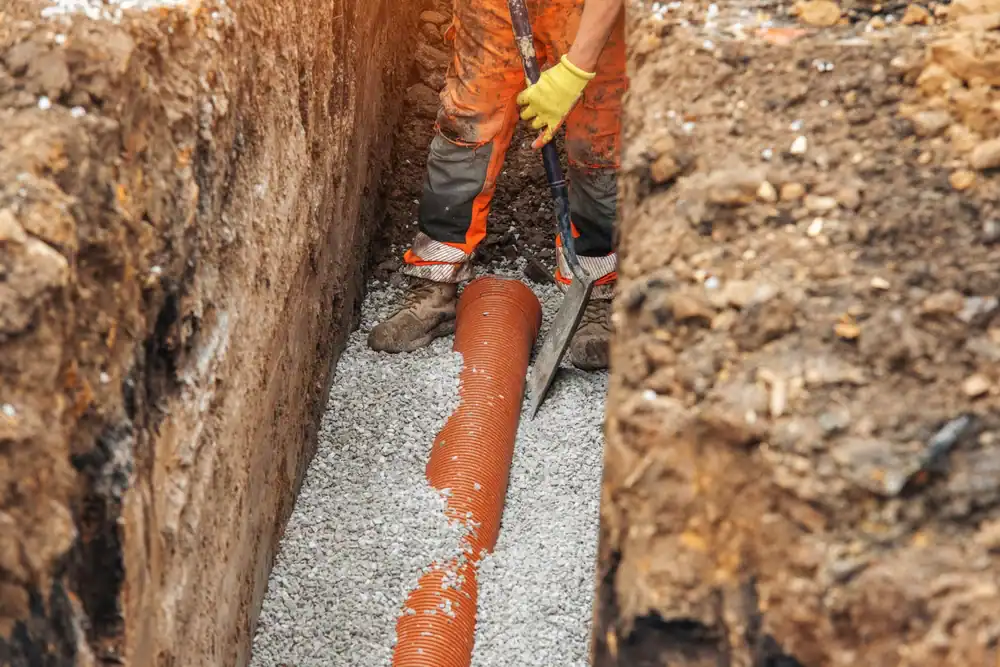
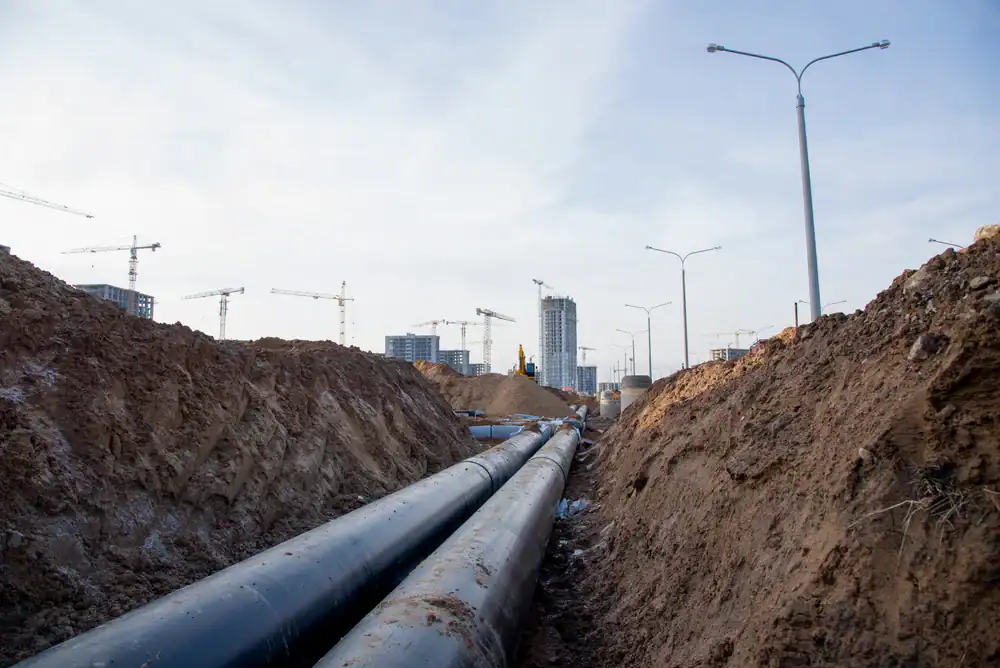
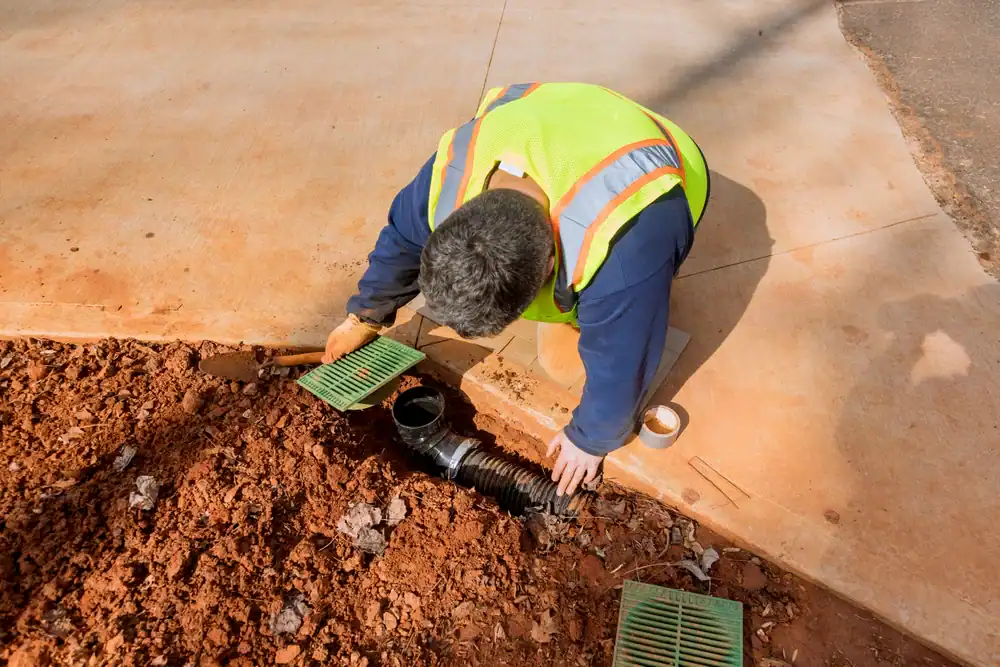
Next comes trenching and excavation. We dig down to expose the damaged section, whether that’s a few feet or the entire run from your house to the cesspool. If the problem is pipe pitch and slope, we re-grade the trench to create the right fall—usually a quarter inch per foot—so gravity does the work.
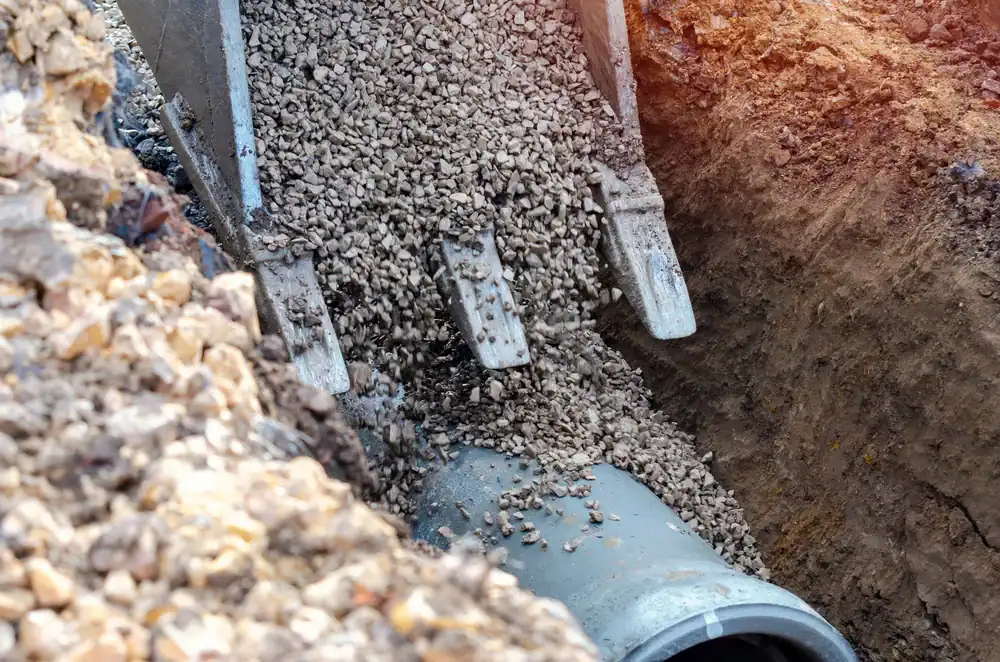
Then we install the new line. We use durable pipe rated for Long Island conditions, connect it properly to your home’s waste outlet and your cesspool inlet, and backfill the trench in layers to prevent settling. Before we’re done, we test the flow to confirm everything drains correctly.
You’re left with a system that works. The backup risk is gone, the pooling water disappears, and your waste moves from your home to your cesspool without issue.
Ready to get started?
Every line change starts with a full video inspection so you know exactly what’s failing and where. We don’t guess—we show you the problem on screen and explain what needs to happen to fix it.
Trenching and excavation are done with equipment sized for residential properties. We’re not tearing up more lawn than necessary, and we’re careful around driveways, landscaping, and anything else that matters to you. If your property has a steep grade, we use step trenching to maintain proper slope without over-digging.
The new line installation includes proper pipe material, secure connections at both ends, and backfill that’s compacted to prevent future settling. If your old line had a pitch problem—too flat, too steep, or sagging in the middle—we correct it during the install so waste flows the way it should.
Lake Ronkonkoma properties often deal with high water tables and sandy soil that shifts. We account for both when setting the line depth and slope. That’s what keeps your new line working for years, not months.
If your line has a single crack or a small section that’s damaged, a spot repair might work. But if you’re dealing with multiple backups, recurring slow drains, or a pipe that’s collapsed or severely bellied, a full line change is usually the better call.
Here’s the test: if the problem keeps coming back after you’ve had the line cleaned or snaked, the pipe itself is failing. That could mean the pitch is wrong, the pipe material has deteriorated, or roots have crushed a section beyond repair. A video inspection shows exactly what’s happening underground.
Most Lake Ronkonkoma homes with original cesspool systems are working with pipes that are 30, 40, even 50 years old. Cast iron corrodes, clay cracks, and even older PVC can shift as soil settles. At a certain point, replacing the line costs less than repeatedly fixing the same problem.
Soil settlement is the main culprit. Long Island’s sandy soil shifts over time, especially after heavy rain or if the trench wasn’t backfilled properly when the original line was installed. As the ground settles, pipes can develop low spots—called bellies—where waste collects instead of flowing.
Tree roots also change the grade. As roots grow under a pipe, they can lift sections and create a reverse slope where waste has to flow uphill. That’s not happening. Waste sits in the pipe, solids build up, and eventually you get a full blockage.
Sometimes the original install just got the slope wrong. If the pipe was laid too flat or too steep, gravity doesn’t move waste efficiently. Too flat and solids settle. Too steep and liquids run ahead, leaving solids behind. The correct pitch is about a quarter inch of drop per foot of pipe—enough to keep everything moving without separating liquids from solids.
Most residential line changes in Lake Ronkonkoma take one to two days, depending on the distance between your home and cesspool and what we find when we start digging. If we’re replacing 50 feet of line with straightforward access, that’s usually a one-day job. Longer runs or difficult terrain can push it to two days.
The video inspection happens first and takes about an hour. Once we know what we’re dealing with, excavation starts. Digging the trench, removing the old pipe, and preparing the base takes the bulk of the time. Installing the new line and backfilling goes faster because we’re working with clean pipe and a properly graded trench.
Weather and soil conditions can affect timing. If we hit heavy rain or the water table is high, we might need to pump water out of the trench before we can work. We’ll let you know upfront if conditions are going to slow things down.
We only dig where the line runs. If your waste line travels along the side of your house to a cesspool in the backyard, that’s the path we trench. We’re not excavating areas that don’t need it.
Trench width is typically two to three feet—wide enough to work safely but not so wide that we’re destroying your lawn unnecessarily. Depth depends on where your existing line sits, usually four to six feet down. We use equipment that’s sized for residential work, not commercial jobs, so we’re not bringing in massive machinery that tears up everything in sight.
If you have landscaping, sprinkler lines, or other utilities in the area, let us know before we start. We’ll hand-dig around anything sensitive and mark utility locations so nothing gets damaged. Once the new line is in and the trench is backfilled, you can reseed or lay sod over the area. Most grass grows back within a few weeks during the growing season.
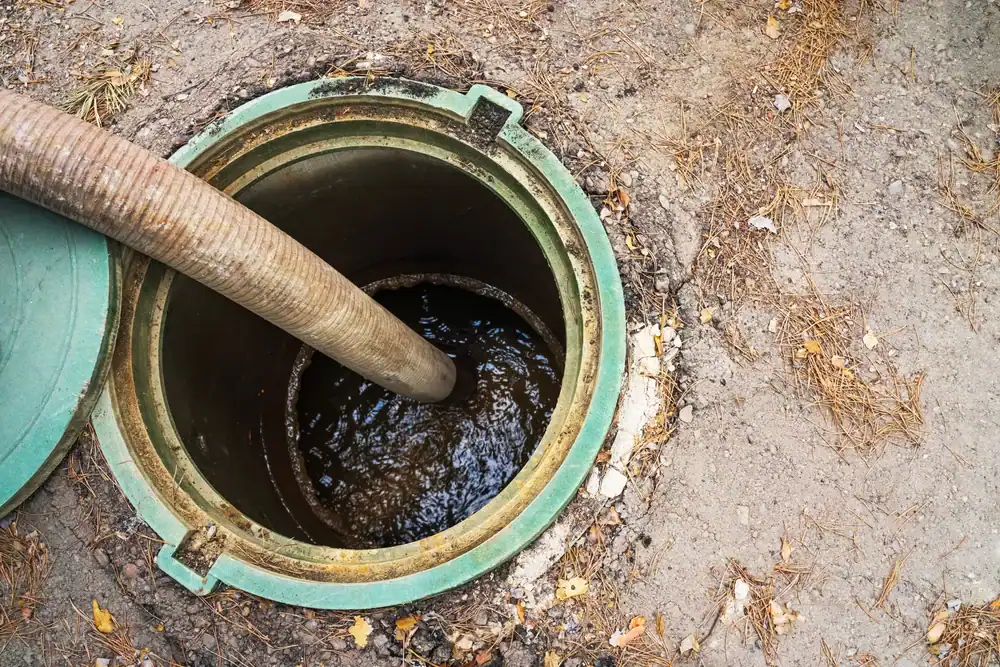
A line change replaces the pipe that carries waste from your home to your cesspool. The cesspool itself—the underground tank where waste collects—stays in place. If your cesspool is still structurally sound and doing its job, you don’t need to replace it. You just need a new line to get waste there.
A full cesspool replacement means digging out the old tank and installing a new one, usually because the tank has collapsed, cracked, or failed inspection. That’s a much bigger job that involves more excavation, new tank installation, and often permitting through Suffolk County.
Most backups and drainage problems come from the line, not the cesspool. If waste isn’t reaching the tank because the pipe is broken, bellied, or pitched wrong, replacing the line solves it. A video inspection shows whether the problem is in the pipe or the tank, so you’re not guessing about what needs to be done.
Cost depends on the length of the line, the depth we’re digging, and what obstacles we encounter. A straightforward 50-foot line replacement with easy access typically runs less than a complex 100-foot run that involves navigating around landscaping, utilities, or difficult terrain.
Emergency line changes cost more than scheduled work. If you’re calling because sewage is backing up into your home and you need someone there immediately, expect premium rates—often three to four times what you’d pay if you scheduled the work during normal hours. That’s why catching problems early during routine maintenance saves money.
We give free estimates after we inspect the line. Once we see the video footage and understand your property layout, we’ll tell you exactly what the job involves and what it costs. No surprises, no hidden fees. If there’s a way to save you money—like repairing a section instead of replacing the whole line—we’ll tell you that too.
Other Services we provide in Lake Ronkonkoma