
Hear from Our Customers
You’re looking at a home built in the 1950s or 60s. Clay pipes that have been underground for 60+ years. Tree roots that have had decades to work their way into joints and cracks.
The question isn’t whether something’s wrong down there. It’s whether you’ll find out on your terms or when sewage backs up into your basement.
A camera inspection shows you what’s actually happening inside your pipes. Cracks forming. Roots growing. Sections starting to collapse. The kind of stuff that turns into a $15,000 emergency if you wait, but costs a fraction of that if you address it now.
You get real-time footage of the entire line. We locate exactly where problems are—depth, distance from the house, severity. No digging to “see what’s going on.” No guessing about whether you need repairs. Just clear answers about what you’re dealing with and what it’ll take to fix it.
We work exclusively in Nassau County, where soil conditions create specific challenges you won’t find in Suffolk County. Clay doesn’t drain like sand. It holds water, stays saturated, and puts constant pressure on aging cesspool systems.
Most homes in Massapequa Park sit on clay soil with cesspool systems installed before 1980. That combination means your pipes are dealing with conditions they weren’t designed to handle long-term. We’ve seen what happens when homeowners treat this like any other maintenance issue—it doesn’t end well.
Our camera inspections account for local soil behavior, common pipe materials from your home’s era, and the tree species that cause the most damage in this area. We’re not running a generic diagnostic. We’re looking at your system through the lens of what actually fails in Massapequa Park.
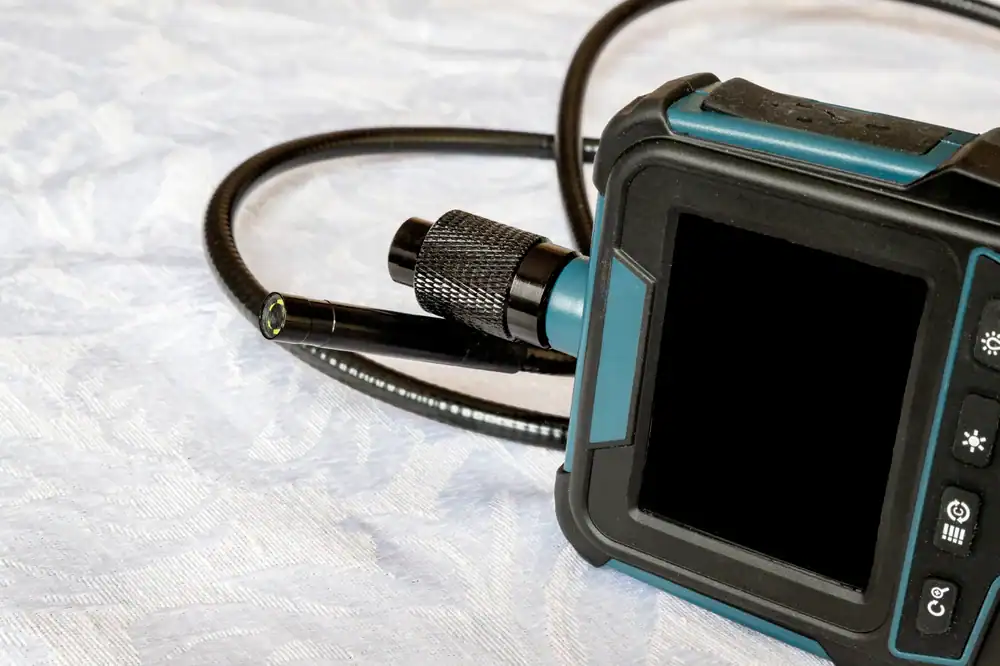
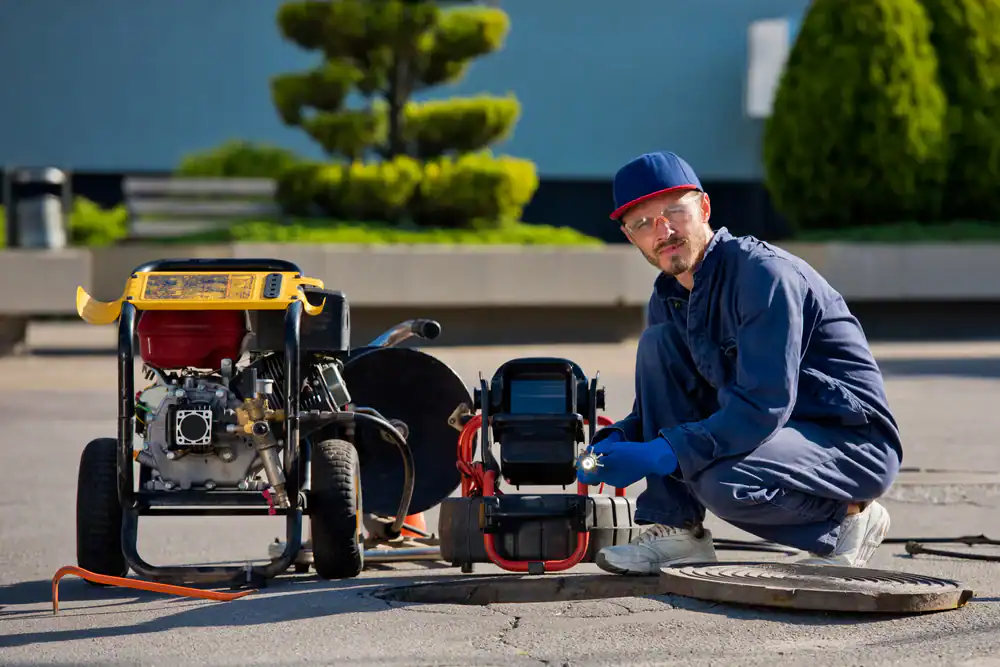
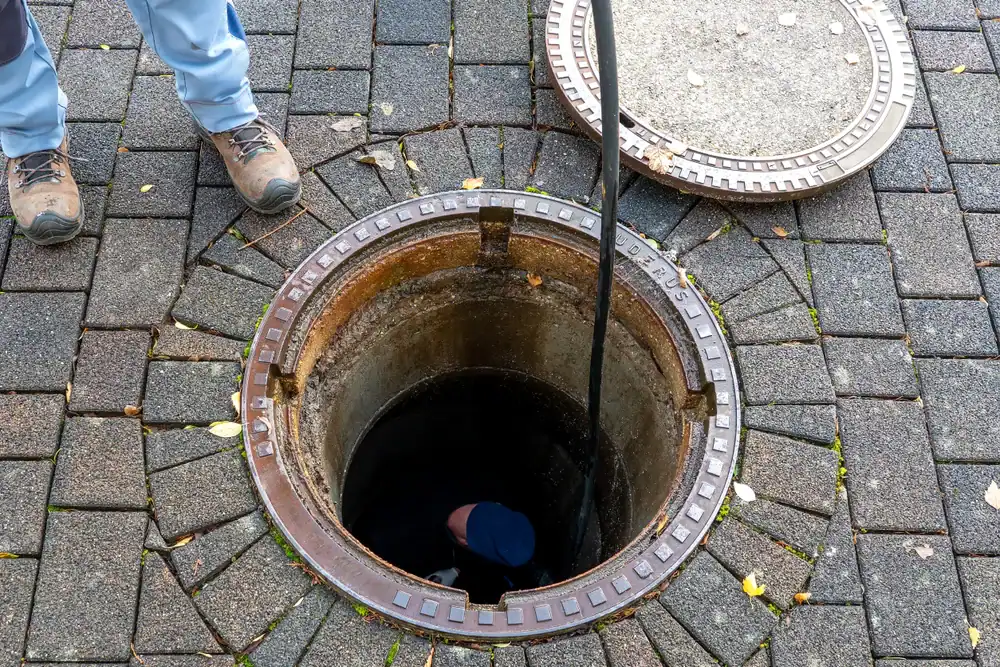
We start with access points—usually your cleanout or an existing opening in the system. The camera head is waterproof, impact-resistant, and equipped with LED lighting that shows pipe interiors clearly even in complete darkness.
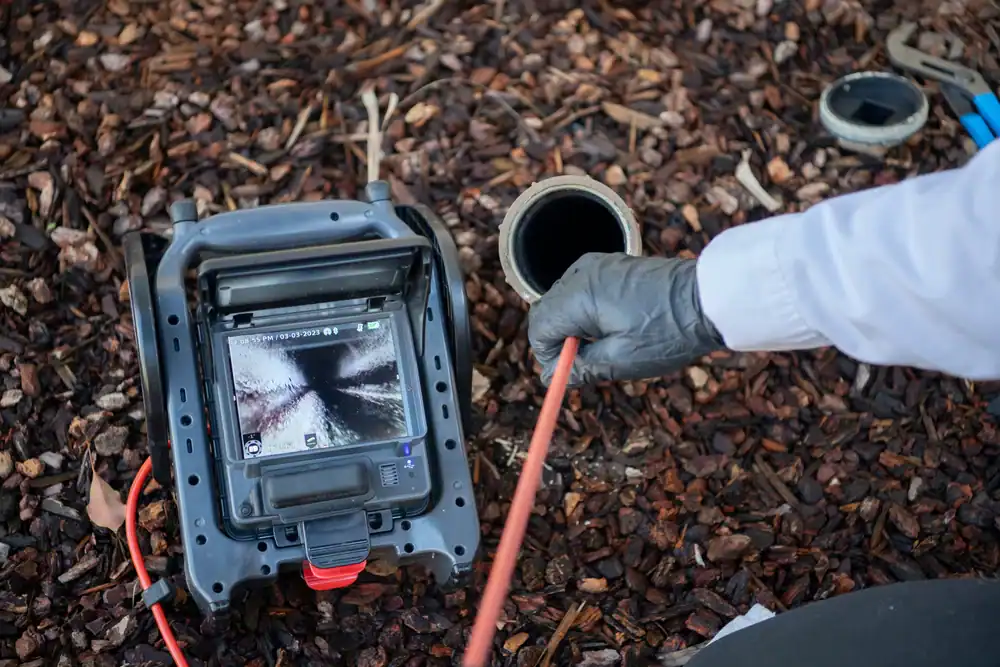
As we feed the camera through your line, you’re watching the same footage we are. We’re looking for cracks, root intrusion, bellied sections where pipes have settled, buildup that’s restricting flow, and any structural issues that could lead to failure. The camera includes locating technology that tells us exactly where we are underground—depth, distance, position relative to your property.
When we find something, we mark it. You get digital footage, timestamps, location data, and a written report within 24 hours. If repairs are needed, you’ll know exactly what’s wrong, where it is, and what it costs to fix. If your system’s in good shape, you’ve got documentation proving it—useful for your records, future buyers, or insurance purposes.
The whole process typically takes 1-2 hours depending on your system’s size and complexity. No excavation. No damage to landscaping. No disruption beyond the inspection itself.
Ready to get started?
You’re not just getting someone to run a camera through your pipes and tell you “looks fine” or “you need repairs.” You’re getting a complete pipe condition assessment with documentation you can actually use.
The inspection covers your entire sewer line from the house to the cesspool or street connection. We identify root intrusion points—the most expensive maintenance issue on Long Island, where replacement costs run $1,000-$5,000 depending on severity. We document cracks, joint separation, and sections where clay pipes are deteriorating from age and soil pressure.
In Massapequa Park, we’re specifically watching for issues common to homes built before 1980. Clay pipe that’s reached the end of its 50-60 year lifespan. Connections that weren’t sealed properly during installation. Settling that’s created low spots where waste collects instead of flowing. These aren’t theoretical problems—they’re what we find in this area regularly.
You receive HD video footage, a written report with our findings, and specific recommendations. If you’re buying a home, this gives you negotiating power or peace of mind. If you’re maintaining your property, it tells you whether to budget for repairs now or later. If you’re selling, it’s proof your system’s in working order.
Camera inspections in Massapequa Park typically run $270-$1,730 depending on your system’s size and accessibility. That feels like a lot until you compare it to what you’re avoiding.
Emergency sewer repairs start around $5,000 and go up from there. If roots have completely blocked your line and caused basement flooding, you’re looking at $15,000+ once you factor in pipe replacement, water damage, and restoration. If your cesspool fails and needs replacement, that’s $10,000-$20,000.
The inspection catches these problems early—when a root intrusion is still manageable, when a crack hasn’t turned into a collapse, when a partial blockage hasn’t caused a backup. You’re turning potential emergencies into planned repairs that cost a fraction as much. And if the inspection shows everything’s fine, you’ve bought yourself years of peace of mind for less than $2,000.
Tree root intrusion is the big one. Your property has mature trees that have been growing for decades, and their roots naturally seek out water sources—which means your sewer pipes. Roots enter through joints and cracks, then expand inside the pipe until they create blockages. We see this constantly in homes built before 1980.
Clay pipe deterioration is the second major issue. Nassau County clay soil behaves differently than Suffolk County sand—it holds moisture and creates pressure that accelerates pipe aging. If your pipes were installed in the 1950s or 60s, they’re past their expected lifespan and often showing cracks, joint separation, or sections that are starting to collapse.
We also find bellied pipes where settling has created low spots that collect waste instead of draining properly. Offset joints where sections have shifted. Buildup from decades of use that’s restricting flow. And occasionally, we find pipes that were installed incorrectly from the start—wrong slope, poor connections, materials that weren’t appropriate for local soil conditions.
Yes. The camera equipment includes locating technology that transmits a signal we can track from above ground. When we identify a problem in the pipe, we mark that exact spot on your property—depth, distance from the house, and precise location.
This matters because it eliminates exploratory digging. If you need repairs, the crew knows exactly where to excavate instead of opening up large sections of your yard hoping to find the problem. That saves you money on labor, reduces disruption to your landscaping, and speeds up the repair timeline significantly.
For root intrusions, we can tell you which tree is causing the problem and how far the roots have penetrated. For cracks or breaks, we can measure the damage and determine whether you need a spot repair or a full section replacement. For blockages, we can see whether it’s roots, buildup, or a structural issue—and recommend the right solution instead of guessing.
If your home was built before 1980, every 3-5 years makes sense as preventive maintenance. Your pipes are aging, and conditions change underground—roots grow, clay deteriorates, joints shift. Regular inspections catch problems while they’re still minor.
If you’re buying a home in Massapequa Park, get an inspection before you close. Standard home inspections don’t include sewer lines, and you don’t want to discover a $10,000 cesspool problem three months after moving in. The inspection gives you either negotiating leverage or confidence that the system’s sound.
If you’ve had repeated backups, slow drains, or wet spots in your yard, get inspected immediately. These are signs something’s wrong underground, and waiting typically makes it worse. If you’ve had recent heavy rains and your system’s acting up, that’s clay soil staying saturated and putting pressure on your pipes—worth checking before minor issues become major failures.
After any repair work, an inspection confirms the job was done correctly and shows you the current condition of the rest of your system.
You get a clear explanation of what’s wrong, how serious it is, and what your options are. Not every problem requires immediate action—some things you can monitor and address later. But if we find active root intrusion, significant cracks, or sections at risk of collapse, we’ll tell you straight.
We provide a written estimate for repairs based on exactly what the camera showed. You’re not getting a ballpark guess—you’re getting a quote based on documented evidence of the problem’s location, severity, and scope. That means no surprises when the work’s done, and no paying for repairs you didn’t actually need.
If it’s genuinely urgent—like a line that’s about to fail completely—we’ll explain why waiting is risky and what could happen if you delay. If it’s something you can plan for and budget over the next few months, we’ll tell you that too. The goal is giving you enough information to make a smart decision about your property, not pressuring you into unnecessary work.
Yes, but timing matters for what we find. The camera itself works year-round—it’s designed for underground conditions regardless of weather. But soil behavior changes with seasons, especially in Nassau County clay.
After heavy rain, clay soil stays saturated longer than sand. If your system has drainage issues or developing cracks, that’s when they’ll show up most clearly. Inspecting after a storm can reveal problems that aren’t obvious during dry periods. Winter freeze-thaw cycles can worsen existing cracks, making late winter or early spring a good time to check for damage.
The best time for an inspection is before you have an emergency. If you’re scheduling preventive maintenance, any season works—we’re documenting current conditions and establishing a baseline for future comparisons. If you’re buying a home, inspect before closing regardless of season. If you’re experiencing symptoms like slow drains or backups, inspect immediately rather than waiting for ideal weather.
The camera shows us what’s happening inside your pipes right now. Whether that’s roots actively growing, cracks letting soil infiltrate, or buildup restricting flow, we document it and give you the information you need to address it on your timeline instead of during a crisis.
Other Services we provide in Massapequa Park