
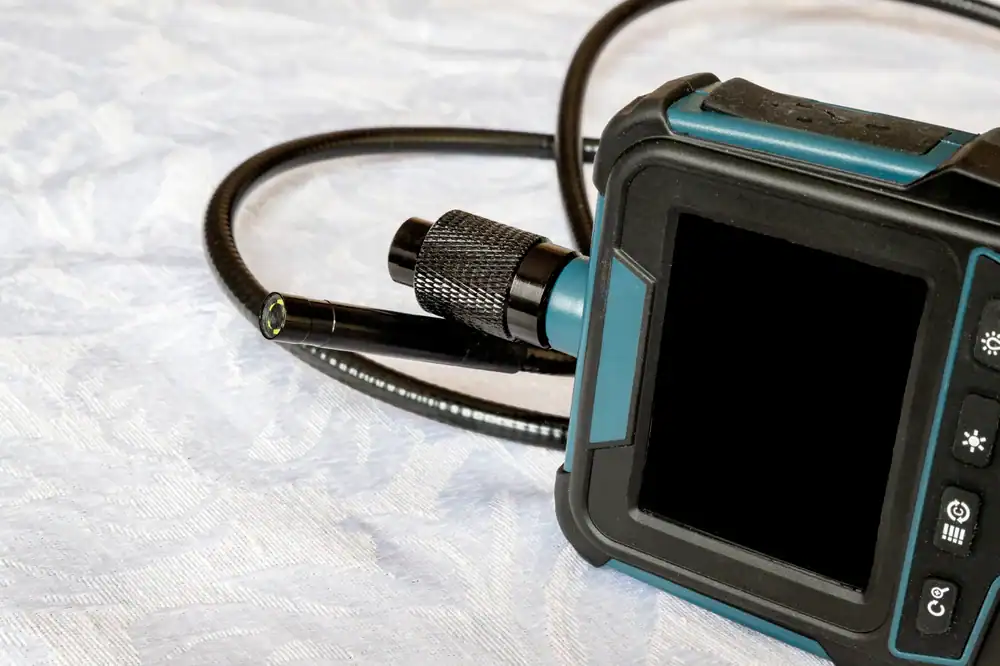
Hear from Our Customers
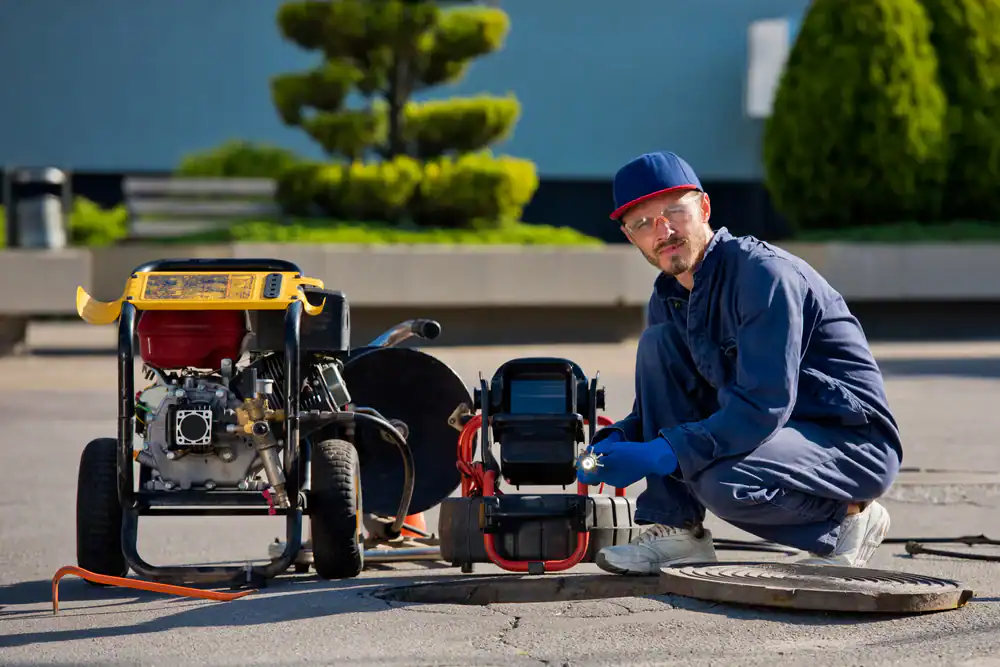
Here’s what most people don’t realize until it’s too late: by the time your drains are backing up or your yard smells like sewage, the damage is already done. You’re looking at emergency rates, torn-up landscaping, and a repair bill that could’ve been a fraction of the cost if someone had just looked inside your pipes six months earlier.
A camera inspection changes that timeline. We send a waterproof camera through your sewer line and show you—in real time—what’s building up, what’s cracked, and what’s about to fail. You see tree roots wrapping around pipes. You see sections that are sagging or separating. You see the clog before it becomes a catastrophe.
That’s the difference between planning a repair on your schedule and scrambling to find someone who can dig up your driveway on a Saturday. One costs you sleep and money. The other just costs a few hundred dollars and an hour of your time.
We’ve been serving Old Field and the rest of Suffolk County for years, back when most people didn’t even know camera inspections were an option. We’ve seen what happens when systems fail—and we’ve helped hundreds of homeowners avoid it.
We’re licensed, insured, and we actually answer the phone when you call. No runaround, no upselling you on things you don’t need. Just honest assessments from people who’ve been underground more times than we can count.
Old Field sits in an area where nearly a quarter of properties rely on cesspools or septic systems instead of municipal sewer. That means your system isn’t just important—it’s everything. And we treat it that way.
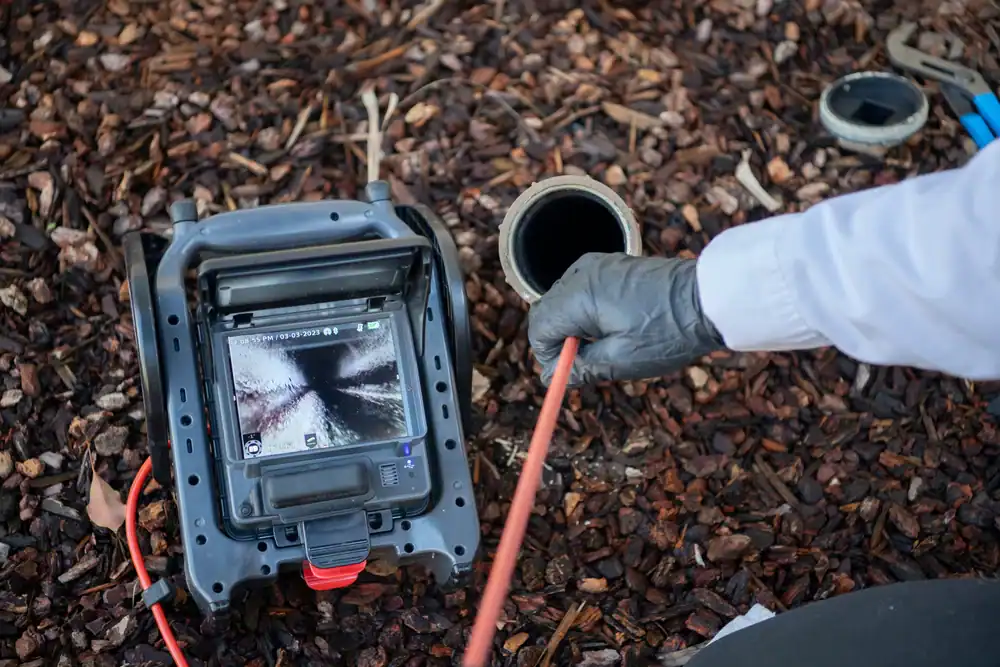
We start by locating your cleanout access point—that’s the entry to your sewer line. From there, we feed a flexible camera attached to a cable down into the pipe. The camera is built to navigate turns, handle pipes as small as two inches, and travel up to 300 feet if needed.
As the camera moves through your line, you’re watching the footage with us on a monitor in real time. We’re looking for cracks, blockages, root intrusion, corrosion, and anything else that shouldn’t be there. If we find something, we mark the GPS coordinates so we know exactly where to dig—or if we even need to dig at all.
The whole process usually takes about an hour, depending on the length of your line and what we find. You get a copy of the footage and a written report that breaks down what we saw, what it means, and what your options are. No pressure, no scare tactics—just the information you need to make a smart decision.
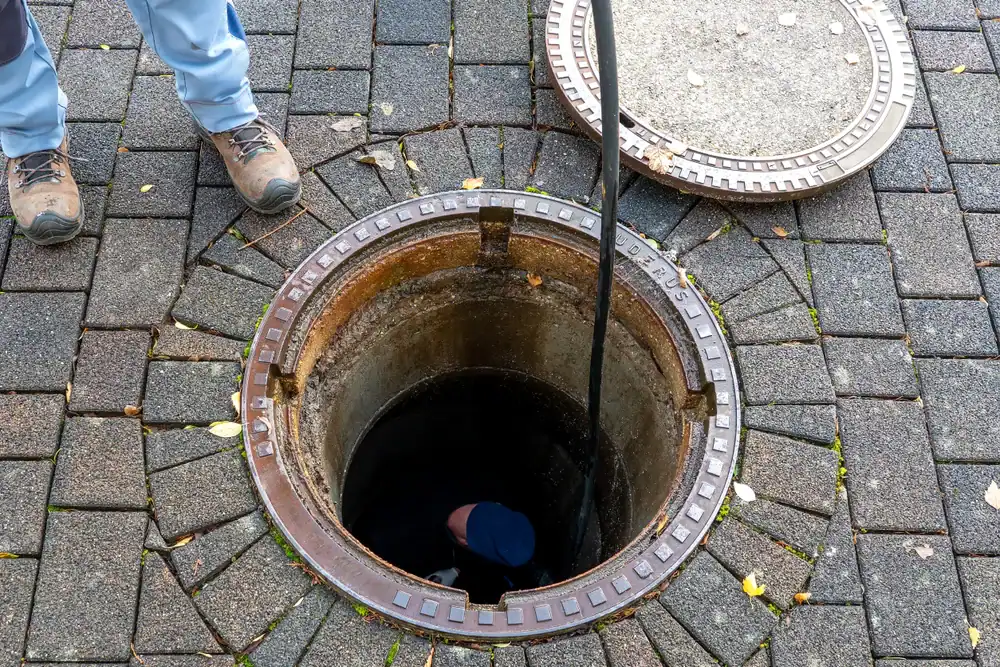
Ready to get started?
When you schedule a camera inspection with us, you’re getting more than just a video. You’re getting a full pipe condition assessment that includes real-time clog detection, documentation of any structural damage, and precise location data for problem areas.
We inspect everything from your indoor plumbing connections to where your line meets the municipal system or your cesspool. That means we’re checking for issues that could be causing slow drains inside your house, and we’re also looking at what’s happening underground where you can’t see it.
This matters more in Old Field than in other parts of Long Island. Suffolk County has stricter regulations now, especially after the 2019 cesspool installation ban. If your system fails, you can’t just replace it with another cesspool—you’re upgrading to an advanced treatment system, which costs significantly more. A camera inspection gives you the chance to catch problems before they force your hand.
You also get digital footage and reporting that you can share with insurance companies, real estate agents, or contractors. That documentation protects you if you’re buying or selling a home, and it gives you proof of proper maintenance if you ever need it.
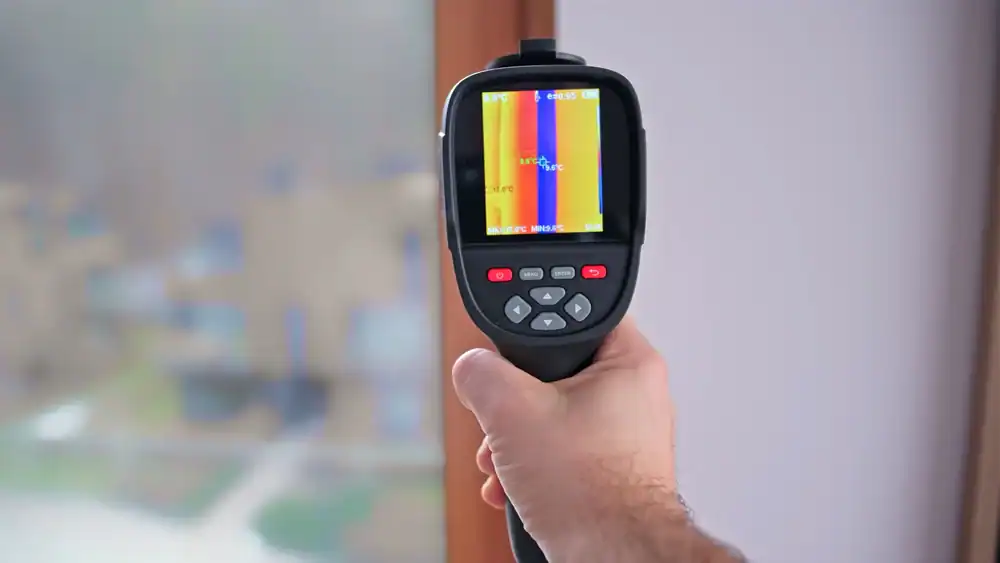
A camera inspection typically runs a few hundred dollars and takes about an hour. Compare that to exploratory digging, which can cost thousands just to find the problem—before you’ve even fixed anything.
Here’s the math: if a contractor has to dig up your driveway or landscaping to locate a broken pipe, you’re paying for labor, equipment, and restoration. That’s often $3,000 to $5,000 just to get eyes on the issue. Then you still have to pay for the actual repair.
With a camera, we locate the problem in one visit. If it turns out you need a repair, we already know exactly where to dig, which means less disruption, lower labor costs, and faster turnaround. Most people who skip the camera end up wishing they hadn’t.
We find tree roots growing into pipes, which is one of the most common issues in Old Field. Roots seek out moisture, and even a small crack in your sewer line is an invitation. Once they’re in, they expand and create blockages that get worse over time.
We also catch structural damage—cracks, separations, and collapses that happen as pipes age or shift with the soil. A lot of cesspools in Suffolk County were installed before 1970, and many are past their expected lifespan. A camera shows us whether your system is still solid or if it’s on borrowed time.
Other common finds: grease buildup, foreign objects that got flushed and stuck, sagging sections where waste pools instead of flowing, and corrosion in older metal pipes. All of these are fixable if you catch them early. Most aren’t if you wait until your yard is flooded.
If you’re buying a home in Old Field, yes—absolutely. Sewer line problems are the most expensive surprise new homeowners face, and they’re not always visible during a standard home inspection. Replacement costs can hit $10,000 to $30,000, and most sellers aren’t going to volunteer that information.
If you’ve lived in your home for a while and everything seems fine, a camera inspection is still smart preventive maintenance—especially if you have older pipes or large trees near your sewer line. Problems don’t announce themselves until they’re serious.
Think of it like this: you wouldn’t buy a used car without checking under the hood. Your sewer line is a bigger investment and harder to replace. A camera inspection is the only way to know what you’re actually dealing with before it becomes your problem.
Most inspections take about an hour from start to finish, though it depends on the length of your sewer line and what we find along the way. If your line runs 300 feet to the street, it’ll take longer than a 50-foot line from your house to a cesspool in the backyard.
We’re not rushing through it. The whole point is to move slowly enough to catch problems that might not be obvious at first glance—a hairline crack, early root intrusion, or a section that’s starting to sag.
You’re welcome to watch the footage with us as we go, and most people do. It’s helpful to see what we’re seeing in real time, and it makes the report we give you afterward a lot easier to understand. By the time we’re done, you’ll know exactly what’s happening inside your pipes and what—if anything—needs attention.
In a lot of cases, yes. If we catch a problem early—like a small crack or a partial blockage—you can address it with a targeted repair instead of replacing the entire line. That’s the difference between a $2,500 fix and a $15,000 overhaul.
This is especially important in Suffolk County, where regulations have changed. If your cesspool fails completely, you can’t replace it with another cesspool. You’re required to upgrade to an advanced treatment system, which costs significantly more than a standard repair.
A camera inspection buys you time. It shows you what’s wearing out so you can plan ahead, budget for it, and handle it before it becomes an emergency. That’s not just about saving money—it’s about staying in control of your property instead of being forced into a decision you’re not ready for.
We walk you through it. You’ll see exactly what we’re looking at on the monitor, and we’ll explain what it means in plain terms—not scare tactics, not technical jargon. Just honest information about what’s wrong, how urgent it is, and what your options are.
If it’s something that needs immediate attention, we’ll tell you. If it’s something you can monitor and address later, we’ll tell you that too. The goal isn’t to pressure you into a same-day repair—it’s to give you the facts so you can make the right call for your situation.
We’ll also provide GPS coordinates for the problem area, so if you do need a repair, we’re not guessing where to dig. That saves time, reduces costs, and minimizes damage to your landscaping. And if you want a second opinion or need time to think it over, you’ll have the footage and the report to share with anyone you want.
Other Services we provide in Old Field