
Hear from Our Customers
Your toilet flushes without hesitation. Your drains clear in seconds, not minutes. You stop worrying about backups during dinner parties or holiday gatherings.
That’s what happens when your sewer line to cesspool connection is installed with the right pitch and slope—not just “close enough.” A proper line change means wastewater flows exactly how it should, every single time. No pooling. No slow drainage. No sewage creeping back into your home because someone cut corners on the excavation.
Most Old Field homeowners don’t think about their cesspool lines until something goes wrong. But when backups and pipe failure happen, the damage adds up fast. Raw sewage in your basement. Contaminated soil around your foundation. Emergency calls that cost double or triple what scheduled maintenance would have run you.
Line changes done right prevent all of that. You get a system that works the way it’s supposed to, installed by people who understand Long Island soil conditions and Suffolk County requirements. Your property stays clean. Your family stays safe. And you’re not dealing with the same problem again in two years.
We’ve been handling cesspool and septic work on Long Island for four generations. We’re not new to Old Field’s soil conditions, water table issues, or the way systems age in this area.
When you call us for line changes, you’re getting crews who’ve done this exact work hundreds of times in your neighborhood. We know which pipes hold up in Long Island clay. We know how deep to dig without hitting groundwater. And we know what Suffolk County inspectors look for when they review the work.
You’re not explaining your problem to someone reading from a script. You’re talking to people who’ve seen your exact situation before and know how to fix it without drama or delays.
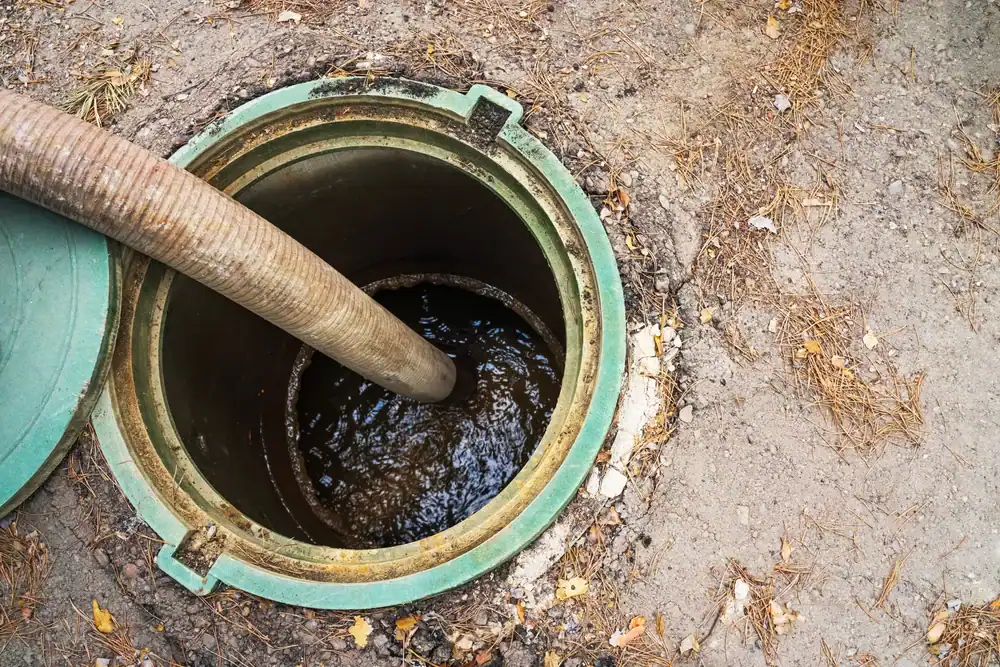
First, we locate your cesspool and map out the existing line. We use electronic locating equipment, so we’re not guessing where to dig or tearing up your yard in six different spots. Once we know exactly where everything sits, we can plan the new route and calculate the proper pitch.
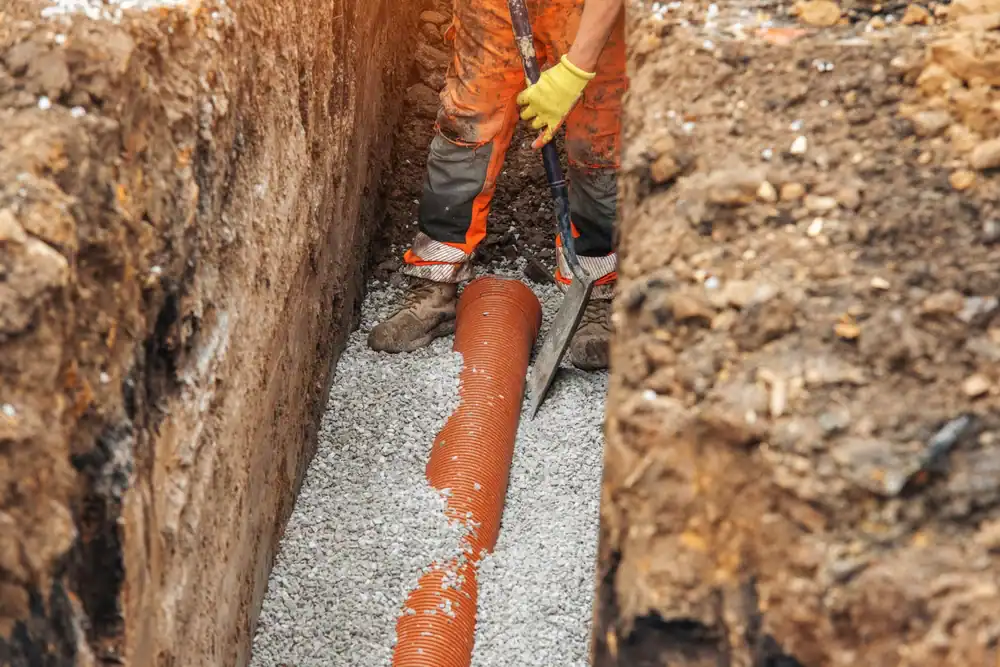
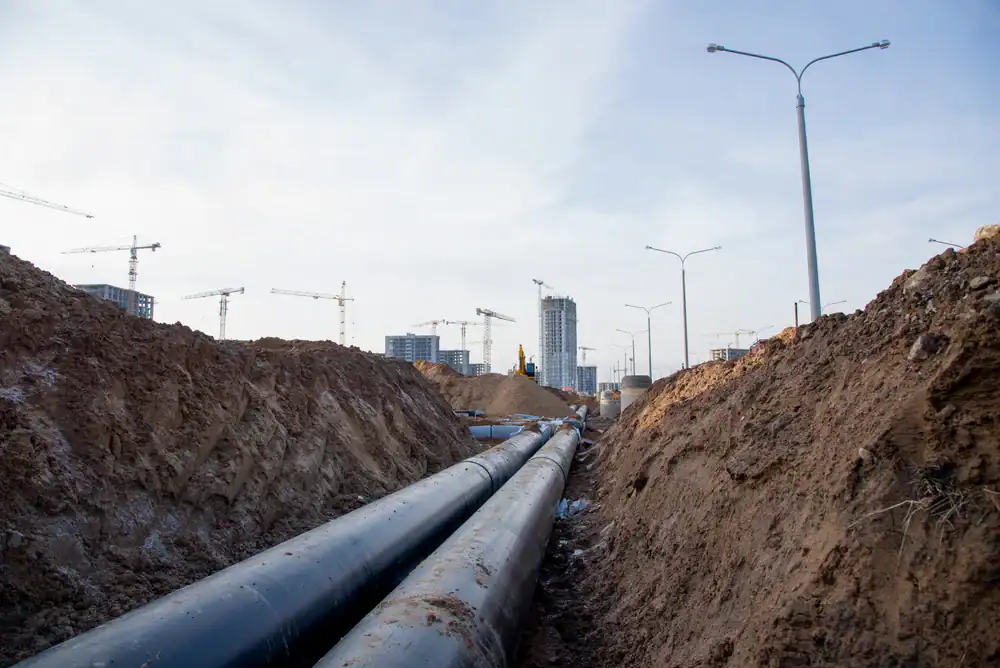
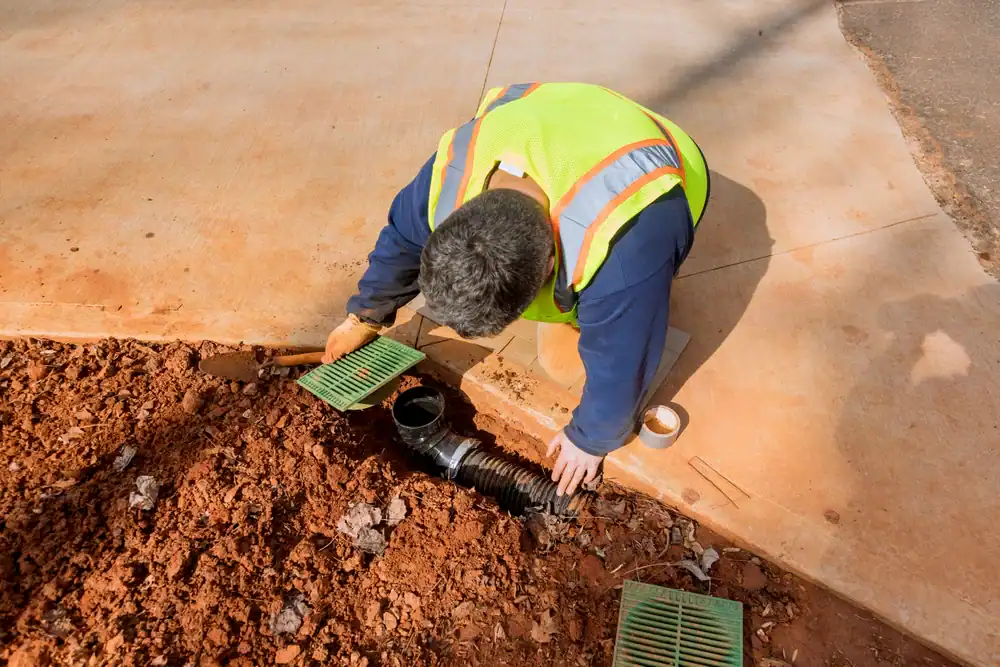
Next comes trenching and excavation. We dig down to expose the failed section, whether that’s a few feet or the entire run from your house to the cesspool. You’ll see exactly what caused the problem—root intrusion, settled pipes, cracked connections, whatever it is. We remove the old line and prep the trench for the new installation.
Then we install the new pipe with the correct slope. That’s typically a quarter-inch drop per foot of run, which keeps wastewater moving without pooling or backing up. We connect everything to your cesspool, test the flow, and make sure there are no leaks or weak points.
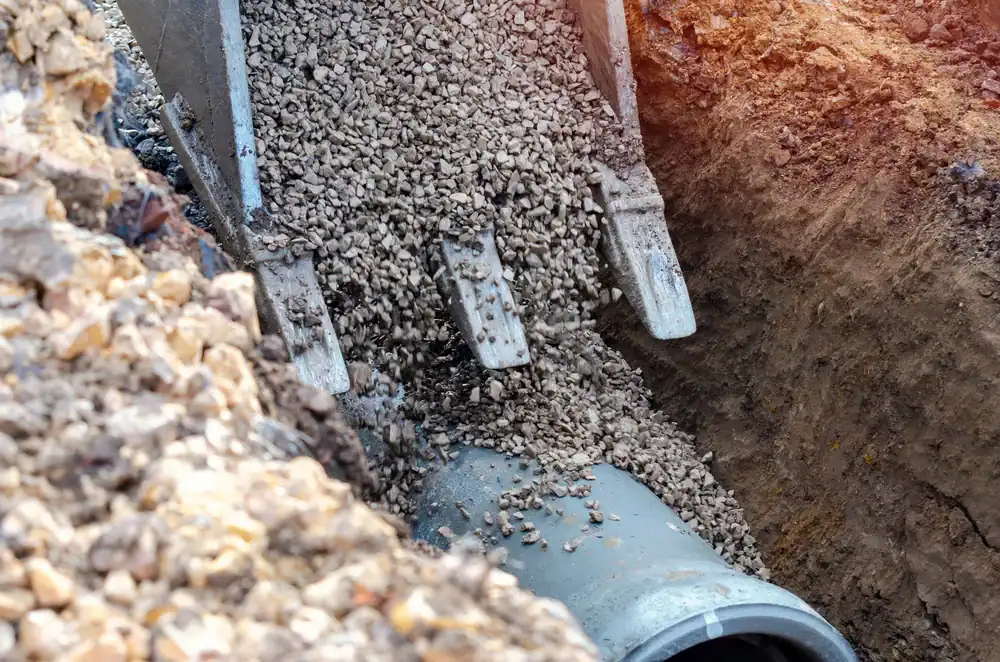
Finally, we backfill the trench, compact the soil, and restore your property as close to original condition as possible. You’re left with a main waste line that works the way it should—and documentation for your records if you ever need it for inspections or resale.
Ready to get started?
You get a full assessment before we start digging. That means video camera inspection of your existing line if needed, electronic location of your cesspool, and a clear explanation of what’s failing and why. No surprises once we’re halfway through the job.
The actual line change includes excavation, removal of the old pipe, installation of new pipe at the proper pitch and slope, and connection to your cesspool. We handle any necessary permits and make sure the work meets Suffolk County standards. If your system needs upgrades to comply with current regulations, we’ll tell you upfront—not after we’ve already dug the trench.
Old Field properties often deal with high water tables and dense clay soil, which affects how we approach trenching and backfill. We account for that during installation so your new line doesn’t settle or shift after the first heavy rain. You’re not calling us back in six months because the pitch is off and wastewater is pooling.
After the work is done, you get documentation of what was installed, where it was installed, and what specs we followed. That matters if you ever sell the property or need future service. The next person who works on your system won’t be starting from scratch trying to figure out what’s underground.
If your drains are slow across the whole house, your toilets gurgle when you run water, or you’re getting sewage backups even after a recent pump-out, you’re likely dealing with a line problem. A full cesspool causes backups too, but pumping it out fixes that immediately. Line issues don’t go away after pumping.
You might also notice wet spots in your yard between the house and cesspool, or sewage odors that don’t match up with how full your tank should be. Those point to cracks or breaks in the pipe that are leaking wastewater into the surrounding soil.
The only way to know for sure is to have someone inspect the line. We can run a camera through the pipe and show you exactly what’s happening—whether it’s root intrusion, a collapsed section, improper pitch, or just a clog that can be cleared. You’re not guessing or paying for work you don’t need.
Age is the biggest factor. Older pipes crack, separate at the joints, or get crushed by soil settling over time. If your system is 20+ years old and you’ve never had the lines inspected, there’s a good chance something’s deteriorating even if you haven’t had a major backup yet.
Tree roots are the other common culprit. Roots seek out moisture, and even a tiny crack in your sewer line is enough to let them in. Once they’re inside, they grow fast and create blockages that get worse every year. Willow trees, maples, and poplars are especially aggressive.
Improper installation causes problems too. If the original line was installed without enough slope, wastewater doesn’t flow properly and solids build up over time. That creates slow drains and eventually full blockages. We see this a lot in older Old Field homes where the work was done before current standards were in place.
Most residential line changes in Old Field take one to two days depending on the length of the run and what we find once we start digging. If we’re replacing 30 feet of pipe with straightforward access, that’s typically a one-day job. Longer runs, difficult access, or unexpected complications can push it into a second day.
The actual installation doesn’t take that long. Most of the time goes into excavation, making sure the trench is properly sloped, and backfilling everything correctly so the ground doesn’t settle later. We’re not rushing through it just to get to the next job.
You’ll have limited water use during the work—basically, don’t run washing machines or dishwashers, and keep showers short. Toilets can still be used, but we’ll give you specific guidance based on where we are in the process. Once the new line is connected and tested, you’re back to normal use immediately.
We only dig where we need to. If the problem is isolated to one section of pipe, we excavate that section and leave the rest alone. If the entire line from house to cesspool needs replacement, then yes, we’re digging a trench along that whole route.
Electronic locating equipment helps us minimize unnecessary digging. We know exactly where your cesspool sits and where the line runs before we bring in the excavator. That means we’re not exploring your yard trying to find things.
After we backfill and compact the trench, you’ll have a strip of disturbed soil where we worked. Grass won’t grow back immediately, but the area can be reseeded or sodded once the soil settles. Most Old Field homeowners don’t have trouble getting their lawns back to normal within a season. We’re not leaving you with a torn-up property and a “good luck” on the way out.
Yes, most line changes in Old Field require permits through Suffolk County. The specific requirements depend on the scope of work and whether you’re just replacing existing lines or making changes to the system layout.
We handle the permit process as part of the job. You’re not figuring out which forms to fill out or dealing with county offices yourself. We pull the permits, schedule inspections, and make sure everything is documented correctly.
Suffolk County has gotten stricter about cesspool work since 2019, especially around nitrogen-reducing requirements for full system replacements. Line changes don’t always trigger those requirements, but if your cesspool itself needs replacement at the same time, you’ll be looking at upgraded system standards. We’ll walk you through what applies to your specific situation before any work starts, so you know exactly what you’re dealing with.
Most line changes in Old Field run between $2,000 and $6,000 depending on the length of pipe being replaced, how deep we need to dig, and what kind of access we have to the work area. A short run with easy access costs less than a long run that requires digging through landscaping or around obstacles.
The price includes excavation, new pipe, proper pitch and slope installation, connection to your cesspool, backfill, and permits. You’re not getting hit with surprise charges for things that should have been included from the start.
Emergency line changes cost more than scheduled work. If you’re calling us at 2 AM on a Sunday because sewage is backing up into your house, you’re paying premium rates for immediate response. The same job done during normal business hours, planned in advance, costs significantly less. That’s why it makes sense to address slow drains and minor issues before they turn into full system failures.
Other Services we provide in Old Field