
Hear from Our Customers
Slow drains. Bad smells. Soggy patches in the lawn. You know something’s off, but where exactly?
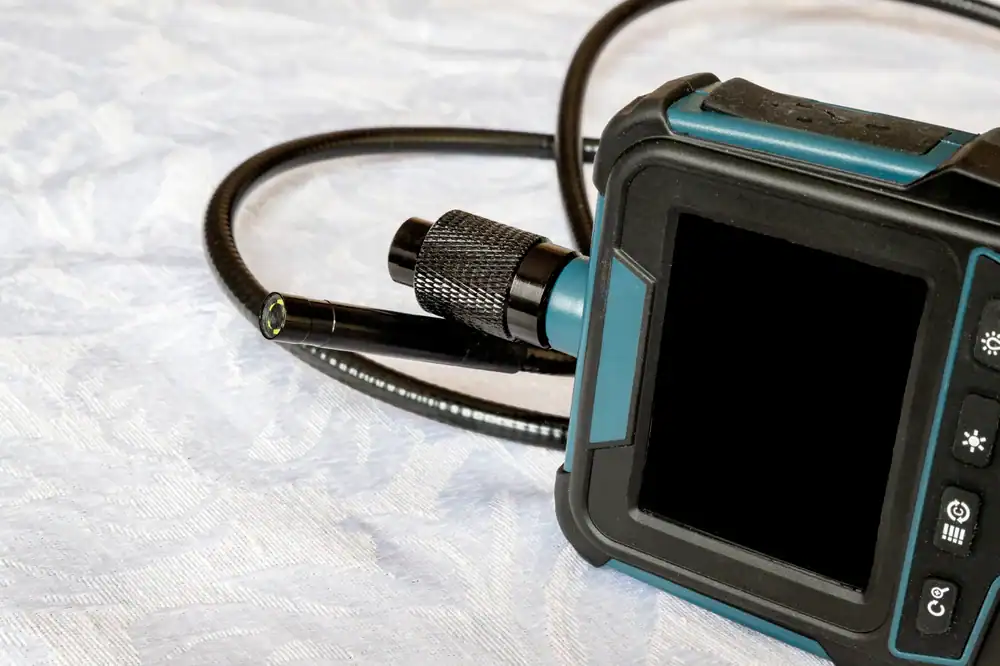
That’s where camera inspections change everything. A small waterproof camera goes into your pipes and sends back live video. You see what’s happening in real time—tree roots pushing through joints, grease buildup narrowing the line, a crack letting groundwater seep in. No guesswork involved.
The camera has a transmitter that tracks its location down to the foot. When it finds the problem, we know exactly where to focus. That means targeted repairs instead of exploratory digging across your property. For older cesspool systems common in Remsenburg, this approach saves time, money, and your landscaping.
Most inspections run between $200 and $400 depending on your system’s size. Compare that to emergency repairs that start around $3,000 when a small issue becomes a big one. The camera catches problems early, while they’re still manageable.
We’ve worked with Remsenburg property owners long enough to know what typically goes wrong and why. Older cesspools, mature trees with aggressive root systems, shifting soil—we’ve seen it all.
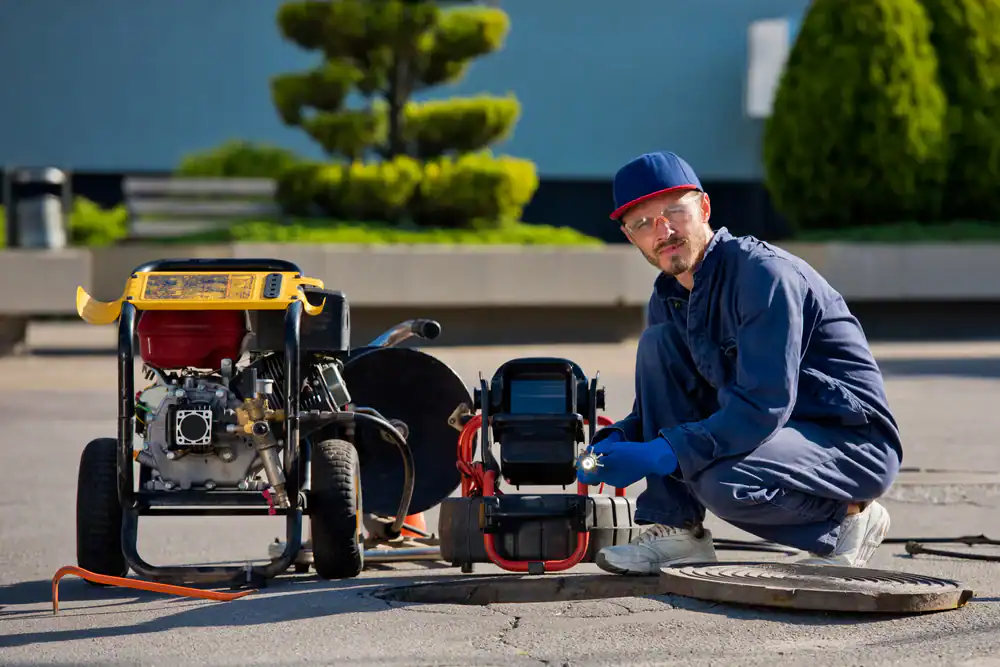
Our technicians are licensed, insured, and trained on the latest camera equipment. The cameras we use have LED lighting that illuminates everything inside the pipe, plus thermal imaging capability when needed. You’re not getting a blurry guess—you’re getting clear digital footage you can review yourself.
We keep the process straightforward. Show up on time, run the inspection, explain what we found, and give you options. No pressure, no upselling services you don’t need. Just honest assessment of what’s actually happening underground.
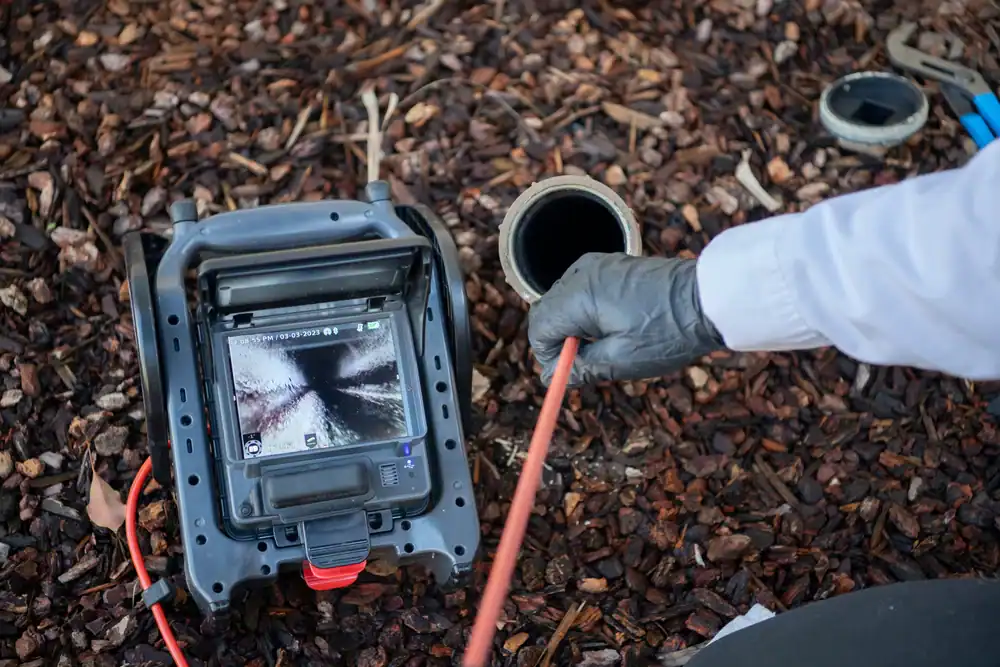
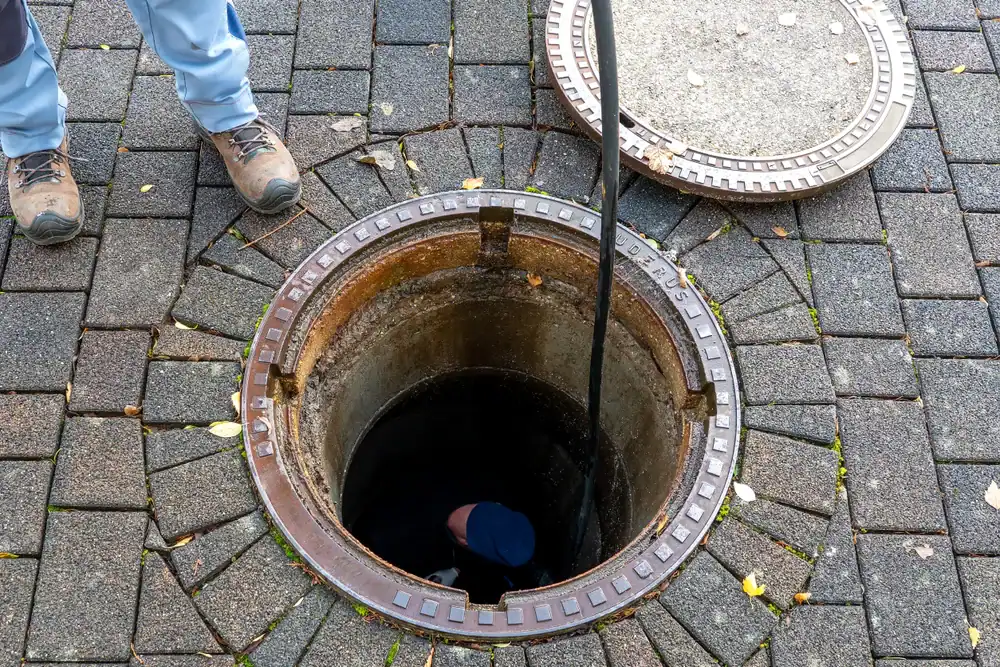
First, we locate your access point—usually a cleanout or an existing opening in your system. The camera head is small enough to fit through standard pipes, and it’s attached to a flexible cable that can reach several hundred feet if needed.
As the camera moves through your lines, it sends live video to a monitor above ground. You can watch along if you want. The LED lights on the camera head illuminate the pipe walls, showing buildup, damage, root intrusion, or whatever else is there. The footage gets recorded for your records.
When we spot an issue, the transmitter pinpoints its exact location. We mark it, measure the depth, and note what we’re seeing. That documentation matters—it gives you proof for insurance claims, helps with real estate transactions, or simply confirms that repairs were done right.
The whole process typically takes an hour or two depending on how much line we’re inspecting. No digging required unless we find something that actually needs repair. And even then, we know exactly where to dig instead of guessing.
Ready to get started?
You receive digital footage and reporting that documents your system’s condition. The video shows the interior condition of your pipes, any damage or blockages, and their precise locations. We provide a written summary that breaks down what we found in plain language.
For Remsenburg properties, this matters more than you might think. Many homes here have cesspool systems installed decades ago. Suffolk County’s soil conditions and the area’s mature landscaping create ongoing challenges—tree roots seeking water sources, ground shifting, pipes aging past their expected lifespan.
The inspection often reveals issues beyond what you originally called about. Research shows that roughly four out of five camera inspections find additional problems. That’s not us looking for extra work—it’s just what happens when you actually look inside a system that’s been underground for 30 or 40 years.
If you’re buying or selling property, we can provide the cesspool certification your lender requires, including video documentation if the bank requests it. The footage proves system condition without anyone having to take our word for it.
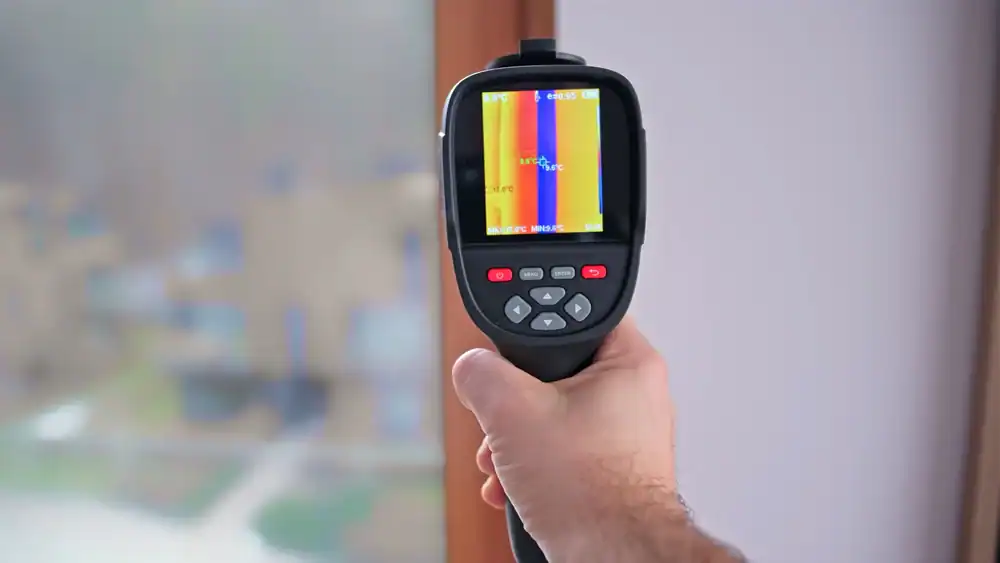
Most camera inspections in Remsenburg run between $200 and $400. The final cost depends on how much line you need inspected and how accessible your system is.
A basic inspection of your main line from the house to the cesspool takes less time and costs less. If you need us to inspect multiple branch lines or several hundred feet of pipe, that takes longer and costs more. Systems that are difficult to access—buried cleanouts, no clear entry point—add time to the job.
That $200-$400 investment catches problems while they’re still small. A crack spotted during inspection might need simple sealing. Wait until it becomes a collapse, and you’re looking at excavation, pipe replacement, and landscape restoration—easily $3,000 or more. The camera pays for itself the first time it prevents an emergency.
Yes. The camera has a transmitter inside that tracks its position as it moves through your pipes. When it reaches a crack, blockage, or other issue, we use a receiver above ground to pinpoint that exact spot—usually within a foot or two.
This matters because it eliminates guesswork. The old approach meant digging exploratory holes, hoping to find the problem, and expanding the excavation if you guessed wrong. That tears up your property and racks up labor costs fast.
With precise location data, we dig one hole in the right spot. For Remsenburg properties with established landscaping, this makes a huge difference. Your mature trees, gardens, and lawn stay intact except for the small area that actually needs repair. The camera’s location tracking turns a disruptive job into a targeted fix.
The most common issues we see are tree root intrusion, pipe cracks or breaks, grease buildup, and bellied sections where the pipe has settled unevenly.
Tree roots are especially common in Remsenburg. Mature trees send roots toward any water source, and your sewer lines provide exactly that. Roots work their way through pipe joints or existing cracks, then expand and block the line. The camera shows you exactly where roots have entered and how extensive the intrusion is.
Cracks and breaks happen as pipes age or ground shifts. Cast iron corrodes, clay cracks, even PVC can fail at the joints. The camera catches these before they collapse completely. Grease buildup narrows your pipe diameter over time, slowing drainage. Bellied sections create low spots where waste collects instead of flowing freely. Each problem has a different solution, and the camera shows us which one you’re dealing with.
Most inspections take one to two hours from start to finish. The exact time depends on how much pipe you need inspected and what we find along the way.
Inspecting your main line from the house to the cesspool is straightforward—usually an hour or less. If you want us to check branch lines from multiple fixtures, or if your system has several hundred feet of pipe, that takes longer. When we find a problem, we spend extra time documenting it thoroughly so you have clear footage and accurate location data.
We don’t rush the process. The whole point is to see everything that’s happening inside your pipes. A thorough inspection now prevents surprises later. You can watch the live video feed as we work, or we can just walk you through what we found when we’re done. Either way, you’ll have recorded footage to review whenever you want.
If the house has a cesspool or septic system, yes—it’s one of the smartest moves you can make. Many Remsenburg properties have older systems that look fine from the surface but have serious issues underground.
A standard home inspection doesn’t include camera inspection of the sewer lines. The inspector might run water and check that drains work, but that doesn’t tell you about cracks, root intrusion, or pipes near failure. Sellers aren’t required to disclose problems they don’t know about, and most haven’t looked inside their pipes.
The $200-$400 you spend on a camera inspection protects you from inheriting someone else’s expensive problem. We’ve seen buyers discover collapsed lines, extensive root damage, and failing cesspools within weeks of closing—repairs that cost thousands. The camera inspection gives you leverage to negotiate repairs before you buy, or walk away if the system is too far gone. Some lenders actually require video documentation for cesspool certification, so you might need it anyway.
The camera shows you the current condition of your pipes and cesspool walls, which helps estimate remaining lifespan—but it’s not a crystal ball. What we can tell you is whether your system has active problems that will shorten its life if left unaddressed.
If the camera shows intact pipes with minimal buildup and no structural damage, your system is in good shape. If we see widespread cracking, significant root intrusion, or corroded sections, those are signs that failure is coming sooner rather than later. The inspection documents what’s there right now so you can make informed decisions about repairs or replacement.
For older Remsenburg cesspools—many installed 30, 40, even 50 years ago—the camera inspection is your best tool for understanding what you’re working with. Suffolk County soil conditions accelerate some types of deterioration. The camera lets you see that deterioration firsthand instead of guessing based on the system’s age. Some old systems are still solid. Others are hanging on by a thread. The only way to know for sure is to look inside.
Other Services we provide in Remsenburg