
Hear from Our Customers
Most line failures don’t mean your cesspool is shot. The pipe connecting your house to the tank fails first—especially in Remsenburg, where older orangeburg pipes and shallow installations are common.
When the sewer line to cesspool connection goes bad, you get sewage backing up into your basement, toilets overflowing during heavy use, or wet spots in your yard where the pipe runs underground. That’s not a $25,000 system replacement. That’s a line change, and it usually runs between $500 and $3,000 depending on length and how accessible the pipe is.
Fixing the line instead of tearing out your whole system means you’re back to normal in a day or two, not waiting weeks for permits and installation. You keep your existing cesspool running, avoid unnecessary costs, and solve the actual problem instead of guessing.
We’ve been fixing cesspool systems across Suffolk County long enough to know what fails and why. In Remsenburg, that means dealing with sandy soil that shifts, high water tables that put pressure on connections, and old pipe materials that weren’t built to last this long.
Your property sits in a coastal environment where seasonal usage patterns, freeze-thaw cycles, and soil movement all affect how your waste lines perform. Most companies treat every job the same. We don’t, because the conditions here aren’t the same as inland properties.
You’re working with technicians who live in this community and understand what Long Island soil does to underground pipes over time.
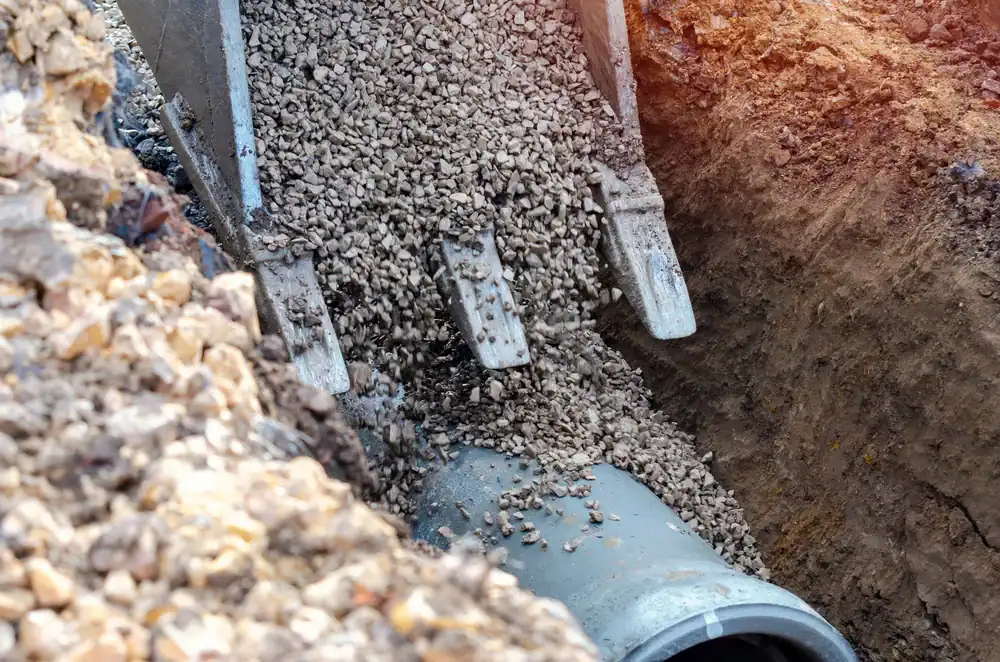
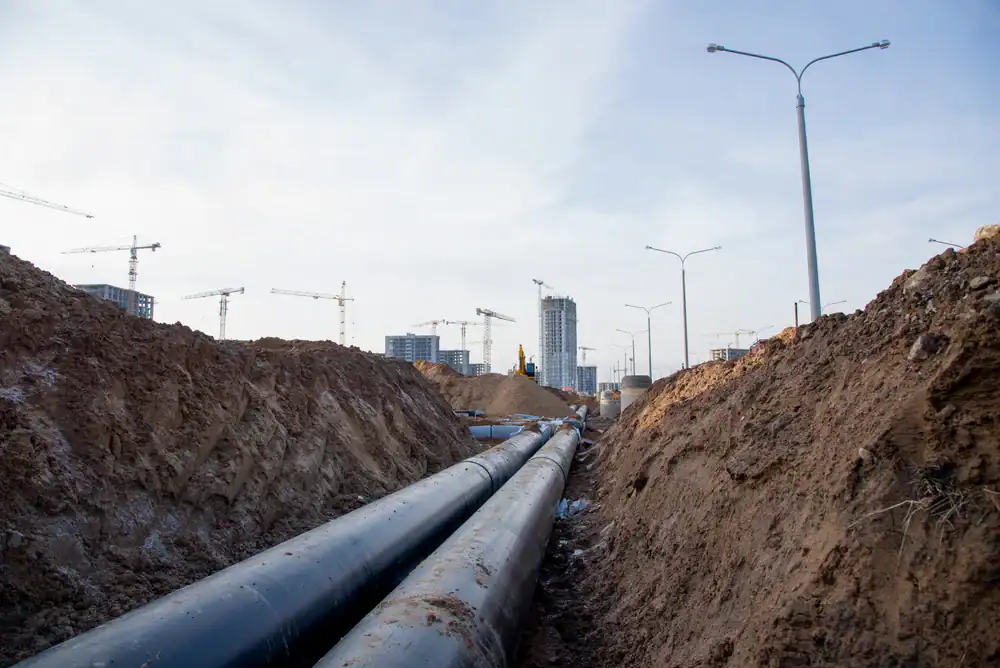
First, we locate the exact failure point. That means inspecting the line to see where the backup or leak is actually happening, not just guessing based on symptoms. Once we know what section failed, we map out the trenching and excavation needed to access it without tearing up more of your property than necessary.
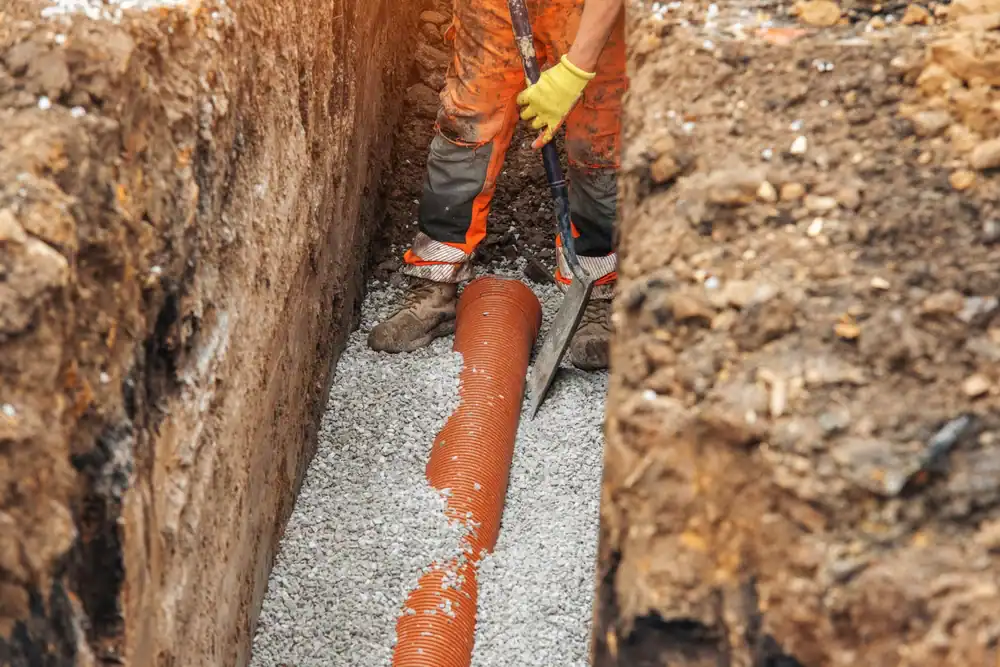
Next comes the actual main waste line replacement. We dig down to the damaged section, remove the old pipe, and install new material that’s rated for Long Island conditions. The critical part here is pipe pitch and slope—if the new line isn’t angled correctly, waste won’t flow properly and you’ll end up with the same problem six months later.
After the new line is in, we test it before backfilling. That means running water through the system to confirm proper drainage and making sure there are no leaks at the connection points. Then we restore your yard, haul away the old materials, and handle any required documentation with Suffolk County if permits were needed.
You get a line that works, a timeline that’s usually measured in hours or a single day, and a cost that’s a fraction of what full system replacement would run.
Ready to get started?
Line changes aren’t just about swapping out broken pipe. You’re paying for proper slope correction, because lines that don’t drain right will fail again. In Remsenburg’s sandy soil, settling happens. Pipes shift. What was installed level 20 years ago might have humps now that trap waste and cause blockages.
We’re also handling the trenching and excavation in a way that protects the rest of your system. Digging too close to your cesspool or hitting it with heavy equipment turns a pipe repair into a tank replacement. That’s expensive and completely avoidable with the right approach.
You also get compliance with Suffolk County regulations. That means proper disposal of old materials, documentation if permits are required, and installation that meets current code even if your original system predates those rules. Properties in this area are subject to stricter oversight now, especially with the 2019 cesspool installation ban affecting how upgrades and repairs are handled.
The other piece is emergency availability. Backups and pipe failure don’t wait for business hours, and neither do we. Winter is especially critical here—when wastewater collects in low spots due to bad slope, it can freeze solid and block your entire system.
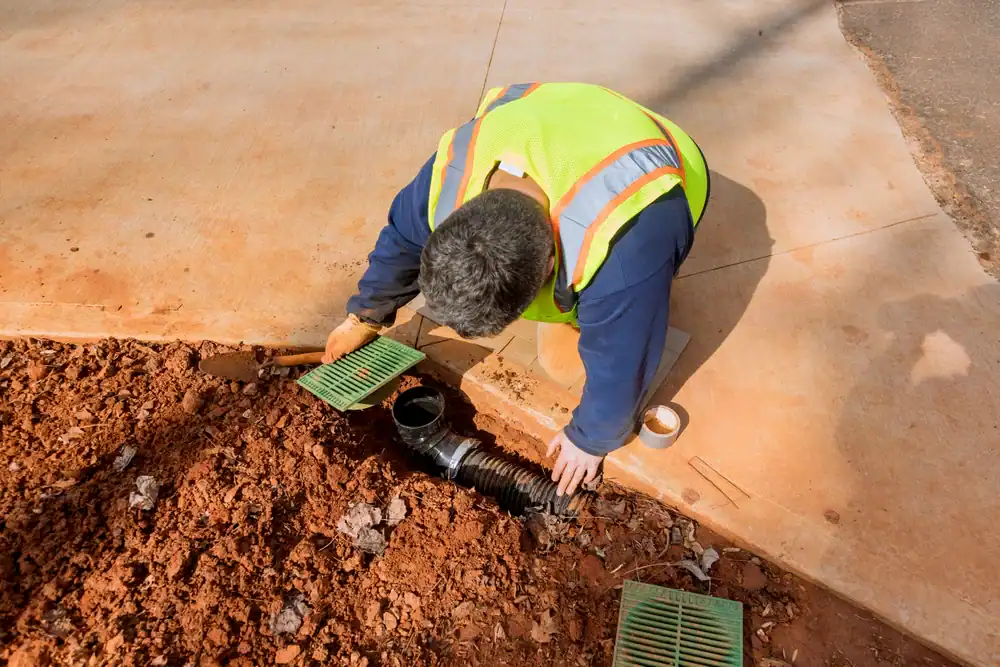
If you’re seeing backups, slow drains, or wet spots in your yard, the first step is figuring out where the problem actually is. Most people assume their cesspool is full or failing, but the pipe connecting your house to the tank fails more often than the tank itself.
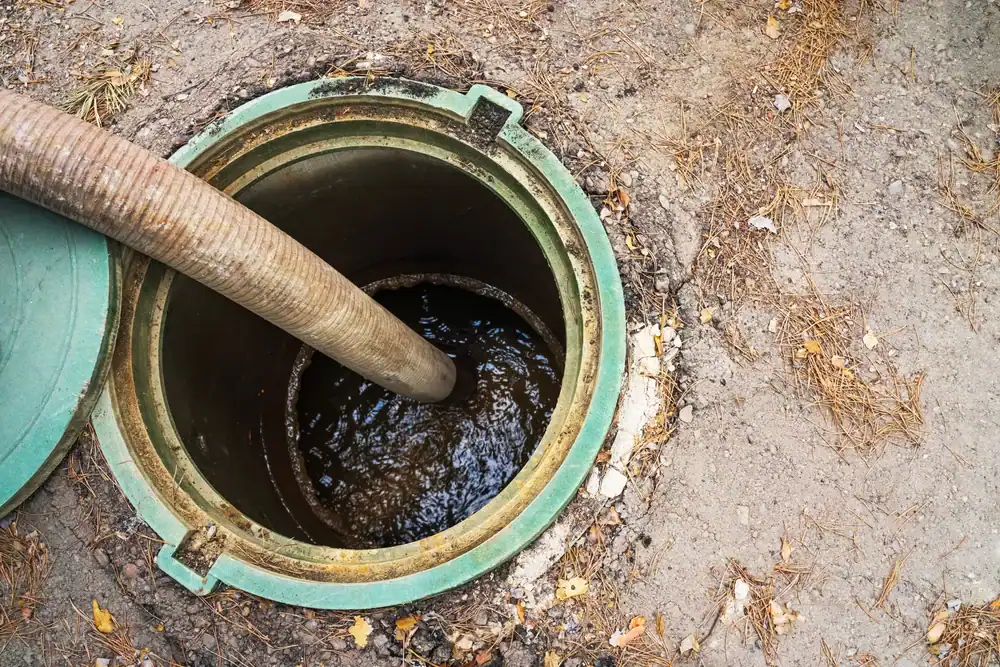
Here’s the difference: if pumping your cesspool makes the problem go away for a while, your tank is probably fine and the issue is capacity or maintenance. If pumping doesn’t help at all, or the backup happens again within days, you’re likely dealing with a pipe problem—either a blockage, a break, or a slope issue that’s preventing waste from reaching the tank.
Old orangeburg pipes are notorious for this in Suffolk County. They collapse, crack, or get crushed over time, and when they fail, it mimics complete system failure. But replacing a 20-foot section of pipe costs $1,500, not $25,000. That’s why inspection matters before you commit to any major work.
Remsenburg’s sandy soil and high water table create specific conditions that stress underground pipes. Sand doesn’t provide much support, so pipes can shift or settle over time, especially if they weren’t bedded properly during installation. When a pipe moves, joints separate or the line develops sags that trap waste.
Shallow installations are another issue here. Pipes connecting houses to cesspools are often installed at shallower depths than the tanks themselves, which makes them vulnerable to freeze damage in winter. If the slope isn’t right and wastewater sits in the line instead of draining completely, that standing water can freeze and block the entire system.
Tree roots are also a factor, particularly with older pipe materials. Roots grow into seams and cracks looking for water, and once they’re in, they expand and break the pipe apart. Seasonal properties face a different challenge—periods of non-use mean different bacterial activity levels and potential for clogs when usage ramps back up in summer.
Most line changes are completed within a day, assuming the failure point is accessible and we’re not dealing with complications like ledge rock or utility conflicts. The actual work—excavation, pipe replacement, and backfill—usually takes a few hours for a standard residential job.
What extends the timeline is usually site conditions, not the repair itself. If your pipe runs under a driveway or patio, we need to cut through that surface and then restore it afterward. If the failure is deep or in a tight spot between structures, excavation takes longer because we’re working carefully to avoid damaging other parts of your property.
Emergency repairs get priority response, but even those follow the same process. We’re not cutting corners to finish faster—proper slope and secure connections matter more than speed. A rushed job that doesn’t drain right just means you’re calling someone else in six months to redo it.
Yes, but it depends on where the failure is and how your system is laid out. If the break or blockage is in a specific section, we only excavate that area—not the entire run from your house to the cesspool. Modern locating equipment helps us pinpoint the problem spot before we start digging.
The width of the trench depends on how deep the pipe is and what kind of access we need to work safely. Deeper lines require wider trenches because of soil stability and safety regulations. Shallower lines mean less disruption, but also less protection from freeze damage, which is why proper depth matters during installation.
After the repair, we restore your yard to its original condition. That means backfilling with appropriate material, grading it properly so water doesn’t pool, and hauling away the excavated soil and old pipe. You’re not left with a mud pit or a trench that settles into a ditch six months later.
Replacing the pipe without correcting the slope is like putting a new tire on a car with bad alignment—it’ll fail again, just slower. Waste lines rely on gravity to move sewage from your house to the cesspool, and that requires a consistent downward angle. Even small humps or sags disrupt flow and cause backups.
Proper pipe pitch is typically a quarter-inch drop per foot of horizontal run. Too steep and solid waste can separate from liquids, causing clogs. Too shallow and nothing drains completely, leaving waste sitting in the line where it can freeze, build up, or create blockages. In Remsenburg’s sandy soil, settling is common, which means a line installed correctly 20 years ago might not be at the right slope anymore.
When we replace a line, we’re also correcting the slope to current standards. That means excavating to the proper depth, bedding the new pipe in material that won’t shift, and confirming the angle before we backfill. It’s more work than just swapping pipe, but it’s the difference between a repair that lasts and one that fails again next winter.
It depends on the scope of work and whether you’re just repairing an existing line or altering your system layout. Simple pipe repairs that replace damaged sections without changing the system’s footprint typically don’t require permits, but any work that involves extending lines, relocating connections, or upgrading components usually does.
Suffolk County’s 2019 cesspool regulations changed how some repairs are handled, especially if your property is in a priority area or near sensitive water bodies. Even though existing cesspools can remain operational, any major work might trigger requirements for upgrades or inspections that weren’t mandatory before.
We handle permit applications when they’re needed, which means you’re not navigating Suffolk County Health Department requirements on your own. That includes submitting plans, scheduling inspections, and making sure the work meets current code even if your original system predates those standards. Proper documentation also protects you if you sell the property later and the buyer’s inspector asks about system modifications.
Other Services we provide in Remsenburg