
Hear from Our Customers
You’re not looking to throw money at a problem you can’t even see. You want to know what’s actually wrong before someone starts tearing up your yard or telling you the whole system needs replacing.
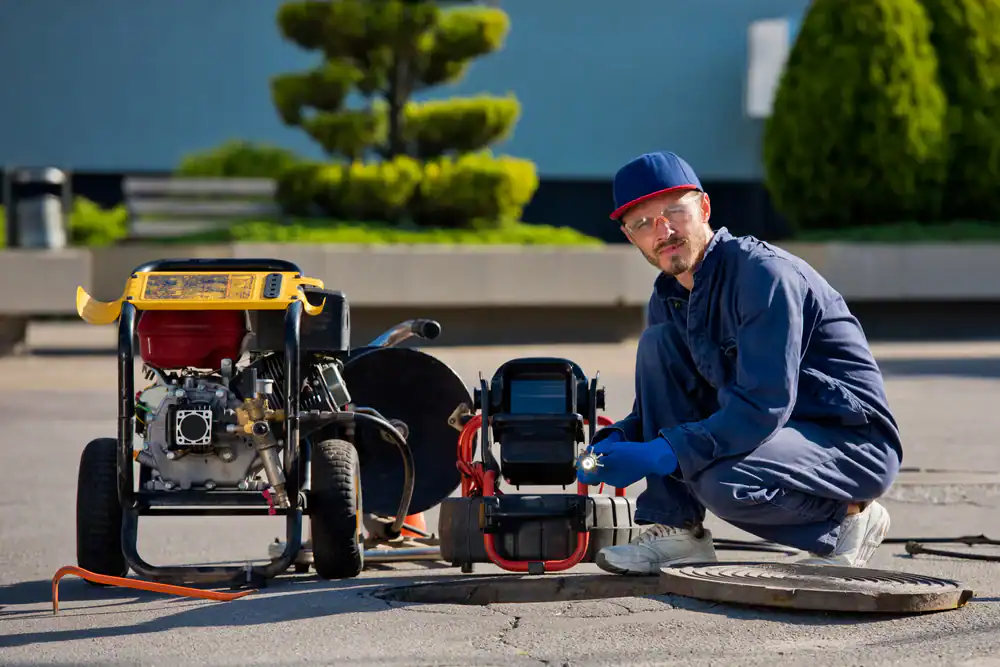
That’s what a camera inspection does. We send a high-resolution camera through your pipes and show you—in real time—what’s blocking, cracking, or breaking down. You see tree roots, collapsed sections, grease buildup, whatever’s there. Then you decide what makes sense.
Most sewer line repairs on Long Island run anywhere from $1,500 to $15,000 depending on what’s damaged and how deep it is. A camera inspection costs a fraction of that and tells you whether you’re looking at a simple cleanout or something bigger. It’s the difference between fixing what’s broken and paying for work you didn’t need.
We’ve been serving homeowners across Shelter Island Heights, NY and the surrounding areas for years. We’re not new to this. We know the older homes, the aging infrastructure, the unique challenges that come with properties built in the ’70s and ’90s.
Most of the homes here are worth over a million dollars. That’s not just a number—it’s your investment, your peace of mind, your retirement. We treat it that way.
When you call us for a pipe condition assessment or sewer line video inspection, you’re working with people who understand what’s at stake. We’re local, we’re experienced, and we’re not here to upsell you on services you don’t need.
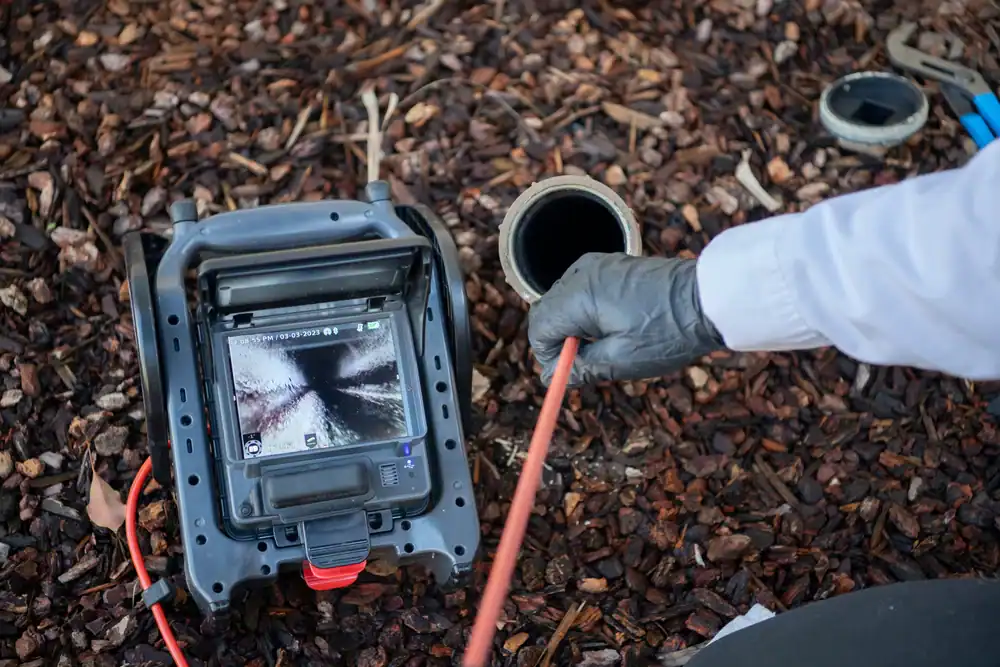
First, we locate your cleanout access point—usually a small pipe that leads into your sewer or drain line. If your home doesn’t have one or we can’t access it easily, we’ll let you know upfront.
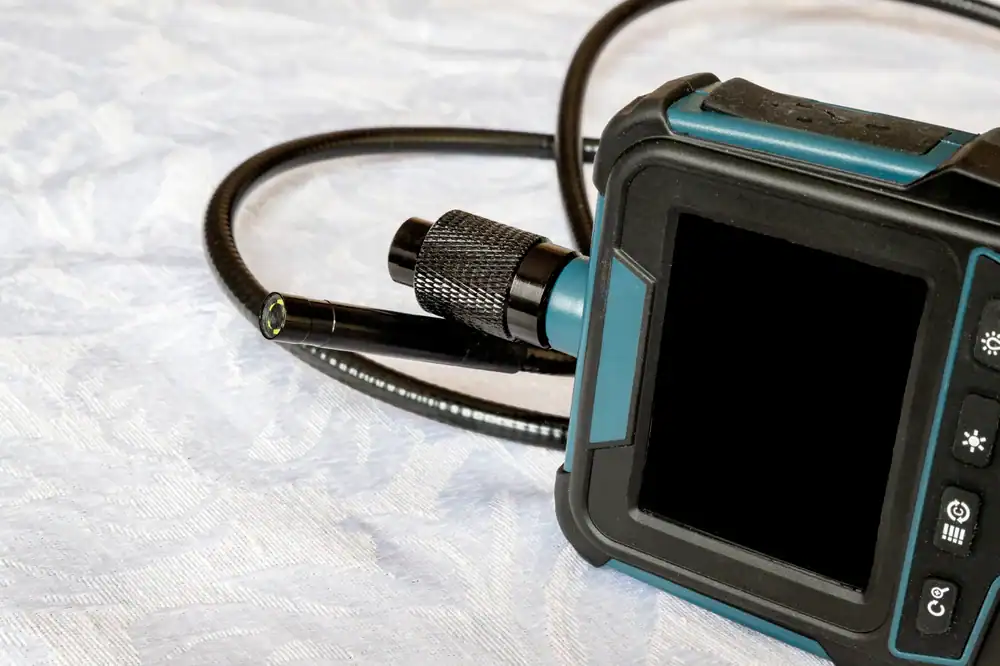
Then we feed a flexible camera line into the pipe. The camera is waterproof, equipped with LED lights, and sends live footage back to a monitor. You can watch along with us if you want. We’re looking for blockages, cracks, root intrusion, bellied pipes, or anything else that could cause a backup or failure.
As we move through the line, we’re also tracking depth and distance. That means if we find a problem, we know exactly where it is underground. No exploratory digging. No tearing up your driveway to “see what’s going on.”
The whole process usually takes about an hour. When we’re done, you get a copy of the footage and a straightforward explanation of what we found. If something needs fixing, we’ll tell you what and why. If everything looks fine, you’ll know that too.
Ready to get started?
Every camera inspection includes real-time clog detection, digital footage and reporting, and a full walkthrough of what we’re seeing. You’re not handed a DVD and left to figure it out. We explain what’s normal wear, what’s a red flag, and what can wait.
We also mark the location of any issues we find. If there’s a crack at 47 feet or a root mass at 23 feet, we document it with precise measurements. That’s critical if you end up needing a repair—it saves time and keeps costs down because the crew knows exactly where to dig.
In Shelter Island Heights, NY, where most properties sit on septic or cesspool systems, this kind of visibility matters even more. You’re not connected to municipal sewer, so your lines are your responsibility. A small crack today can mean a full system failure next year. Catching it early means you’re in control of the timeline and the budget.
The inspection also works for buyers. If you’re purchasing a home here and want to know what you’re inheriting, a sewer line video inspection gives you leverage. You’ll know if the system is solid or if you’re walking into an expensive problem.
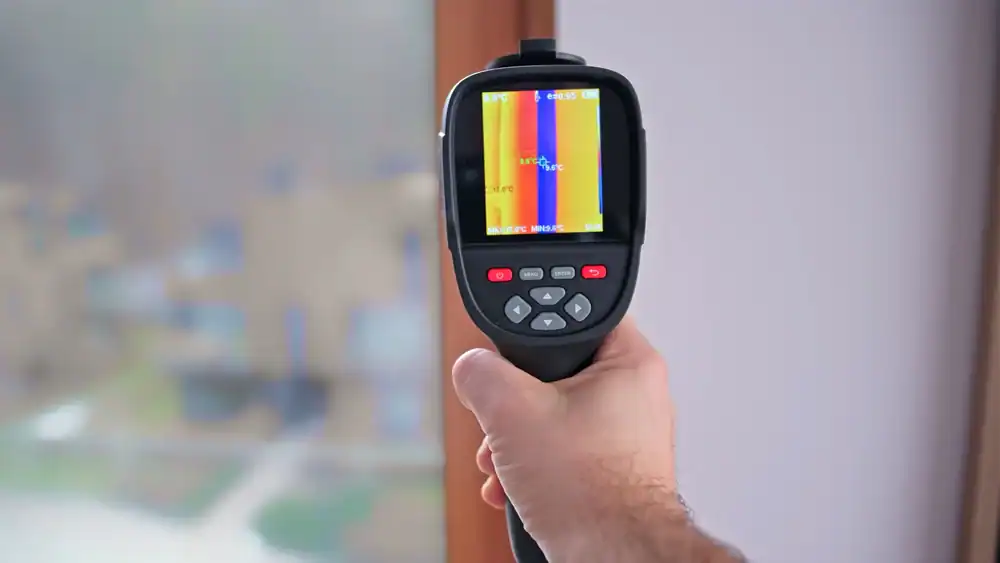
Most camera inspections run between $270 and $500 depending on the length of the line and how accessible your cleanout is. If we need to locate the line first or deal with a more complex system, it might be closer to $700 or $800, but that’s less common.
For context, the average sewer line repair costs between $1,500 and $15,000. A camera inspection is a small upfront cost that can save you from paying for unnecessary work or getting blindsided by a bigger issue down the road.
We’ll give you a clear price before we start. No surprises, no upsells. If the scope of the job changes once we’re on site, we’ll talk to you first.
Yes. The camera line includes locating technology that tracks depth and distance as it moves through the pipe. When we spot a crack, root intrusion, or separation, we mark the exact location—usually down to the foot.
That means if you need a repair, the excavation crew knows precisely where to dig. You’re not paying someone to guess or trench half your yard looking for the problem. It’s targeted, efficient, and a lot less disruptive.
This is especially useful in Shelter Island Heights where many properties have mature landscaping, long driveways, or limited access. The less digging, the better. Locating underground pipe leaks with a camera gives you control over how invasive the repair needs to be.
A camera inspection shows you blockages, cracks, root intrusion, collapsed sections, bellied pipes, corrosion, and grease buildup. It also reveals whether your pipes are cast iron, PVC, clay, or Orangeburg—which matters because some materials break down faster than others.
If tree roots have infiltrated the line, you’ll see them on camera. If a section of pipe has settled or shifted and is now holding water, we’ll catch that too. If there’s a full blockage from wipes, grease, or foreign objects, the camera stops right there and we know what we’re dealing with.
You’ll also see the overall condition of the pipe. Even if nothing’s broken right now, we can tell you if the line is deteriorating and likely to fail in the next few years. That’s valuable information when you’re planning maintenance or budgeting for future work. It’s not just about what’s wrong today—it’s about what’s coming.
Most inspections take about an hour from start to finish. That includes setup, running the camera through the line, reviewing the footage with you, and answering any questions.
If your system is longer or more complex—say you’ve got multiple lines or a shared lateral—it might take a bit longer. If we run into a blockage early and need to clear it before we can continue, that adds time too.
But in general, it’s a quick process. You’re not losing your whole day. And because we’re showing you everything in real time, you’re not waiting days or weeks for a report. You get answers on the spot and a copy of the footage to keep.
Absolutely. A home inspection doesn’t usually include the sewer or septic lines, and that’s where some of the most expensive surprises hide. If the system is failing or the pipes are shot, you’re looking at thousands of dollars in repairs right after closing.
A camera inspection shows you what’s under the ground before you sign. If the line is full of roots, cracked in multiple places, or made of deteriorating Orangeburg pipe, you’ll know. You can negotiate the price, ask the seller to fix it, or walk away if it’s too much.
In Shelter Island Heights, where the median home value is over a million dollars and most properties are on septic or cesspool systems, this kind of due diligence makes sense. You’re protecting your investment. A few hundred dollars now can save you from a $10,000 problem later.
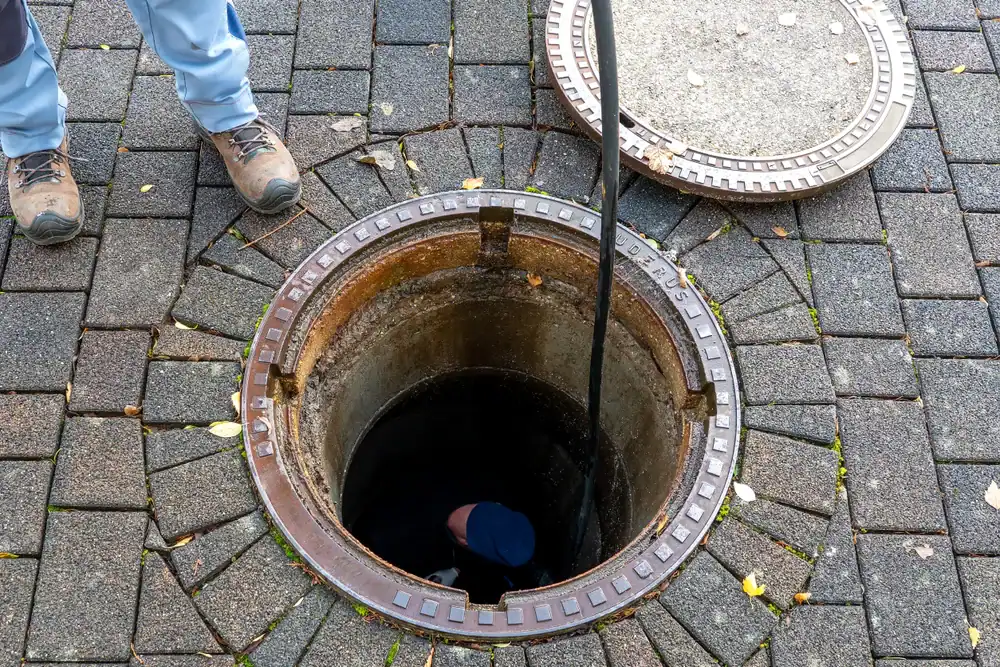
No. The camera is non-invasive. It’s a flexible line that moves through your existing pipes without cutting, drilling, or digging. We access the line through a cleanout or an existing opening, run the camera, and that’s it.
There’s no damage to your landscaping, driveway, or foundation. That’s the whole point. You get a full pipe condition assessment without tearing anything up.
The only time we’d need to dig is if we find a problem that requires a repair—and even then, we know exactly where to dig because the camera already pinpointed the issue. You’re not dealing with exploratory excavation or guesswork. It’s precise, clean, and designed to give you answers without creating more problems.
Other Services we provide in Shelter Island Heights