
Hear from Our Customers
Your drains empty fast. No more slow toilets or sinks that back up when someone runs the shower. No sewage smell creeping into your yard during heavy rain.
That’s what proper line changes do. When the main waste line replacement is done with the right slope—one-quarter inch drop per foot—gravity does its job. Water flows. Solids move. Your system works the way it’s supposed to.
Most backups and pipe failure happen because the original line was installed wrong. Maybe there’s a hump in the pipe. Maybe the pitch is off. Maybe tree roots crushed a section and nobody caught it until sewage started pooling in your basement. Whatever caused it, you’re dealing with it now—and you need it fixed so it doesn’t happen again.
We’ve been handling cesspool and sewer line work in Shelter Island Heights, NY for over a decade. We’re licensed, insured, and we know Suffolk County regulations inside out—including the ones that changed in 2019.
Here’s what matters: we clean more sewers and drains in a year than most companies do in five. That’s not bragging. That’s just what happens when you focus on one thing and do it right.
We’re not the cheapest option. But if you want trenching and excavation done to code, permits pulled correctly, and a line that’ll last, that’s what we do.
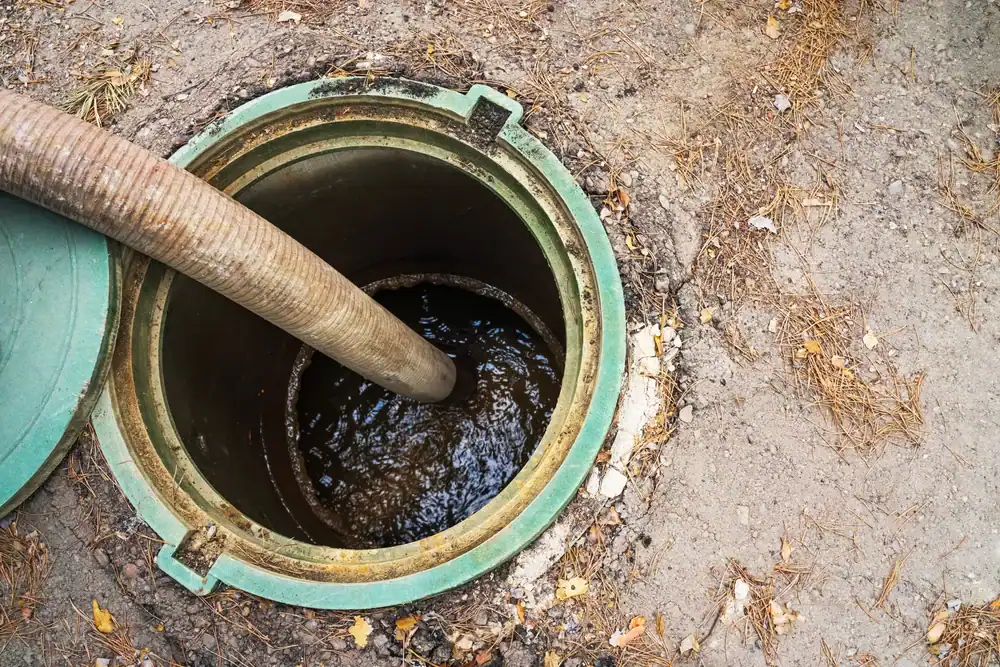
First, we assess the situation. That usually means a video camera inspection so we can see exactly what’s happening inside your pipes. Is it a collapse? Root intrusion? Wrong slope? We need to know before we dig.
Next comes permits. Suffolk County requires them for line changes, and only licensed contractors can pull them. We handle that part so you don’t have to deal with the paperwork or the back-and-forth with the town.
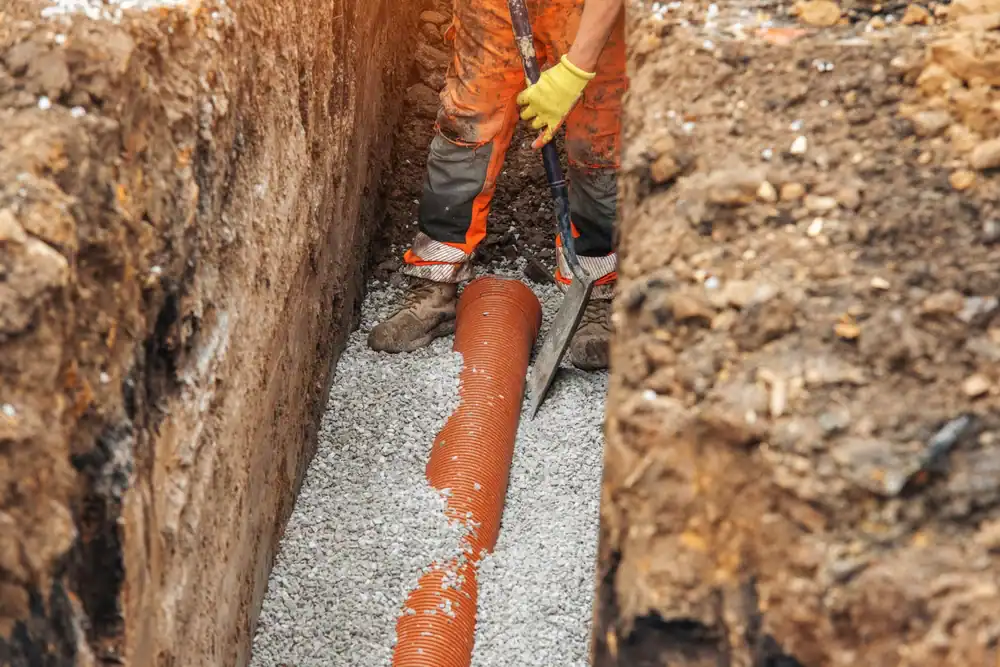
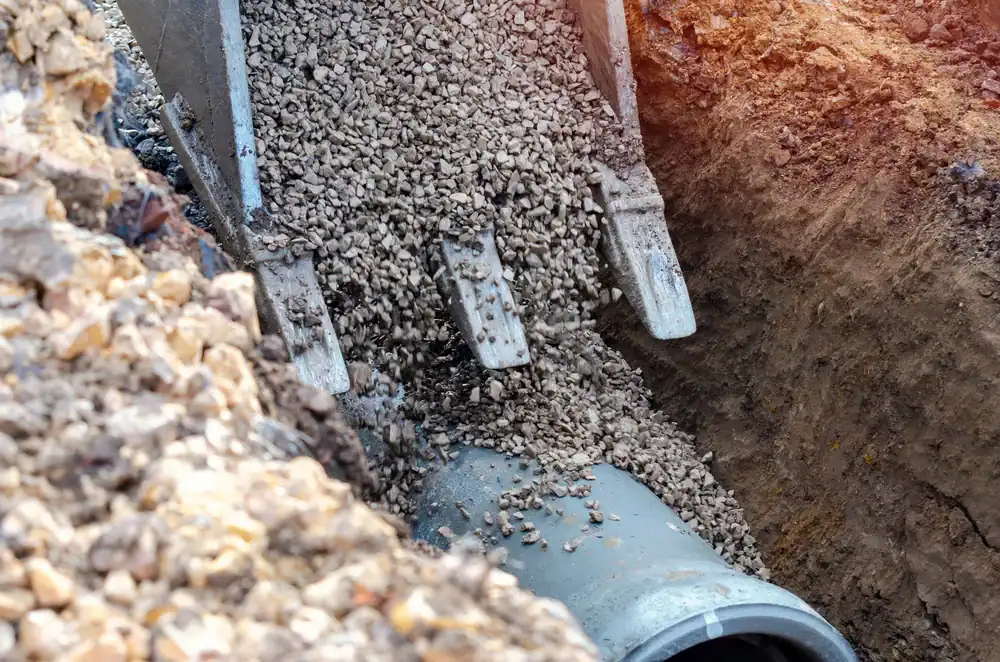
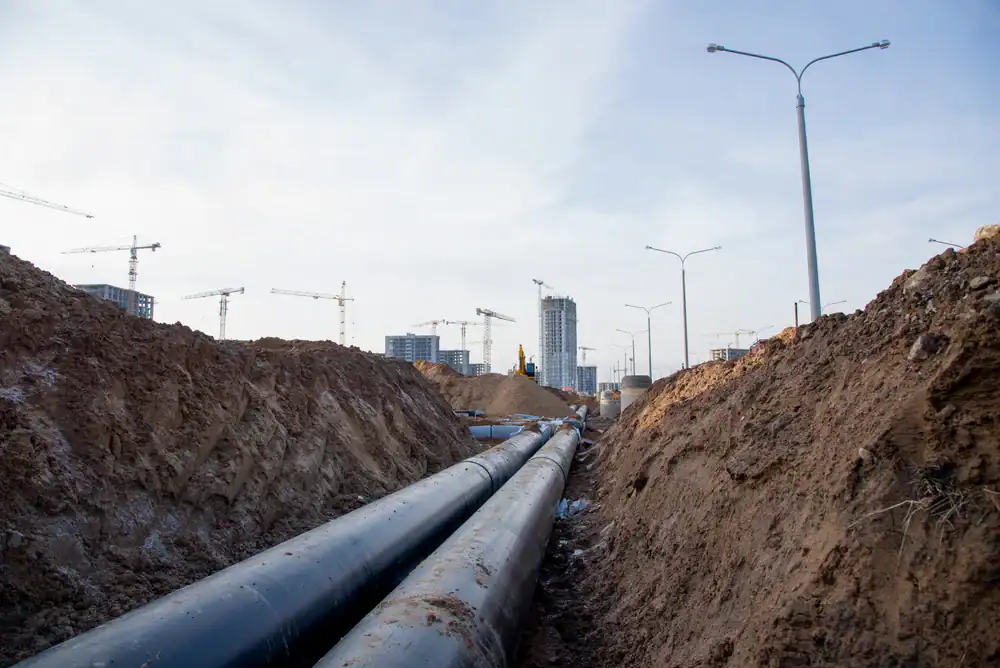
Then we excavate. We mark utilities, dig to the right depth, and make sure the trench is prepped for proper drainage. The new line goes in at the correct pitch—that one-quarter inch per foot that keeps everything flowing. We connect it to your cesspool, backfill, compact, and restore your property.
The whole process usually takes one to three days depending on distance and soil conditions. You’ll know the timeline before we start, and we’ll keep disruption to your yard as minimal as possible.
Ready to get started?
Line changes in Shelter Island Heights, NY include permit acquisition, site marking, excavation, pipe installation at proper slope, connection to your cesspool system, backfill, compaction, and site restoration. We’re not leaving you with an open trench and a bill.
Here’s something most homeowners don’t know: Suffolk County sits on a sole-source aquifer. That means every drop of water comes from underground, and what goes into your cesspool eventually affects that water supply. Since 2019, you can’t replace a cesspool with another cesspool—you need a septic tank with proper leaching. If your line is failing, it’s worth checking whether your whole system is up to current standards.
The good news? Grants exist. Suffolk County offers up to $10,000 through the Septic Improvement Program, and Shelter Island adds Community Preservation Funds on top of that. If you’re looking at a full system upgrade, those grants make a real difference. We can walk you through what’s available and whether your property qualifies.
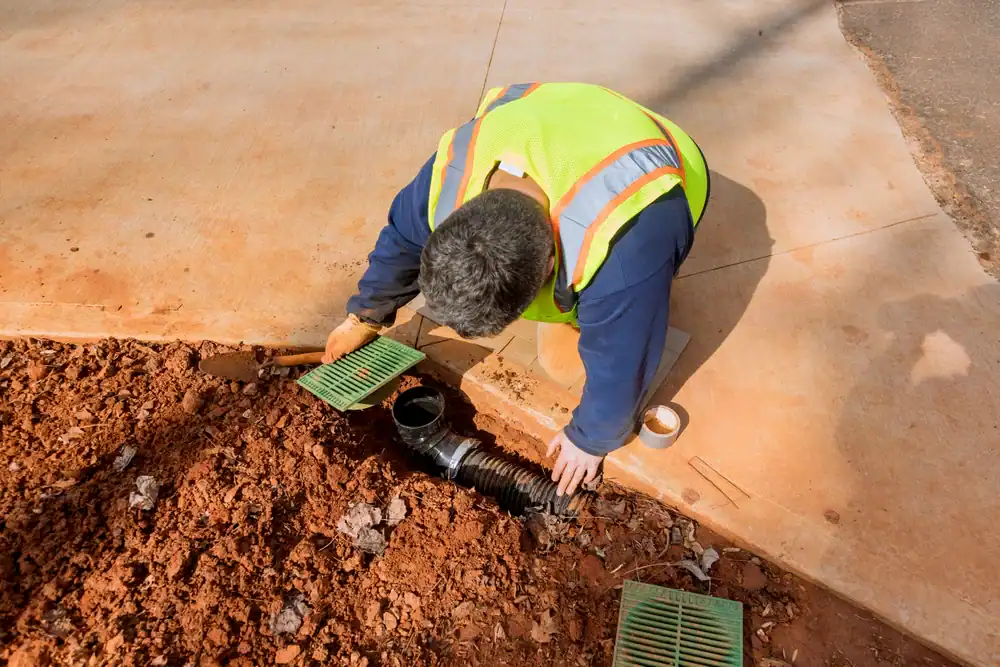
You’ll notice the signs before it becomes an emergency. Slow drains throughout the house—not just one sink, but multiple fixtures. Sewage smell near your cesspool or along the line path. Wet spots or unusually green grass where the pipe runs underground. Gurgling sounds when you flush or run water.
The clearest sign is sewage backing up into your home. If that’s happening, your line is either blocked, collapsed, or installed at the wrong pitch. A video camera inspection will show us exactly what’s going on. We can see cracks, root intrusion, bellies in the pipe, or sections that have completely failed.
Sometimes the problem isn’t dramatic. Maybe your system has always been slow, and you’ve just lived with it. That usually means the original installation didn’t meet the minimum slope requirement. Fixing it now prevents a full failure later—and saves you from dealing with an emergency repair when it’s least convenient.
The standard is one-quarter inch of drop per foot of horizontal run. That’s the minimum slope for proper drainage. Too flat, and solids settle in the pipe. Too steep, and liquids run ahead of solids, leaving waste behind to build up and clog.
If your line has a hump or a belly—meaning it dips down and then back up—nothing will flow right. Water will pool in the low spot, solids will accumulate, and you’ll get chronic backups. That’s one of the most common problems we find during inspections, especially in older installations.
When we install a new line, we use a laser level to ensure consistent slope from your house to the cesspool. No humps. No flat sections. Just a clean, steady drop that lets gravity do the work. It’s not complicated, but it has to be done right, or you’ll be dealing with the same problem in six months.
Most jobs take one to three days depending on the distance from your house to the cesspool and what we run into underground. If it’s a straight shot with cooperative soil, we move fast. If there are obstacles—tree roots, ledge rock, existing utilities—it takes longer.
We dig deep enough to get below the frost line and maintain proper slope. In Shelter Island Heights, NY, that usually means at least three to four feet down. We’ll mark all utilities before we start so we’re not hitting electric, water, or gas lines. That’s not optional—it’s required, and it keeps everyone safe.
Once the trench is open and prepped, the actual pipe installation goes quickly. The time-consuming part is doing it right: making sure the slope is perfect, the connections are solid, and the backfill is compacted so your yard doesn’t sink later. We’re not rushing through it just to get to the next job.
It depends on what’s failing and what your current system looks like. If the line itself is the problem—wrong slope, root damage, collapse—then yes, we can replace just the line. You don’t necessarily need to touch the cesspool.
But here’s what you should know: as of July 2019, Suffolk County regulations changed. If you’re replacing the cesspool itself, you can’t put in another cesspool. You have to install a septic tank with a leaching system that meets current nitrogen-reduction standards. That doesn’t apply to line changes, but if your cesspool is old or failing, it’s worth thinking about the whole picture.
Sometimes it makes sense to do both at once, especially if grants are available. We’ll be honest with you about what needs to happen now versus what can wait. If your cesspool is fine and it’s just the line that’s shot, we’ll tell you that. If the whole system is on borrowed time, we’ll tell you that too.
Improper slope is the biggest culprit. If the line was installed too flat or has a belly, solids settle and build up over time. Eventually, the pipe clogs completely, and you get a backup. Tree roots are the second most common cause—they find their way into joints or cracks and grow into a dense mass that blocks flow.
Crushed or collapsed pipes happen too, especially with older clay or Orangeburg pipe. Heavy equipment driving over the line, ground settling, or just age can cause sections to fail. Once the pipe is compromised, it’s only a matter of time before it stops working entirely.
Sometimes the problem is further upstream. If your cesspool is full or the leaching system is saturated, water has nowhere to go. It backs up into the line and eventually into your house. That’s why we start with a camera inspection—we need to see whether it’s the line, the cesspool, or both. Fixing the wrong thing first just wastes your money.
Yes. Suffolk County requires permits for any work that involves excavation and connection to a cesspool or septic system. Only licensed and bonded contractors can pull those permits, and the work has to be inspected before it’s considered complete.
We handle the permit process from start to finish. That includes submitting plans, coordinating inspections, and making sure everything meets local and state codes. You don’t have to deal with the town office or worry about whether the paperwork is right.
Skipping permits isn’t worth it. If you sell your property later and the buyer’s inspection turns up unpermitted work, it becomes your problem again. Worse, if something goes wrong and there’s no permit on file, your homeowner’s insurance might not cover the damage. It’s not just a legal requirement—it’s protection for you down the road.
Other Services we provide in Shelter Island Heights