
Hear from Our Customers
You’re not buying a camera inspection because it sounds fun. You’re buying it because something’s wrong, or you’re about to close on a house, or your lender won’t approve the loan without one.
Here’s what actually matters: our sewer line video inspection shows you what’s happening underground without tearing up your driveway. You watch the footage with us in real time. If there’s a crack at 47 feet, we mark it. If roots are blocking the line, you see them. If your pipes are fine, you know that too.
Most emergency sewer repairs start around $3,000 and climb past $10,000 when excavation gets involved. A camera inspection costs a fraction of that and tells you whether you actually need the work. That’s not a sales pitch—that’s just math.
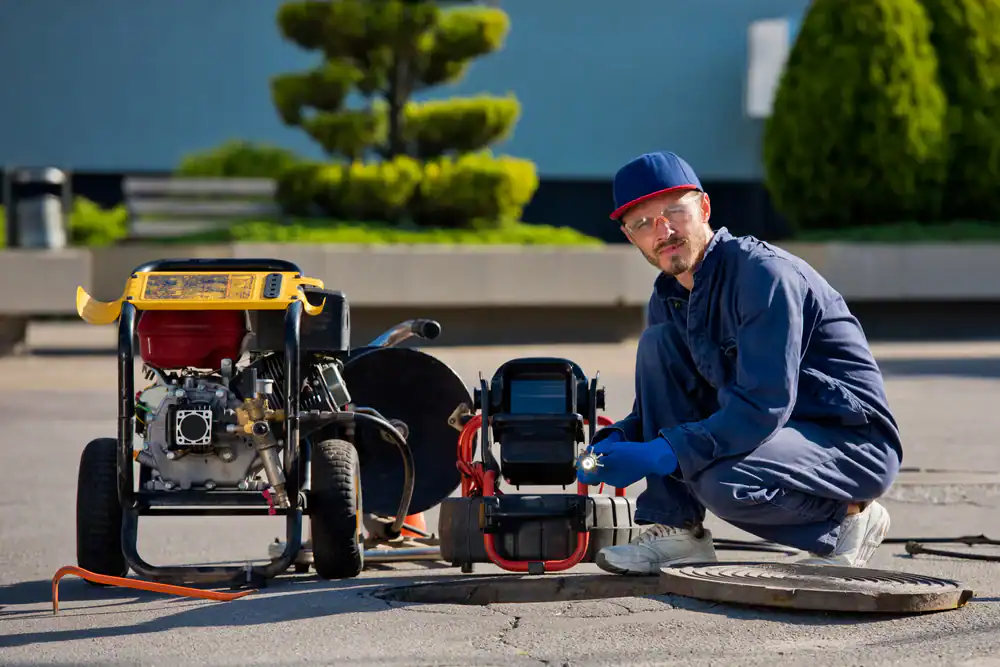
We handle cesspool and septic systems across Shinnecock Hills and the surrounding areas. We’re licensed, insured, and we use equipment that actually works—not outdated cameras that can’t see past the first bend.
Most homes here were built in the late ’80s and early ’90s. That means aging pipes, tree roots that have had decades to grow, and soil conditions that shift over time. We’ve seen what goes wrong in this area, and we know how to find it before it floods your basement.
You’re not getting a crew that shows up, guesses at the problem, and hands you a $7,000 estimate. You’re getting footage, locations, and honest recommendations about what needs fixing now versus what can wait.
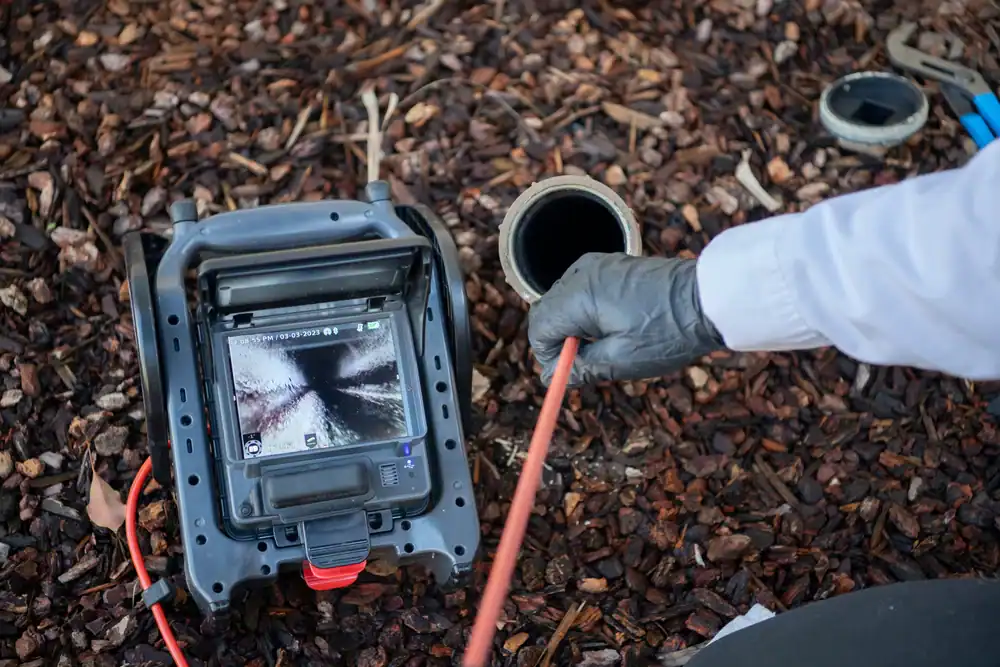
We start by locating your cleanout access point—usually outside near the foundation or in the basement. That’s where the camera goes in. Our equipment extends up to 300 feet, covering everything from your indoor connections to where your line meets the municipal system.
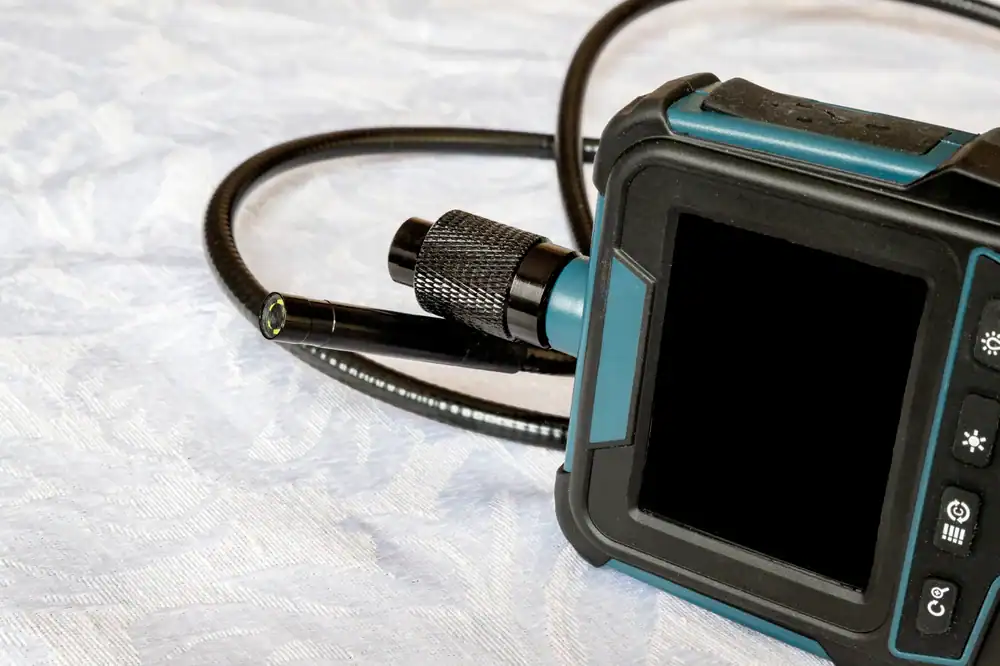
The camera has LED lights and a radio transmitter. As it moves through the pipe, you’re watching the monitor with us. When we find something—a crack, a root mass, a collapsed section—the transmitter marks the exact depth and location from the surface. That means if you do need a repair, the crew knows exactly where to dig. No exploratory excavation. No guessing.
The whole process takes about an hour for most residential properties. You get digital footage and a report that shows what we found. If your pipes are clear, you’re done. If there’s an issue, you know what it is, where it is, and what it’ll take to fix it.
That’s the inspection. No upselling. No scare tactics. Just real-time clog detection and a clear answer about your system’s condition.
Ready to get started?
This isn’t a surface-level check. Our camera inspection identifies blockages, cracks, root intrusion, pipe corrosion, collapsed sections, and anything else that’s keeping your system from working right. You get digital footage and reporting that insurance companies and mortgage lenders accept as documentation.
In Shinnecock Hills, tree roots are one of the biggest problems we find. Your property has mature landscaping, and those roots are looking for water. They find it in your sewer line, and once they’re in, they don’t leave on their own. The camera shows us exactly where the intrusion is happening so you’re not replacing 100 feet of pipe when the problem is isolated to one section.
We also catch issues that matter for real estate transactions. More than 360,000 homes in Suffolk County rely on septic systems and cesspools, and most of them have problems that a standard home inspection won’t find. Sewer lines are underground. You can’t see them. But buyers are walking away from deals when they discover drainage issues after closing. A camera inspection before you list—or before you buy—gives you the facts.
You’re not paying for a report that sits in a drawer. You’re paying for information that saves you money, protects your property value, and keeps your lender or insurance company happy. That’s what this service does.
A camera inspection typically runs between $200 and $400 depending on the length of the line and access points. Compare that to excavation, which starts around $3,000 just to locate the problem—and that’s before any actual repair work begins.
Here’s the bigger picture: if a contractor tells you the whole line needs replacing, you’re looking at $10,000 or more. But if a camera inspection shows the problem is isolated to one section, you might only need a $1,500 spot repair. The inspection pays for itself by eliminating unnecessary work.
Your landscaping stays intact. Your driveway doesn’t get torn up. And you’re making decisions based on what’s actually wrong, not what someone thinks might be wrong. That’s the difference between guessing and knowing.
No. The camera is non-invasive and specifically designed to move through your pipes without causing any damage. It’s a flexible line with a waterproof camera head—it doesn’t scrape, cut, or force its way through. If your pipes are already compromised, the camera will show us that, but it won’t make the problem worse.
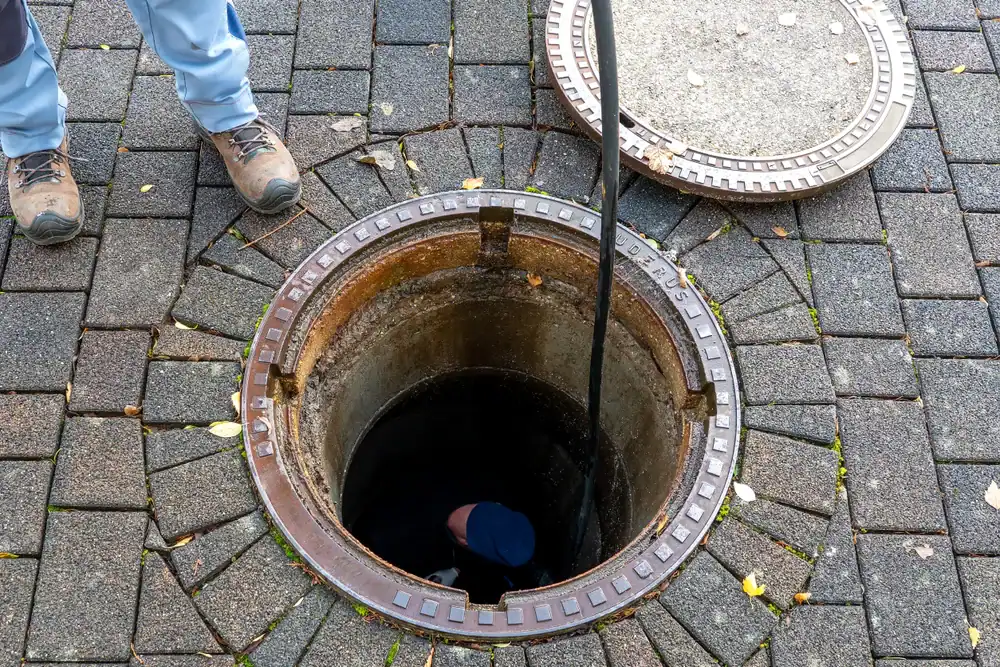
We’re not digging. We’re not breaking through walls. We access your line through existing cleanouts or access points that are already part of your system. The whole process happens without touching your landscaping, driveway, or foundation.
The only time we’d recommend against a camera inspection is if your line is completely collapsed and there’s no way to get the camera through. But even then, knowing that upfront saves you from paying for other diagnostic methods that won’t work either.
If you’re buying a home in Shinnecock Hills or refinancing with an FHA or VA loan, your lender might require it. That’s not optional. But even if it’s not required, there are situations where it makes sense.
Homes built in the late ’80s and ’90s—which covers most of this area—are hitting the age where pipes start failing. You might not have slow drains yet, but tree roots could be growing into the line. Cracks could be forming. Clay soil shifts over time, and pipes settle. A camera inspection catches those issues before they become emergencies.
If you’re selling, a pre-listing inspection gives buyers confidence and removes a common negotiation point. If you’re buying, it protects you from inheriting someone else’s expensive problem. And if you’re staying put, it’s a way to avoid being blindsided by a $7,000 repair when your basement floods during a family gathering.
A regular plumbing inspection checks visible components—faucets, toilets, water heaters, exposed pipes. It doesn’t tell you anything about what’s happening underground. That’s where most of the expensive problems hide.
A camera inspection goes into the sewer line itself. You’re seeing the inside of the pipe from your house to the street. We’re identifying root intrusion, cracks, blockages, corrosion, and structural issues that you can’t assess any other way. It’s the only method that shows you the actual condition of your underground pipes without excavation.
Standard home inspections don’t include sewer line cameras. That’s why so many buyers are surprised when drainage problems surface after closing. The inspector walked through the house, flushed the toilets, ran the sinks—but didn’t check whether the pipe 30 feet underground has roots growing through it. A camera inspection fills that gap.
Most residential camera inspections take about an hour. That includes setup, running the camera through the line, and reviewing the footage with you on-site. You’re not waiting days for results—you’re watching the inspection happen in real time.
We provide digital footage and a written report before we leave. If we find a problem, you’ll know exactly what it is, where it’s located, and how deep it is from the surface. That information goes straight to your contractor, your insurance company, or your lender—whoever needs it.
If your pipes are clear, you have documentation proving that. If there’s an issue, you have the evidence to make an informed decision about repairs. Either way, you’re walking away with answers the same day we show up.
Yes, and that’s one of the main reasons people schedule them. Small cracks don’t flood your basement overnight. Root intrusion starts small and gets worse over time. Pipe corrosion is gradual. A camera inspection catches these problems while they’re still manageable—and affordable.
If we find a hairline crack at 50 feet, you might not need to fix it today. But you know it’s there, and you can plan for it. That’s better than discovering it during an emergency when you’re paying weekend rates and dealing with water damage.
For homeowners in Shinnecock Hills, this matters because your pipes are aging along with the rest of the neighborhood. Catching deterioration early means you’re scheduling repairs on your timeline, not the pipe’s. And if you’re buying or selling, it removes the uncertainty that kills deals or leads to post-closing lawsuits.
Other Services we provide in Shinnecock Hills