
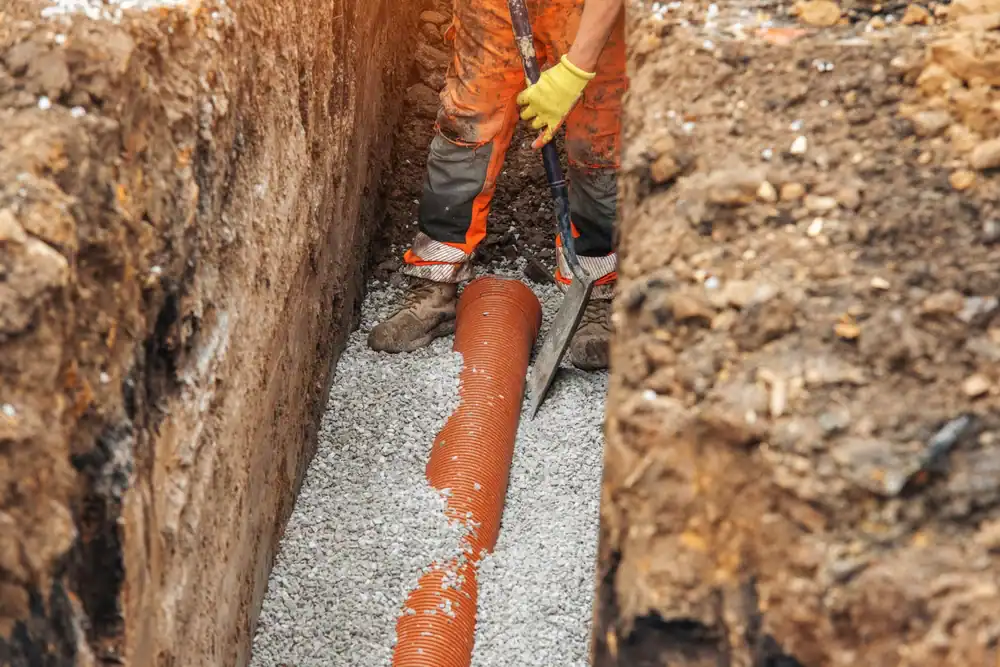
Hear from Our Customers
You notice water pooling near your cesspool. Your drains are slow. There’s an odor you can’t ignore.
These aren’t minor inconveniences. They’re signs your sewer line to cesspool connection is compromised, and waiting only makes the damage worse.
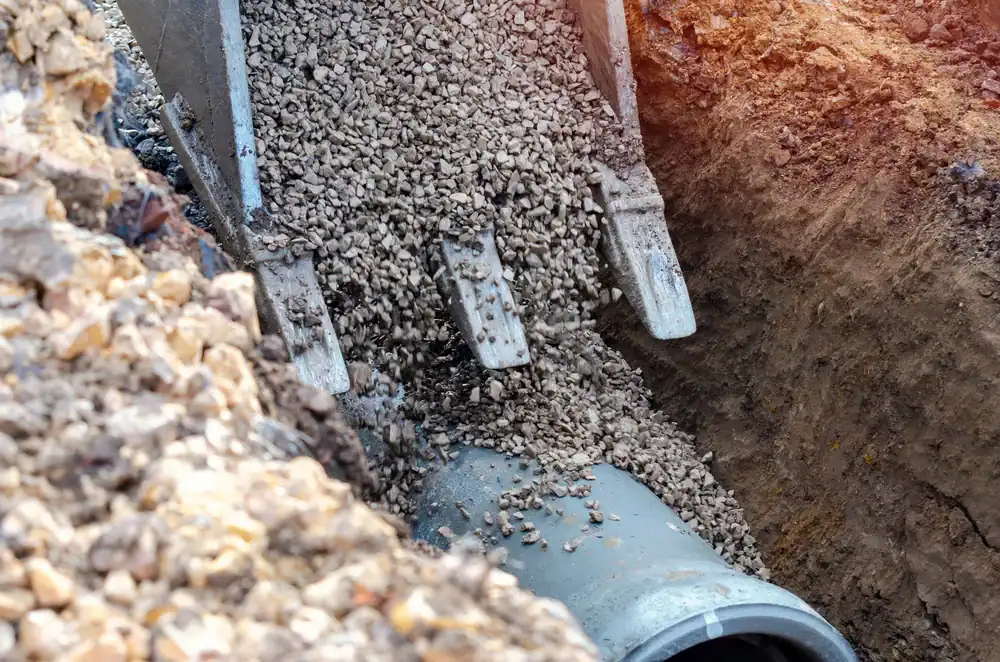
Line changes mean excavating the failed section, replacing broken pipe lines, and restoring proper pitch and slope so waste flows the way it should. When the work’s done right, your system drains completely. No standing water. No backups into your home. No expensive emergency calls at midnight.
You’re protecting a significant investment. Homes in Shinnecock Hills average $1.6 million, and the last thing you need is sewage surfacing in your yard or seeping toward your foundation. Fixing it now prevents the kind of damage that costs five figures to remediate.
We’ve handled cesspool and septic systems across Shinnecock Hills for years. We know the sandy soils here. We know how systems age in this area. We know what fails first and why.
You’re not getting a generic crew that treats every property the same. You’re getting technicians who’ve worked on homes like yours, who understand the local water table, and who can navigate Suffolk County regulations without slowing your project down.
We’re licensed, insured, and available when you need us. That includes emergencies, because pipe failure doesn’t wait for business hours.
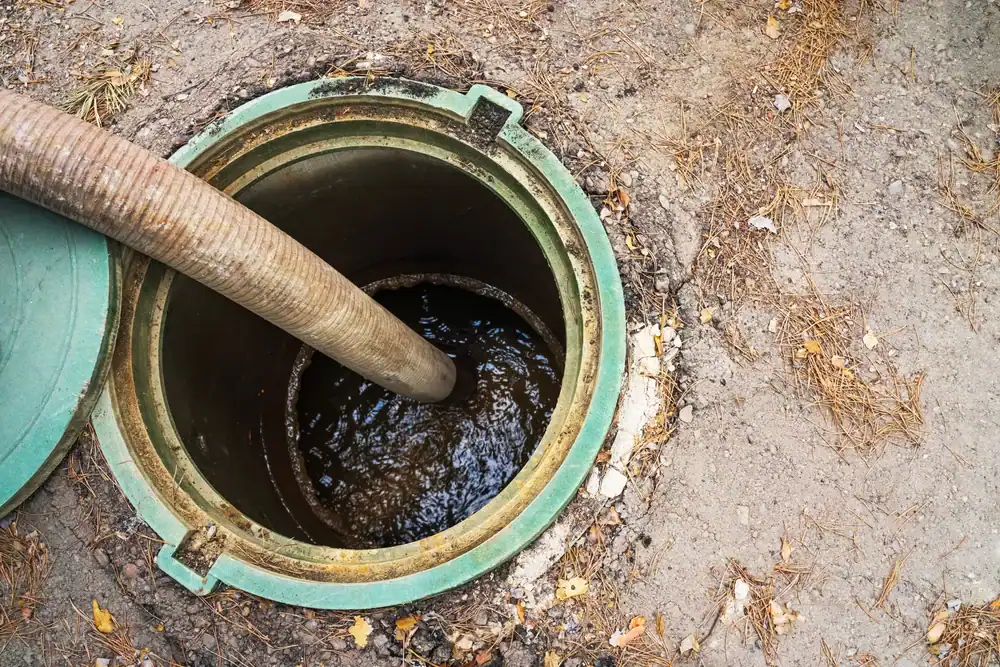
First, we assess the damage. That means locating the break, checking the pipe pitch and slope, and determining how much of the line needs replacement. Sometimes it’s a small section. Sometimes the whole run from your house to the cesspool is compromised.
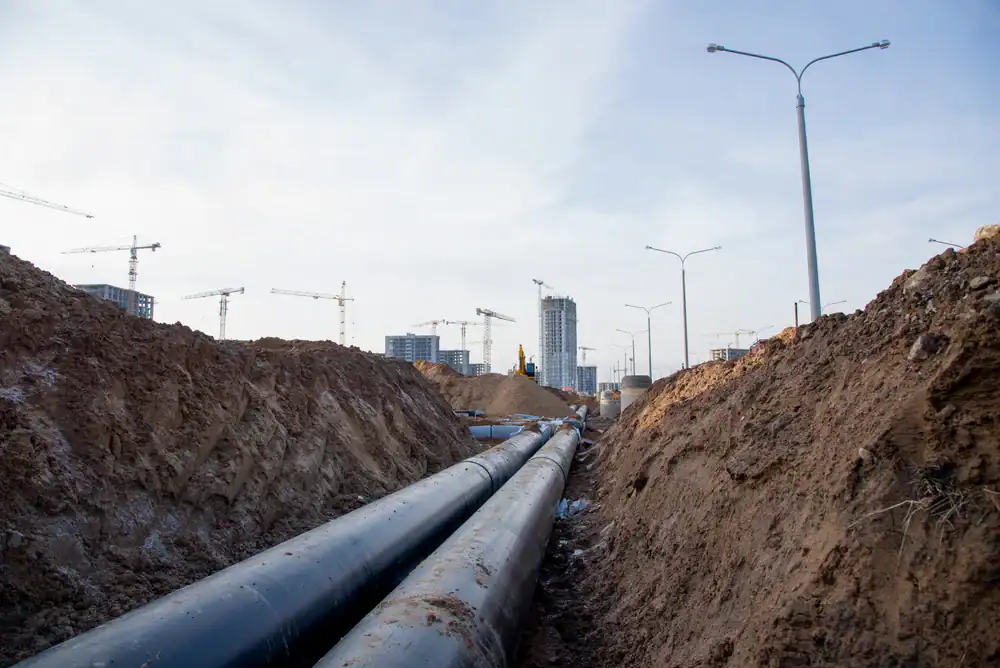
Next comes trenching and excavation. We dig carefully to expose the failed pipe without damaging your landscaping more than necessary. Our equipment is sized for residential properties, not commercial sites, so we’re not tearing up half your yard to access a 10-foot section of pipe.
We remove the old line and install new piping at the correct slope. Waste needs gravity to move, and if the pitch is off even slightly, you’ll have slow drainage and buildup. We make sure everything flows.
Then we backfill, compact, and restore the surface. You’ll see where we dug, but we’re not leaving craters or piles of dirt. The goal is to get your system working and your property back to normal as quickly as possible.
Ready to get started?
Line changes aren’t just about pulling out a broken pipe and dropping in a new one. You’re getting a full evaluation of why the failure happened and what else might be at risk.
We inspect the connection points, check for root intrusion, and verify that your cesspool itself isn’t contributing to the problem. If your tank is full or failing, replacing the line won’t solve anything. You need to know the full picture before we start digging.
In Shinnecock Hills, soil conditions play a role. Sandy soils drain well, but they also shift. Pipes settle. Joints separate. We account for that when we install the new line, using materials and methods that hold up in this specific environment.
You also get compliance with Suffolk County requirements. That means proper permits, proper disposal of waste, and work that won’t come back to haunt you during a property inspection or sale. We handle the regulatory side so you don’t have to.
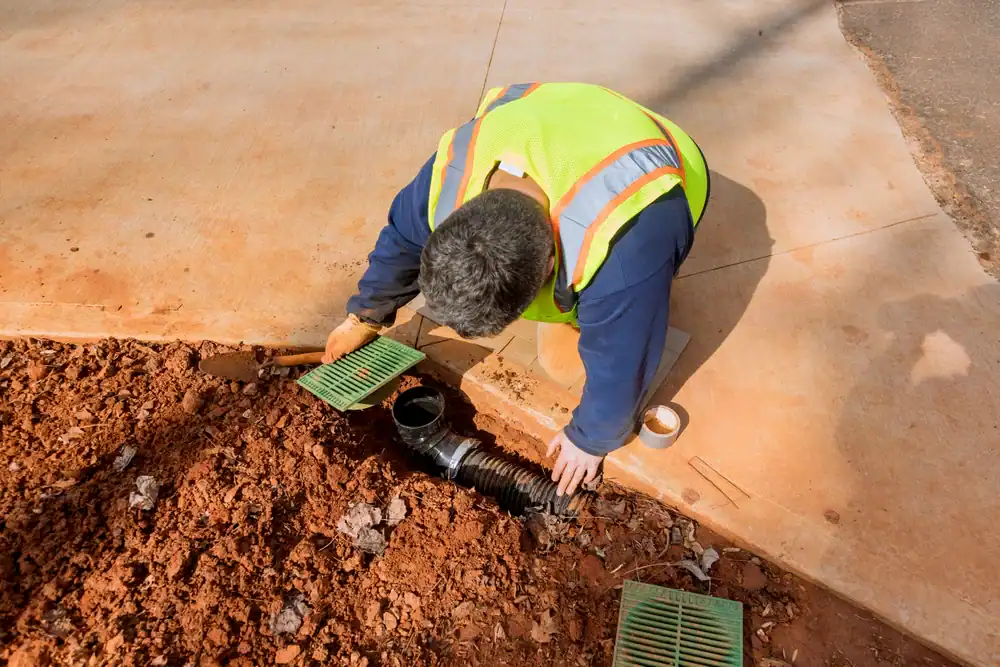
If your pipe has a small crack or a single joint has separated, a repair might be enough. But if the line is old, corroded, or failing in multiple spots, replacing the section makes more sense than patching it repeatedly.
Age is a factor. Older cast iron or clay pipes deteriorate over time, especially in areas with shifting soil. If your system is 30+ years old and you’re having recurring issues, the pipe material itself is likely the problem.
We’ll assess the condition during the inspection and give you an honest recommendation. If a repair will hold, we’ll tell you. If you’re looking at another failure in six months, replacement is the smarter move. You shouldn’t have to pay for the same fix twice.
Root intrusion is common. Tree roots seek out moisture, and even a small crack in your sewer line is an invitation. Once roots get in, they expand, block flow, and eventually break the pipe apart.
Ground movement is another culprit. Soil settles, freezes, and shifts with water table changes. Pipes that were installed level 20 years ago might now have low spots where waste collects and pressure builds.
Corrosion happens with older materials. Cast iron rusts through. Clay pipes crack. Even some early PVC installations used fittings that weren’t rated for long-term underground use. If your system predates modern standards, failure is a matter of when, not if.
Most residential line changes take one to two days, depending on the length of pipe being replaced and site conditions. If we’re replacing 20 feet of line with clear access, that’s a one-day job. If we’re running 50 feet through landscaped areas or dealing with obstacles, it takes longer.
Weather affects timing. Heavy rain turns excavation into a mud pit, and we’re not doing you any favors by rushing through a job in poor conditions. Dry weather means faster, cleaner work.
Permitting can add time on the front end. Suffolk County requires permits for certain types of work, and we won’t start until everything is approved. That’s not us being slow—that’s us keeping your project legal and protecting you from fines or complications down the road.
We’ll disturb the area where we need to dig—there’s no way around that. But we’re not careless. We mark utilities, plan the trench route to avoid mature plantings where possible, and use equipment that’s appropriate for residential properties.
Grass and small plants grow back. If we’re cutting through a lawn, you’ll see the trench line for a while, but it fills in. Larger landscaping features like stone walls, patios, or established gardens require more care, and we’ll discuss access routes before we start.
We also remove excavated soil and debris. You’re not stuck with a pile of dirt in your driveway for weeks. We haul away what doesn’t go back in the trench, and we grade the surface so you’re not left with a ditch running through your yard.
Cost depends on the length of pipe, depth of the line, and site access. A straightforward 20-foot replacement might run a few thousand dollars. A longer run with difficult access, ledge rock, or complications can cost significantly more.
Emergency work costs more than scheduled work. If your line fails on a Saturday night and you need it fixed immediately, you’re paying for after-hours service. If you’re noticing early warning signs and can schedule the work during the week, you’ll save money.
We give upfront pricing after we assess the site. You’ll know what the job costs before we start digging. No surprises, no padding the bill once we’re halfway through. If we find something unexpected underground, we stop and discuss it before proceeding.
Not while we’re actively working on the line. If we’ve excavated and disconnected the pipe, anything you send down the drain has nowhere to go. That means no showers, no laundry, no dishwasher, and limited toilet use during the work.
For a one-day job, most families can manage. You plan around it—shower before we start, avoid heavy water use, and wait until we’re done and the line is reconnected. If the job runs longer, we’ll discuss options like temporary connections or scheduling work in phases.
Once the new line is in and tested, you’re back to normal. No restrictions, no limitations. The system works the way it should, and you can use your plumbing without worrying about backups or slow drainage.
Other Services we provide in Shinnecock Hills