
Hear from Our Customers
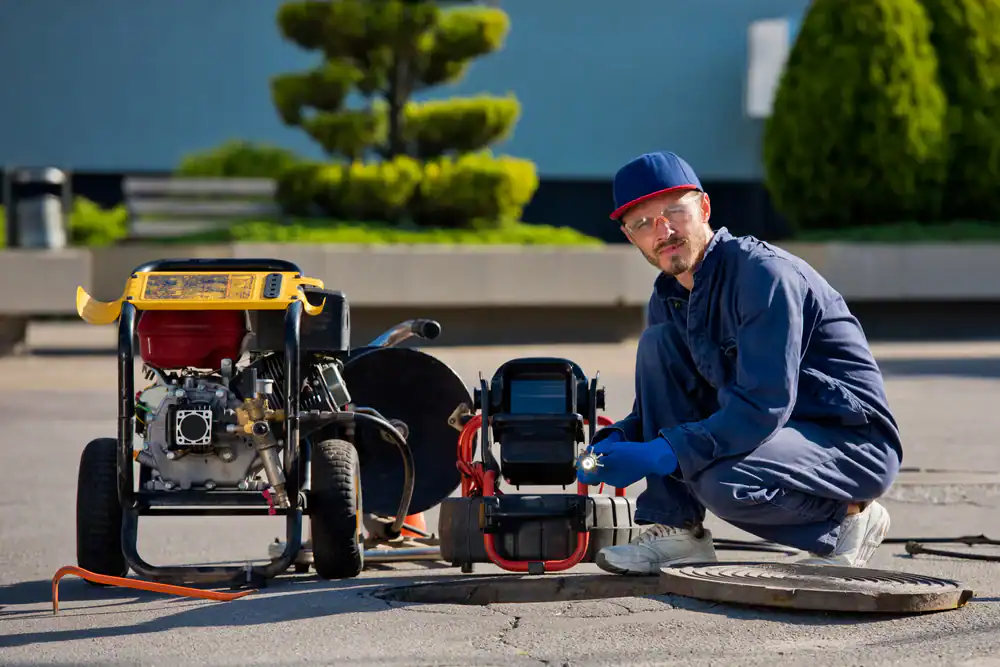
You shouldn’t have to pay someone to dig holes hoping they find the problem. Camera inspections give you real-time clog detection and a complete view of what’s happening inside your sewer lines before any excavation starts.
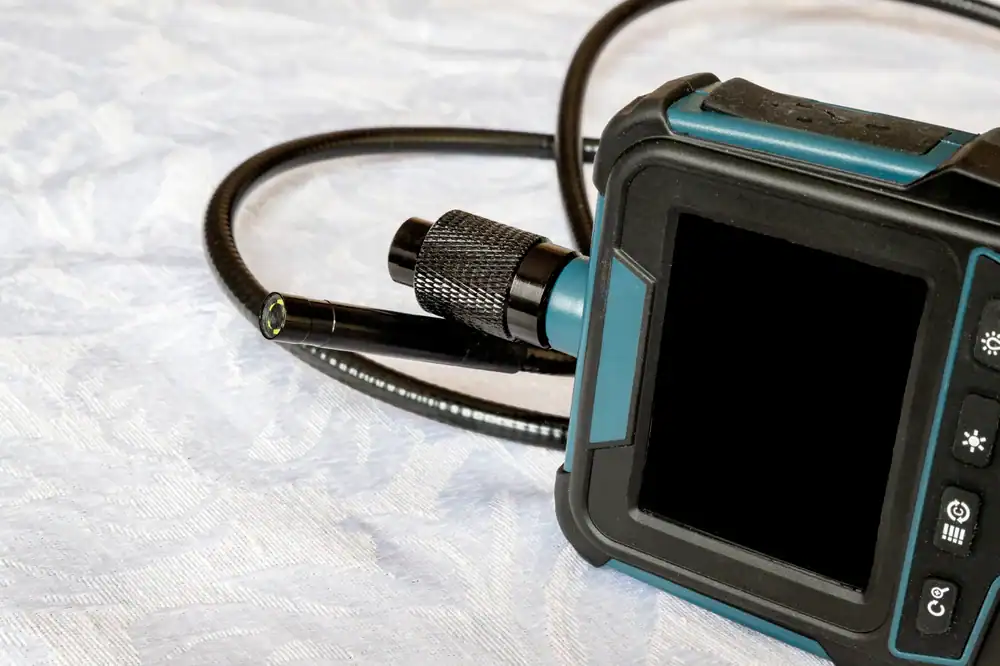
We send a high-definition camera through your pipes and show you exactly what we’re looking at. Roots growing through joints. Cracks letting groundwater seep in. Sections that are about to fail. You see what we see, and you make decisions based on actual footage instead of estimates and assumptions.
This matters in Wainscott because your property is worth protecting. Replacing a sewer line costs between $8,000 and $25,000. A camera inspection costs a fraction of that and tells you whether you need a full replacement, a targeted repair, or just routine maintenance. The difference between those three options is significant, and you deserve to know which one applies to your situation before work begins.
We’ve handled cesspool and septic work throughout Wainscott and the surrounding Hamptons area long enough to understand what matters here. Properties sit empty for months, then get heavy use during summer. Landscaping is expensive and shouldn’t be torn up unnecessarily. Environmental regulations are strict, especially near water sources.
We’re not the cheapest option, and that’s intentional. You’re paying for equipment that actually works, technicians who know how to use it, and service that solves problems instead of creating new ones. We handle the permits and paperwork required in Wainscott, dispose of waste at approved facilities, and work efficiently without damaging your property more than necessary.
This is our community too. We take that responsibility seriously.
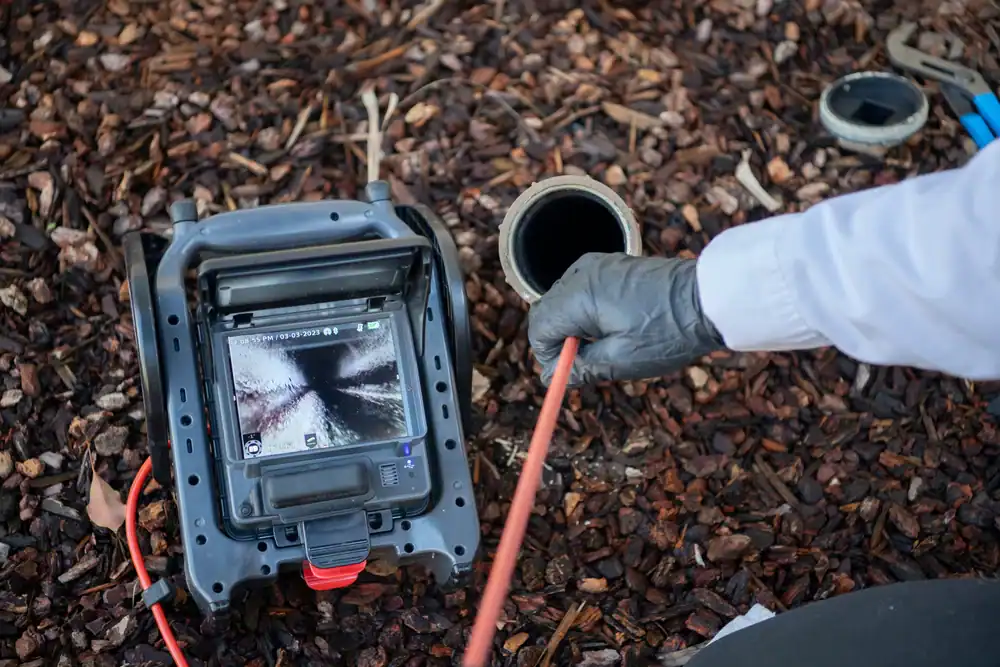
We start by locating your cleanout access point. That’s where the camera enters your sewer line. The camera is attached to a flexible cable that we feed through your pipes, and it sends back live footage to a monitor we can both watch.
As the camera moves through your system, we’re looking at pipe condition assessment in real time. Cracks, offsets, root intrusion, grease buildup, bellied sections where water pools—anything that’s causing problems or will cause problems soon shows up on screen. The camera works in pipes from 2 inches to 36 inches in diameter, so we can inspect your entire system.
We’re also using locating equipment that tracks the camera’s position underground. When we find a problem, we mark the exact GPS coordinates. That means if you need a repair, we know precisely where to dig instead of excavating your entire yard looking for the damaged section.
You get a written report with digital footage and a map showing where issues are located. That documentation is useful for insurance purposes, property records, and planning repairs. If your property is seasonal and you’re not here year-round, you have proof of your system’s condition and a clear maintenance plan.
Ready to get started?
Every inspection includes the camera run, live footage review, written report with findings, and GPS mapping of any problem areas. You’re not just getting a video—you’re getting documentation you can use to make informed decisions about your property.
In Wainscott, that documentation matters more than in most places. Property values here are significant, and buyers want to know systems are maintained. A camera inspection report shows you’ve been proactive about maintenance, which protects your investment and gives potential buyers confidence if you ever sell.
We also see patterns specific to this area. Seasonal properties that sit unused for months sometimes develop issues that don’t show up until peak usage. Tree roots are aggressive near the coast and can completely block a main line 40 feet underground. Older cesspools weren’t built to handle modern water usage. A camera inspection catches these problems early, when they’re cheaper and easier to fix.
The environmental piece is important too. Suffolk County has strict regulations about groundwater contamination, and for good reason. A failing cesspool can leak into the soil and affect water quality. Locating underground pipe leaks before they become environmental problems protects the area we all live in.
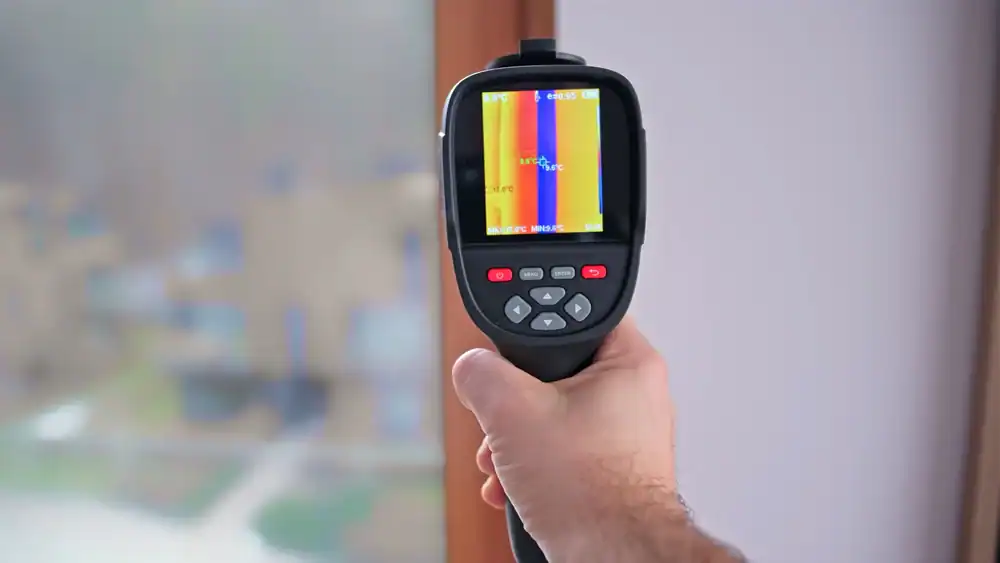
A camera inspection typically costs a few hundred dollars and takes a couple of hours. Digging up your yard to find a problem costs significantly more—often thousands—because you’re paying for excavation, landscape restoration, and the time it takes to locate the issue by trial and error.
Here’s a real example: tree roots blocking a main sewer line 40 feet from your house. Without a camera, a crew might dig in three or four different spots trying to find where the blockage is. With a camera, we know exactly where the roots are before anyone picks up a shovel. That turns a potential $15,000 emergency into a $2,500 planned repair.
The inspection pays for itself if it prevents even one unnecessary dig. And in Wainscott, where landscaping and hardscaping are expensive to repair, that matters even more.
Yes, and that’s one of the main reasons to schedule one. Most people call for an inspection after they’ve had a backup or slow drain. But a camera can catch problems in early stages, before they turn into emergencies.
Root intrusion starts small. A tiny crack lets roots in, and they grow slowly over time until they completely block the pipe. Pipe condition assessment shows us those early warning signs—small roots, minor cracks, sections starting to sag—so you can address them before they fail completely.
For seasonal properties in Wainscott, this is especially useful. You don’t want to arrive for the summer and find out your sewer line collapsed while you were gone. A camera inspection before the season starts gives you peace of mind that your system will handle the increased usage when family and guests arrive.
You get a clear explanation of what’s wrong, where it’s located, and what your options are for fixing it. Not every problem requires a full sewer line replacement. Some issues can be handled with targeted repairs, hydro jetting to clear roots, or relining sections of pipe.
The digital footage and reporting we provide shows you exactly what we found. You’re not taking our word for it—you’re looking at the same footage we are. That transparency helps you make decisions based on facts instead of fear.
If you do need excavation, the GPS coordinates from the camera inspection mean we dig in the right spot the first time. We’re not guessing. We’re not tearing up your driveway, sprinkler system, or landscaping unnecessarily. We go straight to the problem, fix it, and minimize disruption to your property.
It depends on your property’s age, usage patterns, and history. If you’ve never had one done and your home is more than 20 years old, it’s worth scheduling. If you’ve had recurring backups or slow drains, a camera inspection shows you why instead of just treating symptoms.
For seasonal properties in Wainscott, an inspection every few years makes sense. Systems that sit unused for months can develop problems that don’t show up until you’re using the property heavily. An inspection before peak season catches issues early.
If you’re buying or selling property, a camera inspection is smart. Buyers want to know what they’re getting into, and sellers benefit from documentation showing the system is in good condition. It removes uncertainty from the transaction and protects everyone involved.
No. Camera inspections are completely non-invasive. The camera travels through your existing pipes using the cleanout access point that’s already part of your system. We’re not cutting into pipes, digging up your yard, or dismantling anything.
That’s the entire point of using a camera—to see what’s happening underground without excavation. The camera is designed to navigate bends, joints, and varying pipe sizes without causing damage. It’s a diagnostic tool, not a repair tool.
The only time we disturb your property is if the inspection reveals a problem that requires repair, and even then, we know exactly where to dig because of the GPS mapping. You avoid the scenario where a crew shows up and starts digging holes hoping to find the issue. The camera eliminates guesswork, which means less disruption to your landscaping, driveway, and property overall.
Yes. Older properties with cesspools can absolutely be inspected with camera technology. In fact, older systems often benefit the most from inspections because they weren’t built to handle modern water usage and may have deteriorated over time.
Many older cesspools in Wainscott are made from materials that break down—concrete that cracks, clay pipes that roots penetrate, metal that corrodes. A camera inspection shows you the current condition of your system so you can plan maintenance or upgrades before you’re forced into an emergency situation.
We’ve inspected cesspool systems throughout the Hamptons area for years. We understand the unique challenges of older properties here—seasonal use patterns, proximity to water sources, local soil conditions, and environmental regulations. The inspection gives you a clear picture of what you’re working with and what steps make sense for your specific property.
Other Services we provide in Wainscott