
Hear from Our Customers
When your main waste line fails, everything in your home backs up. Toilets won’t flush. Sinks drain slow or not at all. You might see sewage surfacing in your yard or smell it before you see it.
Line changes fix the root problem. We replace damaged pipes, correct pitch and slope issues, and reconnect your sewer line to your cesspool properly. That means waste flows the way it should, your drains work, and you’re not dealing with emergency backups during a holiday weekend.
Wainscott’s clay soil makes this work more complicated than most places. Clay holds moisture and drains slowly, which means improper pipe slope or damaged connections cause problems faster here than in other areas. Getting the pitch right matters. Getting the excavation done without tearing up more of your property than necessary matters too.
We’ve been handling cesspool and septic work across Long Island for nearly two decades. We’re a family-owned operation spanning four generations, and we’ve seen just about every waste line issue a Wainscott property can throw at us.
We’re not the cheapest option in town, and that’s intentional. You’re paying for proper equipment, experienced technicians, and service that actually solves your problems instead of creating new ones. We handle permits, we dispose of waste at approved facilities, and we know the local regulations that apply to your property.
Wainscott properties have unique challenges. High water tables, clay soil, proximity to environmentally sensitive areas—these aren’t things you want a rookie handling. We’ve worked in this area long enough to know what works and what doesn’t.
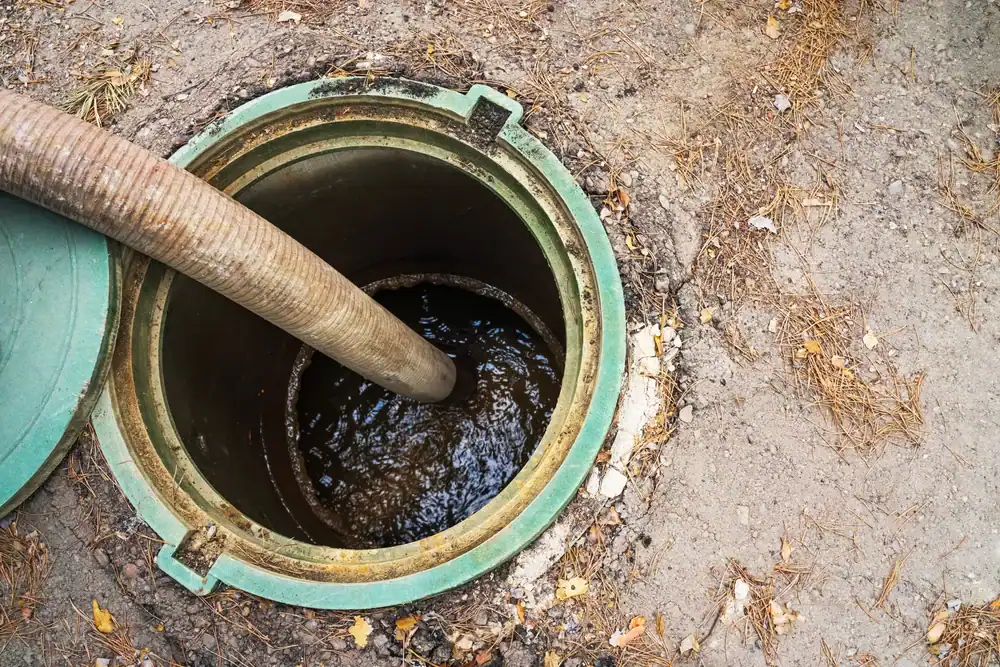
We start by locating and accessing your septic tank. Then we inspect your system to check for other issues before we start digging. You don’t want to replace a waste line only to find out your cesspool is failing too.
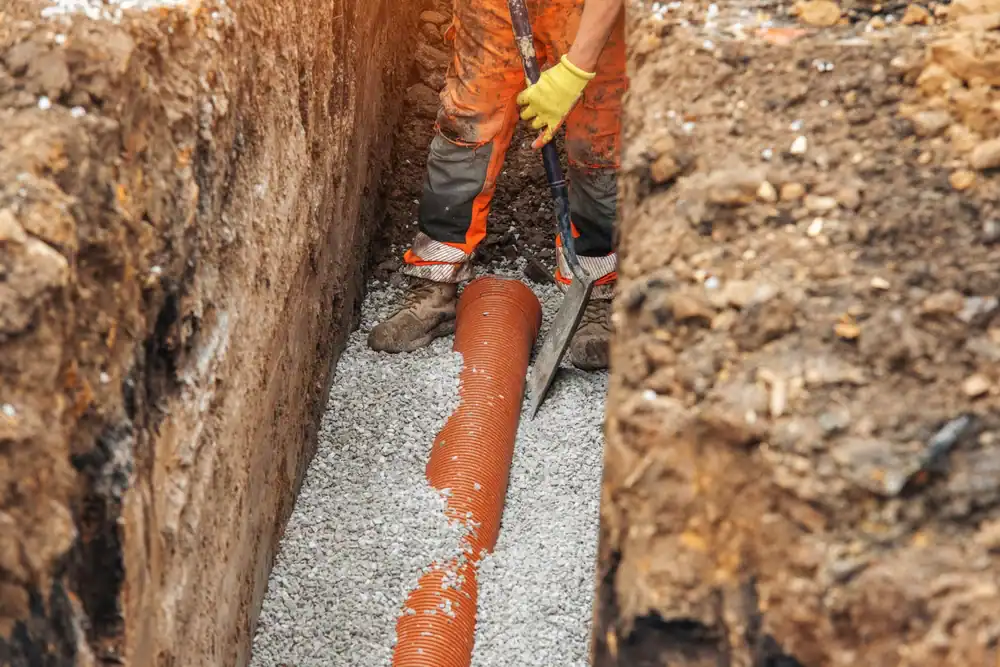
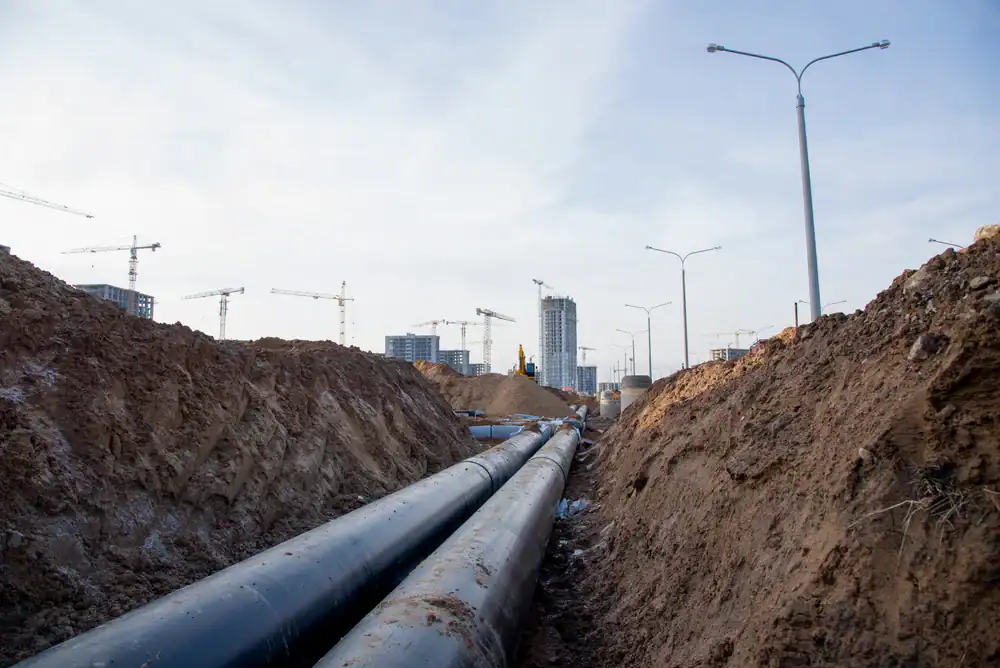
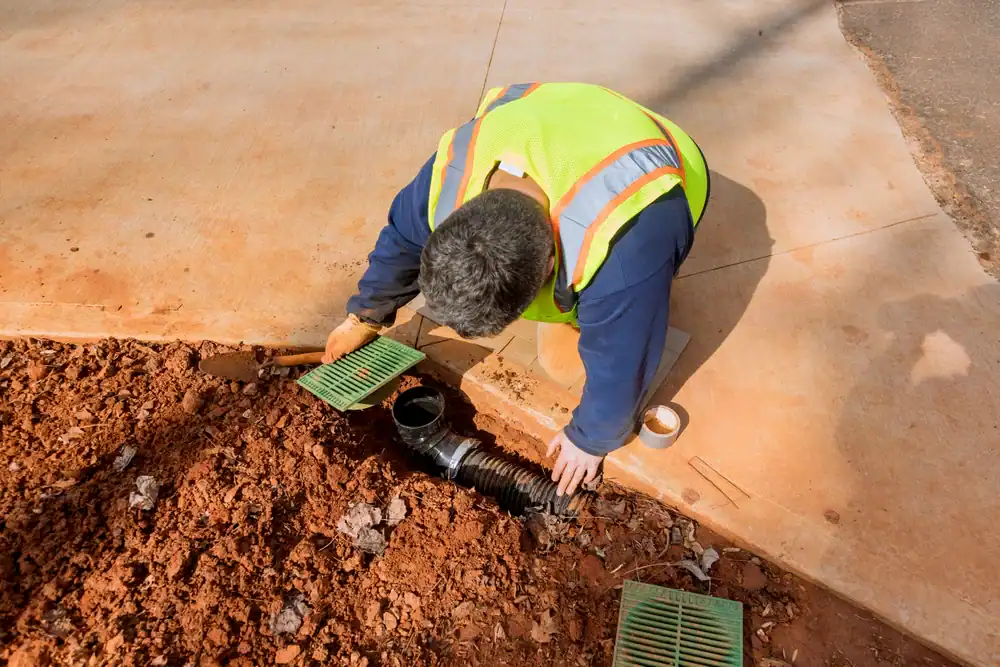
Next comes trenching and excavation. We dig carefully to expose the damaged section of pipe while minimizing disruption to your landscaping. Clay soil requires different excavation techniques than sandy soil, and we adjust our approach based on what we’re working with on your property.
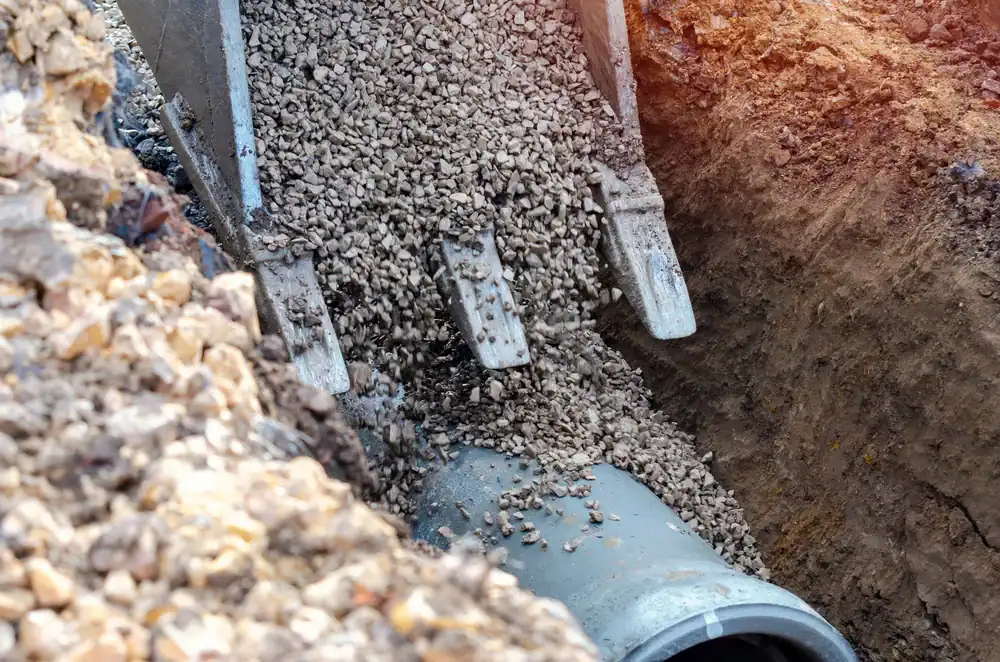
Once the trench is open, we remove the old pipe and install new lines with proper pitch and slope. Waste needs gravity to flow, and even a small error in slope causes problems down the road. We make sure the connection between your home’s waste line and your cesspool is secure and properly sealed.
After the new line is in place, we backfill the trench, compact the soil, and restore your yard as close to its original condition as possible. We also handle any required permits or inspections with Suffolk County.
Ready to get started?
Line changes aren’t just about swapping out old pipe. The work includes proper trenching and excavation, pipe pitch and slope correction, secure connections to your cesspool, and backfilling with compaction to prevent settling.
In Wainscott, we’re also dealing with local environmental regulations. Suffolk County requires registration for any cesspool or septic system replacement work as of 2019. We handle that paperwork. We also make sure setback requirements are met—100 feet from water wells, 20 feet from property lines.
Clay soil adds another layer of complexity. If your property has heavy clay content, we may need to adjust excavation methods or add drainage considerations. High water tables mean less soil depth for filtration, which makes proper pipe installation even more critical for protecting groundwater.
You’ll also get a full system assessment before we start. If we spot other issues—like a failing cesspool or damaged tank—we’ll let you know before we dig. Fixing a waste line won’t help if your cesspool is already shot.
Frequent backups are the biggest sign. If your toilets back up regularly, your drains are slow throughout the house, or you’re calling for service every few months, your waste line probably has a problem.
You might also notice sewage odors in your yard or wet spots where waste is surfacing. That happens when pipes crack, collapse, or lose their proper slope. Waste can’t flow to your cesspool, so it backs up into your home or leaks into the surrounding soil.
Tree roots are another common culprit. Roots grow into pipes through small cracks, then expand and block the line completely. If you have mature trees near your waste line, root intrusion is worth investigating. Sometimes a camera inspection can confirm the problem before you commit to a full line replacement.
Pipe pitch refers to the angle at which your waste line slopes from your house to your cesspool. Waste needs gravity to flow, so the pipe has to be angled correctly—not too steep, not too flat.
If the slope is too flat, waste moves slowly and solids settle in the pipe. That causes clogs. If the slope is too steep, liquids flow faster than solids, which also leads to blockages. The standard is about a quarter-inch of drop per foot of pipe, but soil conditions and property layout can affect that.
In Wainscott, clay soil makes slope even more important. Clay doesn’t drain well, so any waste that leaks from a poorly installed line sits in the soil longer and causes bigger problems. Getting the pitch right the first time prevents backups, extends the life of your system, and protects your property from contamination.
Most line changes take one to three days depending on the length of pipe being replaced, soil conditions, and access to your cesspool. Straightforward jobs with good access and sandy soil go faster. Clay soil, tight spaces, or long runs of pipe take more time.
Trenching and excavation are the most time-consuming parts. We’re digging carefully to avoid damaging utilities, landscaping, or other parts of your property. Once the trench is open, installing new pipe and making connections usually goes quickly.
Weather can also affect timing. Heavy rain turns clay soil into a muddy mess that’s difficult to work with and doesn’t compact properly after backfilling. We’d rather wait a day for better conditions than rush a job and leave you with settling or drainage problems later.
Some disruption is unavoidable—we have to dig to reach your waste line. But experienced crews know how to minimize damage. We mark the trench path carefully, remove sod in sections that can be replaced, and avoid digging wider than necessary.
After the new line is installed and the trench is backfilled, we replace the sod and grade the area to match the surrounding yard. You’ll see where we worked for a while, but grass grows back and the area settles over time.
If your waste line runs under hardscaping like driveways or patios, that’s more complicated. Sometimes we can use trenchless methods to avoid tearing up concrete or pavers. Other times, removal and replacement are necessary. We’ll walk you through options before we start so you know what to expect.
Cost depends on how much pipe needs replacing, soil conditions, access to your cesspool, and whether permits or inspections are required. A short run of pipe with easy access costs less than a long run through clay soil with landscaping obstacles.
Emergency line changes cost more than scheduled work. If you’re calling on a weekend or holiday because your system just failed, you’ll pay premium rates. That’s why catching problems early saves money. A few hundred dollars in routine maintenance beats thousands in emergency repairs.
Financing the work upfront also beats the hidden costs of delaying. Sewage backups can make your home uninhabitable, damage flooring and furniture, and require professional cleaning. Contaminated groundwater affects your neighbors and the local environment. Fixing the problem correctly the first time is cheaper than dealing with those consequences.
Yes. Suffolk County requires registration for any cesspool or septic system work, including waste line replacement. That regulation went into effect in 2019 as part of the county’s effort to protect Long Island’s sole-source aquifer.
We handle permit applications and inspections as part of the service. You don’t need to deal with the paperwork or schedule inspections yourself. We know what the county requires, and we make sure the work meets code before we call for inspection.
Setback requirements also apply. Your waste line and cesspool need to be at least 100 feet from any water well and 20 feet from property lines. If your property is near environmentally sensitive areas, additional restrictions may apply. We check all of that before we start digging so you don’t run into compliance issues later.
Other Services we provide in Wainscott