
Hear from Our Customers
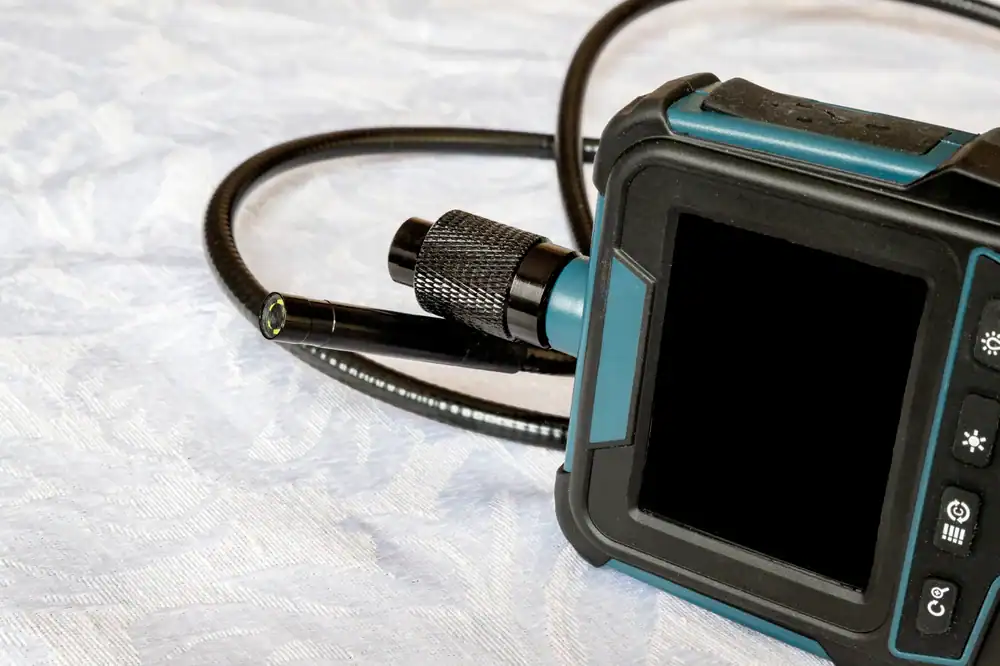
You don’t need to wonder if there’s a problem brewing underground. A sewer line video inspection shows you exactly what’s going on inside your pipes, in real time, with footage you can actually see and understand.
Most cesspool and sewer issues don’t announce themselves until they’ve already caused damage. By then, you’re looking at emergency repairs, excavation, and costs that could’ve been avoided. Camera inspections catch root intrusions, cracks, blockages, and deterioration early, when fixing them is still straightforward.
You get a full report with digital footage and still images showing the condition of your system. No digging required to figure out what’s wrong or where the problem is. If something needs attention, you’ll know exactly what it is, where it’s located, and what it’ll take to fix it.
We’ve been handling cesspool and septic systems in Water Mill for over a decade. We’re a family-owned business, four generations deep, and we’ve seen just about every issue that can happen with Long Island’s sandy soil and high water tables.
We know how systems behave here. We understand seasonal properties that sit empty for months and then get heavy use in summer. We’ve worked on everything from modest homes to multimillion-dollar estates, and our approach is always the same: show you what’s actually happening, explain what it means, and give you options.
Licensed, insured, and available 24/7 when you need us. We’re not the biggest operation out there, but we’re the one that’ll pick up the phone and give you straight answers.
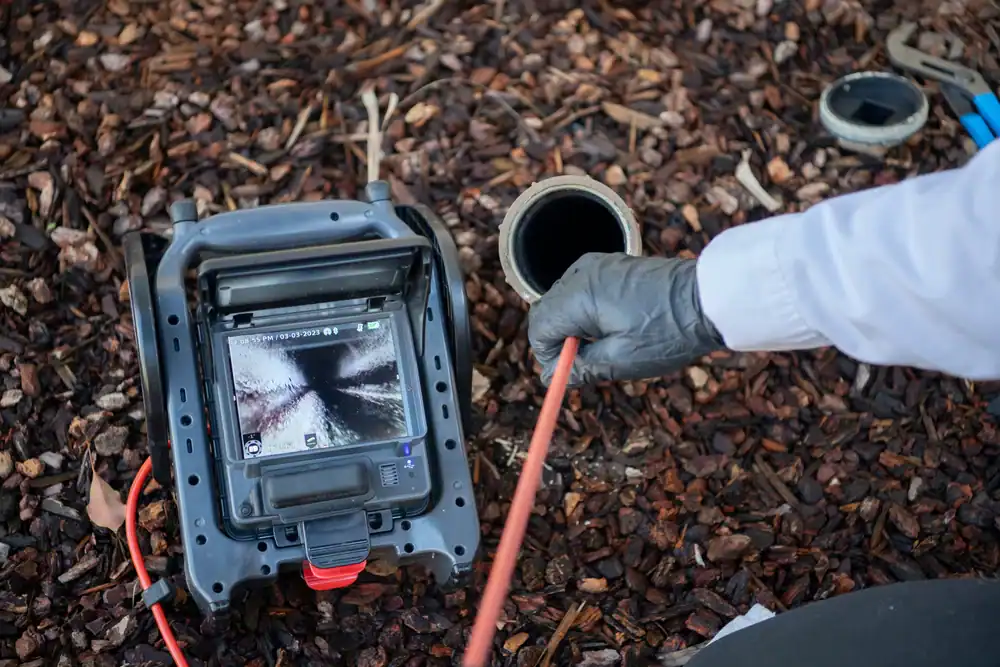
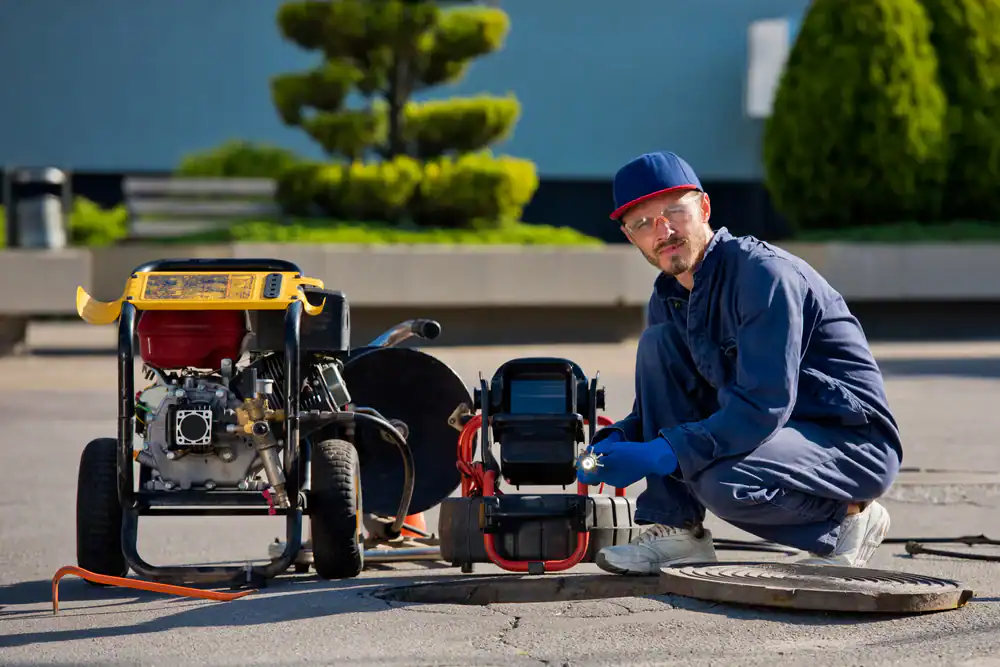
We start by accessing your system through an existing cleanout or entry point. No excavation needed at this stage. A high-definition camera mounted on a flexible cable gets fed into your pipes, and we watch the footage in real time as it moves through your system.
The camera can extend up to 300 feet, covering your entire private sewer line from your home to the municipal connection or your cesspool. We’re looking for cracks, blockages, root intrusions, corrosion, and any structural issues that could cause problems. The camera records everything, and we can pause or review sections as needed.
Once the inspection is complete, you get a detailed report with video footage, still images, and GPS coordinates showing exactly where any issues are located. If we find something that needs attention, we’ll explain what it is, why it matters, and what your options are for addressing it. If everything looks good, you’ll have documentation proving your system is in solid shape.
Ready to get started?
You’re not just getting someone to run a camera through your pipes and call it a day. You get a comprehensive assessment of your entire system with documentation you can use for insurance, property records, or future reference.
The inspection covers locating underground pipe leaks, identifying blockages before they cause backups, assessing structural integrity, and spotting root intrusions that are common in Water Mill’s tree-lined properties. We check for corrosion, cracks, and any signs of deterioration that could lead to failure.
Water Mill properties often have unique challenges. Seasonal usage patterns can throw off system balance. Proximity to Mecox Bay means high water tables in some areas. Older properties might have outdated systems that need evaluation. We’ve handled all of it, and our inspection process accounts for these local factors.
You’ll receive digital footage showing the interior condition of your pipes, still images highlighting any problem areas, written explanations of what we found, and GPS mapping showing exact locations and depths of any issues. If repairs are needed, this documentation tells contractors exactly where to work, which saves time and money.
A camera inspection typically runs between $200 and $400 depending on the scope and length of pipe being inspected. That’s a fraction of what you’d pay for emergency repairs if a problem goes undetected.
Repairing a damaged sewer pipe can cost up to $300 per linear foot. Replacing an entire sewer line ranges from $2,500 to $30,000 or more depending on length and access. Emergency cesspool repairs usually start around $3,000 and climb quickly if there’s property damage involved.
The inspection pays for itself if it catches even one issue early. You’re either confirming everything is fine, which gives you peace of mind, or you’re finding problems while they’re still manageable and less expensive to fix. Either way, you’re making a decision based on actual information instead of guessing.
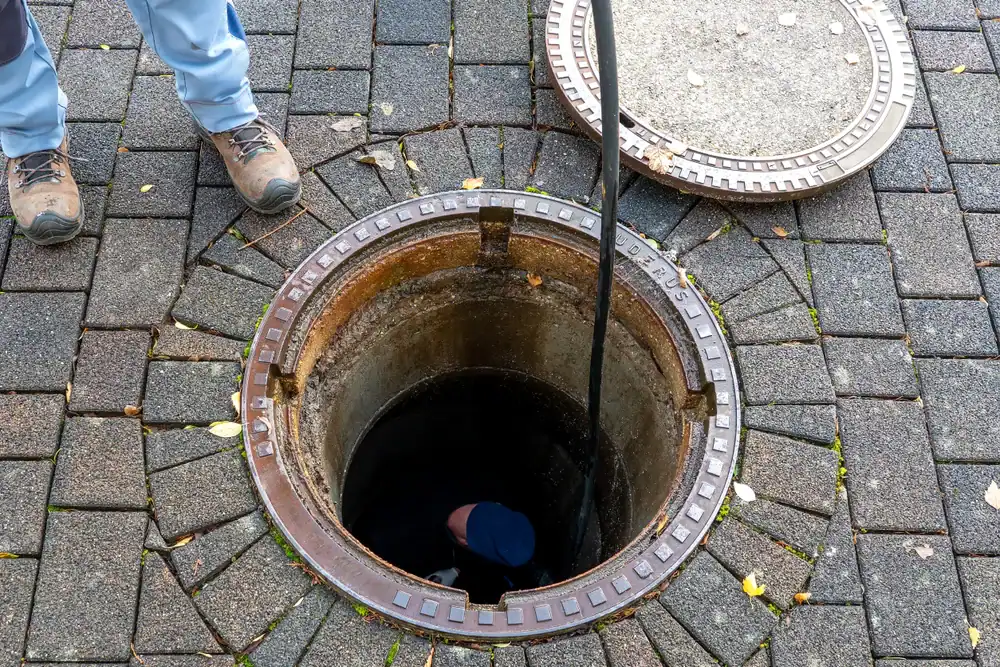
No. Camera inspections are non-invasive. We access your system through existing cleanouts, access ports, or entry points that are already part of your plumbing system.
The camera feeds through your pipes from these access points, so there’s no need to excavate just to see what’s going on. That’s actually one of the main advantages of video inspection – it eliminates the guesswork that used to require digging exploratory holes.
If the inspection reveals a problem that needs repair, then excavation might be necessary for that repair work. But at least you’ll know exactly where to dig instead of tearing up your property trying to find the issue. The camera gives us precise GPS coordinates and depth measurements, so any excavation that’s needed is targeted and minimal.
Most residential camera inspections take between one and two hours depending on the length of your sewer line and what we find during the inspection.
If your system is straightforward and everything looks good, we can move through it relatively quickly. If we encounter blockages, damage, or areas that need closer examination, it takes longer because we’re pausing to document everything and make sure we’re giving you accurate information.
You’re welcome to watch the footage in real time if you want to see what we’re seeing. Some property owners prefer that because it helps them understand exactly what’s happening in their system. Others just want the final report. Either way, we’re not rushing through it – you’re paying for a thorough assessment, and that’s what you’ll get.
The best time is before you have a problem. If you’re buying a property in Water Mill, get an inspection done before closing. If you own a seasonal home, schedule it before the summer season when usage increases. If your system is over 20 years old and you’ve never had it inspected, now is a good time.
You should also schedule an inspection if you’re experiencing slow drains, gurgling sounds, sewage odors, or wet spots in your yard. These are early warning signs that something’s developing, and catching it early almost always means simpler and less expensive fixes.
For properties with mature trees, periodic inspections every few years make sense because root intrusion is common and progressive. Roots don’t stop growing, and they’re attracted to the moisture in sewer lines. An inspection shows you if roots are becoming a problem before they cause a complete blockage or crack your pipes.
Yes. The camera equipment includes locating technology that pinpoints the exact position and depth of any issues we find. You’ll get GPS coordinates showing where the problem is located on your property.
This precision matters if repairs are needed. Instead of digging up large sections of your yard or driveway trying to find the damaged area, contractors know exactly where to excavate. That means less disruption to your landscaping, lower labor costs, and faster repairs.
The camera also measures distance from the entry point, so we can tell you something like “there’s a crack 47 feet from your foundation at a depth of 4 feet.” That level of detail makes repair planning straightforward and eliminates the trial-and-error approach that used to be standard before video inspection technology.
Yes. You receive a complete report that includes the video footage, still images of any problem areas, written explanations of what we found, and documentation of pipe locations and depths.
This documentation is yours to keep for your records. It’s useful for insurance purposes if you ever need to file a claim related to your sewer or cesspool system. It’s valuable for property records and can be helpful if you decide to sell your home because it shows buyers the condition of the system.
If repairs are recommended, you can share the footage and report with contractors to get accurate estimates. They’ll be able to see exactly what needs to be fixed and where it’s located, which leads to more precise quotes and better planning. The documentation removes ambiguity and gives everyone involved the same clear picture of what’s happening underground.
Other Services we provide in Water Mill