
Hear from Our Customers
You stop worrying about backups during family gatherings. Your drains clear the way they should. You’re not calling emergency plumbers at 11 PM because wastewater is backing up into your home.
Most line failures don’t announce themselves until it’s too late. A slow drain becomes a full backup. A small crack becomes a flooded basement. If your Water Mill home was built in the 1980s or 1990s, your main waste line is already aging—and the longer you wait, the more expensive the fix becomes.
When we replace your line, we’re correcting pipe pitch and slope issues that caused the problem in the first place. That means proper drainage from day one. No standing water in your pipes. No future clogs from poor installation. Just a system that moves waste the way it’s supposed to.
We’ve been handling line changes across Long Island for nearly two decades. We’re a four-generation family business, which means we’ve been doing this long enough to know what works and what doesn’t.
Water Mill properties come with specific challenges. Many homes here are seasonal, which means systems sit unused for months and then get hit hard during summer. We’ve seen what happens when a cesspool connection fails right before guests arrive. We’ve dug through every soil type Suffolk County has to offer.
You’re not getting a national franchise or a crew that’s never worked in your neighborhood. You’re getting people who’ve been serving this area since before most of the competition existed—and we’re available 24/7 when things go wrong.
First, we inspect your existing line with a camera to see what we’re actually dealing with. No guessing. We locate the failure point, check for root intrusion, and measure the current pitch and slope. You get a clear explanation of what’s broken and what it’ll take to fix it.
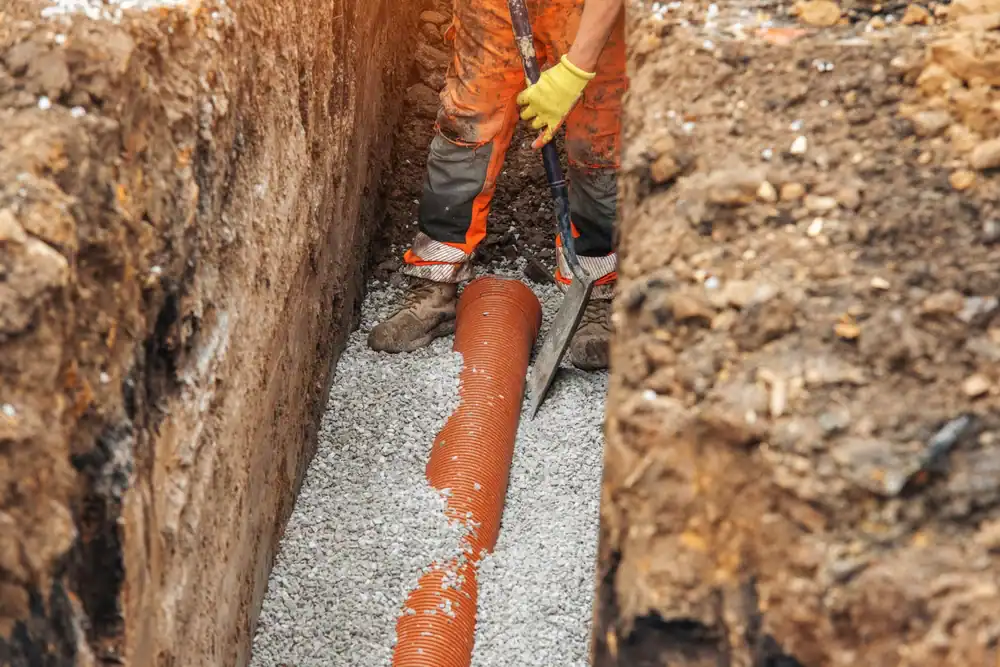
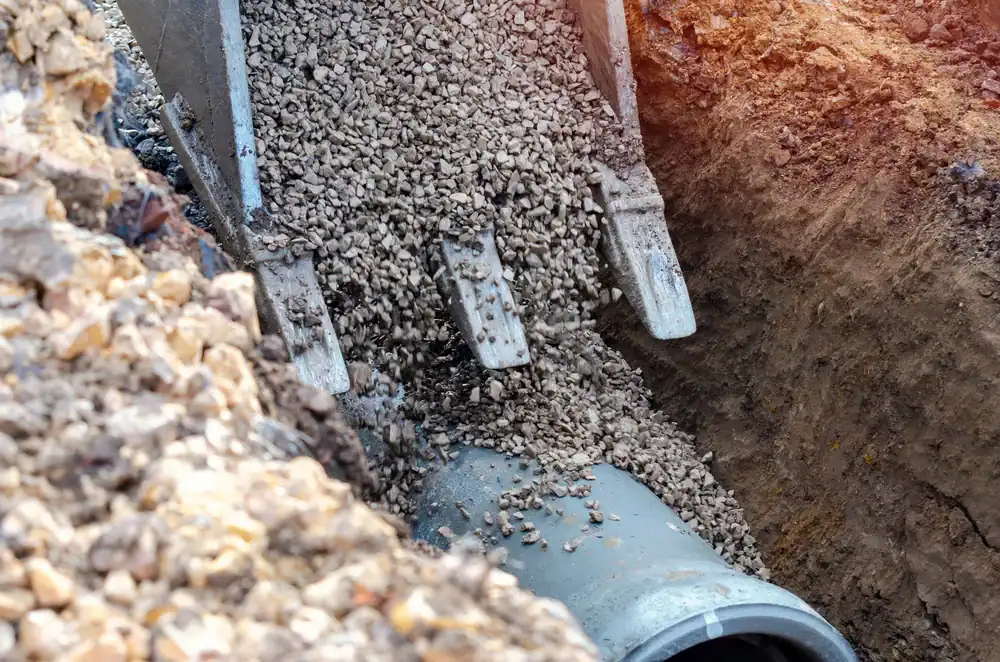
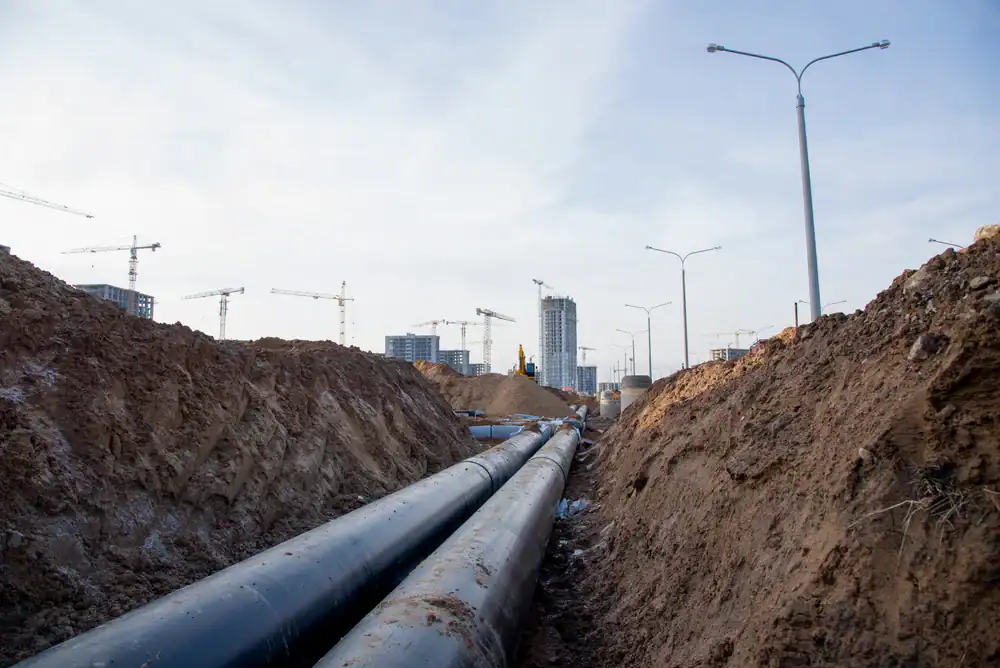
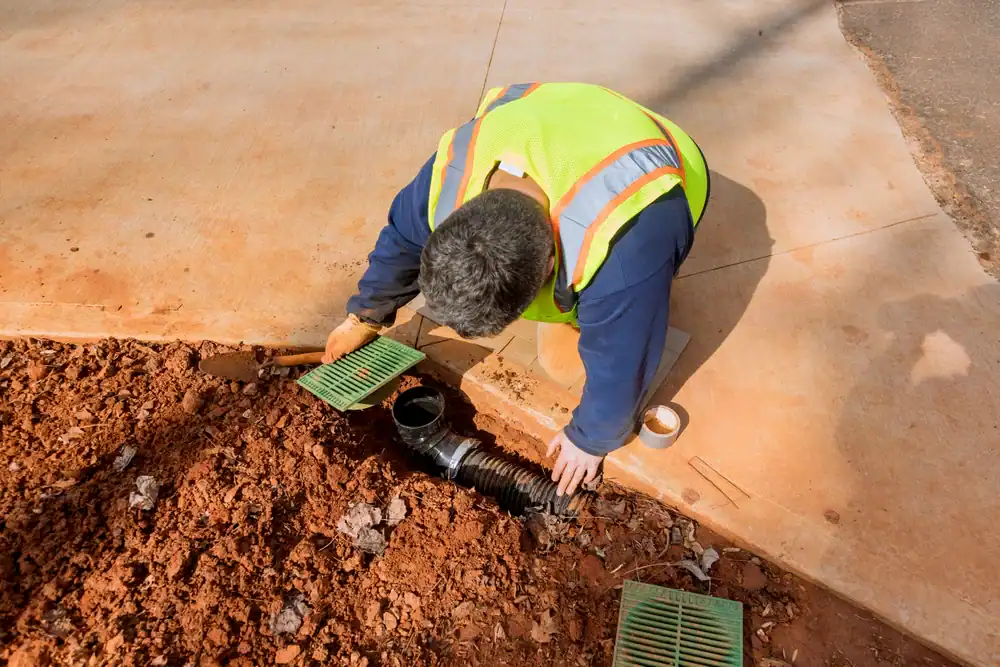
Then comes trenching and excavation. We dig down to your main waste line, expose the damaged section, and remove it. If tree roots caused the problem, we clear them. If the original installation had the wrong slope, we correct it. Every new line we install is set at the proper grade so waste flows downhill without pooling.
Once the new pipe is in and connected to your cesspool, we backfill the trench and restore your property. Before we leave, we test the system to make sure everything drains correctly. You’ll know the job is done right because we walk you through the final inspection ourselves.
Ready to get started?
You get a full camera inspection before we dig, so there’s no mystery about what’s wrong. We handle all the excavation work, whether it’s a shallow residential line or a deeper commercial connection. If your sewer line to cesspool connection is damaged, we replace it with materials built to last.
In Water Mill, almost 75% of homes rely on cesspools instead of municipal sewer. That means your waste line is critical—and when it fails, you don’t have a backup system. We size the replacement line correctly, set the pitch and slope to prevent future backups, and make sure the connection to your cesspool is watertight.
We’re licensed and insured, and we pull permits when required. You get transparent pricing up front—no hidden fees for “unexpected” work. And because we’re local, we’re here if you need us again. Most line changes come with years of trouble-free service when they’re done right the first time.
If you’re dealing with recurring backups, multiple slow drains, or sewage odors in your yard, a camera inspection will tell you what’s actually happening underground. We run a camera through your line to see if there’s a localized crack, a root intrusion, or widespread corrosion.
A repair works when the damage is isolated—one cracked section, a single joint failure. But if your line is old galvanized steel or clay pipe that’s deteriorating in multiple spots, patching one area just buys you time until the next section fails. Homes built before 1980 in Water Mill are often sitting on original piping that’s reached the end of its lifespan.
We’ll show you the camera footage and explain what we’re seeing. If a repair makes sense, we’ll tell you. If you’re looking at a full replacement within the next year or two anyway, we’ll tell you that too. The goal is to give you enough information to make the right call for your property and your budget.
Tree roots are the most common culprit. Roots seek out moisture, and even a hairline crack in your sewer line is an invitation. Once they get inside, they expand and break the pipe apart. If your Water Mill property has mature trees near the line, roots are almost guaranteed to be involved.
Age is the other major factor. Galvanized steel pipes corrode from the inside out. Clay pipes crack and separate at the joints. Even newer PVC can fail if it wasn’t installed at the correct slope—standing water leads to buildup, which leads to clogs, which leads to pressure that eventually cracks the line.
Ground shifting plays a role too. Freeze-thaw cycles, soil erosion, and even heavy vehicles driving over a shallow line can cause enough movement to break a rigid pipe. In Suffolk County, where many homes have cesspools instead of sewer connections, the line from your house to the cesspool takes all the wear. When it fails, everything backs up.
Most residential line changes take one to three days depending on the length of the run, the depth of the line, and what we find when we dig. A straightforward replacement on a shallow line with good access can be done in a day. A deeper line with obstacles—tree roots, ledge rock, or a long distance to the cesspool—takes longer.
The actual excavation and pipe replacement is usually the fastest part. What takes time is doing it right: setting the correct pitch and slope, making sure the connection to your cesspool is sealed, backfilling the trench properly so you don’t end up with a sunken area in your yard six months later.
We don’t rush the job to hit a deadline. If we’re replacing your main waste line, it needs to last for decades. That means taking the time to grade it correctly, compact the backfill, and test the system before we call it done. You’ll have a timeline before we start, and we’ll keep you updated if anything changes.
We only dig where the line runs. That’s usually a trench from your house to your cesspool, and the width depends on how deep the line is and what kind of access we need. If your line runs under a driveway or landscaping, we’ll work around it when possible—but sometimes there’s no way to avoid it.
The good news is that we treat your property with respect. We’re not tearing up more ground than necessary, and we restore the area when we’re done. That means backfilling the trench, grading it level, and making sure you’re not left with a muddy ditch running through your yard.
If you’re concerned about specific landscaping or hardscaping, let us know during the estimate. We can often adjust the approach or give you a heads-up about what’s going to be affected. The goal is to get your line replaced with as little disruption as possible—but the reality is that trenching and excavation are part of the job. There’s no way around it.
A sewer line connects your home to a municipal sewer system. A cesspool connection runs from your house to an underground cesspool tank on your property. In Water Mill, most homes use cesspools because there’s no municipal sewer available in many areas.
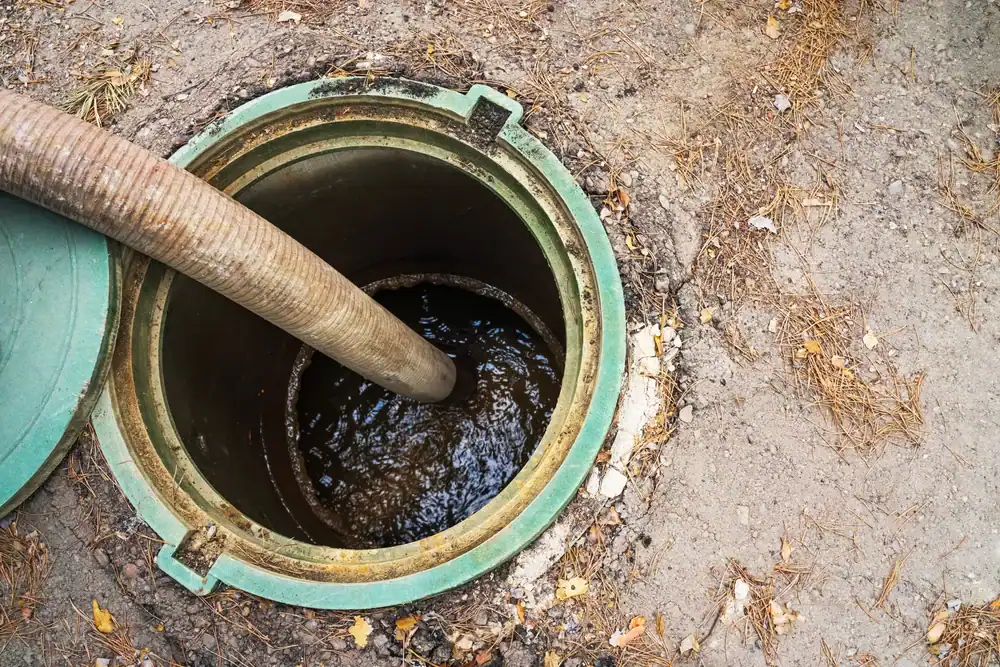
Your cesspool collects and stores wastewater until it’s pumped out. The line that connects your house to that cesspool is just as important as the tank itself—if the line fails, waste backs up into your home instead of flowing into the cesspool. That’s why proper pitch and slope matter so much. Gravity does the work, but only if the line is graded correctly.
When we replace a cesspool connection, we’re making sure that line has the right fall from your house to the tank. Too steep and you get problems with solids separating from liquids. Too shallow and waste doesn’t flow. We set it at the correct grade based on the distance and depth, so everything drains the way it should without creating future headaches.
If it’s a clog from grease buildup, debris, or minor root intrusion, we can usually clear it with rotor rooting or hydro jetting. That gets your line flowing again without digging. But if the clog keeps coming back, or if the camera shows structural damage, clearing it is just a temporary fix.
A partially collapsed pipe, a line with multiple cracks, or a section where roots have completely infiltrated the pipe—those need replacement. You can clear the blockage today, but it’ll be back in a few weeks or months because the underlying problem hasn’t been fixed.
We’ll tell you what makes sense based on what we see during the inspection. If clearing the line buys you a few years and fits your budget, that’s an option. If you’re looking at repeated service calls and emergency backups, replacing the damaged section or the entire line is the smarter move. Either way, you’ll know what you’re dealing with before we start any work.
Other Services we provide in Water Mill