
Hear from Our Customers
You’re not paying someone to guess. A camera inspection shows you the actual condition of your pipes—cracks, blockages, root intrusions, collapsed sections—with a foot counter that marks the exact location.
That means when it’s time to repair, you’re digging in one spot, not tearing up 50 feet of your property hoping to find the issue. The camera doesn’t lie, and you get to see the same footage our technician does.
In West Hampton Dunes, where properties sit on sandy coastal soil and many homes rely on aging cesspool systems, knowing what’s happening underground before an emergency hits can save you thousands. Emergency repairs average $1,775, but if the system fails completely, you’re looking at $7,350 or more for replacement.
A camera inspection runs a few hundred dollars. It’s the difference between catching a crack early and dealing with a sewage backup in your yard.
We’ve been handling cesspool and septic work on Long Island for nearly two decades, with a family history in this business that goes back four generations. We’re not new to this, and we’re not going anywhere.
West Hampton Dunes is a small community—just over 100 residents—and word travels fast. We’ve built our reputation on showing up when we say we will, doing the work right, and not charging you for things you don’t need.
Suffolk County banned new cesspool installations back in 2019, which means maintaining your existing system isn’t optional anymore. We understand the local regulations, the soil conditions near the coast, and what actually works in this area.
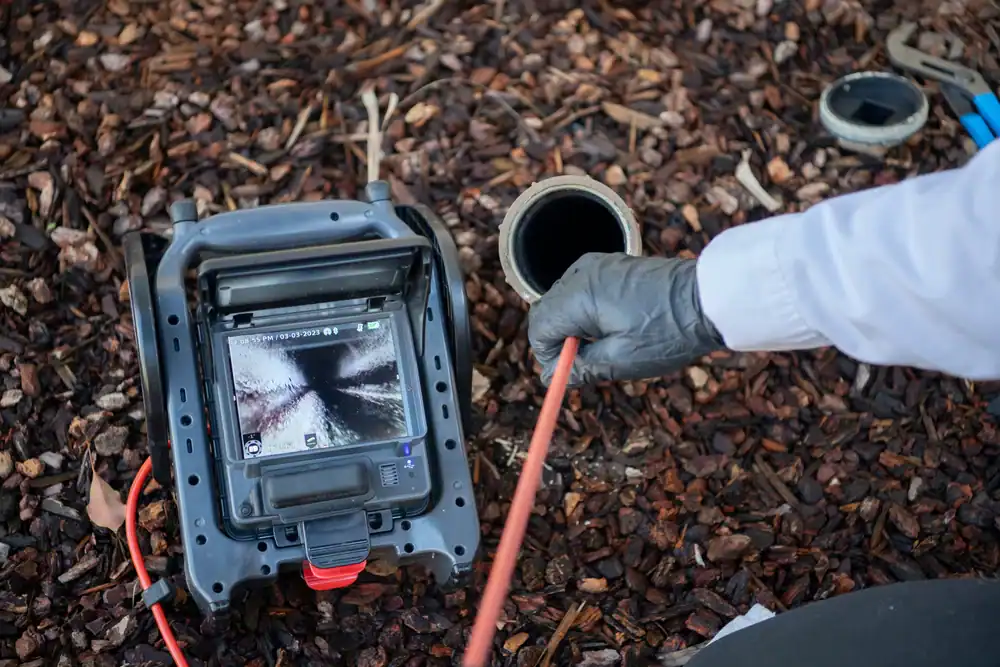
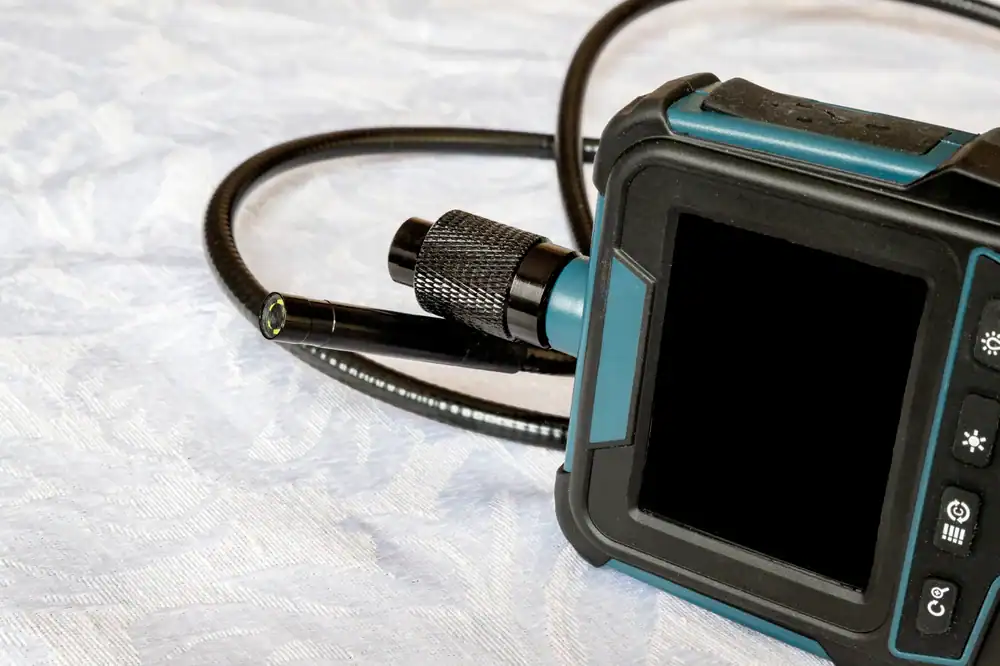
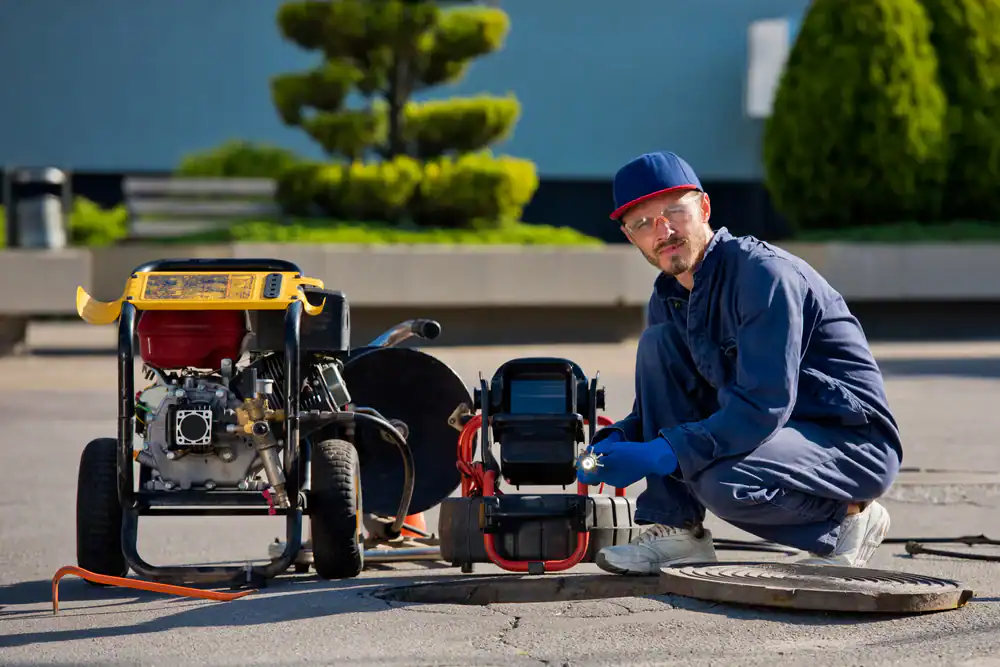
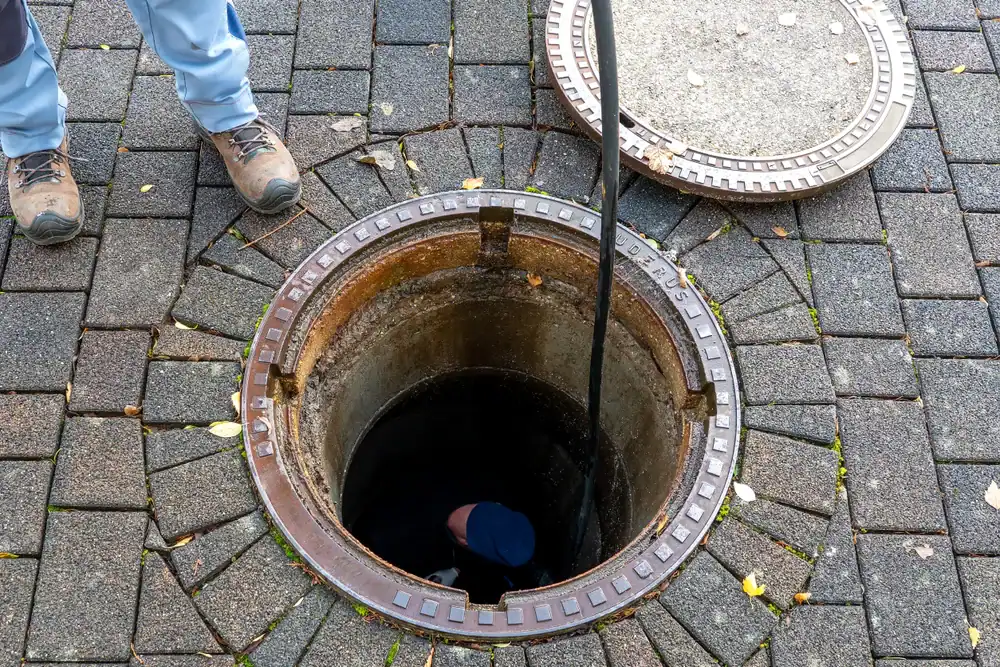
We start by accessing your system through an existing cleanout or entry point—no digging required at this stage. The camera is a waterproof, high-resolution unit attached to a flexible cable that can navigate pipes from 2 inches to 36 inches in diameter.
As the camera moves through your pipes, it sends back live footage. You can watch in real time as we identify blockages, assess pipe condition, and locate problem areas. The footage includes a foot counter, so when we spot a crack at 23 feet, we know exactly where that is above ground.
If we find something, we can use a locator that sends a signal from the camera to a receiver above ground. That pinpoints the exact spot for repair—no exploratory digging, no tearing up your driveway to find the problem.
The whole process usually takes less than an hour for a standard residential inspection. You get digital footage and a clear explanation of what we found. If repairs are needed, you’ll know what, where, and why before any work begins.
Ready to get started?
The inspection includes live footage of your entire sewer line or cesspool system, with real-time clog detection and a complete pipe condition assessment. You’re not just getting a verbal report—you get to see the problem yourself.
We’re looking for common issues like root intrusions (a major problem near coastal areas where vegetation seeks out water sources), cracks or breaks in aging pipes, blockages from grease or debris buildup, and sections where pipes have shifted or collapsed due to soil movement.
In West Hampton Dunes, many properties deal with older clay or cast iron pipes that weren’t designed to last forever. Long Island’s high water table and sandy soil create unique challenges—pipes shift, roots grow aggressively, and saltwater exposure can accelerate corrosion.
The digital footage and reporting we provide isn’t just useful for repairs. Many insurance companies now require video documentation before approving claims for sewer line work. If you’re buying or selling property, a camera inspection gives you leverage and clarity about what you’re actually dealing with underground.
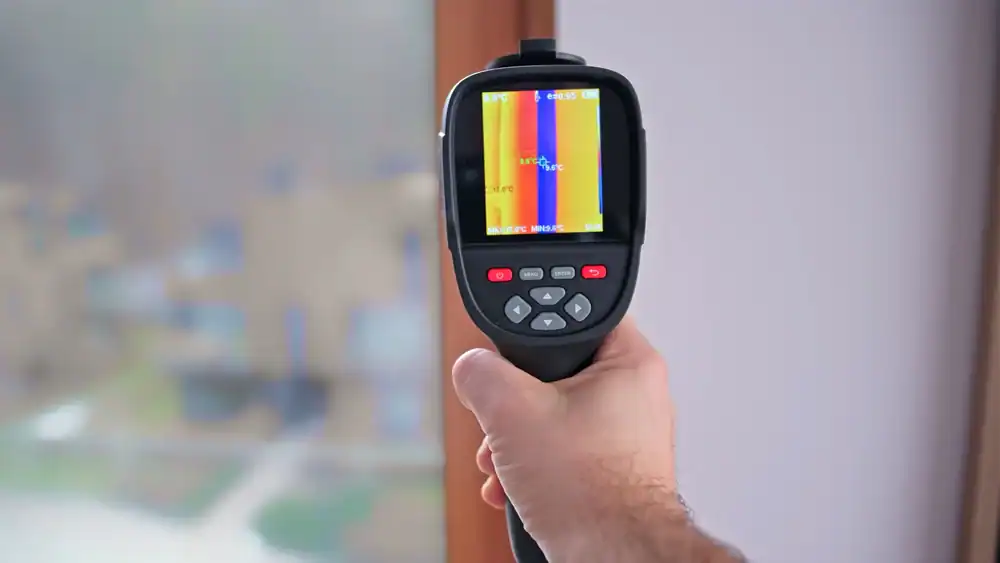
A camera inspection typically costs a few hundred dollars and takes under an hour. Compare that to exploratory excavation, where a crew digs trenches across your property trying to locate a problem—that’s easily $1,500 to $3,000 before any actual repair work begins.
The old method meant tearing up landscaping, driveways, or walkways based on educated guesses. Then you’re paying for the repair and the restoration work to fix everything that got dug up.
With video inspection, you pay once to see exactly what’s wrong and where it is. If you need a repair, the crew goes straight to that spot. You’re not paying to dig up 50 feet of pipe when the problem is in a 3-foot section.
The camera shows structural damage, not just clogs. When we’re doing a pipe condition assessment, we’re looking at cracks, breaks, separated joints, corrosion, and collapsed sections—all of which can cause leaks.
If water is escaping your pipes underground, you’ll often see soil intrusion or voids in the footage where the pipe wall has failed. Root intrusions are another giveaway—roots don’t grow into pipes unless there’s already a crack or gap letting moisture out.
For locating underground pipe leaks specifically, we can also use the camera’s locator signal to mark the exact spot above ground where damage appears in the footage. That’s how you get surgical repairs instead of guessing games.
If your system is working fine and you’re keeping up with regular maintenance, you don’t need annual camera inspections. But there are specific times when it makes sense.
Before buying a property, get one done. You want to know if you’re inheriting a problem that’ll cost $10,000 to fix next year. If you’re experiencing slow drains, gurgling sounds, or sewage odors, a camera tells you what’s actually causing it instead of trying different fixes and hoping something works.
After a major backup or if you’ve got older pipes (30+ years for clay or cast iron), an inspection gives you a baseline. In West Hampton Dunes, where Suffolk County regulations are strict and cesspool replacements aren’t cheap, knowing the condition of your system before it fails completely is just smart property management.
You get the footage, a clear explanation of what’s wrong, and an upfront price for the repair. No surprises, no upselling, no “we’ll know more once we dig.”
If it’s a blockage, we can often clear it the same day. If it’s structural damage—a cracked pipe, root intrusion, or collapsed section—we’ll tell you exactly where it is, how extensive the damage is, and what your options are.
Sometimes a spot repair is all you need. Other times, if multiple sections are failing, replacement makes more sense than patching. Either way, you’re making that decision based on actual evidence, not someone’s guess. And because we’ve marked the exact location, the repair work is faster and less invasive than traditional methods.
Pumping removes waste, but it doesn’t tell you anything about the structural condition of your system. A camera inspection shows whether your pipes or cesspool walls are cracked, whether roots have infiltrated, or whether sections are starting to collapse.
In West Hampton Dunes, where cesspools are still in use and new installations have been banned since 2019, maintaining your existing system is critical. If your cesspool is failing structurally, pumping it more often won’t fix the problem—you’ll just keep throwing money at a system that’s breaking down.
An inspection after pumping actually gives you the clearest view, since the waste is out of the way. If you’re planning to stay in your home long-term and your system is older, it’s worth knowing what condition it’s really in.
We can inspect any accessible line in your system—main sewer lines, lateral lines, and pipes ranging from 2 inches to 36 inches in diameter. If there’s a cleanout or access point, the camera can go in.
For cesspool systems, we can inspect the inlet pipes and, in some cases, get footage inside the cesspool itself to assess the condition of the walls and baffles. That’s especially useful if you’re seeing signs of failure but aren’t sure whether it’s the pipes or the cesspool structure.
The limitation is access. If there’s no existing entry point and the line is buried, we’d need to create one. But in most residential systems in West Hampton Dunes, there are enough access points to get a complete picture of what’s happening underground without major excavation.