
Hear from Our Customers
You stop worrying about backups every time someone flushes. Your drains clear the way they should. No more slow toilets, no more standing water in the yard, no more calling someone out here twice a year because the first company didn’t set the slope right.
When the main waste line between your house and cesspool is installed correctly, you don’t think about it. That’s the point. The pipe pitch is right, the connections are solid, and the whole system moves wastewater the way it’s supposed to—downhill, without pooling, without backing up into your home.
Most line failures happen because tree roots found a crack or the original install was done fast instead of right. Once roots get in, they don’t leave. They grow, they block, they break the line completely. A proper line change removes the damaged section, replaces it with durable pipe, and sets the grade so water flows without fighting gravity.
We’ve been handling cesspool and septic work in West Hampton Dunes for over a decade. We’re licensed, insured, and family-owned—which means when you call, you’re talking to someone who actually shows up to the job.
This is a barrier island community. Salt air, sandy soil, older homes with aging infrastructure. We know what fails first and why. Most of the properties here don’t have access to municipal sewer, so your cesspool system isn’t optional—it’s the only thing standing between you and a serious problem.
We don’t oversell. We don’t show up and tell you the whole system needs to be ripped out when all you need is a line change. You’ll get a free estimate, a straight answer, and work that lasts.
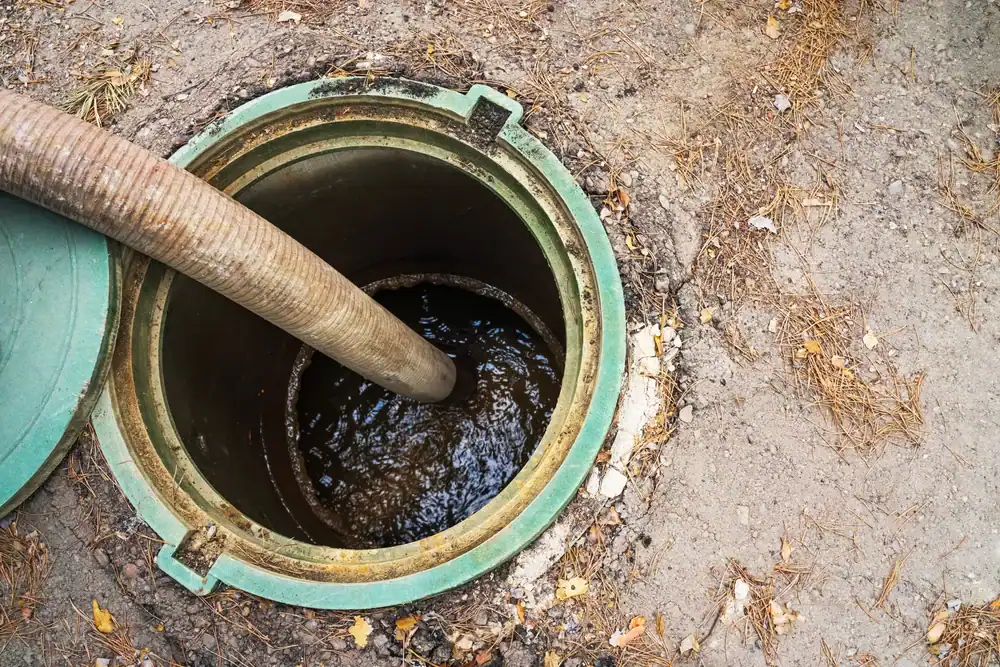
First, we locate the problem. That means finding where the main waste line runs from your house to the cesspool, and identifying the section that’s failed. Could be roots, could be a collapsed pipe, could be improper slope from the original install. We’ll know before we dig.
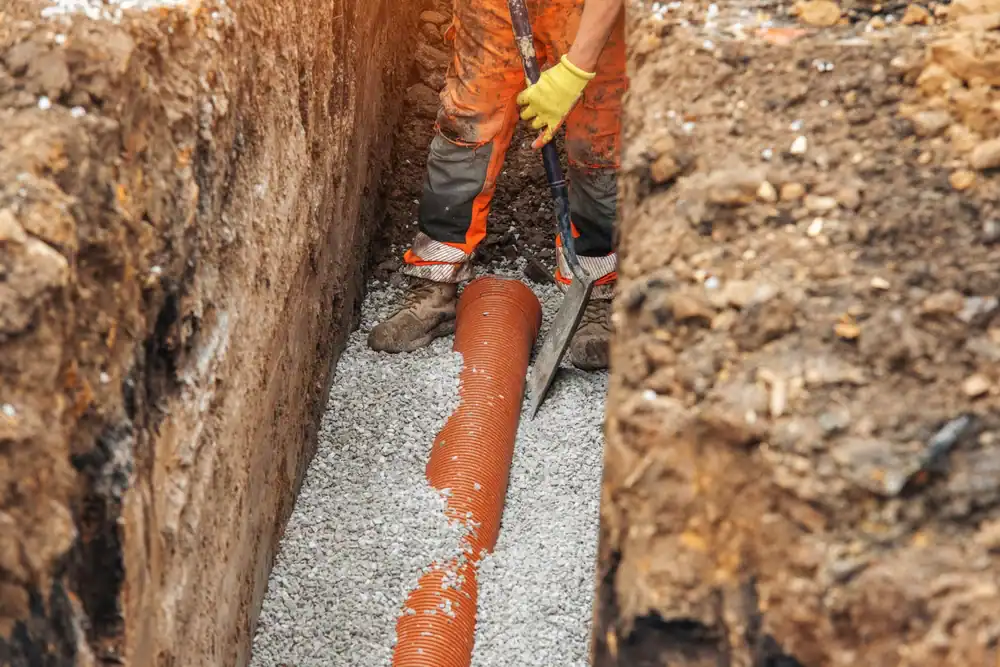
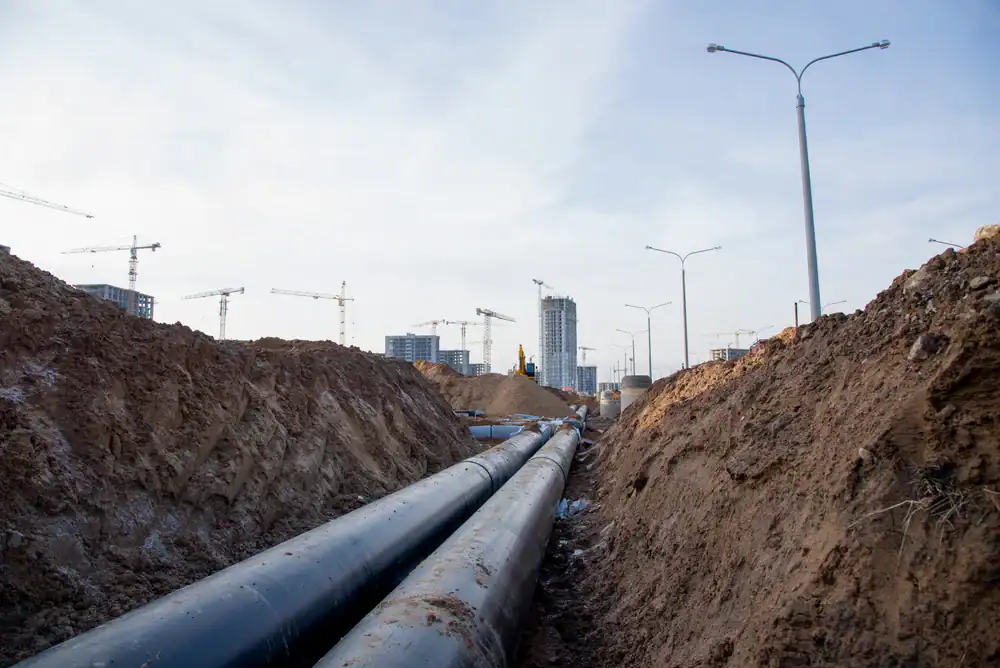
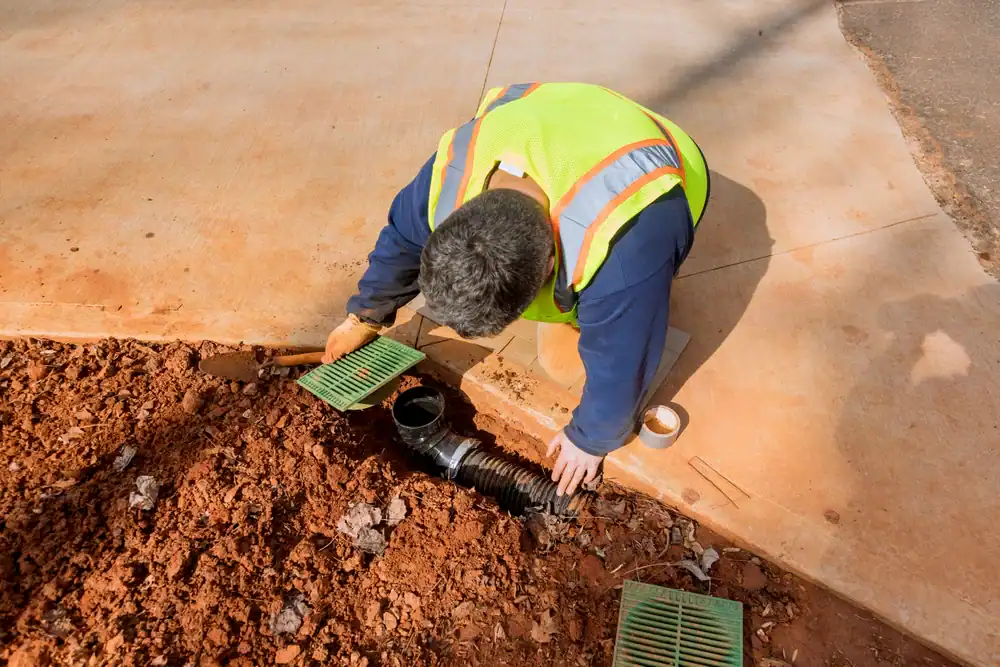
Next comes trenching and excavation. We dig down to expose the damaged line—usually four to six feet deep depending on your system. We do this carefully. Your landscaping, driveway, and property matter, so we work to minimize disruption and restore things when we’re done.
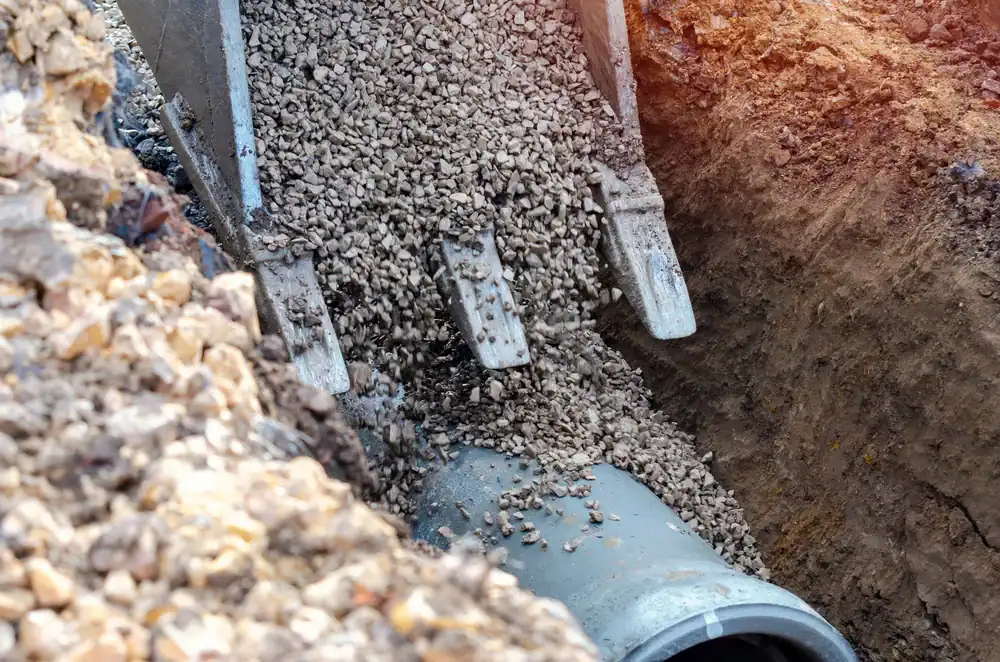
Then we remove the old pipe and install the new line. This is where pipe pitch and slope become critical. If the grade isn’t right, wastewater won’t flow. It’ll pool, back up, and cause the same problem all over again. We set the slope correctly so gravity does the work.
Finally, we connect the new line to your cesspool and test the system. Everything gets backfilled, compacted, and cleaned up. You’re left with a main waste line that works the way it should—and will keep working for decades.
Ready to get started?
You’re paying for proper excavation that doesn’t wreck your property. You’re paying for a crew that knows how to set pipe pitch so your system drains correctly the first time. And you’re paying for a line change that prevents backups and pipe failure instead of just patching the problem until next season.
In West Hampton Dunes, most homes rely entirely on cesspool systems because there’s no public sewer. That means your main waste line is doing all the heavy lifting. When it fails, you’re dealing with sewage backups, health hazards, and expensive emergency calls. A proper line change stops that cycle.
We use durable materials that hold up in coastal conditions. Salt air corrodes older cast iron pipes faster than it would inland, so material choice matters. We also make sure the connection between your main line and cesspool is sealed and secure—no leaks, no root entry points, no weak spots that’ll fail in five years.
You’ll also get 24/7 emergency availability if something goes wrong, though it shouldn’t. And because we’ve been doing this locally for years, we understand Suffolk County regulations and what’s required to keep your system compliant.
If you’re dealing with frequent backups, slow drains throughout the house, or wet spots in your yard near the cesspool, the line itself might be compromised. A repair works when there’s a small crack or a single blockage that can be cleared. A line change is necessary when the pipe has collapsed, when tree roots have destroyed a section, or when the original slope was installed wrong and nothing drains properly.
We’ll inspect the line first and tell you exactly what’s needed. Most companies will try to patch things because it’s faster and easier to sell. We’d rather replace the damaged section once than have you call us back every six months because the repair didn’t hold.
Tree roots cause about 60% of the sewer line problems we see. Once they’re inside the pipe, they don’t stop growing. You can clear the blockage, but unless you replace that section of line, the roots will come back. That’s when a line change makes more sense than repeated repairs.
We dig a trench from your house to the cesspool—or to the section of line that’s failed—usually four to six feet deep depending on how your system was originally installed. The goal is to expose the damaged pipe so we can remove it and install a new one with the correct slope.
Excavation sounds invasive, and it is to some degree. But we’re not tearing up your entire yard. We dig only where we need to, and we take care to protect your landscaping, driveway, and anything else in the way. Once the new line is in and tested, we backfill the trench, compact the soil, and restore the surface as close to original condition as possible.
The whole process typically takes a day or two depending on the length of line being replaced and site conditions. Sandy soil here on the barrier island actually makes digging easier compared to clay-heavy areas, but it also means we have to be more careful with compaction when we backfill so nothing settles unevenly later.
Gravity is what moves wastewater from your house to the cesspool. If the pipe isn’t sloped correctly, wastewater won’t flow—it’ll sit in the line, back up into your drains, and eventually cause a complete blockage. Proper pitch ensures everything moves downhill at the right speed without pooling or creating pressure issues.
The standard slope for a sewer line is about a quarter inch per foot. Too steep and the water flows faster than the solids, leaving waste behind to build up. Too flat and nothing moves at all. We measure and set the grade during installation so your system works the way it’s supposed to from day one.
A lot of line failures we see aren’t from broken pipes—they’re from improper slope that was never corrected. Homeowners keep calling for cleanings and snaking, but the real issue is that the line was installed wrong decades ago. A line change gives us the chance to fix that permanently instead of just treating the symptoms.
A properly installed sewer line should last 50 years or more. The materials we use now—PVC and other durable plastics—don’t corrode like the old cast iron or clay pipes that were common in older homes. As long as the line is installed with the right slope and protected from root intrusion, it’s essentially maintenance-free.
That said, tree roots are still the biggest threat. If you have large trees near the line, roots will eventually find their way toward any source of water. That’s why we make sure all connections are sealed tight and why we sometimes recommend root barriers or regular inspections if your property has aggressive root systems nearby.
The original sewer lines in many Long Island communities date back to the 1950s and are now reaching the end of their lifespan. If your home is older and you’ve never had the line replaced, it’s worth having it inspected before it fails completely. Replacing it on your timeline is a lot cheaper than dealing with an emergency backup at midnight.
Yes. Excavation work can be done year-round as long as the ground isn’t frozen solid, which is rare here on Long Island. Rain and cold weather can slow things down slightly, but they don’t stop the work. If your line fails in January, we’re not going to tell you to wait until spring.
Weather does affect how we manage the site. If it’s raining during excavation, we take extra steps to control water in the trench and make sure everything drains properly during backfill. Wet conditions can also mean more cleanup afterward, but the actual installation process stays the same.
We’re available 24/7 for emergencies, and that includes line failures. If your main waste line collapses or you’re dealing with sewage backing up into your home, that’s not something you can wait on. We’ll get out there, assess the situation, and start the work as soon as possible regardless of season or weather.
If we replace the damaged section with new pipe and seal all the connections properly, roots shouldn’t be able to get back in—at least not in that spot. The new line doesn’t have the cracks or gaps that let roots enter in the first place. That’s the whole point of replacing it instead of just clearing the blockage.
That said, if you have aggressive root systems on your property, they’ll keep searching for water. They might find a different section of line, or they might grow toward the cesspool itself. We can’t control what trees do, but we can make sure the new line doesn’t give them an easy entry point.
Some homeowners choose to remove trees that are too close to the sewer line, especially if they’ve caused repeated problems. Others opt for regular inspections or root treatments to keep things in check. We’ll talk through your options based on what’s actually happening on your property, not just sell you the most expensive solution.