
Hear from Our Customers
Here’s what happens when you can actually see the problem before it becomes a disaster. You get a high-definition view of every inch of your sewer line, complete with measurements showing exactly where issues are located. No excavation required to diagnose.
That means you’re not paying someone to dig three different holes trying to find a crack. You’re not replacing sections of pipe that were fine to begin with. And you’re definitely not dealing with a flooded basement because a small blockage turned into a complete system failure.
The camera doesn’t lie. When tree roots are pushing through your pipes, you’ll see them. When decades-old cast iron is corroding from the inside out, the footage shows it clearly. When there’s a belly in your line holding water and waste, the video proves it. You make decisions based on what’s actually there, not what someone thinks might be wrong.
We’ve been handling septic and sewer issues across Long Island for nearly two decades. We’re a family operation that’s seen just about every pipe problem you can imagine, from the historic homes built in the 1940s to newer construction.
West Islip properties come with their own set of challenges. Mature trees mean root intrusion. Older infrastructure means shifting pipes and corrosion. High property values mean you need to protect your investment, not throw money at problems that may not exist.
We invested in state-of-the-art camera inspection technology because we got tired of seeing homeowners pay for unnecessary work. Now you get a USB card with complete digital footage and a written report with GPS coordinates. That’s documentation you can show other contractors, use for real estate transactions, or keep for your records.
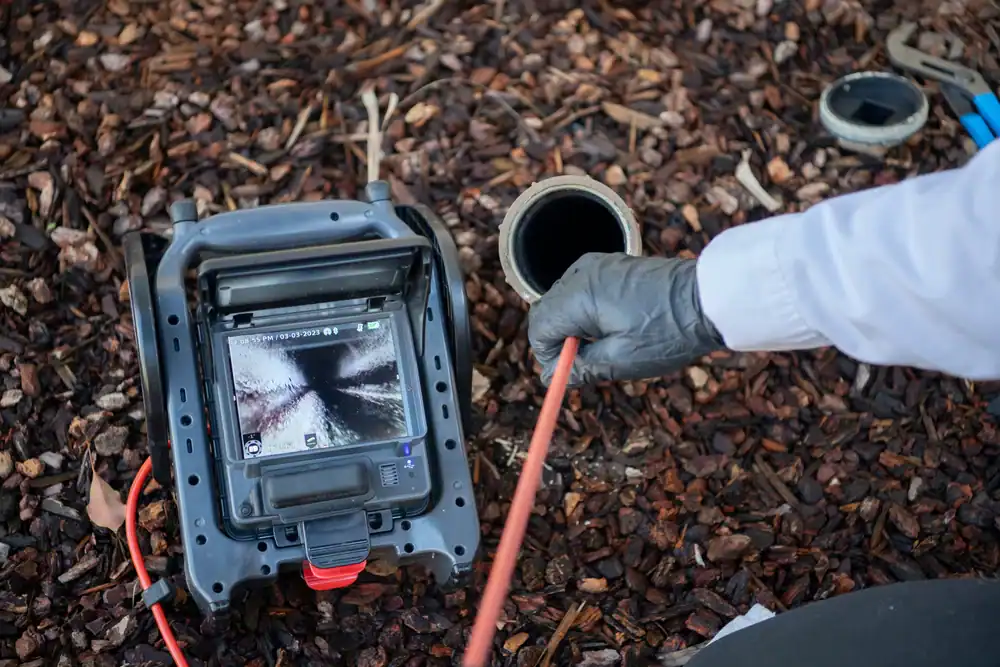
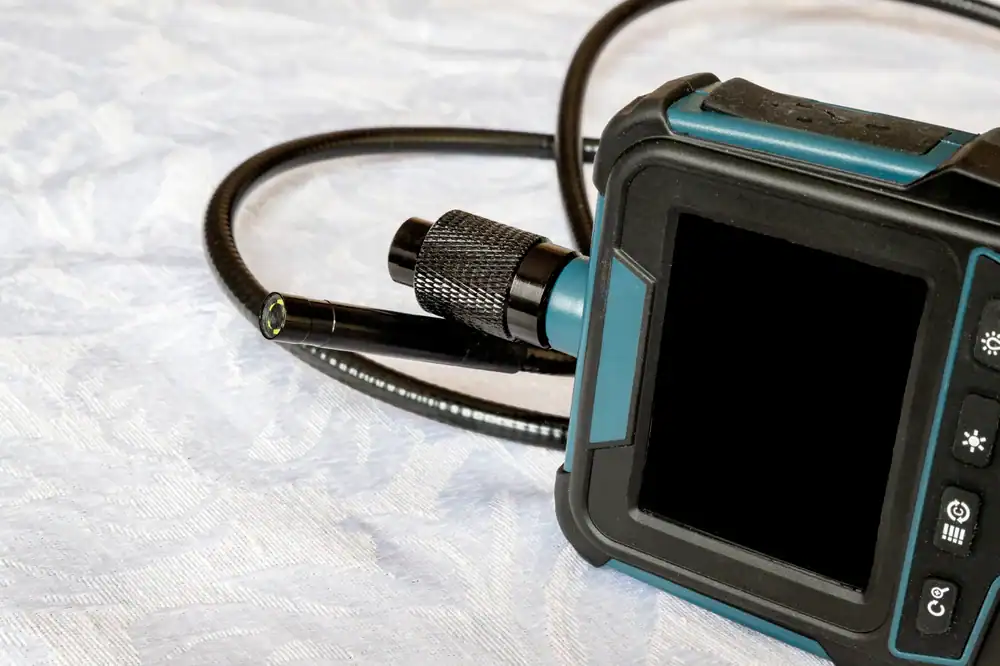
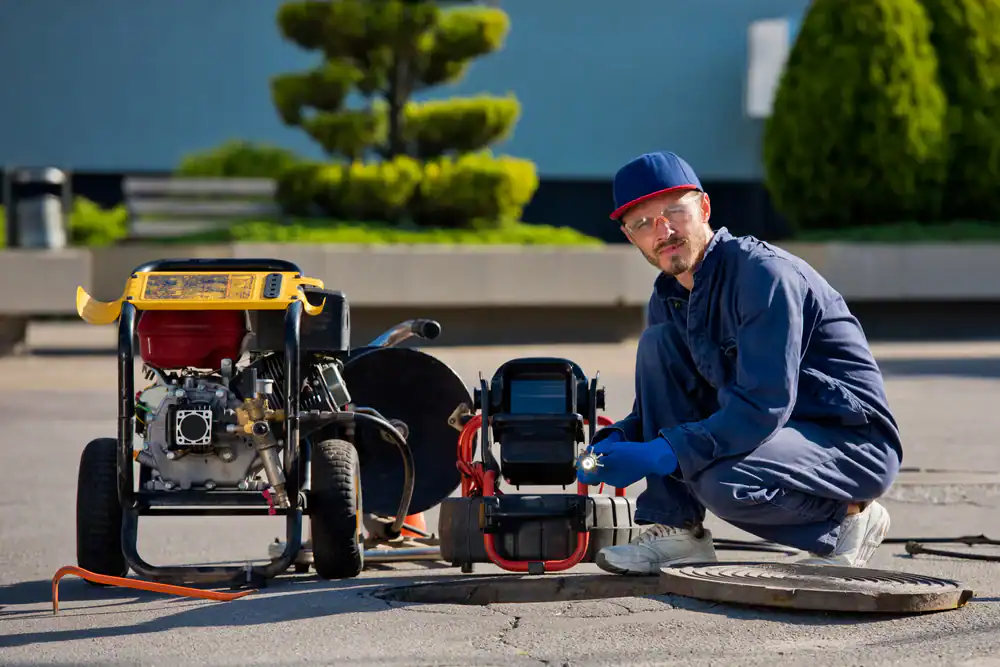
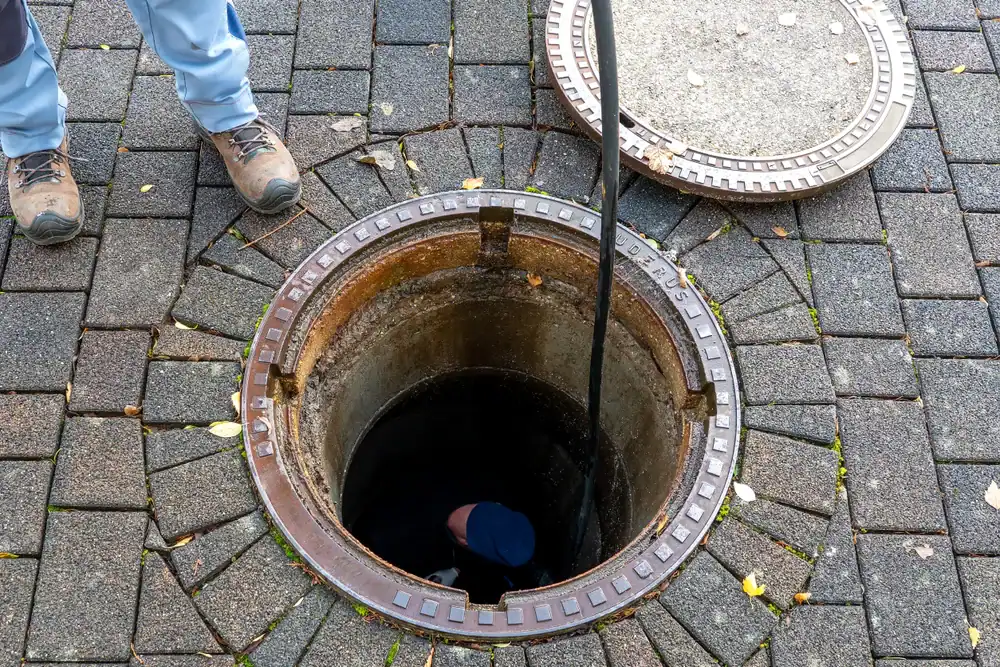
We start by accessing your sewer line through an existing cleanout or entry point. No digging required at this stage. The camera head, equipped with high-definition recording and LED lighting, gets fed through your pipes on a flexible cable with a footage counter.
As the camera moves through your system, we’re watching the live feed and recording everything. We’re looking for cracks, blockages, root intrusion, bellies where water pools, corrosion, and any structural issues. The footage counter tells us exactly how many feet from the access point each problem sits.
You can watch the inspection happen in real time if you want. We’ll point out what we’re seeing and explain what it means for your system. Once we’ve covered the full line, you get the recorded footage on a USB card plus a written report detailing what we found and where. If repairs are needed, we know precisely where to focus our work instead of guessing.
Ready to get started?
The inspection covers your entire sewer line from your home to the street connection or your septic tank. You receive high-definition video footage with clear visuals of your pipe’s interior condition, plus a written report identifying any issues with precise location measurements.
This matters more in West Islip than you might think. With 96% of homes being single-family detached properties and most built between the 1940s and 1960s, you’re dealing with aging infrastructure. Tree roots from mature landscaping are constantly seeking water sources. Ground settlement over decades creates bellies and separations in pipe joints. Cast iron and clay pipes that were standard 50-60 years ago don’t last forever.
Real estate transactions in West Islip increasingly require sewer line video inspections before closing. Banks want proof the system is functional. Buyers want to know they’re not inheriting a $20,000 problem. If you’re selling, having recent inspection footage ready speeds up the process. If you’re buying, getting your own inspection protects you from inheriting someone else’s deferred maintenance.
The camera inspection also serves as a baseline for your records. You’ll know the current condition of your system, which helps you plan for future maintenance instead of reacting to emergencies.
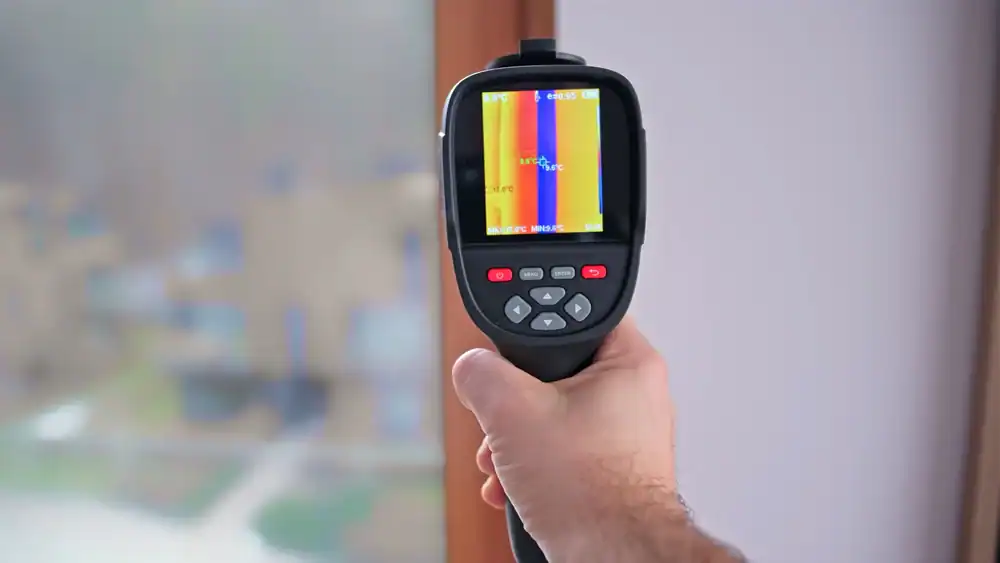
A camera inspection typically runs a few hundred dollars. Compare that to digging exploratory holes at $1,500 to $3,000 each, and the math is pretty straightforward.
But the real cost savings comes from accurate diagnosis. When you know exactly what’s wrong and where it’s located, you’re not paying to replace 100 feet of pipe when only 10 feet is damaged. You’re not trying three different repair approaches because the first two were based on guesses.
We’ve seen situations where homeowners spent $5,000 on repairs that didn’t fix the problem because the contractor was working blind. A $300 camera inspection would have shown the actual issue was 20 feet further down the line. That’s not just wasted money—it’s wasted time, additional property damage from multiple repairs, and the stress of an ongoing problem that won’t go away.
The camera shows us blockages from grease buildup, root intrusion, collapsed pipes, cracks and fractures, corrosion, bellies where pipes have settled, separated joints, and foreign objects stuck in the line.
Root intrusion is huge on Long Island. Your mature trees send roots toward any water source, and sewer lines are prime targets. The camera shows us whether roots are just starting to penetrate or if they’ve completely taken over a section. That determines whether we can clear them with hydro jetting or if you need that section replaced.
Bellies are another common issue in older homes. When the ground settles unevenly over decades, sections of pipe can sag and create low spots where waste and water collect instead of flowing freely. These eventually lead to chronic backups. The camera shows us the exact angle and location of the belly so we know if it’s severe enough to require correction or if it’s something we can manage with regular cleaning.
If you’re spending $600,000 to $800,000 on a West Islip home—which is typical for this area—spending a few hundred on a sewer inspection is basic due diligence. Most of these homes are 50-70 years old. The sewer line is the same age.
Sellers aren’t required to disclose sewer line conditions unless they’ve had recent problems. That means you could be buying a house with roots completely blocking the main line or cast iron pipes that are months away from collapse. The first heavy rain after closing could send sewage into your basement.
Banks are increasingly requiring sewer inspections before approving mortgages, especially on older properties. They don’t want to finance a home with a failing system any more than you want to buy one. Having the inspection done during your due diligence period gives you leverage to negotiate repairs or price reductions if problems show up. Without it, you’re accepting whatever’s underground and hoping for the best.
Most inspections take 45 minutes to an hour depending on the length of your sewer line and what we find. The camera accesses your system through existing cleanouts or entry points, so there’s no digging involved in the inspection itself.
Your yard stays intact. Your driveway doesn’t get torn up. We’re not running heavy equipment across your landscaping. The camera cable is flexible and designed specifically for navigating pipes without causing damage to the interior walls.
If we do find a problem that requires repair, then yes, there may be excavation involved—but now we know exactly where to dig instead of making exploratory holes all over your property. That’s the whole point. One targeted excavation to fix a known problem beats three or four exploratory digs trying to locate an issue.
The camera shows us cracks, fractures, and separations where leaks are occurring. We can see water infiltrating from outside the pipe or wastewater escaping through damaged sections. What we can’t do is measure the leak rate or see what’s happening in the soil around the pipe.
For active leaks, we’re looking for specific visual indicators. If groundwater is seeping into your sewer line through cracks, we’ll see water trickling or flowing in from the pipe walls. If your wastewater is leaking out, we might see soil intrusion, gaps in pipe joints, or sections where the pipe has separated completely.
In West Islip, where the water table can be high, infiltration is a common problem. Groundwater entering your sewer line means your septic system or the municipal treatment plant is processing clean water unnecessarily. That can overload your septic tank or, if you’re on municipal sewer, increase your water bill since many districts charge based on water usage. The camera inspection identifies where the infiltration is happening so we can seal those entry points.
You get the footage, the written report, and a straightforward conversation about what your options are. Some issues need immediate attention. Others can wait. We’ll tell you which is which and why.
If it’s a blockage from grease or minor root intrusion, hydro jetting might clear it completely. If there’s a crack or separation, we might recommend spot repair for just that section rather than replacing your entire line. If the pipe has collapsed or is severely corroded throughout, we’ll discuss full replacement and what that involves.
You’re not locked into using us for the repairs. The footage and report are yours. You can get second opinions, compare quotes, or just file it away if the problems aren’t urgent. Some homeowners use the inspection as a planning tool—they know there’s a section that’ll need replacement in the next few years, so they budget for it instead of getting blindsided by an emergency.
Other Services we provide in West Islip