
Hear from Our Customers
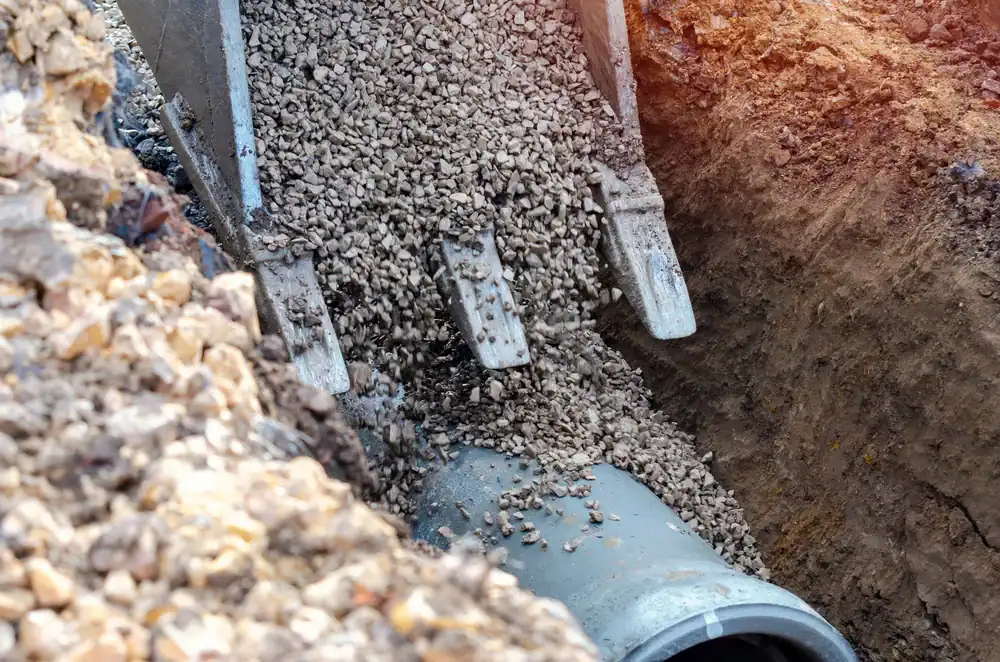
You’re not dealing with backups anymore because the pipes are sloped correctly. Water moves through your system the way it’s supposed to—no sitting water, no gurgling drains, no sewage smell creeping into your yard after a heavy rain.
That’s what happens when line changes are done with the right equipment and someone who understands how West Islip’s sandy soil behaves. Your cesspool isn’t overworking itself trying to handle water that should’ve drained hours ago. Your distribution box isn’t cracked from pressure it was never meant to take.
The difference between a system that works and one that keeps failing usually comes down to whether the trenching was done right and whether the pipe pitch was set to the proper quarter-inch per foot. Get that wrong and you’re looking at repeat service calls, standing water, and eventually a full system replacement you didn’t budget for.
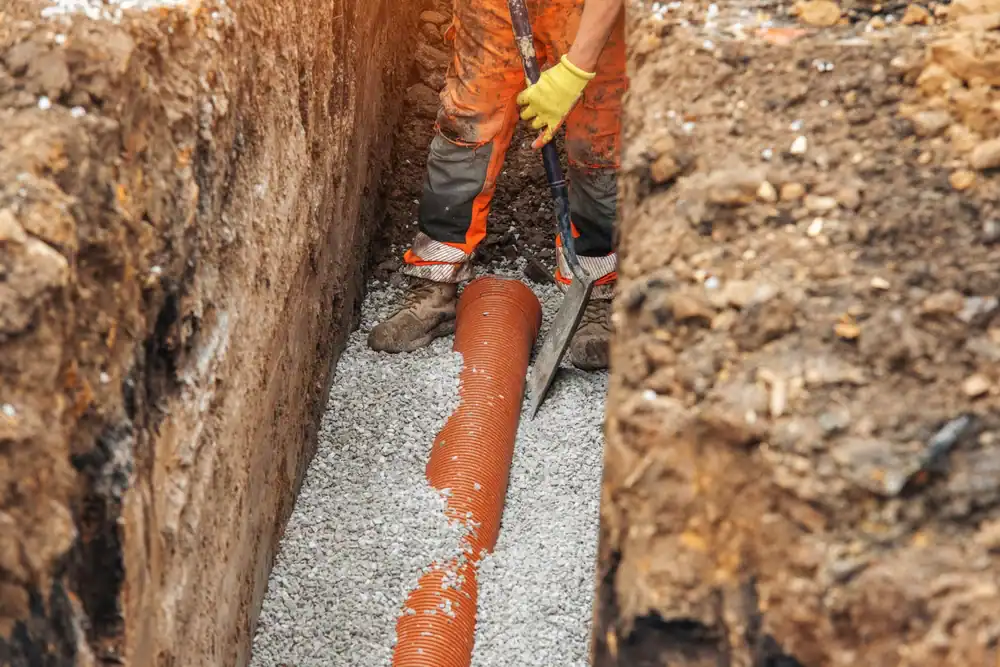
We’ve been handling line changes in West Islip for nearly two decades, and our family’s been in this work for four generations. That means we’ve seen what happens when pipes are installed wrong, when shortcuts get taken, and when homeowners get sold fixes that don’t last.
We know the soil conditions here. We know how older neighborhoods in West Islip were built and where the common failure points show up. Most importantly, we know how to trench properly so your pipes stay where they’re supposed to and drain the way they need to.
You’re not getting a crew that learned cesspool work last month. You’re getting people who’ve done this thousands of times and understand what it takes to pass inspection and actually solve the problem.
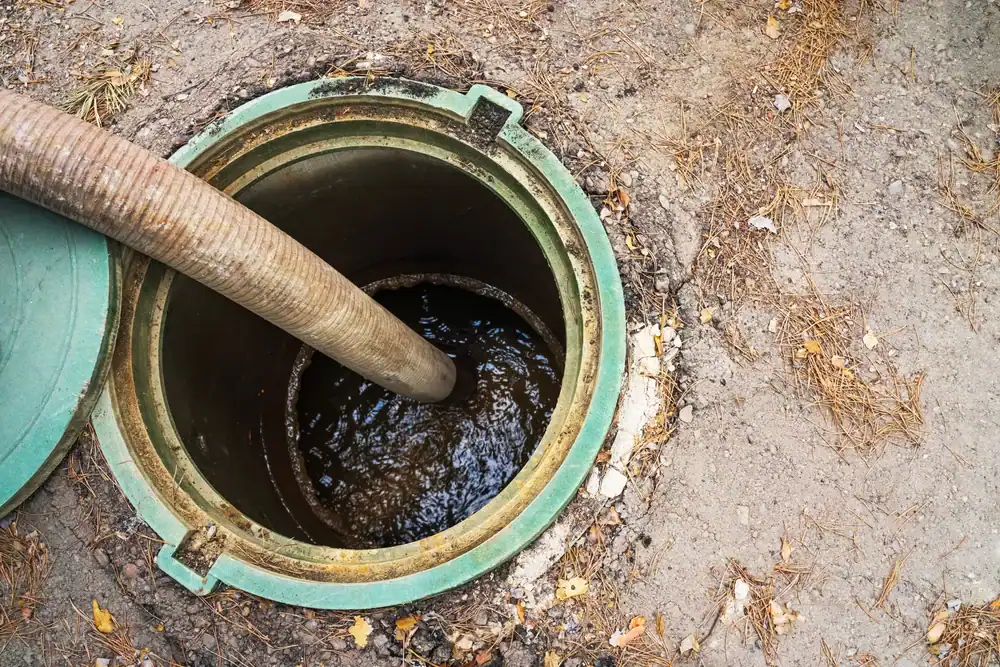
First, we run a video inspection with a foot counter so we know exactly where the problem is. No guessing. No tearing up your yard in three different spots hoping we find it.
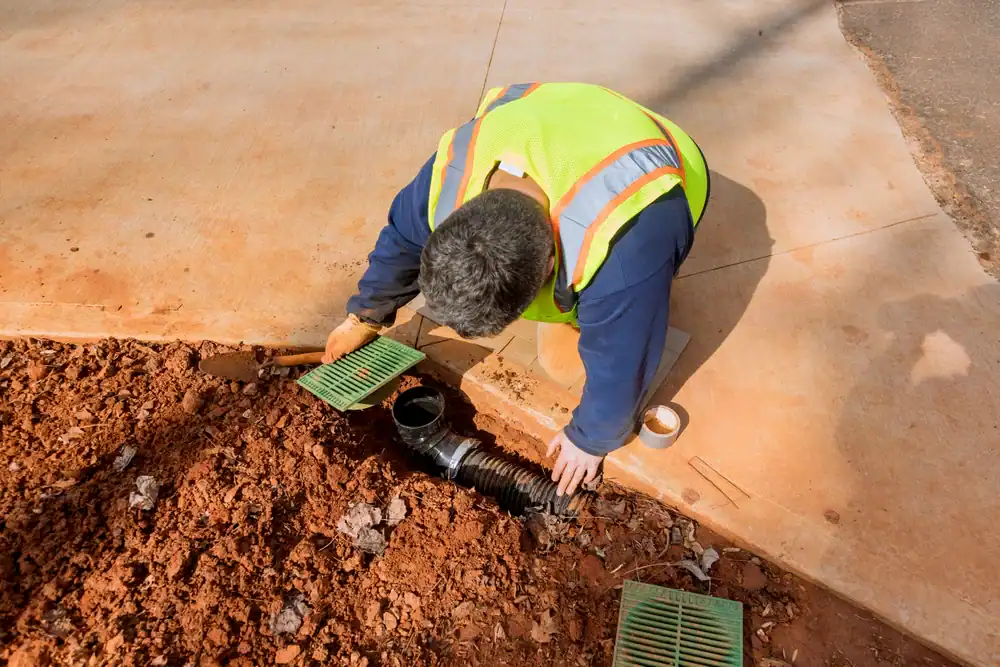
Once we’ve located the issue, we trench to the right depth and set the proper slope—quarter-inch per foot, which is what’s needed for gravity to do its job. We’re using step trenching if your property has any grade to it, because that’s how you maintain consistent pitch even when the terrain doesn’t cooperate.
Then we connect your sewer line to the cesspool with the right fittings, backfill carefully so nothing shifts, and compact the soil so you’re not dealing with settling six months later. The whole process is done to Suffolk County code, which means it’ll pass inspection and actually work long-term.
You’ll know when it’s done right because your drains move fast, there’s no odor, and you’re not calling us back in a year because the same problem showed up again.
Ready to get started?
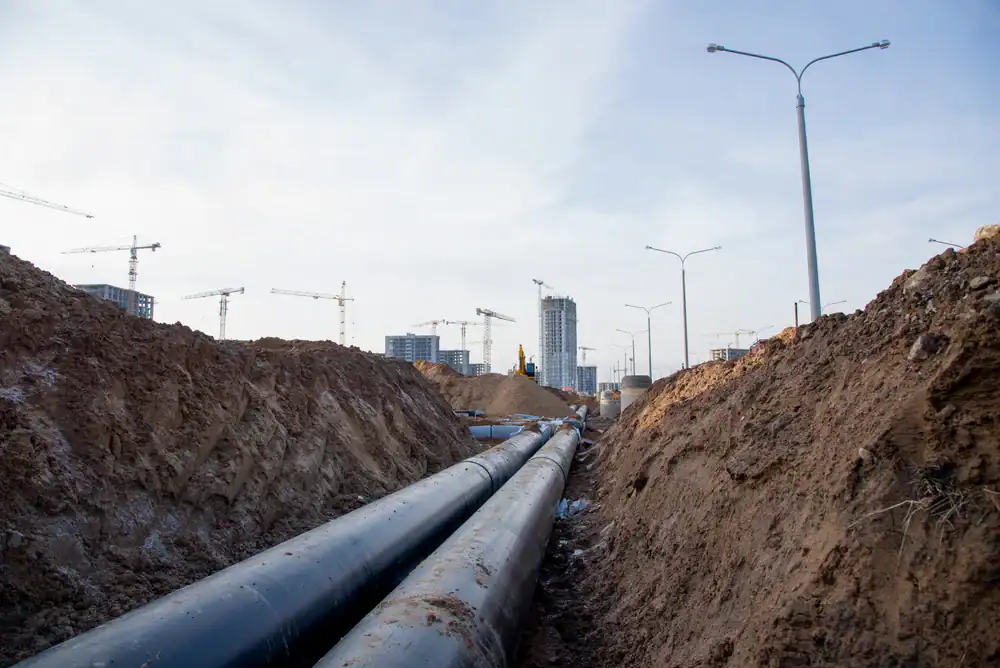
You’re getting a full video inspection before we dig, so you see exactly what we’re dealing with. Then we handle the excavation, trenching, pipe installation, proper slope correction, and connection to your cesspool. We’re also pulling permits if needed and making sure everything meets local health department requirements.
In West Islip, most of the line change work we do involves older systems from the 1930s through 1960s where the original pipes have finally given out or were never installed with the right pitch to begin with. That’s common here because building standards were different back then, and a lot of properties are dealing with the same issue around the same time.
If your system’s been backing up during storms or you’re smelling sewage near your cesspool, it’s usually because water isn’t moving through the line the way it should. That happens when pipes develop a belly—a low spot where water sits instead of draining. We fix that by re-trenching and resetting the slope so gravity does what it’s supposed to do.
If your cesspool backs up and pumping it out only fixes the problem for a few weeks, you’re dealing with a line issue, not a full tank. Same thing if you’re getting slow drains throughout the house, gurgling sounds, or sewage odors even after the system’s been pumped.
A pump-out clears what’s in the cesspool. It doesn’t fix pipes that are cracked, bellied, or sloped wrong. Video inspection will show us exactly what’s happening underground—whether tree roots have broken through, whether the pipe’s collapsed, or whether it’s just sitting at the wrong angle and holding water.
Most homeowners in West Islip don’t need line changes. But if you’ve had repeat backups or your system’s over 40 years old and you’re starting to see problems, it’s worth having someone look before a small issue turns into an emergency.
Soil settlement is the main culprit, especially in areas with sandy soil like West Islip. When the ground shifts or compacts unevenly, pipes can sag and create low spots where water pools instead of draining. That’s called a belly, and it’s one of the most common reasons for repeat backups.
Poor backfill during the original installation makes it worse. If whoever installed your system didn’t compact the soil properly, you’re more likely to see settling over the years. Tree roots can also push pipes out of alignment as they grow, and in older systems, the pipes themselves sometimes crack or separate at the joints.
Once a pipe loses its quarter-inch-per-foot slope, gravity can’t move water efficiently. You end up with standing water, which leads to clogs, odors, and eventually backups. The only real fix is re-trenching and resetting the line to the correct pitch.
Most line changes in West Islip take one to two days depending on how much pipe needs replacing and how accessible your system is. If we’re only fixing a short section with a belly, that’s usually a same-day job. If we’re replacing the entire run from your house to the cesspool, plan on two days.
Weather can affect the timeline—we’re not trenching in a downpour because the soil won’t compact right and you’ll end up with settling issues later. Access matters too. If your cesspool’s in the back of your property and we need to bring equipment through, that adds time.
You’ll have full use of your plumbing once the work’s done and everything’s connected. We’re not leaving you without a working system overnight. If for some reason we can’t finish in one day, we’ll make sure your drains are functional before we leave.
No. We use video inspection to pinpoint exactly where the problem is, so we’re only digging where we need to. If your issue is a 10-foot section of pipe with a belly, we’re not tearing up the whole line from your house to the cesspool.
That said, if your system’s old and the pipe’s failing in multiple spots, it sometimes makes more sense to replace the whole run rather than patch it in three places and hope the rest holds up. We’ll walk you through what we’re seeing on the video inspection and explain what makes sense for your situation.
Most of the time, you’re looking at a trench that’s a few feet wide and however long the damaged section is. We backfill and compact as we go, and your yard’s back to normal within a few weeks once the grass grows back. It’s not pretty during the work, but it’s not a total teardown either.
Depends on what’s wrong with it. If you’ve got a small crack and the rest of the pipe’s in good shape, a patch might buy you some time. But if the pipe’s old, brittle, or out of alignment, patching it is just delaying the inevitable.
Here’s the issue with patches: they don’t fix slope problems. If your pipe’s bellied or sitting at the wrong angle, a patch won’t make water drain any better. You’re still going to have slow drains and backups because gravity isn’t working in your favor.
In most cases, if we’re already digging down to access the pipe, it makes more sense to replace that section with new pipe set at the correct pitch. You’re paying for the excavation either way, and replacing it means you’re not dealing with the same problem again in a year. We’ll tell you honestly whether a patch will actually solve your issue or if you’re better off doing it right the first time.
Yes, most line changes in Suffolk County require a permit from the local health department, especially if you’re doing any work that affects your cesspool connection or involves significant excavation. The permit process makes sure the work meets code and that your system’s going to function properly long-term.
We handle the permit application for you. That includes submitting the plans, coordinating inspections, and making sure everything’s documented correctly. You don’t need to deal with the health department yourself or figure out what paperwork they need.
The inspection usually happens after the trenching and pipe installation but before we backfill, so the inspector can see that everything’s sloped right and connected properly. Once it passes, we finish the backfill and you’re all set. Skipping permits might seem like it saves time, but it’ll cause problems if you ever sell your house or if the town finds out the work was done without approval.
Other Services we provide in West Islip