
Hear from Our Customers
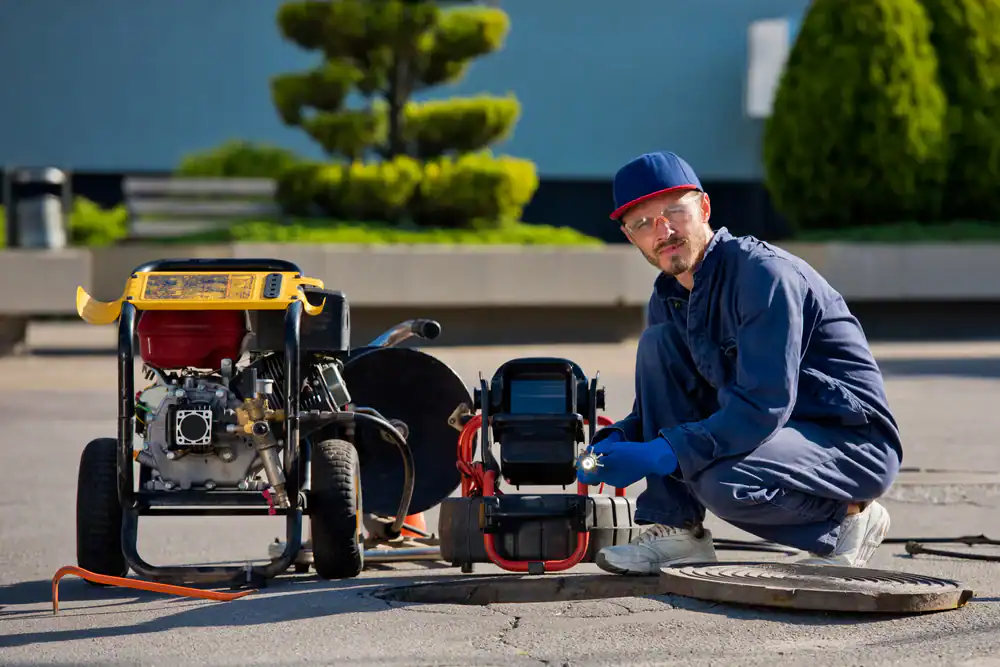
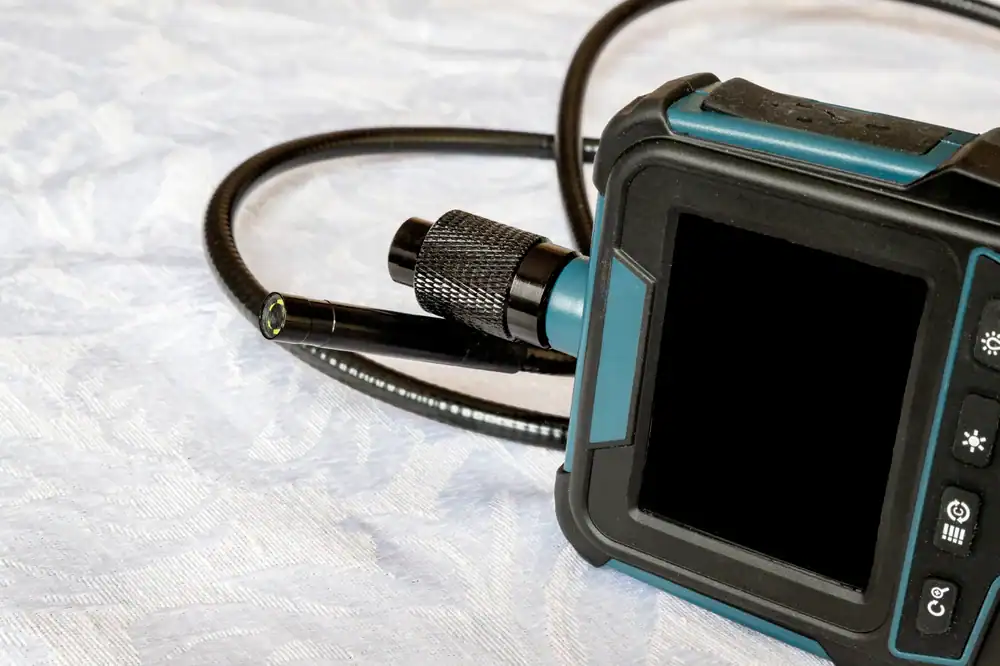
You’re not guessing anymore. A high-definition camera travels through your pipes and shows you what’s blocking drainage, where roots have pushed through, or if there’s a crack that’s about to become a major problem.
The footage is live. You see what we see—blockages from grease buildup, tree roots breaking through joints, corroded sections that are ready to fail. No vague explanations or upselling based on assumptions.
This matters in Wyandanch because most homes here rely on older cesspool systems that weren’t designed to last this long. Suffolk County’s new regulations mean you need documentation anyway if you’re selling or refinancing. But more importantly, you need to know if your system is about to fail before sewage backs up into your yard or home. Camera inspections catch those issues early, when repairs are still manageable and your options are still open.
We work throughout Wyandanch and know what these older systems look like underground. We’re licensed, insured, and equipped with cameras that reach pipes from 2 to 36 inches in diameter.
Most cesspool problems in this area come from the same handful of issues—roots from mature trees, settling soil that cracks pipes, or decades of buildup that finally blocks flow. We’ve seen it enough times to know what to look for and how to explain what you’re seeing on screen.
When you need documentation for a real estate closing or want to understand why your drains are slow, you’re working with a local team that understands Wyandanch’s infrastructure and the specific challenges that come with maintaining these systems here.
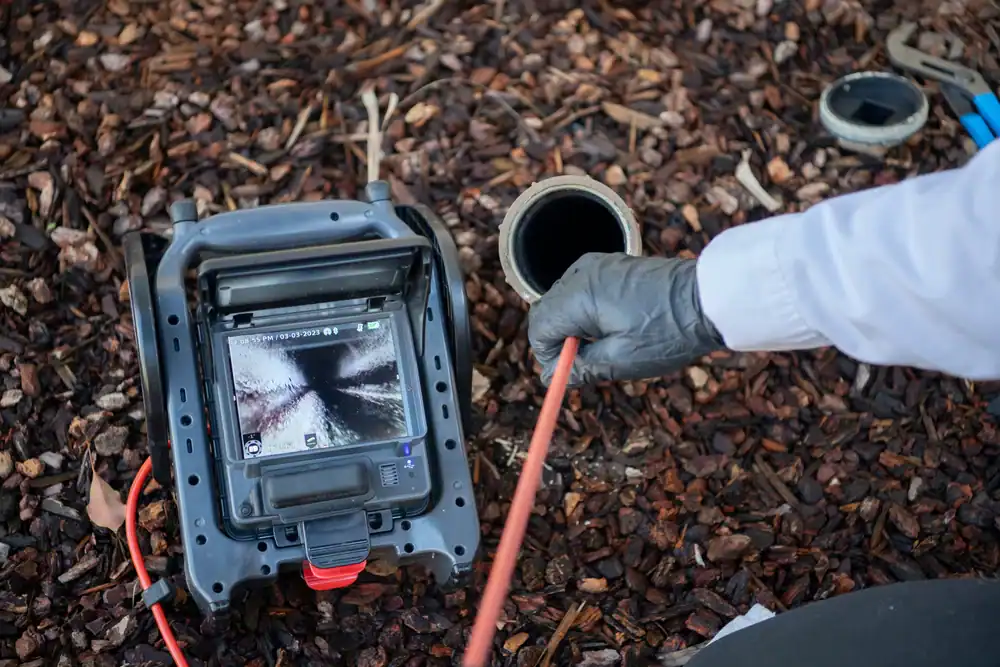
The camera is waterproof, flexible, and equipped with LED lights. We feed it through your cleanout or access point and it travels through the pipe while transmitting live footage to a monitor above ground.
As it moves, we watch for blockages, structural damage, root intrusions, and corrosion. The camera can pinpoint exactly where a problem is located—depth and distance from the access point—so if you need repairs, there’s no guessing about where to dig.
You get digital footage and a report that documents what we found. That’s useful if you’re buying or selling a home, filing an insurance claim, or just want records of your system’s condition. The inspection itself doesn’t damage your pipes. It’s non-invasive, and most inspections are completed within an hour depending on the length of your lines.
Ready to get started?
The inspection identifies blockages caused by grease, debris, or foreign objects that have built up over time. It shows tree roots that have infiltrated through joints or cracks. You’ll see structural damage like breaks, cracks, or sections where the pipe has started to collapse.
Corrosion shows up clearly on camera, especially in older metal pipes. Leaks become visible when water is seeping out or groundwater is seeping in. Sagging pipes—sections that have settled due to soil movement—are easy to spot because water pools instead of flowing.
In Wyandanch, where more than 360,000 Suffolk County homes rely on outdated cesspool and septic systems, this kind of real-time clog detection matters. Cesspools are a major source of nitrogen pollution here, and the county has been pushing for upgrades since 2019. If you’re facing a system replacement, the camera inspection shows you exactly what’s failing and helps you understand whether a repair will buy you time or if replacement is the smarter move. The digital footage and reporting also give you documentation for permit applications, contractor bids, or compliance with local regulations.
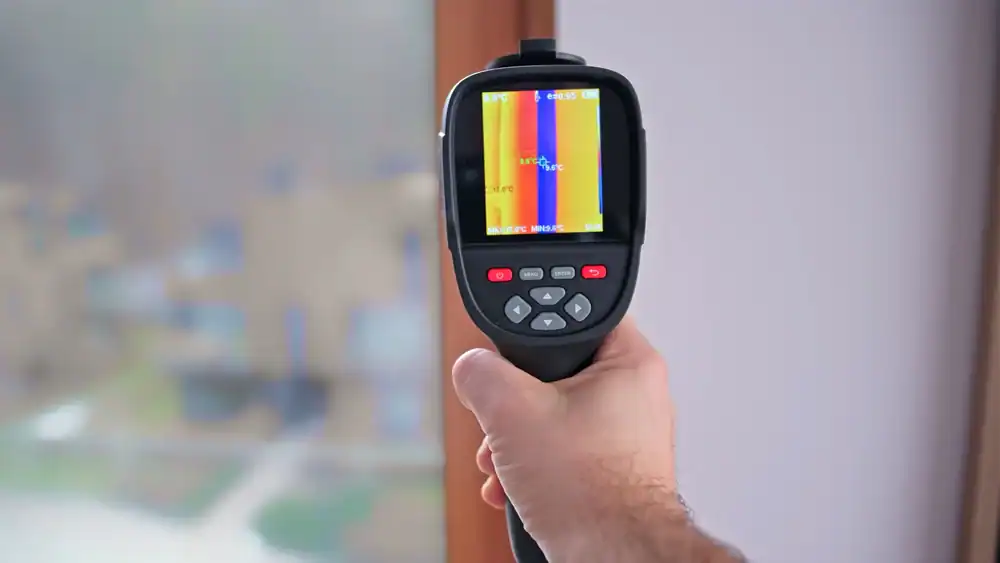
Cost depends on the length of your pipes and how accessible your system is. Most residential inspections fall within a predictable range, and you’ll know the price before any work starts.
If you’re dealing with a specific problem—slow drains, sewage odors, or wet spots in your yard—the inspection often pays for itself by preventing unnecessary digging or misdiagnosed repairs. Instead of excavating your entire yard to find a problem, the camera shows you exactly where the issue is.
For real estate transactions, many buyers and sellers split the cost because both sides benefit from knowing the system’s condition before closing. If you’re applying for Suffolk County’s cesspool replacement grants, the inspection documentation supports your application and helps contractors give you accurate bids.
Yes. The camera picks up cracks and weak spots even when they’re not causing backups or obvious damage yet. You’ll see sections where the pipe wall has thinned, joints that have separated slightly, or small fractures that are letting water seep out.
These early-stage leaks matter because they get worse over time. Water escaping from your pipes saturates the soil around your foundation, which leads to settling, cracking, and expensive structural repairs down the road. Groundwater seeping into your pipes overloads your cesspool and causes it to fail faster.
In Wyandanch’s soil conditions, small leaks don’t stay small for long. Tree roots find those cracks and force them open. Freeze-thaw cycles expand the damage. Catching leaks early means you can make targeted repairs before the pipe collapses or your yard turns into a swamp.
The camera shows you where the roots are, how extensive the intrusion is, and whether they’re just starting to penetrate or if they’ve completely blocked the line. That information determines what kind of intervention you need.
Minor root intrusions can often be cleared mechanically, and you’ll get your flow back without major excavation. Severe root damage—where roots have cracked the pipe or created multiple entry points—usually means that section needs to be repaired or replaced. The camera footage shows contractors exactly what they’re dealing with, so you get accurate bids instead of estimates based on guesswork.
Mature trees are common in Wyandanch, and their roots naturally seek out water sources. Your pipes are a target. Regular camera inspections let you catch root problems before they destroy your entire line, and the footage helps you decide whether it’s worth treating the roots or if you need to address the pipe itself.
You’re not legally required to get one, but it’s becoming standard practice in Suffolk County real estate transactions. Buyers want to know what they’re inheriting, especially with older cesspool systems, and many lenders require proof that the system is functional before approving a mortgage.
A clean inspection gives buyers confidence and can speed up your closing. If the camera does find problems, you have the option to fix them before listing or adjust your price accordingly. Either way, you’re controlling the narrative instead of getting blindsided during the buyer’s inspection.
In Wyandanch, where cesspool regulations have tightened and replacement costs can hit five figures, buyers are paying close attention to wastewater systems. Having current video documentation shows you’ve maintained the property and gives everyone a clear picture of what they’re working with.
If your system is working fine and you’re keeping up with regular pumping, you don’t need annual camera inspections. But if you’re experiencing slow drains, recurring backups, or unexplained wet spots in your yard, a camera inspection shows you what’s actually happening before you spend money on fixes that might not address the real problem.
For older systems—anything over 20 years—a camera inspection every few years makes sense. Pipes deteriorate, soil shifts, and roots grow. Catching problems early keeps small repairs from turning into system failures.
If you’re buying a home in Wyandanch, get the inspection done during your due diligence period. If you’re planning major landscaping or construction near your cesspool, inspect first so you know where your lines are and what condition they’re in. And if you’re applying for Suffolk County’s cesspool replacement program, the inspection documentation is part of the process.
You get high-resolution video files that show the interior condition of your pipes from start to finish. The report includes timestamps, distance measurements from access points, and descriptions of any issues we found—blockages, cracks, root intrusions, corrosion, or structural damage.
If problems are identified, the report notes their exact location and depth, which is critical information for contractors who need to excavate or make repairs. You’re not paying someone to dig exploratory holes. They know exactly where to work.
The digital files are yours to keep. Use them for insurance claims, permit applications, contractor bids, or real estate disclosures. If you’re dealing with Suffolk County’s environmental compliance requirements, the documentation shows regulators what condition your system is in and supports any variance or upgrade applications you need to file.
Other Services we provide in Wyandanch