
Hear from Our Customers
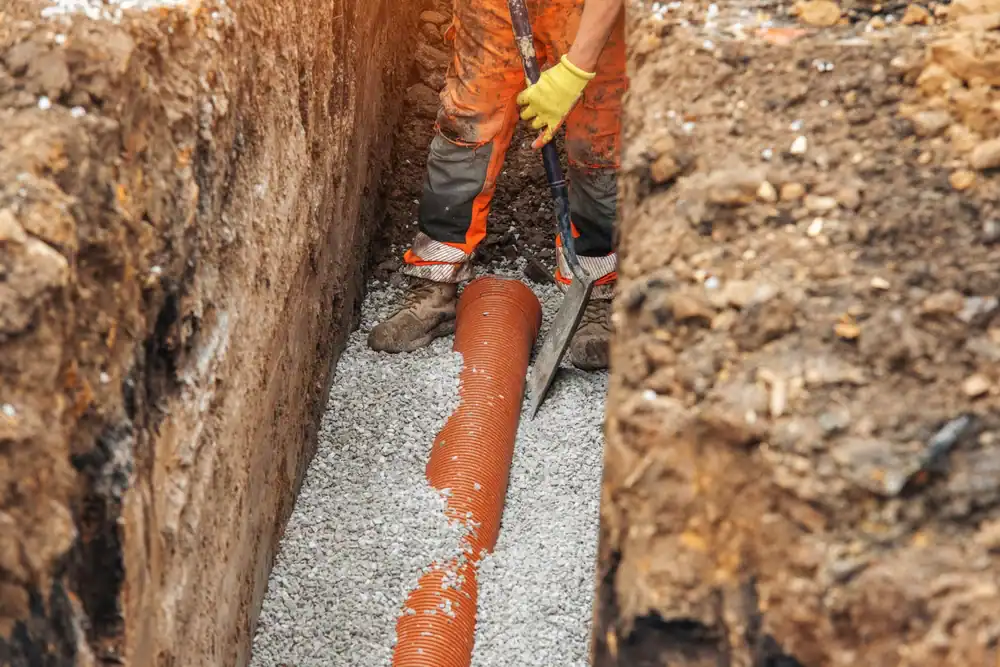
When your main waste line fails, everything in your home stops working the way it should. Toilets back up. Drains slow to a crawl. You might see wet spots in your yard or smell sewage where you shouldn’t.
A line change fixes the root problem—not just the symptoms. We replace the failing pipe between your house and your cesspool with new materials installed at the correct pitch and slope so waste flows the way it’s supposed to. That means no more standing water, no more backups into your basement, and no more wondering if today’s the day your system gives out completely.
You get a waste system that works like it did when your house was new. The difference is, this time it’s built to handle what your household actually puts through it—and it’s done by people who’ve seen what happens when shortcuts get taken.
We’ve handled cesspool and septic systems across Wyandanch, NY for over a decade. Most of the homes here are hi-ranch, colonial, or Cape Cod styles built decades ago—and the original waste lines weren’t designed to last forever.
We know the soil conditions in this area. We know how deep your cesspool probably sits based on whether you have a basement or a slab. And we know what Suffolk County requires now that the 2019 cesspool ban is in effect—you can’t just replace a failing cesspool with another one.
When we dig, we’re not guessing. We’re working with systems we’ve seen hundreds of times, in neighborhoods just like yours.
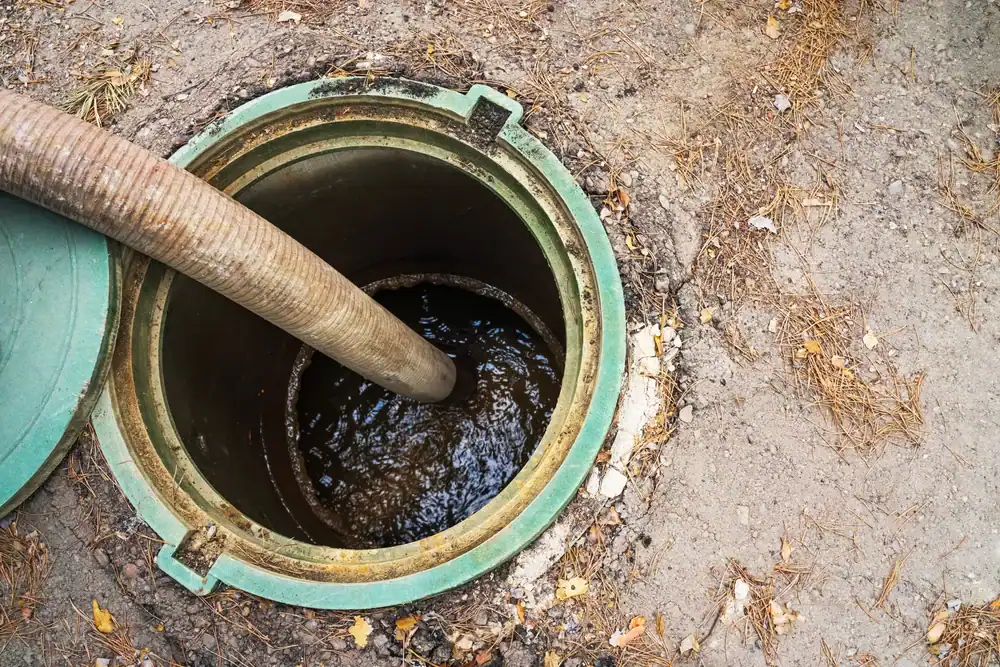
First, we locate your existing cesspool and map the path of your main waste line. Most cesspools in Wyandanch sit about 10 feet from the foundation—3 to 5 feet deep for slab or crawlspace homes, 8 to 10 feet for homes with basements.
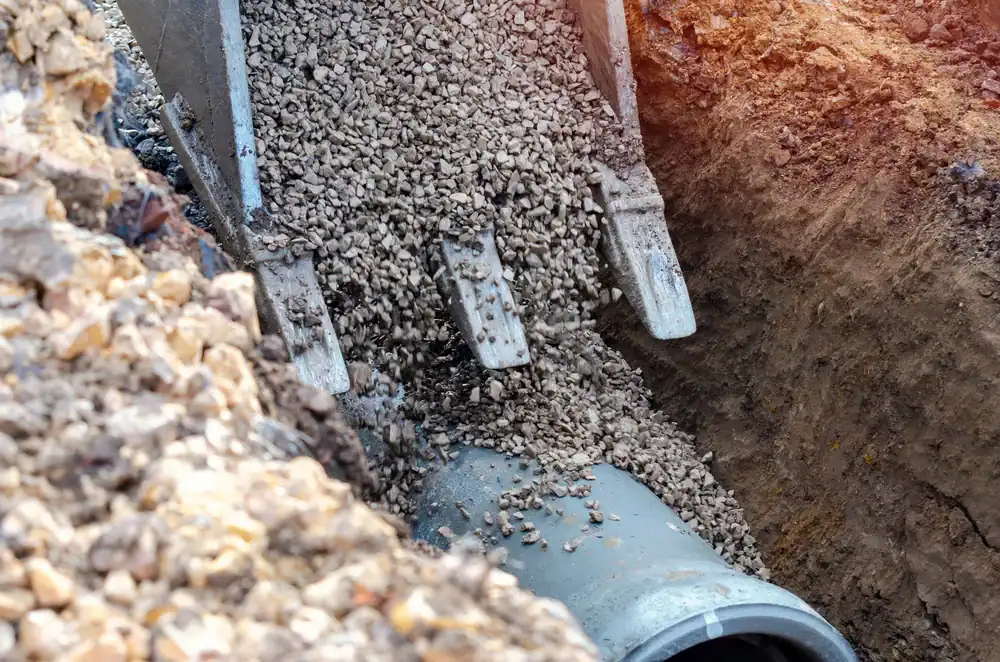
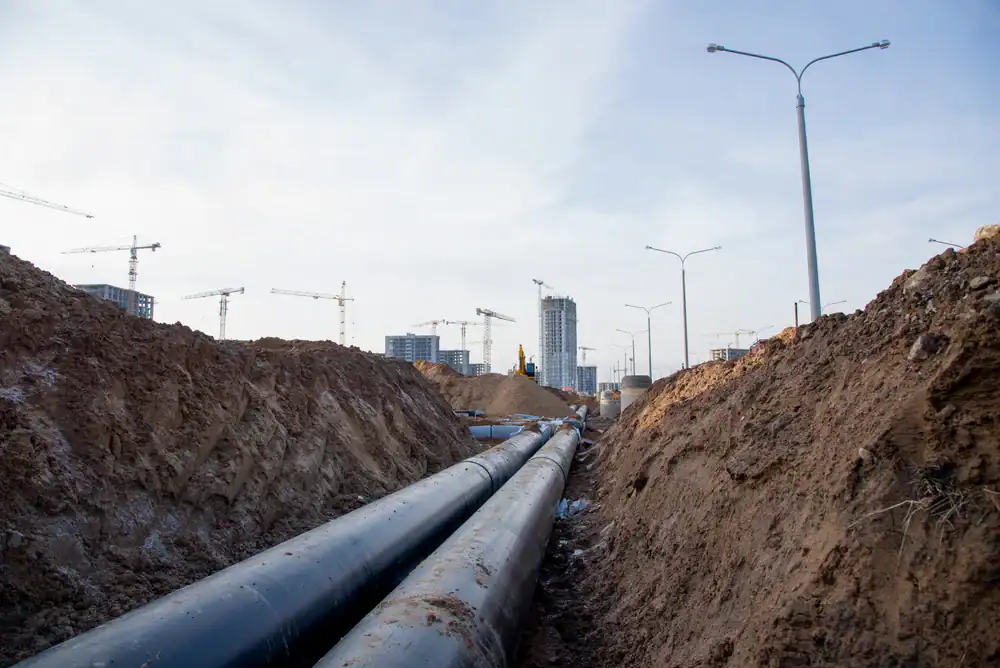
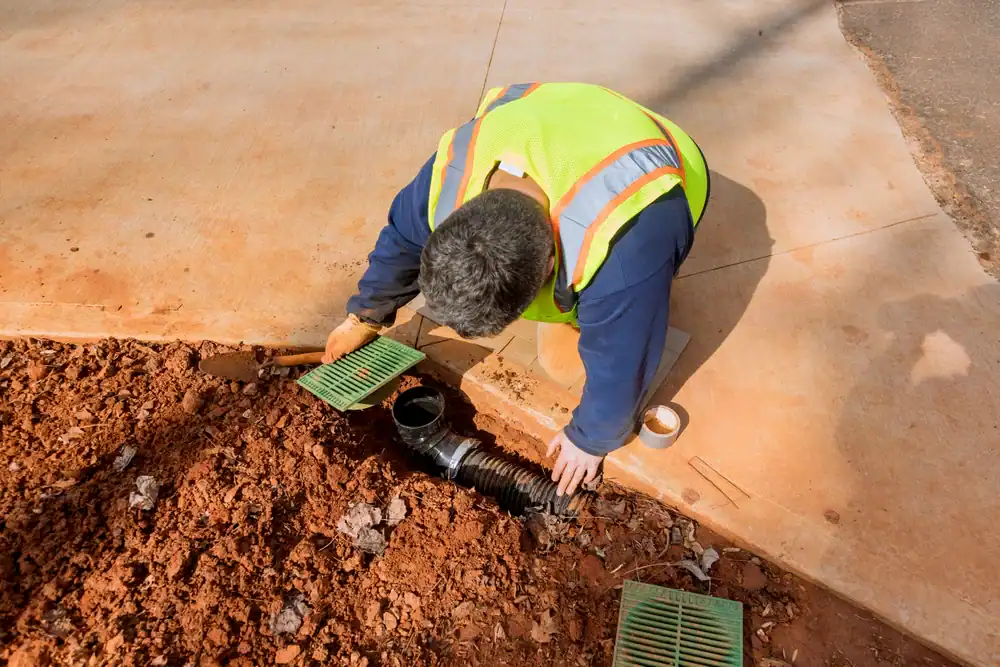
Then we start trenching and excavation. We dig carefully to expose the old pipe without damaging anything else on your property. Once the trench is open, we remove the failed section and install new pipe with the proper pitch and slope—usually a quarter-inch drop per foot so gravity does the work.
After the new line is connected to both your home’s drain and your cesspool, we backfill the trench and compact the soil so you don’t end up with a sunken mess in your yard six months later. We test the system before we leave to make sure everything drains the way it should.
The whole process typically takes a few days, depending on how deep we need to go and what we find once we’re in the ground.
Ready to get started?
You’re not just paying for new pipe. You’re paying for proper installation that prevents the same problem from happening again in five years.
That means correct pipe pitch and slope so waste doesn’t pool in low spots. It means backfilling the trench in layers and compacting as we go so the ground doesn’t settle unevenly. It means connecting to your cesspool at the right depth and angle so the system can handle your household’s daily use without backing up.
In Wyandanch, NY, the average cost for this kind of work runs between $3,500 and $5,000, though it can go higher if we hit rock or if your cesspool is deeper than usual. That’s a fraction of what you’d pay if the line fails completely and floods your basement—or if the health department gets involved because raw sewage is surfacing in your yard.
You also get peace of mind knowing the job was done by licensed and insured professionals who understand Suffolk County’s regulations and won’t disappear if something goes wrong.
If you’re dealing with frequent backups, slow drains throughout the house, or sewage odors that won’t go away even after pumping, the problem is likely your main waste line—not your cesspool. A repair might work if the damage is limited to one small section, but if the pipe is old cast iron or clay that’s cracked in multiple spots, you’re better off replacing the whole line.
We can run a video camera inspection to show you exactly what’s happening underground. You’ll see the cracks, root intrusion, or collapsed sections for yourself. That way you’re not guessing, and you’re not paying for a repair that only buys you six months before the next section fails.
Most homes in Wyandanch, NY have waste lines that are 30, 40, even 50 years old. If your neighbors are starting to have problems, yours is probably not far behind.
Age is the biggest factor. Cast iron and clay pipes corrode and crack over time, especially in areas with shifting soil or freeze-thaw cycles. Tree roots are another common culprit—they find their way into even the smallest crack and grow until they block the pipe completely.
Sometimes the original installation was the problem. If the pipe wasn’t laid at the right slope, waste doesn’t flow properly and solids build up over time. That creates clogs and puts pressure on the pipe until it cracks or separates at the joints.
In Wyandanch, NY, we also see issues with ground settling. Homes built on fill or in areas with high water tables can shift over time, and that movement stresses the waste line until it fails. Once you start seeing wet spots in your yard or smelling sewage near your foundation, the pipe is already compromised.
Most line changes take three to five days, depending on how deep we need to dig and what we run into once we’re in the ground. If your cesspool is shallow and the soil is easy to work with, we might finish faster. If we hit rock or need to navigate around other utilities, it takes longer.
You’ll have limited water use during the work—showers and laundry need to wait, but we’ll make sure you can still use the bathroom. We coordinate with you so the disruption is manageable, and we clean up the site at the end of each day so you’re not living in a construction zone.
The timeline also depends on whether you’re just replacing the line or upgrading your whole system to meet Suffolk County’s new regulations. If your cesspool is failing and you need to convert to a septic system, that’s a bigger project with more moving parts.
You can’t replace a failing cesspool with another cesspool—Suffolk County banned new cesspool installations back in 2019. If your cesspool is failing, you’ll need to upgrade to a septic system or install advanced treatment technology that meets current nitrogen reduction standards.
That’s a bigger job than just a line change, but it makes sense to do both at the same time if your cesspool is already at the end of its life. We’re already digging up your yard and exposing the connection point, so the additional work is more efficient than coming back later to do the upgrade separately.
We’ll walk you through what’s required and what your options are. There’s funding available for some homeowners who need to upgrade, and we can help you figure out if you qualify. The important thing is to address the problem before the health department gets involved or you’re dealing with raw sewage in your yard.
We let you know right away and show you what we’re seeing. Sometimes the damage is worse than expected—the pipe might be collapsed in multiple sections, or we might find that your cesspool is also failing and needs attention.
We don’t do surprise bills. If the scope of work changes, we explain what needs to happen and why, and we give you a clear estimate before we proceed. You decide whether to move forward with the additional work or handle it later.
Most of the time, homeowners choose to fix everything while we’re already in the ground. It’s more cost-effective than mobilizing a crew and digging up your yard twice, and it means you’re not dealing with another failure six months down the road. But the choice is always yours.
Modern materials last longer than the cast iron or clay pipe that was standard decades ago. We use PVC or ABS plastic that won’t corrode, crack from freeze-thaw cycles, or get invaded by tree roots the way old pipes do. Installed correctly, these materials can last 75 to 100 years.
The other difference is proper installation. We make sure the pipe is laid at the correct pitch and slope—usually a quarter-inch drop per foot—so waste flows by gravity without pooling in low spots. We backfill and compact the trench in layers so the ground doesn’t settle and stress the pipe. And we connect to your cesspool at the right depth and angle so the system works the way it’s supposed to.
You also get the benefit of working with a licensed contractor who’s been doing this for years in Wyandanch, NY. We know what works in this area, and we stand behind our work. If something goes wrong, we’re still here to fix it.
Other Services we provide in Wyandanch