
Hear from Our Customers
Picture this: your drains flow freely, your yard stays dry, and you never worry about sewage backing up into your home. That’s what proper cesspool maintenance delivers.
Regular cesspool pumping prevents the nightmare scenarios that cost Riverhead homeowners thousands. No more scrambling for emergency service when your system fails at the worst possible moment.
You get peace of mind knowing your cesspool system won’t leave you dealing with health hazards, property damage, or hefty repair bills. Your family stays safe, your property stays clean, and your wallet stays intact.
We’ve been serving Riverhead families for four generations. That kind of experience means we’ve seen every issue Long Island soil and Suffolk County regulations can throw at a cesspool system.
We’re not the new guys trying to figure things out on your property. We’re the local team that understands Riverhead’s unique challenges—from the sandy soil near Reeves Beach to the agricultural areas that define this part of Suffolk County.
When you call us, you’re working with professionals who live in your community and understand what Long Island homeowners face every day.
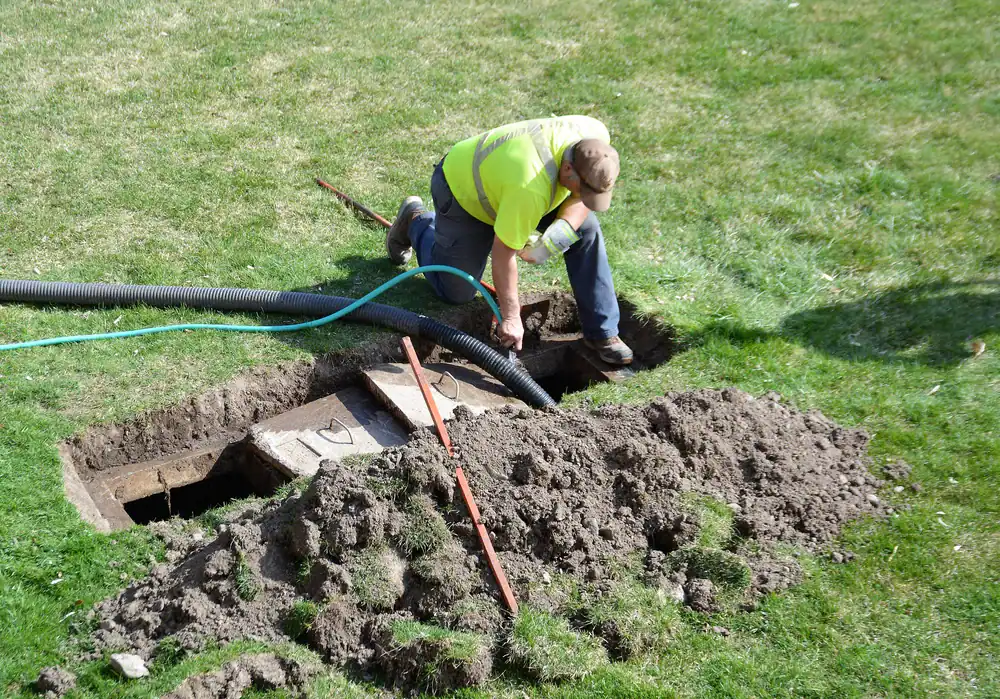
First, we inspect your cesspool system to understand its current condition and spot any potential issues before they become expensive problems. This assessment helps us determine the best approach for your specific situation.
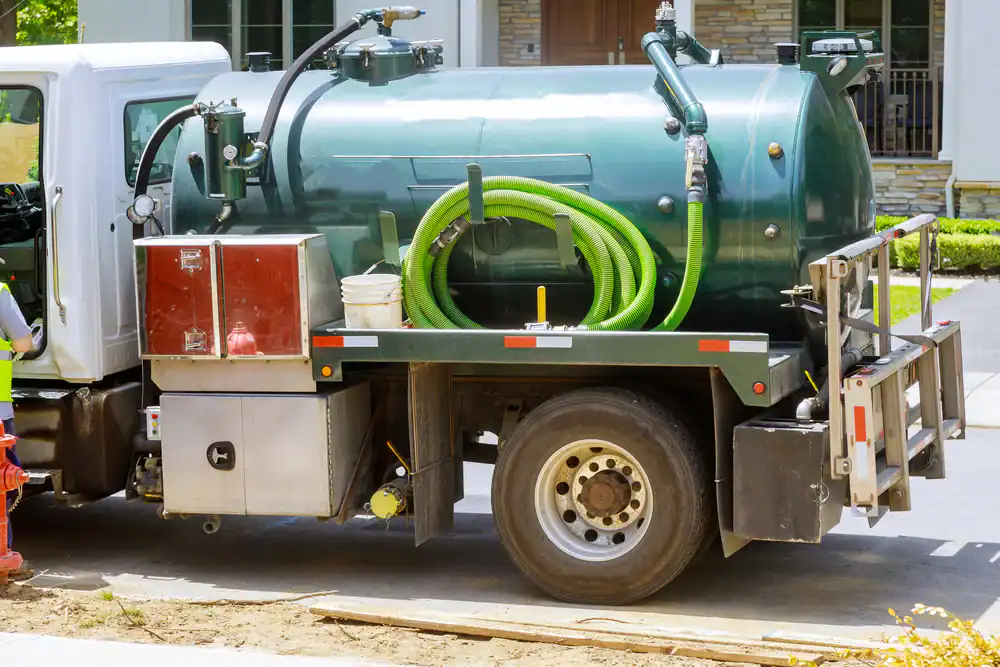
Next, we use professional-grade equipment to thoroughly pump and clean your cesspool. Our state-of-the-art trucks remove all accumulated waste and restore proper function to your system.
Finally, we provide you with a clear assessment of your system’s health and recommend a maintenance schedule that prevents future problems. You’ll know exactly when your next service is due, so you can plan ahead instead of dealing with emergencies.
Ready to get started?
Your cesspool pumping service includes thorough waste removal, system inspection, and professional assessment of your system’s condition. We don’t just pump and leave—we make sure you understand what’s happening with your system.
Riverhead homeowners deal with unique challenges that come with Suffolk County’s soil conditions and local regulations. Most residential cesspools in the area need pumping every 2-3 years, but this varies based on household size and usage patterns.
If you have a larger family or use a garbage disposal, your system works harder and may need more frequent attention. We help you establish the right maintenance schedule based on your specific situation, not some generic timeline that doesn’t account for how you actually use your system.
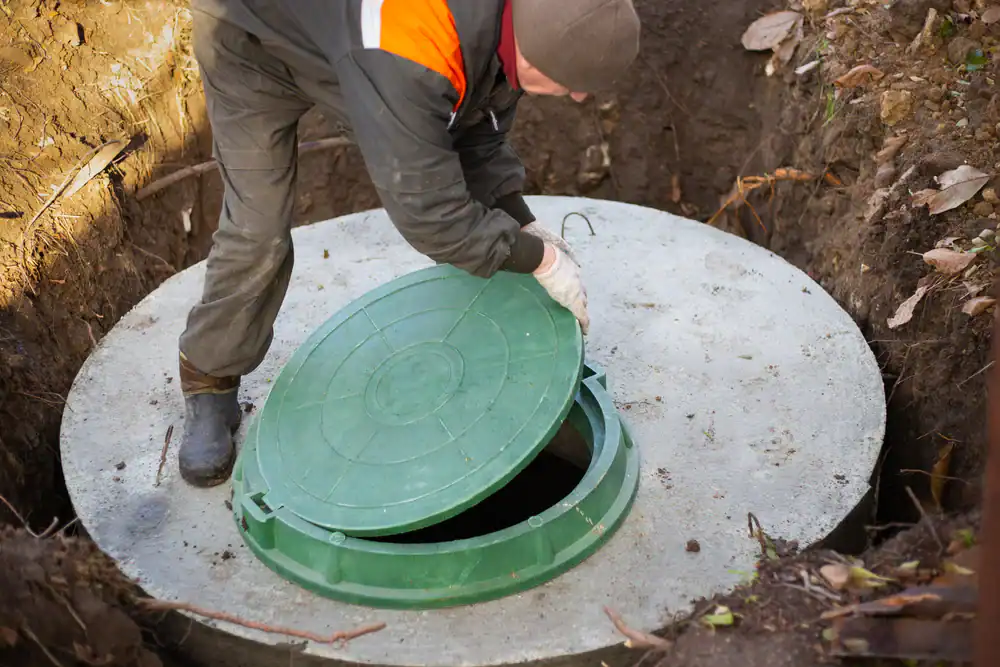
Most cesspools in Riverhead need pumping every 2-3 years, but your specific timeline depends on several factors. Household size makes the biggest difference—a family of two will need service less frequently than a family of six.
Your usage patterns matter too. If you have a garbage disposal, do lots of laundry, or host frequent guests, your cesspool fills up faster. The key is getting your system inspected annually so you can plan maintenance before problems develop.
Suffolk County’s sandy soil conditions around Riverhead also affect how your system processes waste. We help you establish the right schedule based on your actual usage, not some generic recommendation that doesn’t account for your specific situation.
Slow draining in your sinks, toilets, or showers is usually the first sign your cesspool is getting full. You might also notice unpleasant odors around your yard or wet patches on your lawn that don’t dry up after a few days.
If you hear gurgling sounds from your plumbing fixtures or see sewage backing up into your home, you need immediate service. These are signs your cesspool is completely full and can’t handle any more waste.
Don’t ignore these warning signs hoping they’ll go away. Acting quickly prevents sewage from backing up into your house, which creates serious health hazards and expensive cleanup costs. Call us immediately if you notice any of these problems.
Cesspool pumping costs in Riverhead typically range from $300 to $600, depending on your tank size and how full it is. We provide upfront pricing with no hidden fees, so you know exactly what you’re paying before we start work.
Several factors affect the final cost: tank size, accessibility, and how long it’s been since your last pumping. If your cesspool is severely overfilled or has accessibility issues, additional time and equipment may be needed.
We offer competitive rates and always explain any additional charges before proceeding. Most homeowners find that regular maintenance costs far less than dealing with emergency repairs or system replacement, which can run into thousands of dollars.
Regular cesspool pumping and cleaning don’t require permits in Suffolk County. However, if you’re replacing or upgrading your system, new regulations require permits and specific installation standards.
As of July 2019, Suffolk County banned replacing old cesspools with new cesspools. If you choose to upgrade your existing system, you must install a septic tank that meets current county standards.
We handle all permit requirements and ensure your work complies with Suffolk County regulations. Our team stays current with local codes so you don’t have to worry about regulatory compliance—we take care of the paperwork and inspections.
Cesspool pumping requires specialized equipment and expertise that most homeowners don’t have. Professional pump trucks, proper waste disposal methods, and safety equipment are essential for doing the job correctly and safely.
Suffolk County requires licensed professionals to handle cesspool waste disposal. Improper disposal can result in significant fines and environmental damage. Licensed companies like us follow strict protocols for waste handling and disposal.
The health risks alone make DIY cesspool pumping a bad idea. Exposure to raw sewage can cause serious illness, and working around cesspool systems without proper safety equipment is dangerous. Professional service protects your health and ensures the job gets done right.
Skipping regular maintenance leads to system failure, which typically means sewage backing up into your home. This creates serious health hazards for your family and can cause thousands of dollars in property damage and cleanup costs.
An overfilled cesspool can contaminate your groundwater and your neighbors’ wells, leading to environmental violations and hefty fines from Suffolk County. You’re also responsible for any cleanup costs if contamination spreads beyond your property.
System replacement becomes inevitable when maintenance is neglected. A new cesspool system can cost $10,000 to $20,000 or more, while regular maintenance costs a few hundred dollars every few years. The math is simple—maintenance saves you thousands compared to replacement costs.