
Hear from Our Customers
You wake up tomorrow without worrying about sewage backing up into your home. Your drains flow freely, your yard smells fresh, and your expensive Sound Beach property stays protected.
That’s what happens when your cesspool gets the professional attention it needs. No more slow drains that make you hold your breath. No more embarrassing odors when you’re hosting family gatherings on your coastal property.
Your system works the way it’s supposed to—quietly, efficiently, and without drama. You get peace of mind knowing you’ve avoided the nightmare scenarios that cost Sound Beach homeowners thousands in property damage and put your $384,000+ property investment at risk.
For over a decade, we’ve been the company Sound Beach residents call when their cesspool needs attention. We understand how Long Island’s sandy soil and proximity to Long Island Sound affect your system’s performance.
We’re not the cheapest option—and that’s intentional. Sound Beach homeowners invest in quality because they understand that proper cesspool maintenance protects their property values and prevents expensive emergencies that could damage their coastal investment.
Our licensed, insured technicians use advanced equipment and follow strict safety protocols. When you call us, you’re working with professionals who’ve handled every type of cesspool situation in Suffolk County and understand the unique challenges of waterfront properties.
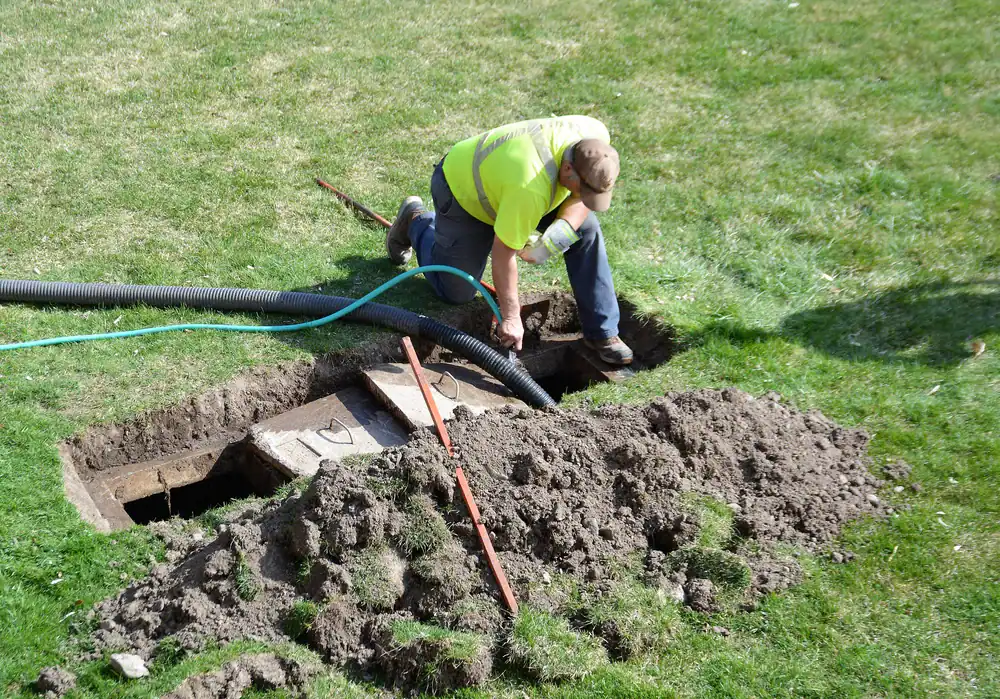
First, we inspect your cesspool to assess its condition and determine how much waste needs removal. Our technician checks for any signs of damage or potential problems while measuring current waste levels and evaluating how Sound Beach’s coastal conditions are affecting your system.
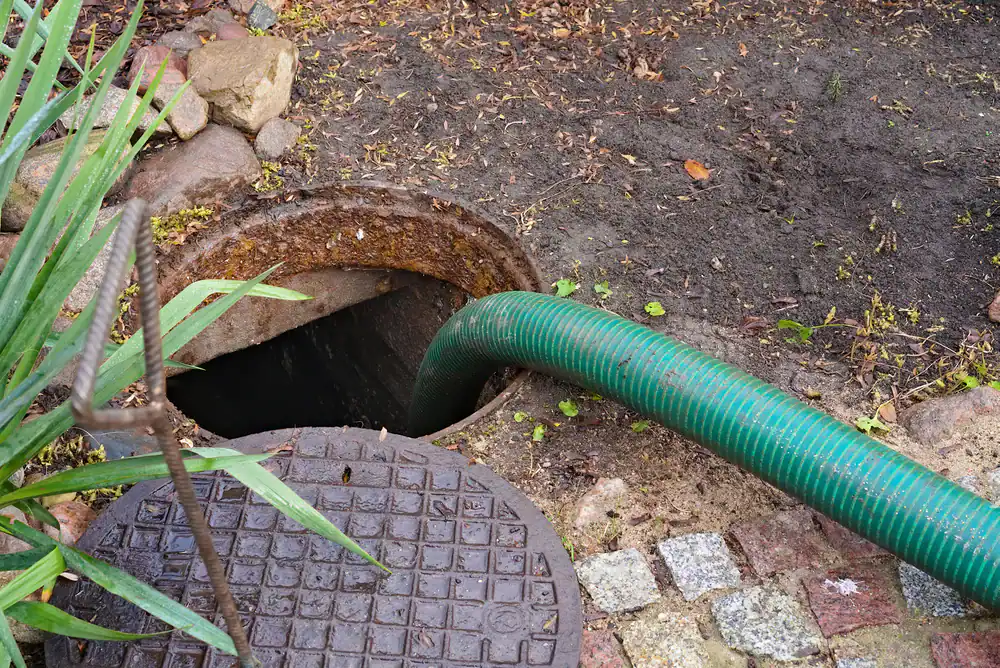
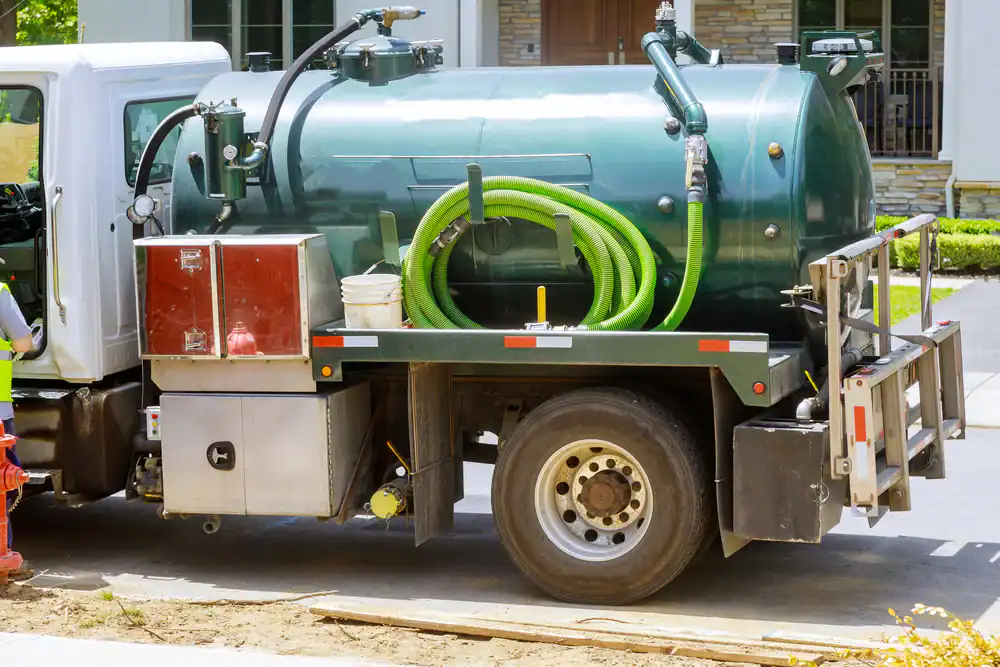
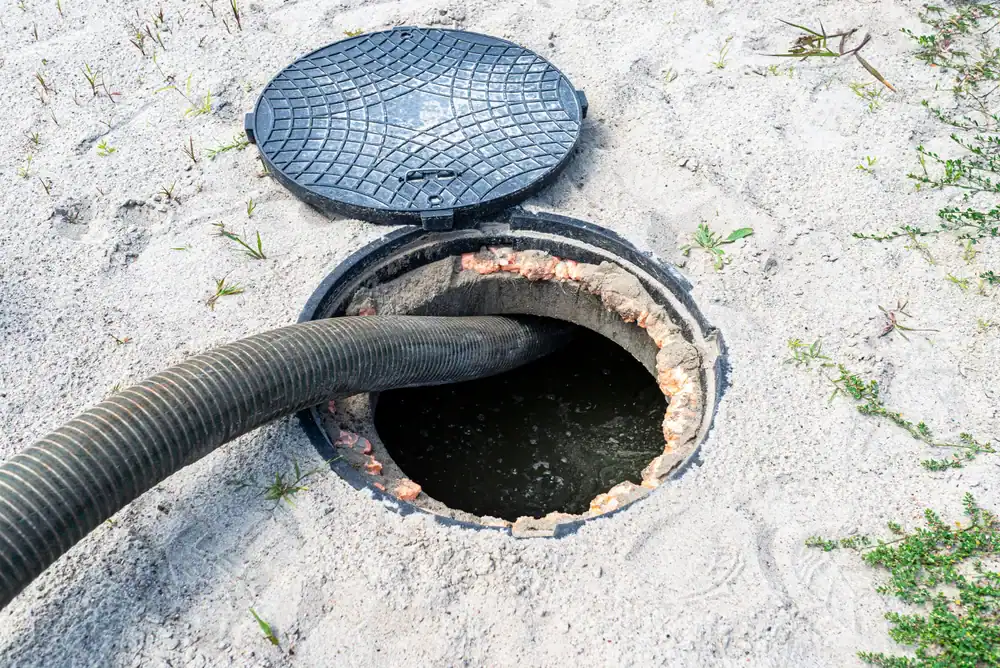
Next, we position our specialized vacuum truck and remove all accumulated solids and liquids from your system. We use commercial-grade equipment that cleans your cesspool completely without causing damage to the structure or disrupting your landscaping.
Finally, we transport all waste to approved treatment facilities that meet environmental regulations. You get a detailed report of our findings and recommendations for maintaining your system’s optimal performance. The entire process typically takes 1-2 hours, and we clean up completely so your property looks exactly as we found it.
Ready to get started?
Every Quality Cesspool service includes complete system inspection, professional pumping, and detailed reporting. We check your cesspool’s structural integrity, measure waste levels, and identify any developing issues that need attention before they become expensive problems.
Sound Beach’s proximity to Long Island Sound creates unique challenges from sandy soil, high water tables, and salt air exposure. Our local expertise helps us spot problems that out-of-area companies might miss, especially issues related to coastal conditions.
We also provide compliance guidance for Suffolk County’s increasingly strict cesspool regulations. Properties in waterfront areas like Sound Beach face potential mandatory upgrade requirements, and we help you understand what applies to your specific location. You get upfront pricing with no hidden fees and warranty coverage on our work.
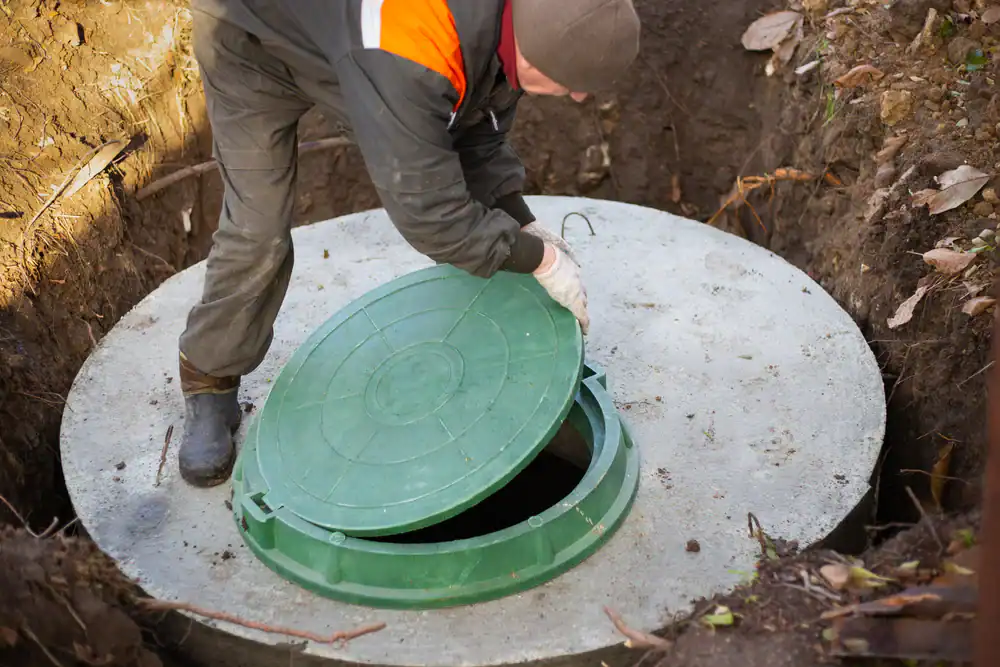
Most Sound Beach cesspools need pumping every 2-3 years, but the exact frequency depends on your household size and water usage. Families of four typically require service every 2 years, while smaller households can often wait 3 years.
Homes with garbage disposals or heavy water usage may need annual pumping to prevent system overload. Sound Beach’s sandy soil conditions can affect how quickly your system processes waste, making regular monitoring important.
We recommend having your system inspected annually so we can determine the optimal pumping schedule for your specific situation. This prevents emergencies and saves money compared to reactive service calls, especially important given the potential property damage costs in Sound Beach’s high-value housing market.
The earliest warning signs include slow drainage in sinks, toilets, or showers, and foul sewage odors around your property. You might also notice gurgling sounds from plumbing fixtures or unusually lush grass over your drain area.
More serious signs include sewage backing up into your home, wet spots or standing water in your yard near the cesspool, or multiple plumbing fixtures experiencing problems simultaneously. If you notice water backing up in basement drains or toilets, stop using water immediately and call for emergency service.
Don’t ignore these symptoms hoping they’ll resolve themselves. What starts as slightly slow drainage can quickly escalate to complete backups and sewage overflows, which are much more expensive to address than preventive pumping and can seriously damage your valuable Sound Beach property.
Standard cesspool pumping in Sound Beach typically costs $400-700, depending on your tank size and the amount of waste that needs removal. Emergency service calls during weekends or holidays include additional fees.
The exact cost depends on factors like accessibility to your cesspool, how long it’s been since your last pumping, and whether any repairs are needed. We provide upfront quotes with no hidden fees so you know exactly what to expect before we start work.
Regular maintenance pumping costs significantly less than emergency repairs. Neglected cesspools may require complete replacement costing $8,000-15,000, making routine $400-600 pumping service a smart financial investment in protecting your Sound Beach property value.
Existing cesspools are generally allowed to remain in operation in Sound Beach, but Suffolk County has implemented stricter regulations in recent years. Properties within designated high-priority areas near shorelines may face mandatory upgrade requirements sooner than inland properties.
The county’s Subwatersheds Wastewater Plan requires certain properties to upgrade their systems, and any property transfer in waterfront areas may trigger required upgrades. Given Sound Beach’s coastal location, many properties could be affected by these changing regulations.
We stay current with all local cesspool regulations and can help you determine what requirements apply to your specific Sound Beach property. While there’s no law forcing immediate replacement of functioning cesspools, Long Island is pushing homeowners toward modern septic systems to protect drinking water and coastal environments like Long Island Sound.
Cesspool pumping requires specialized equipment, proper licensing, and knowledge of hazardous waste handling procedures that homeowners don’t typically possess. Our vacuum trucks can extract thousands of gallons of waste that must be transported to approved treatment facilities.
There are also serious health and safety risks involved in handling raw sewage and the gases that cesspools produce. Professional technicians use protective equipment and follow strict safety protocols to prevent exposure to dangerous bacteria and toxic gases.
Additionally, improper pumping can damage your cesspool structure or create environmental violations. Licensed professionals like us carry insurance coverage and understand local regulations for waste disposal, protecting you from liability and ensuring the job is done safely and legally in compliance with Suffolk County requirements.
Without regular pumping, solid waste accumulates until it blocks your distribution system and causes sewage backups into your home. The damage happens quickly and cleanup costs add up fast, often involving flooring, walls, and personal belongings in your valuable Sound Beach property.
Overfilled cesspools also create serious health hazards by contaminating your property’s soil and potentially affecting groundwater that flows toward Long Island Sound. This puts your family and neighbors at risk while creating environmental violations that can result in significant fines.
System failure from neglect costs significantly more than preventive maintenance. Emergency pumping during system failure costs 3-4 times more than scheduled service, and severely neglected cesspools may require complete replacement costing $8,000-15,000 instead of routine maintenance—a major expense that could have been avoided with proper care.