
Hear from Our Customers
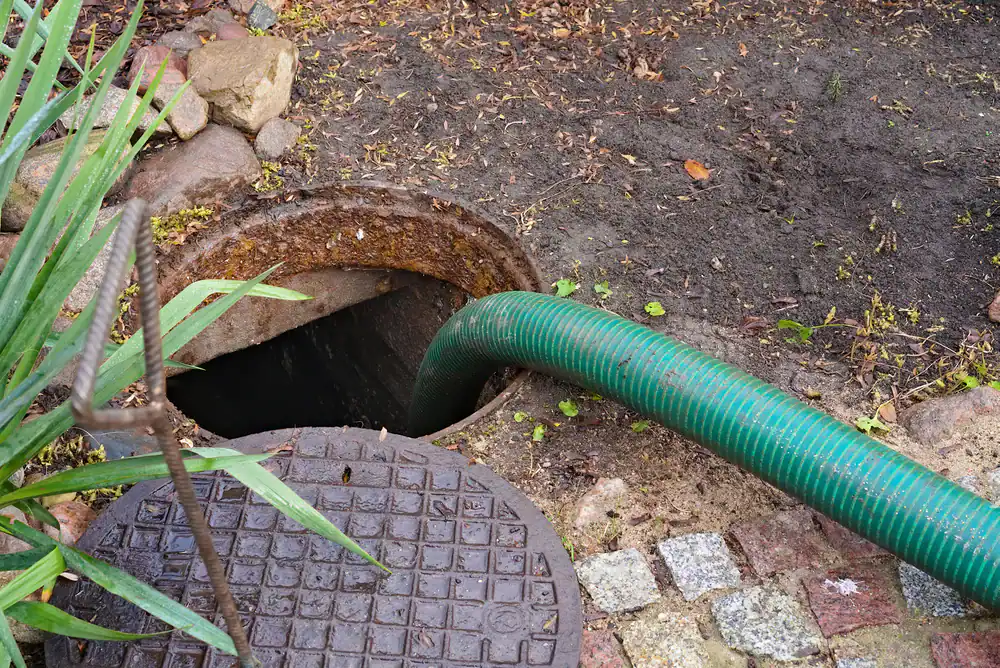
Your cesspool works fine until it doesn’t. Then you’re dealing with backups, odors, and emergency calls that cost three times more than regular maintenance.
Most Stony Brook cesspools need pumping every 1-3 years depending on your household size. A family of four typically needs service every two years, while smaller households can wait three years between pumpings.
Regular cesspool pumping removes the solid waste that builds up over time and blocks your distribution system. Without it, you’re looking at sewage backing up into your home and repair bills that can hit $8,000-15,000 for complete system replacement instead of routine $400-600 maintenance.
We’ve been family-owned and operated for four generations. We’ve been serving Stony Brook homeowners since before most of these cesspools were even installed.
We know Long Island’s sandy soil conditions and how they affect cesspool performance. We understand Stony Brook’s regulations and the specific challenges you face with aging systems in this area.
When we show up, we’re not just another truck in your driveway. We’re your neighbors who’ve built our reputation on straight talk, fair pricing, and getting the job done right the first time.
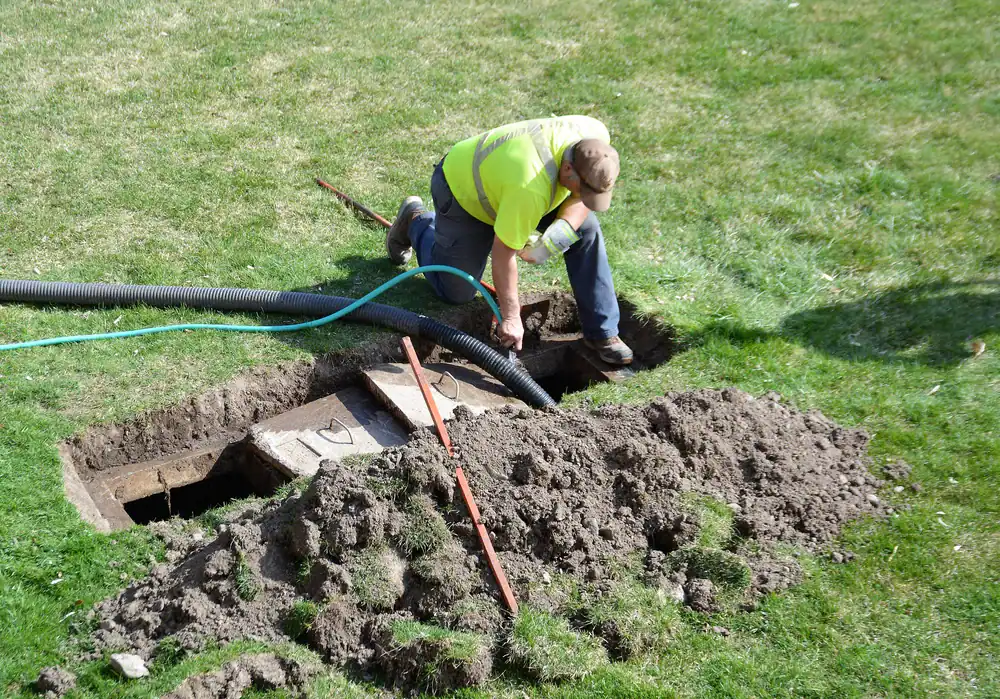
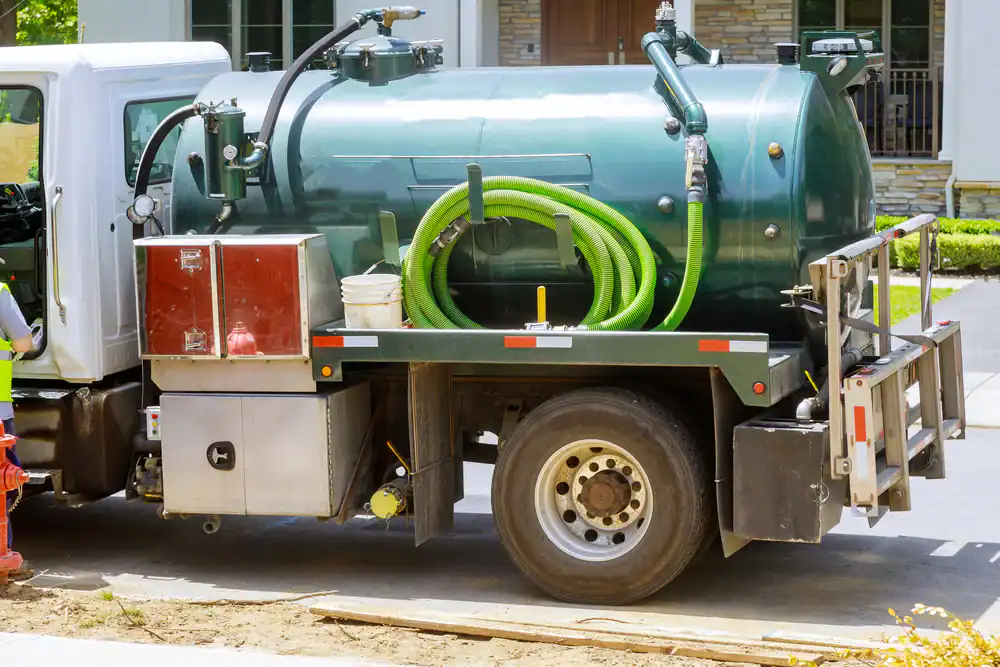
We locate your cesspool access ports and measure current waste levels to determine exactly what needs to be done. Our high-capacity vacuum trucks extract all liquid waste and accumulated solids from your cesspool tank.
We preserve the beneficial bacteria your system needs for ongoing waste treatment while removing everything that’s causing problems. We measure your tank capacity and waste levels to determine the optimal pumping schedule for your household size and usage patterns.
Most Long Island cesspools hold 1,000-1,500 gallons and need pumping when solid waste reaches 25-30% of total capacity. We’ll let you know exactly where your system stands and when you’ll need service again.
Ready to get started?
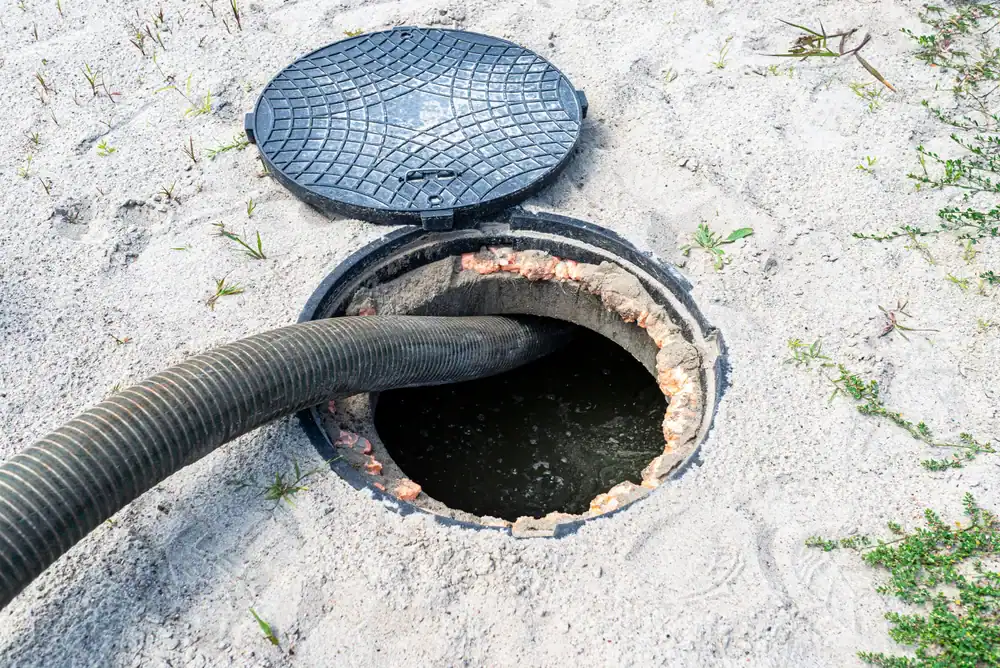
Professional cesspool pumping every 1-3 years prevents system failure and extends your cesspool’s life by decades. We use vacuum trucks that completely empty your system while protecting the beneficial bacteria needed for proper waste treatment.
Stony Brook’s unique soil conditions require specific expertise. Our sandy soils can cause rapid groundwater infiltration if systems aren’t properly maintained, while the area’s older homes often have cesspools that need specialized attention.
We provide 24/7 emergency service because cesspool problems don’t wait for business hours. When disaster strikes your Stony Brook home, we respond quickly to minimize damage and restore normal system function. Regular maintenance costs significantly less than emergency repairs, making scheduled service a smart investment in your property.
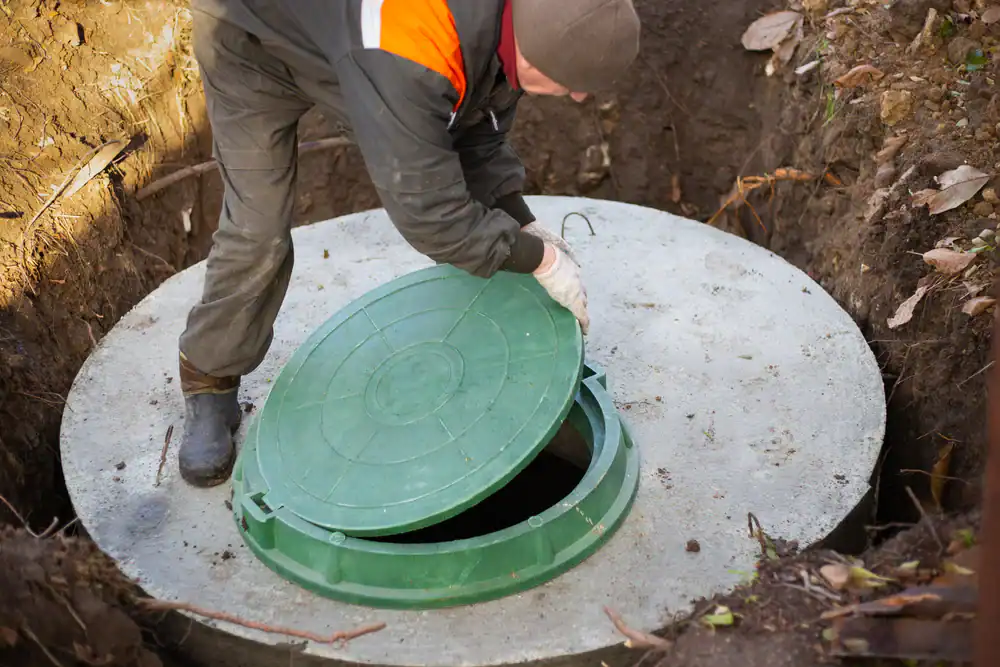
Most Stony Brook cesspools need pumping every 1-3 years, but the exact timing depends on your household size and water usage. A family of four typically needs pumping every 2 years, while smaller households might go 3 years between services.
Homes with garbage disposals or heavy water usage may need annual pumping to prevent system overload. We measure your tank capacity and current waste levels during each visit to determine your optimal schedule.
Don’t wait for warning signs like slow drains or sewage odors. Regular maintenance prevents these problems and costs much less than emergency service calls.
Watch for slow-draining sinks, toilets, or showers, persistent sewage odors around your property, and gurgling sounds from your drains. These indicate your cesspool has reached capacity and needs immediate attention.
Standing water or wet spots near your cesspool location signal system overload requiring emergency service. Any sewage backup into your home creates immediate health hazards and requires professional intervention right away.
If you notice the water level in your cesspool access port staying consistently high, or multiple plumbing fixtures experiencing problems simultaneously, call us immediately. Waiting makes the problem worse and more expensive to fix.
Standard cesspool pumping in Stony Brook costs $400-700 depending on your tank size and waste volume. Emergency service calls during weekends or holidays include additional fees, but regular maintenance pumping costs significantly less than emergency repairs.
Emergency pumping during system failure costs 3-4 times more than scheduled maintenance. Severely neglected cesspools may require complete replacement costing $8,000-15,000 instead of routine pumping service.
We provide upfront pricing before starting any work, so you know exactly what you’re paying. The best way to control costs is through regular maintenance – preventing problems is always cheaper than fixing emergencies.
Cesspool pumping requires specialized vacuum trucks, proper waste disposal permits, and knowledge of safety protocols. DIY attempts are dangerous and often illegal since waste must be disposed of at approved facilities.
Professional pumping ensures complete waste removal while preserving beneficial bacteria your system needs. We have the equipment to handle 1,000-1,500 gallon capacities that most Stony Brook cesspools require.
Licensed professionals also inspect your system during pumping to identify potential problems before they become expensive repairs. This inspection service alone justifies the cost of professional maintenance.
Skipping cesspool pumping allows solid waste to accumulate until it blocks your distribution lines and causes sewage backups into your home. These backups are messy, expensive, and can damage your property while creating serious health hazards.
Neglected cesspools eventually fail completely, requiring system replacement instead of simple maintenance. The accumulated solids can also contaminate your leach field, making repairs even more complex and costly.
Regular pumping every 2-3 years keeps your system functioning efficiently and extends its lifespan. It’s much cheaper than dealing with emergency failures that always seem to happen at the worst possible times.
Existing cesspools in Stony Brook are generally allowed to remain in operation, but Suffolk County has implemented stricter regulations in recent years. You can maintain your current system, but any replacements must meet new environmental standards.
Suffolk County banned traditional cesspool installation in 2019, requiring advanced nitrogen-reducing technology for new systems. However, proper maintenance of existing systems remains the most cost-effective approach for most homeowners.
We stay current with all local regulations and can help you understand what applies to your specific situation. Regular professional maintenance ensures your system stays compliant and functioning properly for years to come.