Cesspool Services in Hampton Bays, NY

Your Cesspool Problems End Here

Professional cesspool services that actually work, handled by people who understand Hampton Bays soil conditions and won’t oversell you.
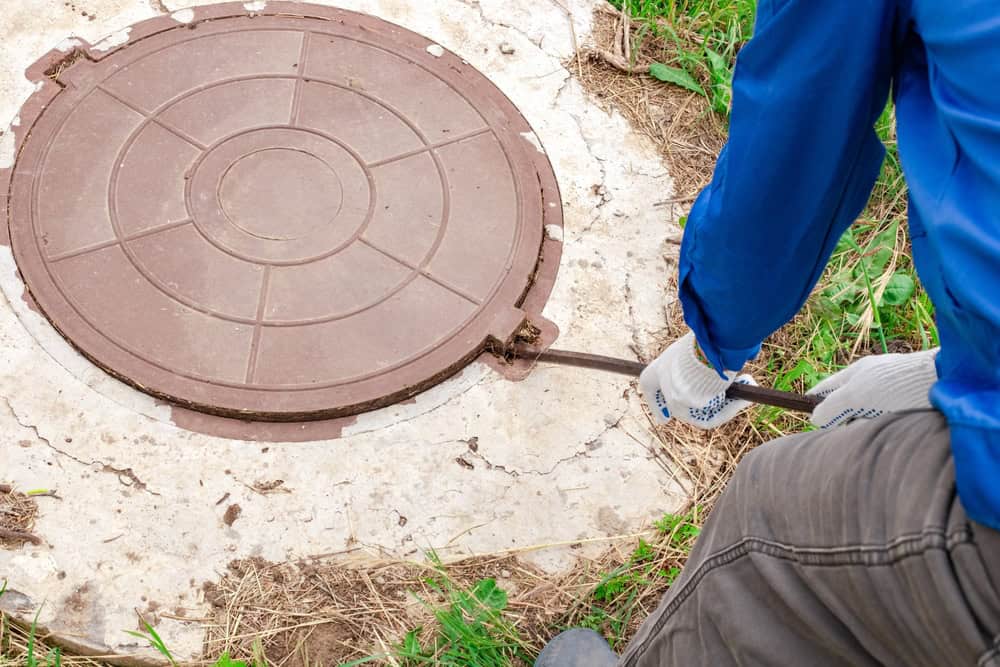
A pipe coming out of a sewer hole, commonly seen during septic tank services Long Island, NY.

Hear from Our Customers

A pipe coming out of a sewer hole, commonly seen during septic tank services Long Island, NY.

Hampton Bays Cesspool Maintenance

Stop Worrying About System Failures

You stop holding your breath every time someone flushes the toilet. Your yard doesn’t smell like a swamp after every rainstorm. You know exactly when your system needs attention before problems develop into expensive emergencies.

That’s what happens when your cesspool gets proper maintenance from people who actually understand Long Island’s challenging soil conditions. No more surprise backups during family gatherings. No more wondering if that wet spot in your yard means trouble.

Your cesspool works quietly in the background, handling everything it’s supposed to handle. You get back to using your home the way you want, without constantly worrying about what’s happening underground.

Quality Cesspool Hampton Bays

We Know Hampton Bays Systems

We’ve been handling cesspool services throughout Hampton Bays and the surrounding Long Island areas for years. We understand the sandy soil conditions here, the saltwater intrusion effects, and the seasonal water table changes that affect coastal properties.

We’re the team that shows up on time, explains what we see, and tells you what needs attention now versus what can wait. You get straight answers about your cesspool’s condition and realistic timelines for any work that needs doing.

We built our reputation on honest assessments and reliable service. No overselling, no scare tactics, just quality work that keeps your system running properly for decades.

A pipe coming out of a sewer hole, commonly seen during septic tank services Long Island, NY.

Cesspool Pumping Process Hampton Bays

Here's Exactly What We Do

First, we inspect your system to understand its current condition and identify any potential issues. We locate access points and assess what type of cesspool service your system actually needs.

Next comes the actual cleaning or pumping using professional vacuum trucks and equipment. We remove accumulated solids and liquids, then properly dispose of waste according to Hampton Bays regulations and Suffolk County health department requirements.

Finally, we inspect the system components, check for damage, and give you a clear picture of your cesspool’s condition. You’ll know exactly when your next service is due and what warning signs to watch for between visits. No guesswork, no surprises.

A pipe coming out of a sewer hole, commonly seen during septic tank services Long Island, NY.

Ready to get started?

Explore More Services

About Quality Cesspool

Get a Free Consultation

Cesspool Cleaning Hampton Bays

Complete Cesspool Services Available

We handle every aspect of cesspool maintenance and repair in Hampton Bays. Regular cesspool cleaning and pumping keeps your system functioning properly and prevents costly emergency situations that can damage your property and create health hazards.

When emergencies do happen, we respond quickly to minimize damage and health risks. We handle backups, overflows, and system failures that can’t wait for regular business hours.

We also provide cesspool installation for new construction and system replacements. We understand Hampton Bays permit requirements and soil conditions, ensuring your new system meets all local codes and functions reliably. Most Hampton Bays cesspools need cleaning every 2-3 years, but this depends on your household size and usage patterns. The sandy soil conditions common here can affect these timelines, which is why we measure actual conditions during each service.

A pipe coming out of a sewer hole, commonly seen during septic tank services Long Island, NY.

How often do cesspools in Hampton Bays need pumping?

Most Hampton Bays cesspools need cleaning every 2-3 years, but this depends on your household size and usage patterns. A family of four typically needs service every 2-3 years, while smaller households might go 3-4 years between cleanings.

The sandy soil conditions common in Hampton Bays can affect these timelines, along with factors like heavy usage, garbage disposals, and certain medications that require more frequent service. We measure sludge levels during each service to give you an accurate schedule for your specific system rather than generic timelines.

The best approach is having your system inspected annually so you can plan maintenance before problems develop. Waiting too long between cleanings leads to system backups, expensive repairs, and potential health hazards.

Cesspools are simpler systems that collect waste in a covered pit with porous walls that allow liquids to seep into surrounding soil. Septic systems use a tank plus a drain field to treat waste before releasing it into the ground.

Many Hampton Bays properties still use cesspools installed decades ago, though new construction typically requires septic systems. Cesspools need more frequent pumping since they don’t separate and treat waste like septic systems do.

Both systems require regular maintenance, but cesspools generally need service every 2-3 years while septic systems can go 3-5 years between pumpings. The choice often depends on your property’s age, soil conditions, and local regulations.

Call for emergency cesspool service if you notice sewage backing up into your home, standing water or sewage odors in your yard, or toilets and drains that won’t empty properly. These are immediate health hazards that need professional attention.

Gurgling sounds from drains, especially when using multiple fixtures, often indicate your cesspool is full or failing. Lush, green grass over your cesspool area can signal leaking, which creates health risks and environmental problems.

Don’t ignore these warning signs. Cesspool emergencies get worse quickly and can cause expensive property damage, health hazards, and violations of local health codes in Hampton Bays. Early intervention saves money and prevents serious problems.

Cesspool cleaning in Hampton Bays typically costs between $200-500, depending on your system size, accessibility, and how long it’s been since your last service. Emergency calls and weekend service cost more than scheduled maintenance.

Systems that haven’t been maintained in years require more time and effort, increasing costs. The exact price depends on factors like tank size, soil conditions, and whether repairs are needed during service.

We provide upfront pricing before starting work, so you know exactly what you’re paying without surprise charges or hidden fees. Regular maintenance pumping is always less expensive than emergency repairs, and proper scheduling prevents costly system failures.

Routine pumping and minor repairs typically don’t require permits from Suffolk County. However, new installations, major repairs, or system replacements need permits from the Suffolk County Health Department before work begins.

New cesspool installations require detailed plans, soil testing, and health department approval. The permit process usually takes 2-4 weeks, and we make sure everything meets current codes and environmental requirements.

We handle all the permit paperwork and inspections for installation work, so you don’t have to navigate the bureaucracy yourself. Licensed contractors understand local regulations, obtain necessary permits, and guarantee their work meets all requirements.

Many cesspool problems can be repaired if caught early enough. We can replace damaged distribution boxes, repair broken pipes, and sometimes restore function to failing systems through professional cleaning and maintenance.

However, if your cesspool is consistently backing up, has major structural damage, or fails to meet current environmental standards, replacement might be necessary. We assess your system honestly and explain your options with realistic costs for each approach.

The key is getting professional evaluation before problems become emergencies. Early detection of issues allows for less expensive repairs rather than complete system replacement. We’ll tell you what can be fixed and what needs replacement based on actual conditions, not guesswork.