Summary:
Your cesspool doesn’t care that it’s 15 degrees outside. It still needs to work. But Long Island winters create conditions that turn functioning systems into frozen disasters overnight. Cold slows the bacteria breaking down waste. Frozen ground makes emergency access nearly impossible. And those temperature swings from 40 to 15 in hours? They crack pipes and damage components that worked fine in September.
The good news is that winter cesspool problems are almost entirely preventable. Timing your maintenance right and understanding what your system needs before temperatures drop keeps you from dealing with backups when snow’s piling up in your driveway. Here’s what you need to know about cesspool winterization that actually protects your Suffolk County home.
Why Long Island Winters Destroy Unprepared Cesspools
Most homeowners think their cesspool just sits there doing its job regardless of the season. That’s not how it works. Your system relies on bacterial action to break down waste, and those bacteria slow dramatically when temperatures drop. Waste that normally decomposes in days can sit for weeks.
The result is faster accumulation of sludge at the bottom and scum at the top. Both layers creep toward the outlet, and if they get too close, solids escape into your leach field or cesspool walls. That clogs the system and creates backups you won’t notice until you flush a toilet and it doesn’t go down. Then there’s the freeze risk. Water expands when it freezes, and that expansion cracks concrete, splits pipes, and damages pumps.
Cesspool Freeze Prevention Starts With Understanding Your System
Suffolk County’s coastal location creates freeze-thaw cycles that are particularly brutal on underground systems. When temperatures drop and moisture from the coast meets inland cold, your cesspool faces conditions that can crack pipes, freeze lines, and turn minor issues into major failures overnight.
The bacteria inside your cesspool that break down solid waste slow down dramatically in cold temperatures. Their metabolism drops, meaning waste accumulates faster than it can be processed. If your tank was already getting full in the fall, winter will push it over the edge. You’re not dealing with a simple backup anymore. You’re looking at a system that can’t handle normal household water usage because the biological processes have essentially stalled.
Pipes are especially vulnerable. Small leaks that were manageable in warmer months can freeze and expand, cracking pipes or joints. Exposed components near the surface face the highest risk. Once a pipe freezes solid, you’re looking at a complete blockage and potential sewage backup into your home.
Many Suffolk County homes were built in the 1950s and 1960s when cesspool installation standards were different. Older systems often have pipes installed closer to the surface, making them more vulnerable to frost damage. If your home falls into this category, fall maintenance isn’t optional. It’s essential. The frost line in Long Island typically extends 3 to 4 feet below the surface, which is exactly where many older cesspool components sit.
Your cesspool system has multiple points where freezing can happen, and each one can shut down your entire household. Inlet pipes from your house to the cesspool are vulnerable, especially if they’re not buried deep enough or run through uninsulated areas. Distribution lines that carry effluent from your tank to the leach field can freeze if they’re sitting in saturated soil. Even the cesspool itself can develop ice that restricts flow and creates pressure on aging concrete walls.
Fall Septic Maintenance: Your Critical Window Before Ground Freezes
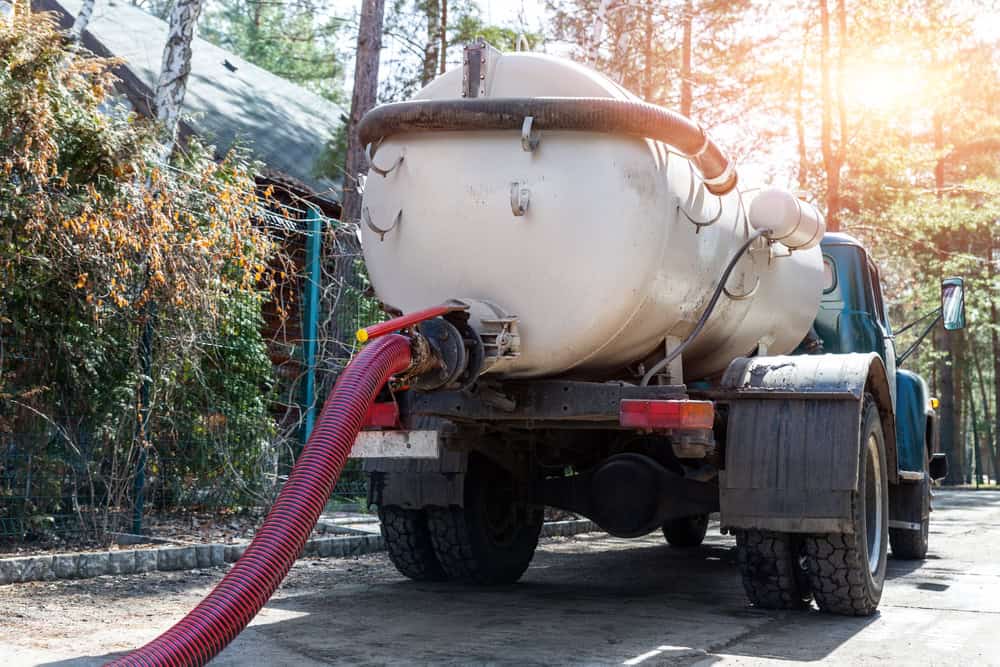
Fall is your last chance to prevent winter cesspool disasters. Right now, the ground is still accessible. Trucks can reach your property without plowing through snow. Technicians can work efficiently without battling ice. And if your system needs more than routine pumping—if there’s a repair or a component that needs replacing—you have time to address it before it becomes an emergency.
Let’s be clear about what you’re risking by postponing cesspool maintenance until winter. Frozen ground makes emergency repairs significantly more difficult and expensive. When your system backs up in January, service trucks may struggle to access your property through snow and ice. The frozen soil makes digging nearly impossible without specialized equipment, which drives up costs. And because you’re not the only homeowner dealing with winter cesspool problems, you might wait days for service while sewage backs up into your home.
Most Suffolk County homeowners should pump their cesspools every three to five years, but your specific timeline varies based on usage patterns and system size. The Suffolk County Department of Health recommends a three-year schedule to prevent solid buildup from flowing into overflow cesspools and causing system failure. If you can’t remember the last time your cesspool was pumped, or if you’ve never had it serviced since buying your home, fall maintenance should be at the top of your priority list before winter arrives.
Timing matters more than most homeowners realize. Schedule too early and you might need service again before spring. Wait too long and you’re dealing with frozen ground that makes even routine maintenance expensive and difficult. Fall offers ideal conditions for cesspool pumping. The ground remains accessible and workable. The water table has dropped from spring highs. Most importantly, you’re preparing your system to handle winter’s demands.
When family arrives for Thanksgiving and Christmas, when household water usage naturally increases from people staying indoors, your freshly pumped tank handles it without problems. There’s a practical advantage too. Fall is slower for cesspool companies. Summer emergencies have subsided, and most homeowners aren’t thinking about septic maintenance yet. That often means better availability, potentially lower prices, and more scheduling flexibility. You’re not competing with every other property owner for the same appointment slot.
Winter Cesspool Maintenance: What Actually Protects Your System
Beyond cesspool pumping and inspection, there are specific winterization steps that protect your system through Long Island’s cold months. Insulation matters more than most homeowners realize. Adding mulch or leaves around your cesspool area provides natural insulation that helps maintain ground temperature. Even this simple measure can prevent freeze damage to components near the surface.
Any exposed pipes or components need protection. These are typically found where pipes enter or exit your home, around pump stations, or in unheated areas like crawl spaces. Identifying and insulating these vulnerable spots before temperatures drop prevents frozen blockages. Fix leaky faucets and fixtures before winter. Small, steady drips might seem harmless, but they can actually increase freezing risk by providing just enough water flow to create ice buildup in pipes.
How to Tell If Your Cesspool Needs Immediate Winter Service
Your cesspool will tell you when it’s struggling. You just have to know what to listen for. Slow drainage is usually the first sign. If your sinks, toilets, or showers take longer to empty than they used to, cold weather is probably affecting your system’s efficiency. This isn’t the same as a single clogged drain. We’re talking about multiple fixtures throughout your home that suddenly seem sluggish.
Here’s what’s happening below ground. As temperatures drop, the bacteria in your cesspool that normally break down solid waste become less active. They’re not dead, but they’re working much slower. That means solids accumulate faster, liquid waste drains slower, and your system fills up quicker than it would in warmer months. These are your cesspool telling you it’s struggling with winter conditions.
Don’t wait for this to get worse. Slow drainage that persists for more than a day or two during winter months deserves attention. Most homeowners who ignore this warning sign end up dealing with complete backups within weeks. The fix is usually straightforward if you catch it early—pumping, inspection, maybe some maintenance to help your system handle the cold. Wait too long, and you’re looking at frozen lines, cracked pipes, or a complete system failure that requires emergency service in the middle of a snowstorm.
Temperature matters more than you think. A warm day followed by a sudden freeze doesn’t give your system time to adjust. That’s when slow drainage can turn into no drainage fast. If you’re seeing this pattern, especially during those dramatic temperature swings Suffolk County is known for, get it checked before the next cold snap hits.
Unusual odors around your property, especially near the cesspool area, signal problems. These smells happen when waste isn’t breaking down properly—a direct result of cold temperatures affecting beneficial bacteria. The odors often get stronger on warmer winter days when the ground thaws slightly and releases trapped gases.
What Happens When Cesspools Freeze: The Real Cost of Skipping Winterization
A frozen cesspool or septic line doesn’t give you a warning. One day everything drains fine. The next, your toilets won’t flush, your drains back up, and you’re dealing with sewage in places it should never be. Once a line freezes, the blockage stops the entire system. Wastewater has nowhere to go, so it comes back into your house through the lowest drains—usually basement fixtures or first-floor bathrooms.
The longer it stays frozen, the worse the damage gets. Thawing a frozen system isn’t a DIY project. It requires specialized equipment to locate the freeze point and apply heat without damaging pipes. If pipes crack from ice expansion, you’re looking at excavation and replacement, which can run into thousands of dollars. And that’s assuming you can even get emergency service during a winter storm when every other homeowner is calling for the same help.
When the ground freezes, the soil that normally absorbs and filters your wastewater becomes impermeable. Liquid waste has nowhere to go. It backs up into your tank faster, fills your system quicker, and creates pressure that can crack aging concrete or collapse older cesspool structures entirely. The freeze-thaw cycles are particularly brutal. A warm day thaws the top layer of soil, then temperatures plummet overnight and everything refreezes. This constant expansion and contraction stresses every component of your system.
Concrete develops hairline cracks. Pipes shift. Seals fail. These aren’t dramatic failures that announce themselves. They’re slow deterioration that turns into a crisis when you least expect it. Suffolk County’s proximity to the Long Island Sound means rapid weather changes—a warm day followed by a sudden freeze doesn’t give your system time to adjust. That’s when most winter cesspool emergencies happen.
The environmental impact matters too, especially in Suffolk County where groundwater quality is already a concern. Untreated sewage seeping into the ground pollutes the aquifer that supplies drinking water. It contributes to nitrogen pollution in local waterways. It’s not just your problem—it becomes a community problem. All of this is avoidable. Pumping your cesspool before winter is straightforward preventive maintenance. It takes an hour or two, costs a few hundred dollars, and protects you from failures that can shut down your home and drain your savings.
Protecting Your Suffolk County Cesspool Before Winter Arrives
Winter cesspool problems don’t fix themselves. The warning signs—slow drainage, unusual odors, gurgling sounds, wet spots—all indicate your system is under stress. Catching these early means the difference between a routine service call and an expensive emergency repair.
Your cesspool faces challenges during Suffolk County winters that don’t exist in warmer months. Frozen pipes, struggling bacteria, ground frost, and rapid temperature swings all work against you. But homeowners who pay attention to warning signs and act quickly avoid most of the serious problems that come with freezing weather. A few hundred dollars spent on fall maintenance beats thousands in winter damage.
If you’re noticing warning signs, if it’s been more than three years since your last pumping, or if you’re simply not sure about your system’s condition, now is the time to find out. We’ve served Long Island for nearly two decades because we understand what homeowners actually need—straight answers, quality work, and service you can count on when it matters most.